
1 / 10
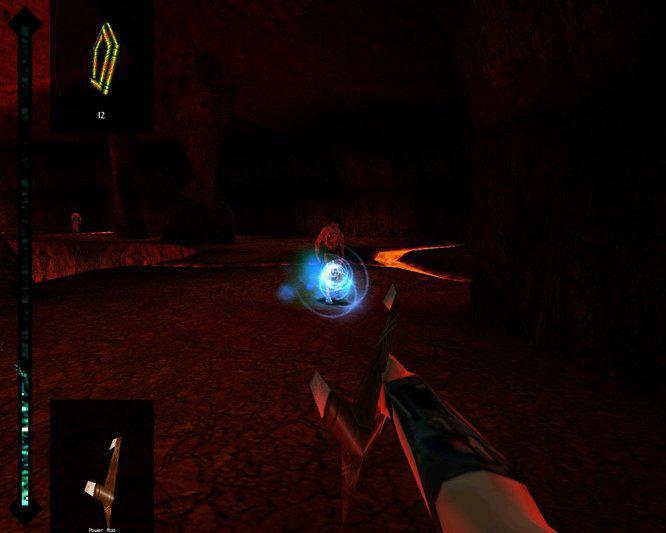
1. Omikron: The Nomad Soul
Man, Omikron was *wild*. Before studios got scared of ambition, this game threw everything at the wall: adventure, fighting, FPS, exploration, all wrapped in a genuinely strange, cyberpunk world. Sure, it was clunky, even then, but the sheer scope and David Bowie's involvement made it unforgettable. It's a prime example of how industry execs often ignore brilliant but unpolished ideas in favor of safe bets, leaving truly visionary work to become cult classics.
2 / 10
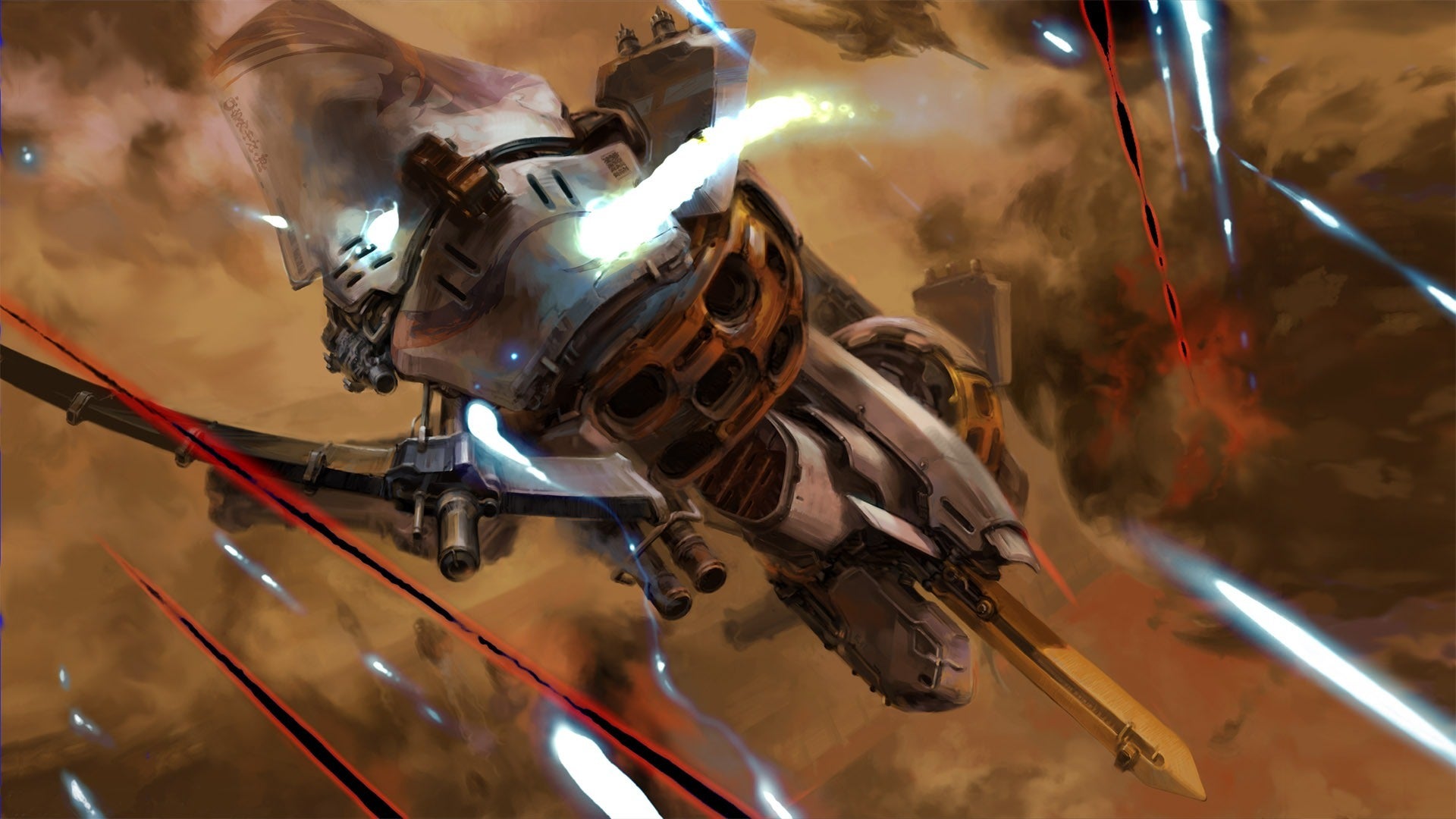
2. Ikaruga
This isn't just a shmup; it's a philosophy. Treasure crafted a bullet-hell ballet where switching polarity isn't just a mechanic, it's the core of every challenge. Its brutal precision and minimalist design show what happens when a developer perfects a single, brilliant idea instead of bloating it with unnecessary features. The industry, ever chasing the next big trend, often misses the elegance of such focused mastery.
3 / 10
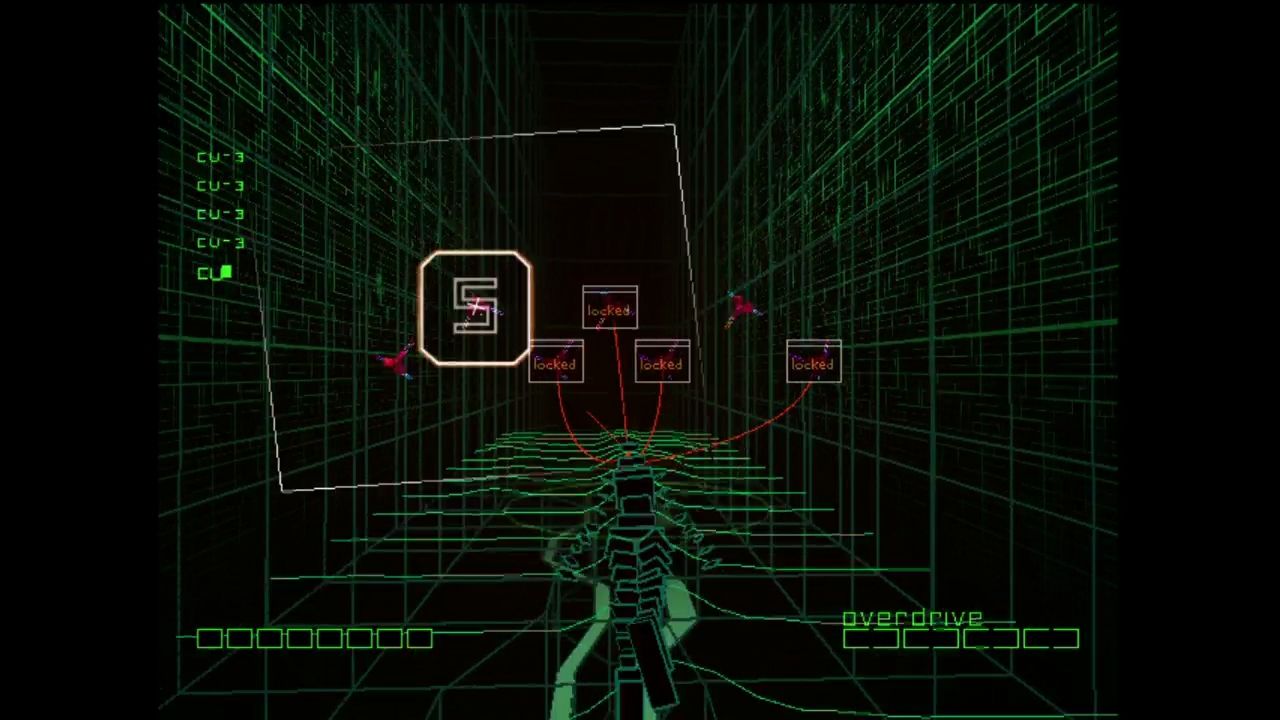
3. Rez
Few games truly *feel* like Rez. It’s a synesthetic journey, where every shot fired and every enemy destroyed weaves into an evolving, pulsing soundtrack. This wasn't about high fidelity graphics or complex narratives; it was about pure, unadulterated sensory immersion. It proved that games could be an art form in a way many still struggle to grasp, prioritizing experience over marketability, a lesson the industry still needs.
4 / 10
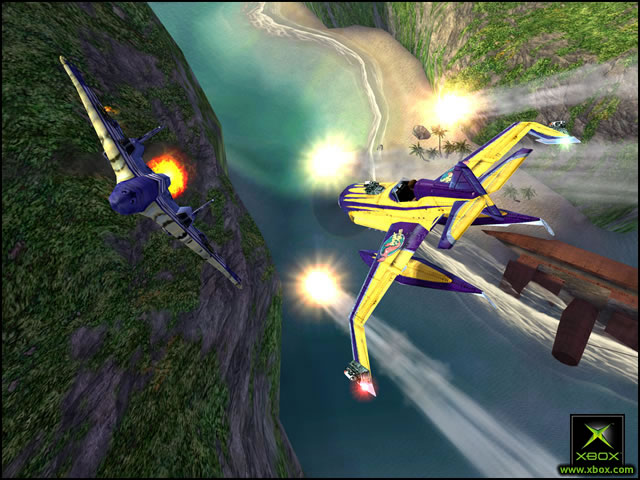
4. Crimson Skies: High Road to Revenge
Remember when games had personality? Crimson Skies delivered a pulp-fiction, alternate-history adventure with fantastic aerial combat and charming characters. It was pure, unadulterated fun, a standout amidst the emerging era of gritty, realistic shooters. But like many games that dared to be unique, it flew under the radar, proving that genuine creativity often gets overlooked for generic, focus-grouped experiences.
5 / 10
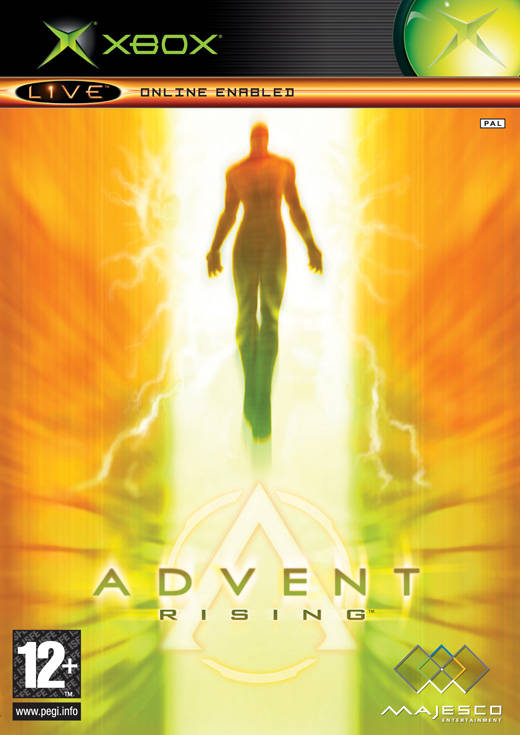
5. Advent Rising
Oh, Advent Rising. The grand, sci-fi epic that promised a trilogy but barely got one game out. It had an incredible premise, a universe crafted with Orson Scott Card, and telekinetic powers that felt genuinely powerful. This game was a victim of its own ambition and perhaps publisher impatience, a stark reminder of how quickly truly innovative concepts can die before reaching their full potential.
6 / 10
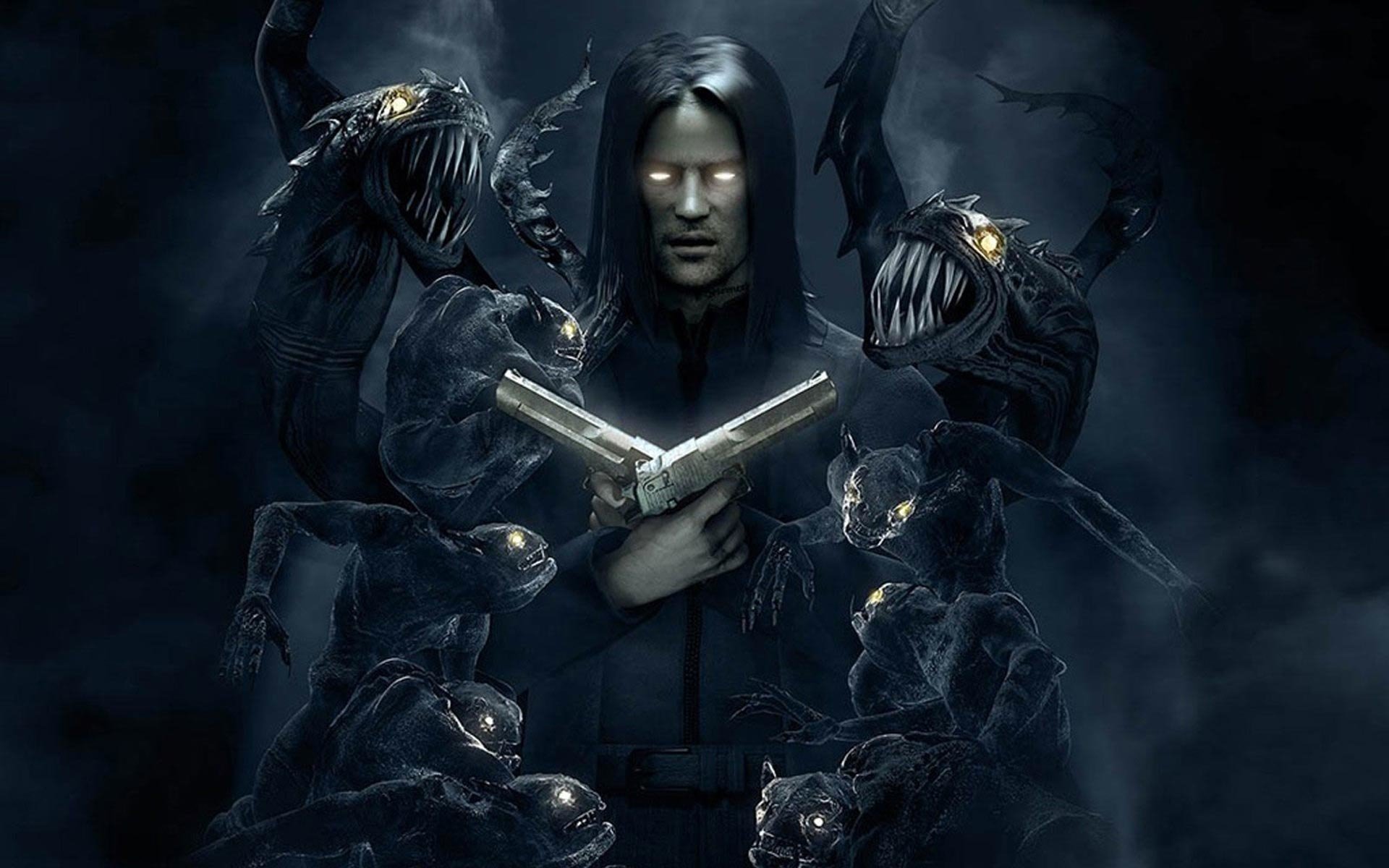
6. The Darkness
Now, this was a shooter with *guts*. Instead of another generic military romp, The Darkness gave us a gritty, mature narrative, genuinely unsettling powers, and a protagonist you actually cared about. The industry could learn a lot from its commitment to character and atmosphere, showing that a compelling story and unique mechanics can elevate a genre far beyond mere shooting galleries.
7 / 10

7. Mirror's Edge
DICE took a huge swing with Mirror's Edge, stripping away the guns for exhilarating first-person parkour. Its stark, minimalist aesthetic and fluid movement system were revolutionary. It felt like a breath of fresh air, proving that innovation in movement mechanics could be just as compelling as combat. Yet, the industry often struggles to back such bold, genre-defining ideas long-term.
8 / 10
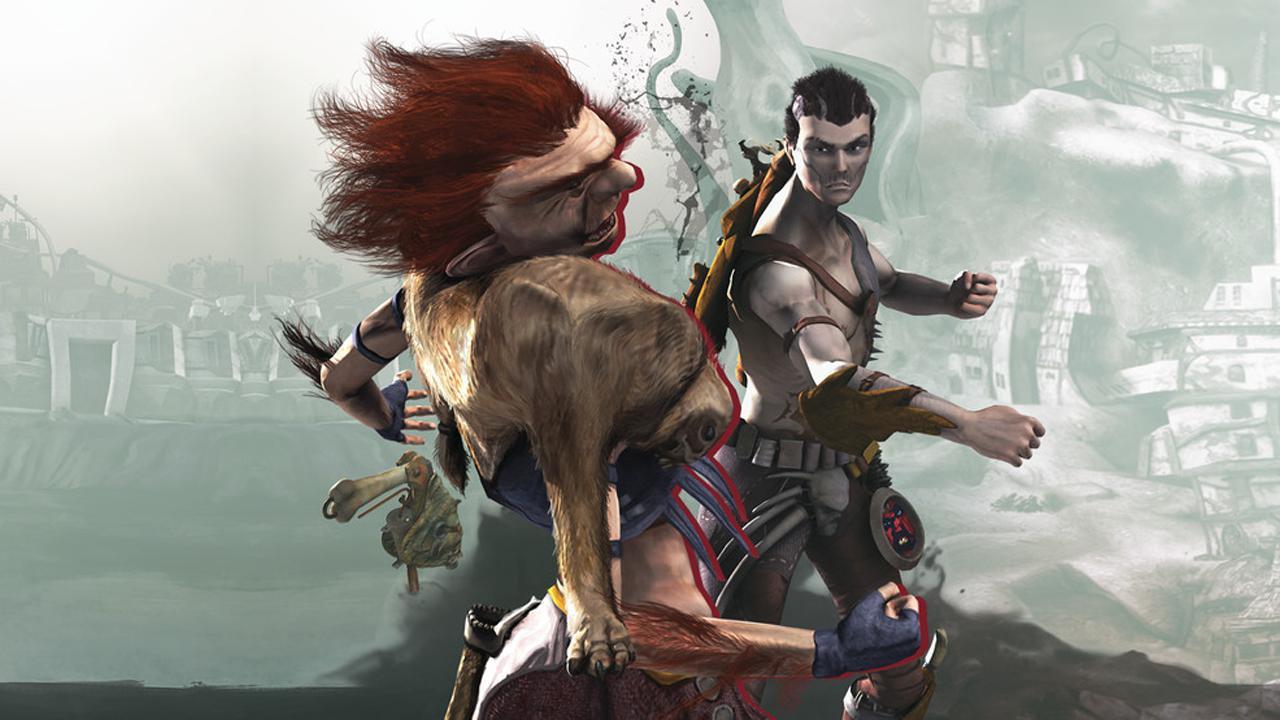
8. Zeno Clash
Just... *look* at Zeno Clash. A bizarre, hyper-stylized first-person brawler set in a surreal, prehistoric punk world. It embraced its weirdness unapologetically, delivering satisfying, visceral combat against creatures you'd only see in a fever dream. It’s a testament to indie vision, showing how unique art direction and a clear creative voice can outshine any triple-A budget.
9 / 10

9. Shadow Complex
This XBLA title was a masterclass in modern Metroidvania design. It blended familiar 2D exploration with slick 3D graphics and satisfying combat, feeling like a full-fledged experience despite its digital-only release. It proved that "arcade" games could deliver AAA-level polish and depth, challenging the notion that big experiences needed big boxes and even bigger marketing budgets.
10 / 10
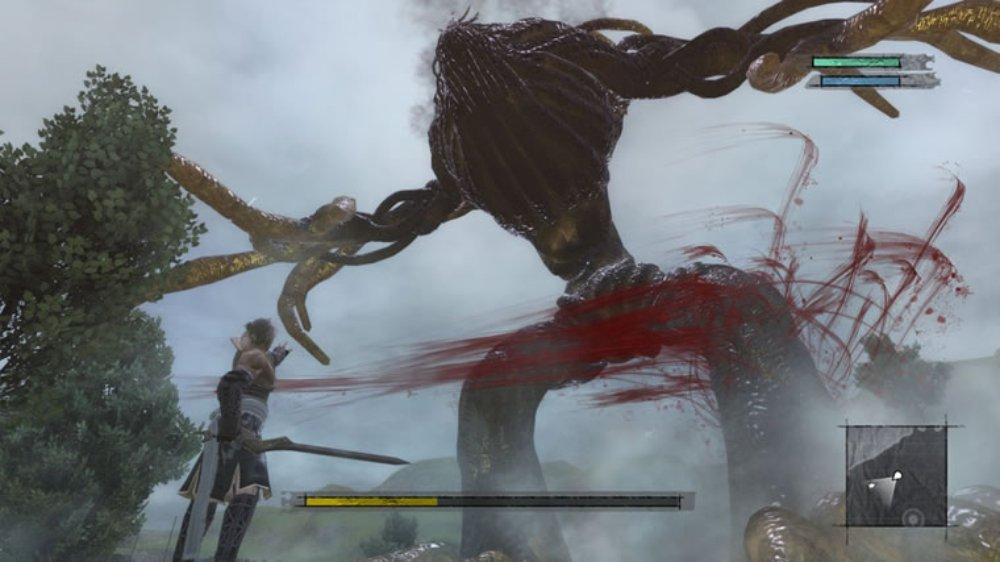
10. NIER
Before Automata blew everyone away, there was the original NIER – a beautiful, melancholic mess of an action RPG. It played with genre conventions, featured a deeply emotional narrative, and a truly unforgettable soundtrack. Critics initially missed its genius, but dedicated players recognized its profound artistic vision, proving that sometimes, the true masterpieces need time to be appreciated.