
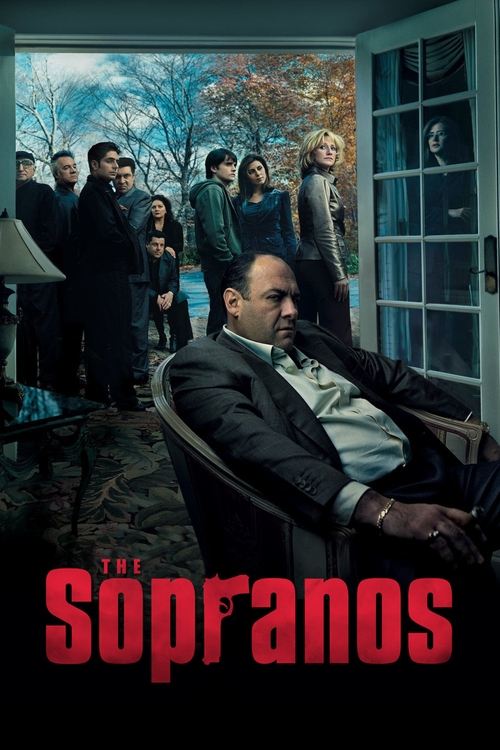
1. The Sopranos
This was the game-changer, dropping us into Tony’s head, blurring lines between good and bad. HBO went all in on the anti-hero, proving television could be as complex and character-driven as any film. Its serialized storytelling demanded attention, building a world that felt lived-in and dangerous, setting the bar for cable dramas and showing what true prestige TV could be. You had to watch.
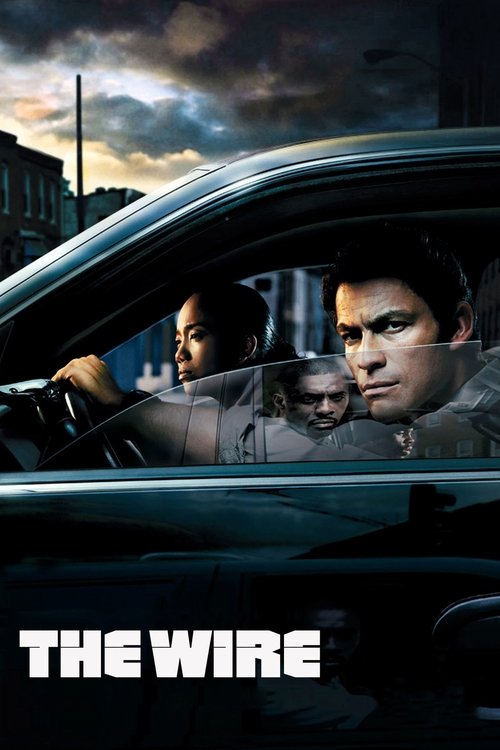
2. The Wire
Forget procedural, this was novelistic television, each season a deep dive into a different Baltimore institution. It wasn't about heroes, but systems, showcasing an ensemble so vast and interconnected it felt real. HBO allowed for that slow burn, that patient unraveling of societal rot, forcing viewers to engage with something far more ambitious than network fare. It redefined what a crime drama could aspire to be.

3. Six Feet Under
This show tackled mortality with an unflinching, darkly comedic grace, season after season. The Fisher family's dynamics and their morbid profession offered a unique lens into life, death, and dysfunction. HBO again, pushing boundaries, allowing these deep, character-driven arcs to unfold, proving that audiences were ready for emotionally raw, serialized storytelling that didn't always offer easy answers. It was heavy, but you couldn't look away.
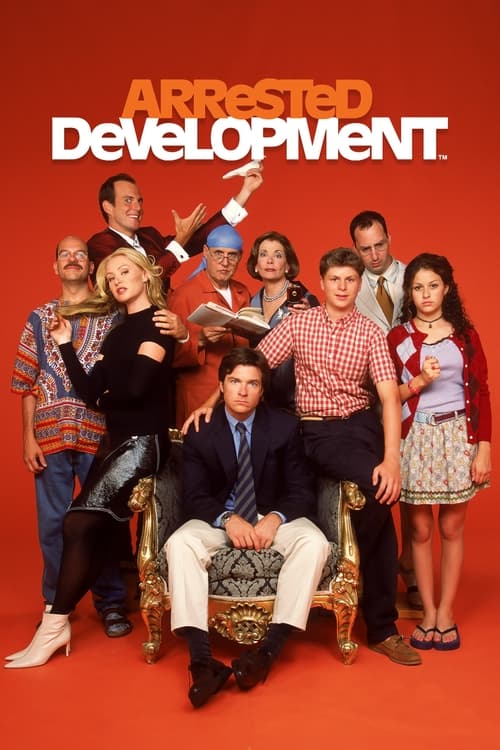
4. Arrested Development
This was a sitcom that thought it was a puzzle, loaded with meta-humor, callbacks, and a narrative density that rewarded repeat viewing. Its mockumentary style felt fresh, breaking the fourth wall and playing with audience expectations. Fox, surprisingly, let it get away with this high-concept brilliance, proving that even network comedies could innovate and build complex, serialized jokes across seasons. It was ahead of its time, no doubt.
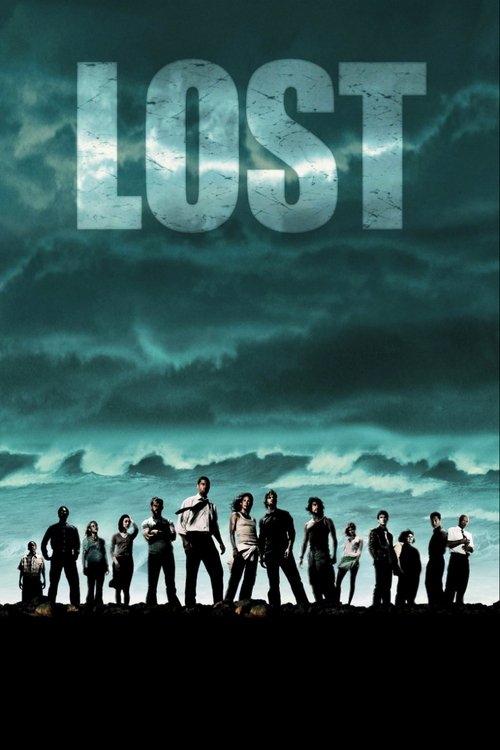
5. Lost
This show blew up the idea of episodic television. Its serialized mysteries, flashback structure, and massive ensemble cast hooked you weekly, sparking water cooler debates and early online fan theories. ABC bet big on this cinematic, high-concept sci-fi drama, proving that network TV could still deliver epic, serialized narratives that felt like event television, even if the ending left folks scratching their heads. The journey was the thing.
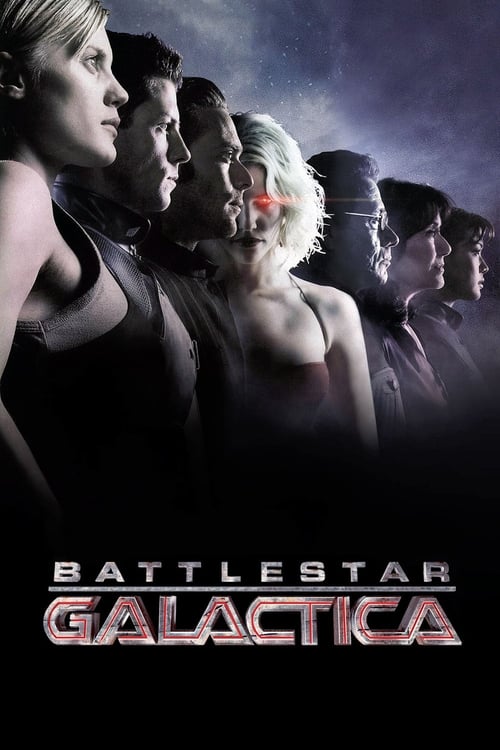
6. Battlestar Galactica
Don't let the sci-fi label fool you; this was a gritty, serialized drama about survival, faith, and humanity. It took a cheesy premise and turned it into prestige television, with complex characters and moral ambiguities. Sci-Fi Channel (now Syfy) allowed this dark, intense vision to flourish, showing that genre television could tackle profound themes with cinematic scope, pushing storytelling boundaries far beyond laser blasts. It was unexpectedly brilliant.
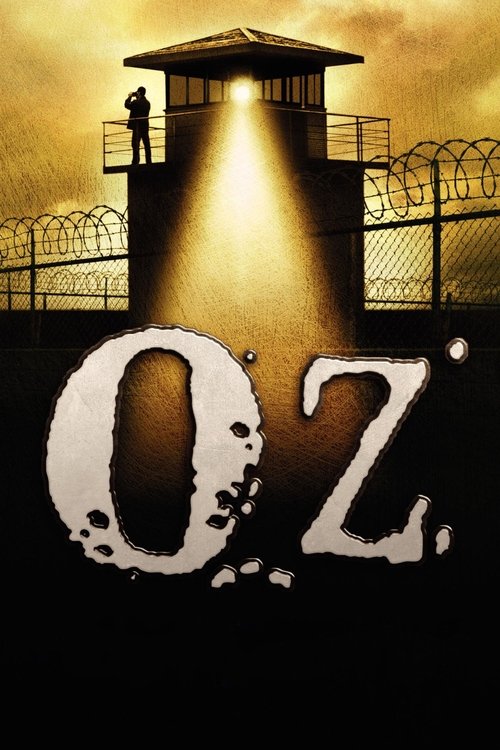
7. Oz
Before Tony Soprano, there was Emerald City. HBO’s first hour-long drama was brutal, uncompromising, and serialized, dropping viewers into a confined, dangerous world. It was a raw, ensemble-driven look at prison life, pushing limits on violence, sexuality, and moral ambiguity on television long before others dared. It set the stage for HBO’s risk-taking, proving audiences would follow compelling characters into truly dark places. A foundational piece.
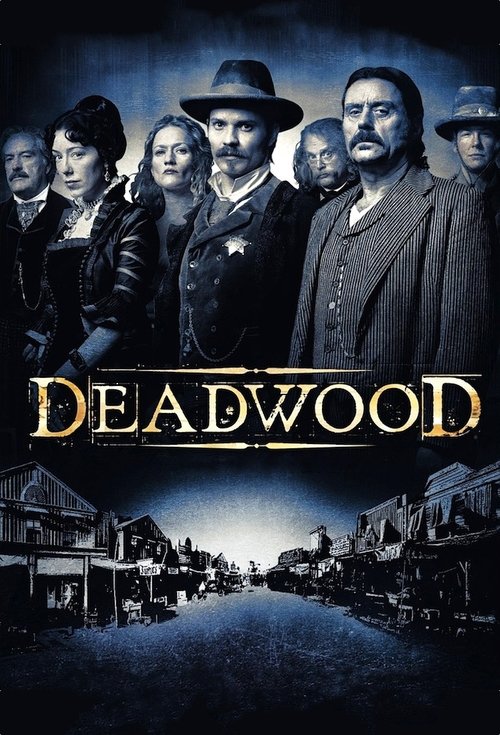
8. Deadwood
HBO again, delivering historical drama with a profane, poetic punch. This was cinematic TV with a capital C, from its dialogue to its dusty, authentic production design. The ensemble cast was sprawling, each character a vibrant piece of a brutal, evolving frontier town. It showed that period pieces could be gritty, morally complex, and absolutely fearless in their language and storytelling. A masterclass in character and atmosphere.
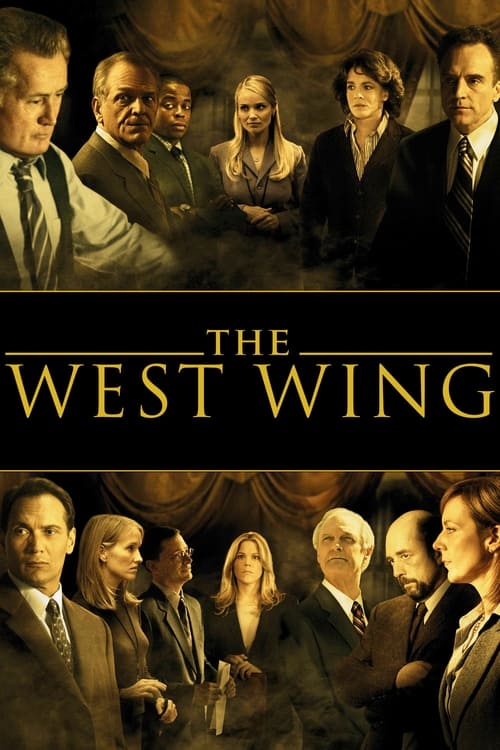
9. The West Wing
Aaron Sorkin’s rapid-fire dialogue and walk-and-talks made politics feel thrilling, idealistic, and deeply human. This show proved network television could deliver intelligent, serialized drama with an expansive ensemble cast tackling complex issues weekly. It elevated the political drama genre, making viewers care deeply about policy and procedure, demonstrating that smart writing and strong characters could make even C-SPAN feel like a blockbuster.
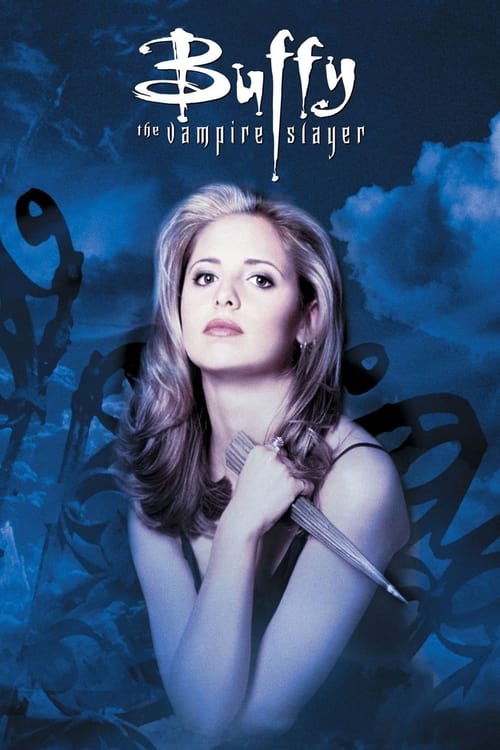
10. Buffy the Vampire Slayer
Beneath the monster-of-the-week format lay deeply serialized character arcs, emotional depth, and genre-bending storytelling. It showed that a seemingly teen-focused show could evolve into a mature, complex drama, proving that genre TV could be smart, feminist, and emotionally resonant. The WB allowed it to grow, fostering a loyal fanbase and showing how long-form character development could elevate even fantastical premises.

11. ER
This show redefined the medical drama with its fast-paced, cinematic style, handheld cameras, and complex, serialized character lives. It felt immediate, chaotic, and utterly immersive, pushing network television's boundaries for realism and emotional intensity. Its massive ensemble juggled multiple storylines, making you invest in every doctor and patient, proving that mainstream TV could deliver high-stakes, dramatic realism week after week. It was groundbreaking.