1. Max Headroom
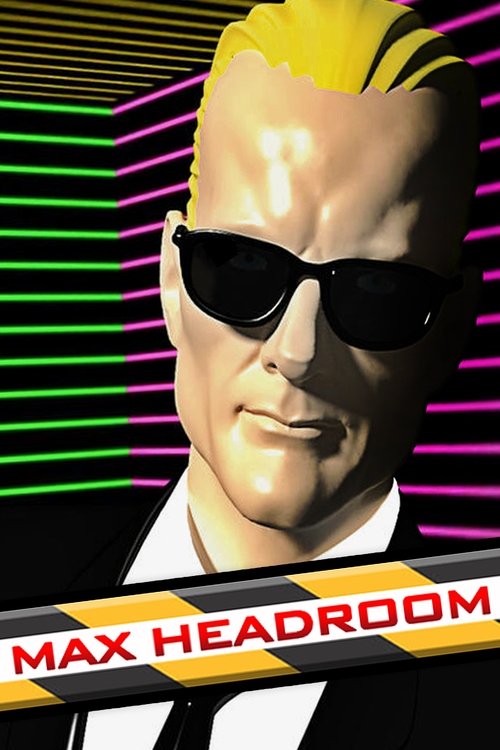
That glitchy, stuttering talking head was everything. Max Headroom wasn't just some character; he was a whole aesthetic, a warning. This 1987 show captured the dread of information overload, the neon-soaked grime of a corporate future, with practical effects that still feel more real than any CGI. It was punk rock TV, satirizing media itself while becoming a media icon. Seriously, watch it again. It's still asking the right questions, just with more static.
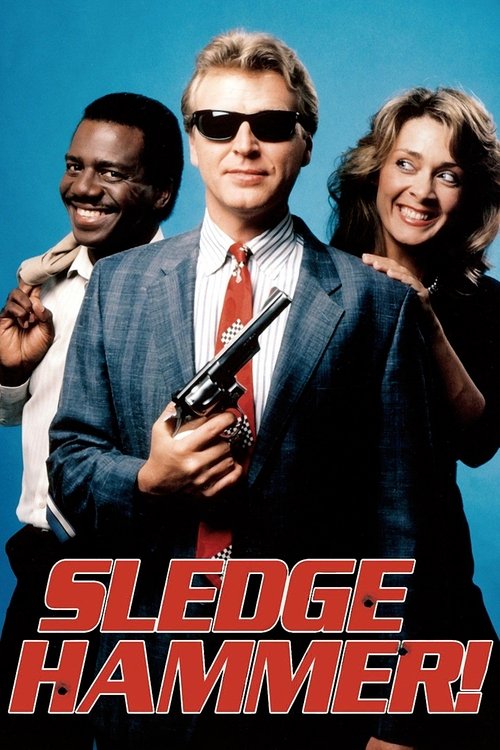
2. Sledge Hammer!
You want anti-hero? Sledge Hammer was blowing stuff up and breaking rules before it was cool. This 1986 gem was a brilliant, cynical parody of every cop show cliché, cranked up to eleven. His magnum was his best friend, and his catchphrase was legendary. It was smart, subversive, and totally unhinged, proving that sometimes the best way to critique something is to embrace its absurdity with a giant, destructive grin. Pure, unadulterated chaos.
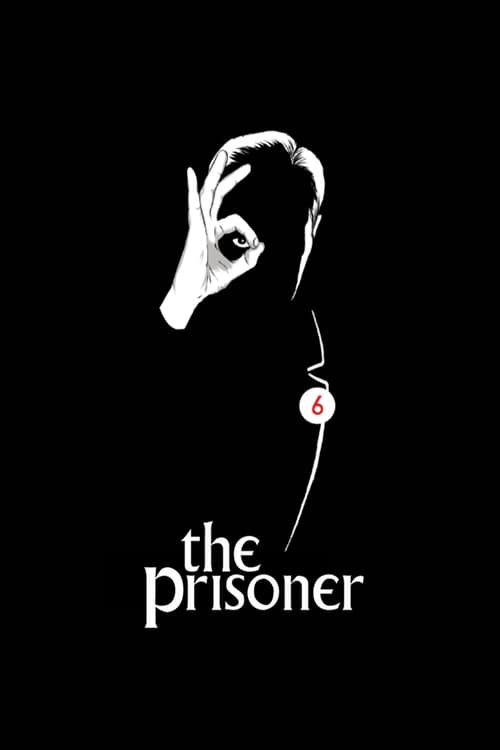
3. The Prisoner
Okay, so this one's a bit earlier, but its influence on 80s/90s cult TV is undeniable. The 1967 "The Prisoner" was a masterclass in paranoia, a Kafkaesque nightmare wrapped in a stylish, British package. Number Six, The Village, the baffling mystery – it was pure, unadulterated surrealism. Every episode felt like a fever dream, questioning identity and freedom long before it became a pop culture trope. And that giant white ball, Rover? Still gives me the creeps.
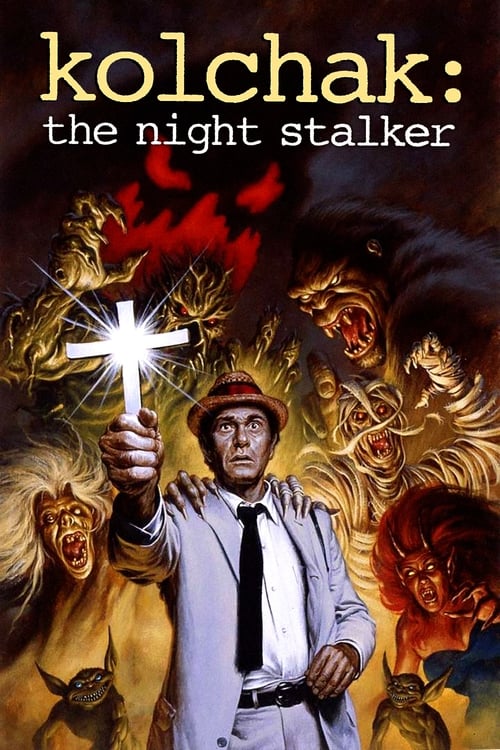
4. Kolchak: The Night Stalker
Before Mulder and Scully, there was Kolchak, stumbling through the shadows with a camera and a crumpled suit. This 1974 series was the OG monster-of-the-week, blending noir-ish mystery with genuine supernatural scares. Darren McGavin's portrayal of the cynical, beleaguered reporter was iconic. It wasn't flashy, just genuinely creepy, with practical effects that let your imagination do the heavy lifting. A moody, atmospheric blueprint for everything that came after.
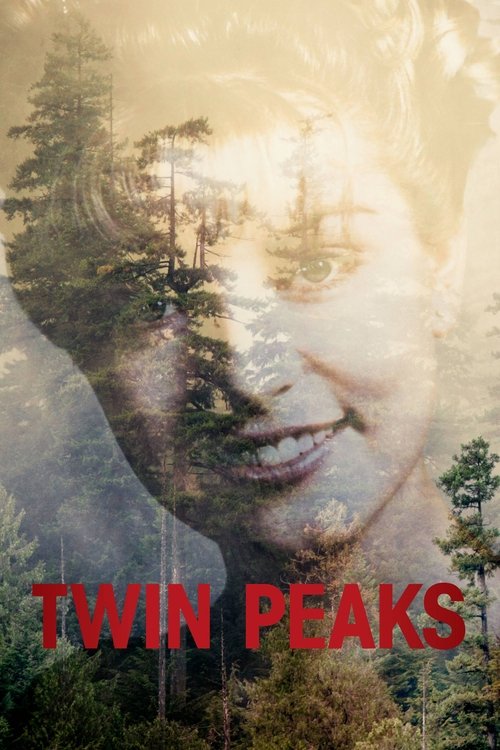
5. Twin Peaks
And then Lynch blew up the television rulebook in 1990. "Twin Peaks" wasn't just a mystery; it was an experience. The coffee, the cherry pie, the red room, the Log Lady – it mashed up soap opera melodrama with existential dread and avant-garde weirdness. This show proved TV could be art, could be unsettling, could make you care about plastic-wrapped girls and dancing dwarves. It changed everything for what cult TV could be.

6. The Adventures of Pete & Pete
Nickelodeon wasn't just cartoons; it had "Pete & Pete," and man, that show was something else. From 1993, it bottled up the weirdness of growing up in suburbia, but with a surreal, indie-rock twist. Artie, the strongest man in the world, a tattoo that told the future – it was pure, unadulterated, quirky magic. It felt like your own childhood memories, but if your childhood was directed by a bunch of cool indie filmmakers.
7. Millennium
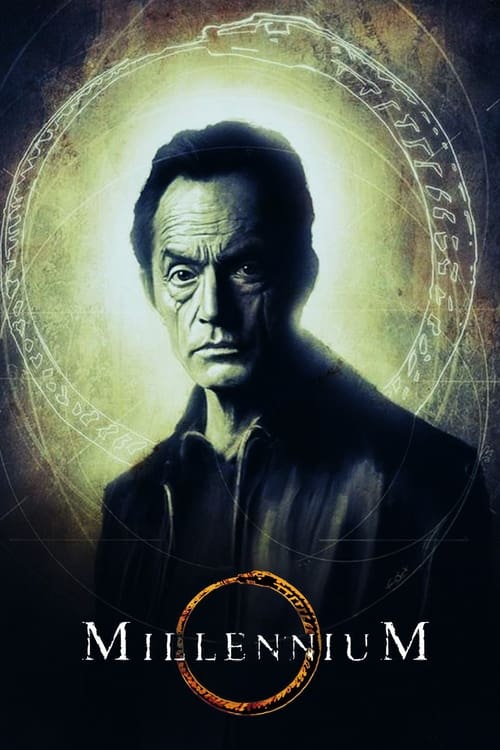
Chris Carter followed up "The X-Files" with this absolute gut-punch in 1996. "Millennium" was bleak, man. Like, truly, deeply bleak. It dove headfirst into serial killers, cults, and the creeping dread of the approaching new millennium, all wrapped in a rain-soaked, perpetually dark Pacific Northwest. Lance Henriksen's Frank Black saw the evil, and it saw him right back. It was a dark, gritty, psychological horror that left you feeling profoundly disturbed, in the best way.
8. Eerie, Indiana
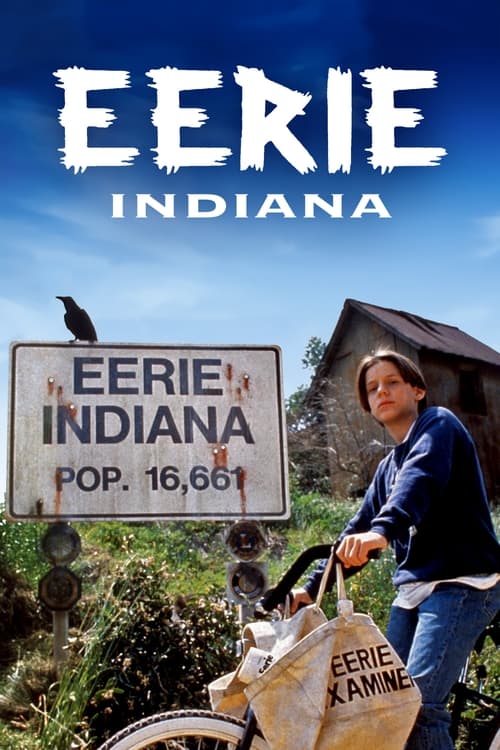
Before "Stranger Things," there was "Eerie, Indiana" in 1991, showing kids that their hometowns were probably hiding something seriously messed up. Simon and Marshall stumbled through a world of living mannequins, Elvis sightings, and Tupperware parties that were actually cult rituals. It was genuinely creepy, genuinely funny, and packed with that specific brand of suburban surrealism that felt totally unique for a kids' show. A hidden gem, for sure.

9. The Hitchhiker's Guide to the Galaxy
The 1981 BBC adaptation of "Hitchhiker's" was a low-budget marvel of dry wit and cosmic absurdity. Forget the big-budget movies; this was the real deal. With its lo-fi visual effects, deadpan humor, and philosophical musings on the meaning of life, it felt like an extended Monty Python sketch in space. It proved you don't need fancy CGI when you've got brilliant writing and a whale falling from the sky. Don't panic.
10. The Outer Limits
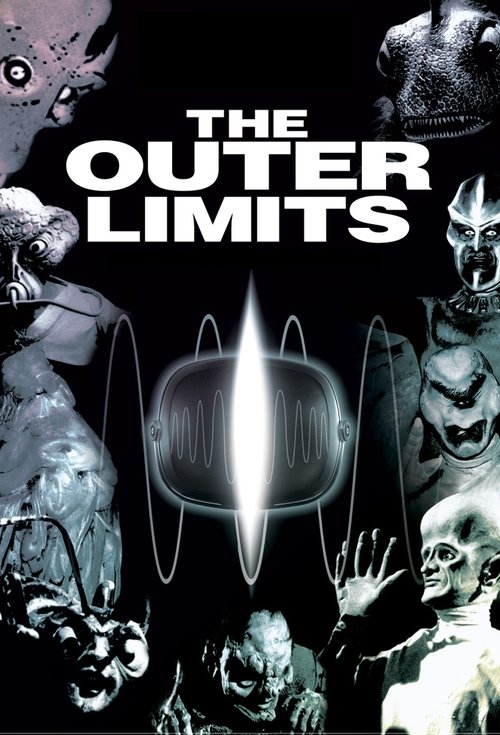
While "Twilight Zone" got the glory, "The Outer Limits" (1963 version) often went darker, weirder, and more purely sci-fi. Those opening narrations promised control over your television, and then it delivered with stunning practical creature effects and mind-bending concepts. It wasn't just about twists; it was about confronting humanity's fears through alien encounters and technological nightmares. A truly influential piece of unsettling, speculative fiction. "There is nothing wrong with your television set."
11. Starman
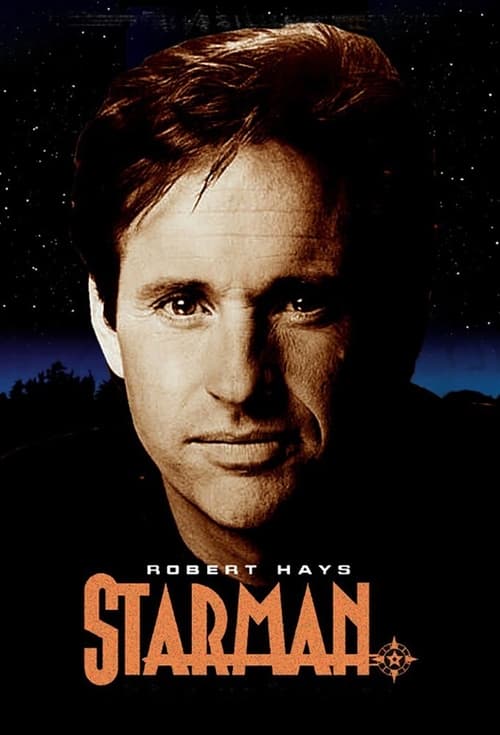
Remember the movie? The 1986 TV series "Starman" picked up years later, with Jeff Bridges' character now played by Robert Hays, trying to reconnect with his son. It was a gentler kind of sci-fi, more about human connection and discovery than space battles. They were always on the run, helping people, trying to find their way home. A truly underrated, episodic road trip that combined heartwarming moments with classic alien-on-Earth tropes. Sweet, even for a rebel.
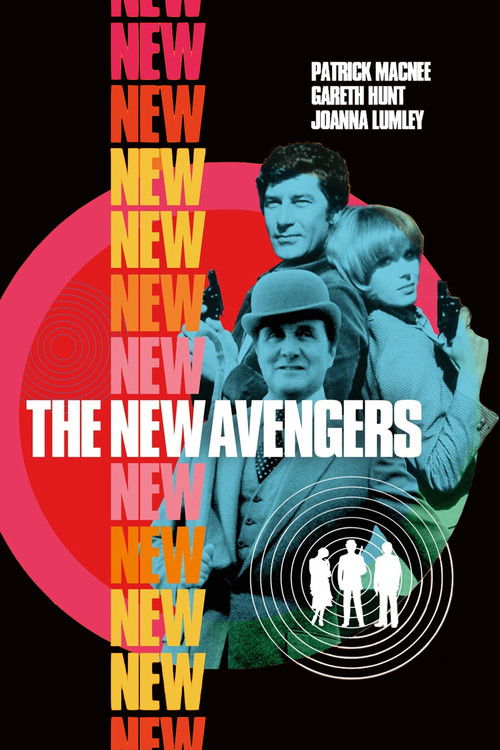
12. The New Avengers
Steed, Purdey, and Gambit – "The New Avengers" (1976) brought back the iconic spy-fi flair, but with a definite 70s edge. It was stylish, a bit campy, and packed with over-the-top action and quirky British charm. Think exotic villains, improbable gadgets, and a fantastic theme tune. It leaned into the absurd, delivering pulp adventure with a wink, proving that espionage didn't always need to be grim to be cool. Pure escapism, with a touch of class.