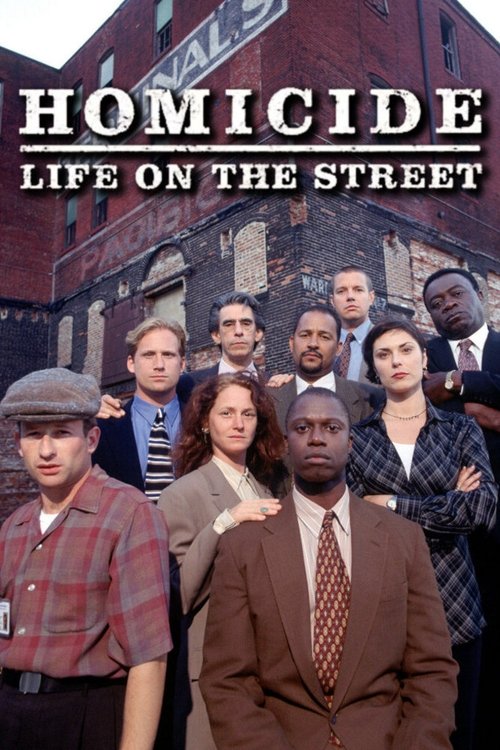
1. Homicide: Life on the Street
Before every cop show wanted to be "gritty," there was *Homicide*. Barry Levinson and Tom Fontana truly broke the mold, proving network TV could deliver serialized, character-driven drama. Its handheld camera work and overlapping dialogue felt raw, almost documentary-like, pulling you deep into the bullpen's claustrophobic intensity. This wasn't just solving cases; it was about the psychological toll, the moral ambiguities. A true precursor to cable's later triumphs, showing what was possible when risks were taken.
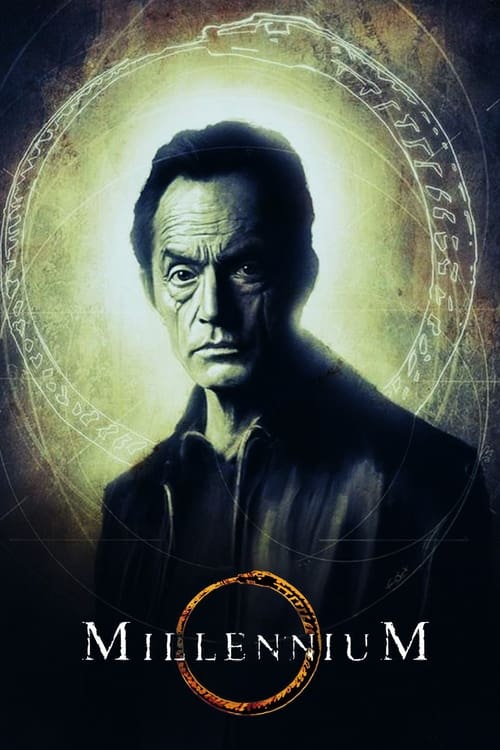
2. Millennium
Chris Carter, post-X-Files, went dark. Really dark. *Millennium* wasn't about aliens; it was about the abyss within humanity, viewed through the eyes of Frank Black. It was relentlessly bleak, atmospheric, and often disturbing, pushing the boundaries of what network television would allow. This show practically invented the "mood piece" for serialized drama, feeling more like a grim indie film series than a weekly procedural. It demanded your attention, and often your sanity. Underrated for its psychological depth and daring tone.
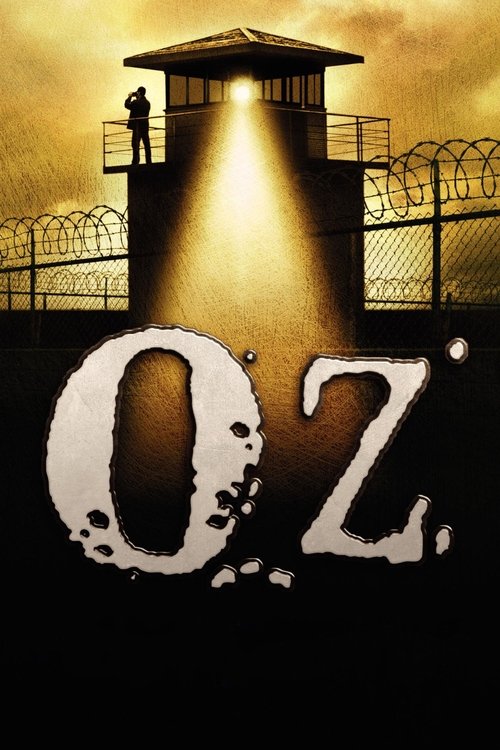
3. Oz
HBO's first hour-long drama, and boy, did it announce cable's arrival with a brutal roar. *Oz* wasn't just a prison show; it was a societal microcosm, a raw, uncompromising look at human nature under extreme duress. Its serialized narrative, morally gray characters, and unflinching violence were revolutionary for television. This was appointment viewing, often uncomfortable, but impossible to ignore. It proved that audiences were hungry for complex, adult storytelling, setting the stage for everything HBO would become. Pure, unadulterated risk-taking.

4. Six Feet Under
Before everyone was binging, *Six Feet Under* offered a serialized family drama centered on death, yet overflowing with life. Alan Ball crafted a world that was darkly humorous, deeply emotional, and profoundly human. The Fishers weren't just characters; they felt like real, messed-up people you'd sit down with every Sunday. Its blend of the mundane and the surreal, coupled with those iconic opening death scenes, redefined what a family show could be. A masterclass in character development and long-form storytelling.
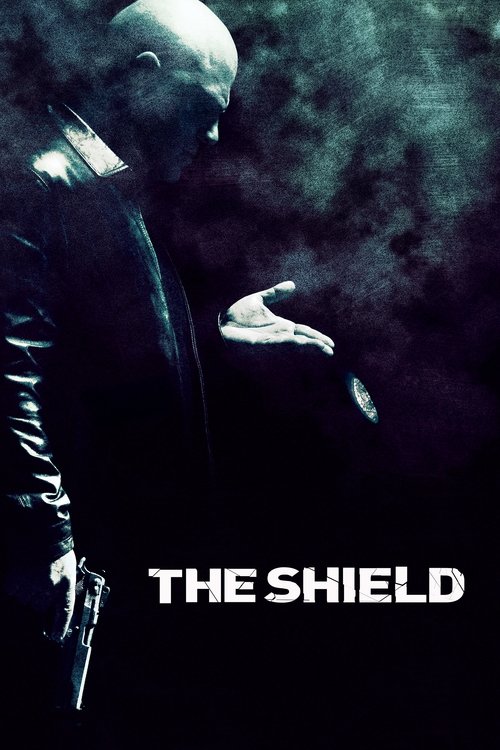
5. The Shield
FX threw down the gauntlet with *The Shield*, giving us Vic Mackey, the anti-hero before anti-heroes were a trope. This show was a visceral gut-punch, showcasing corrupt cops in a serialized narrative that constantly ratcheted up the tension. It was raw, unflinching, and unapologetically adult, pushing the boundaries of what cable could broadcast. It wasn't just good; it was revolutionary, proving that a lesser-known network could produce prestige drama that challenged and provoked, laying groundwork for future cable giants.
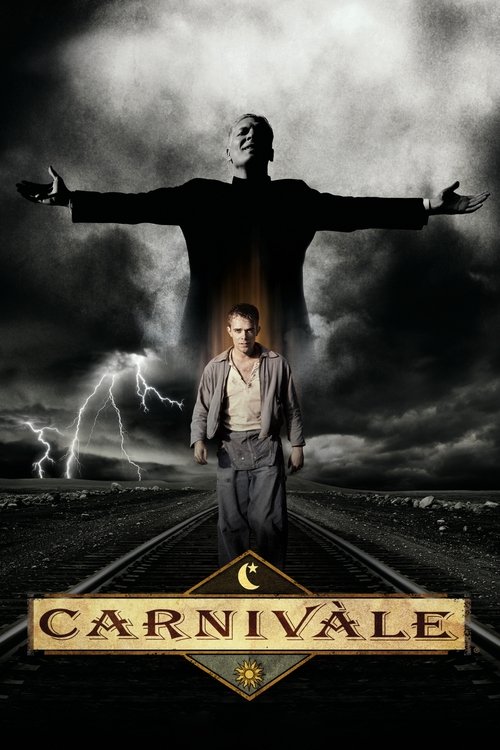
6. Carnivàle
*Carnivàle* was an HBO fever dream, a grand, ambitious epic that felt unlike anything else on television. Its Depression-era setting, mystical undertones, and stunning cinematography created an unparalleled atmosphere. This wasn't a show you just watched; you immersed yourself in its dense mythology and surreal characters. Though its abrupt cancellation remains a sore spot, it demonstrated television's growing capacity for cinematic scope and serialized storytelling that demanded patience and rewarded deep engagement. A bold, beautiful, and baffling experiment.
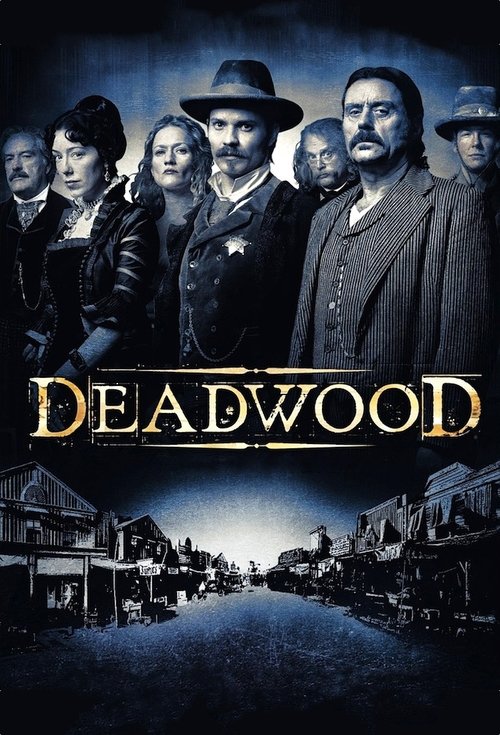
7. Deadwood
David Milch rewrote the rules of historical drama with *Deadwood*. This wasn't a clean, romanticized Western; it was a filthy, profane, and incredibly poetic exploration of civilization's brutal birth. Its dense, Shakespearean dialogue and sprawling ensemble cast demanded attention, rewarding viewers with unparalleled character depth. Every episode felt like a miniature film, a testament to television's burgeoning cinematic aspirations. It proved that intelligent writing, even laced with expletives, could elevate the medium to art.
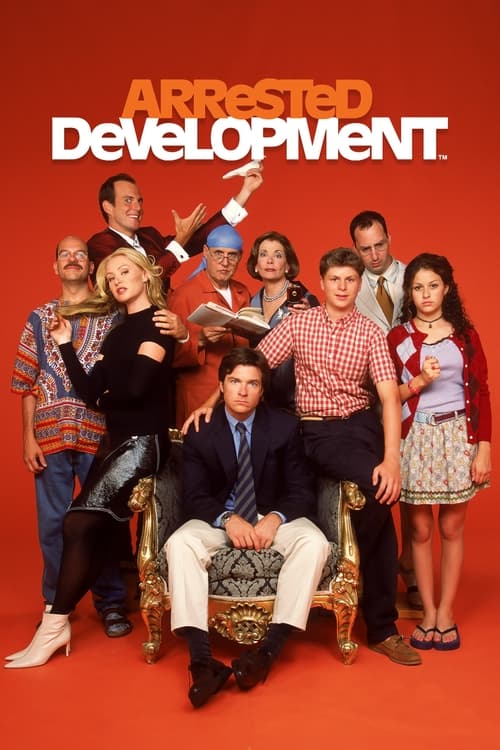
8. Arrested Development
*Arrested Development* wasn't just a sitcom; it was a comedic masterpiece, ahead of its time with its intricate, serialized gags and mockumentary style. It demanded re-watching, rewarding viewers with layers of callbacks and visual jokes that blew past the casual viewer. Fox didn't quite know what to do with it, but for those who "got it," it redefined what television comedy could be. Its meta-humor and innovative structure laid the groundwork for a whole generation of smart, serialized comedies.