1. Oz
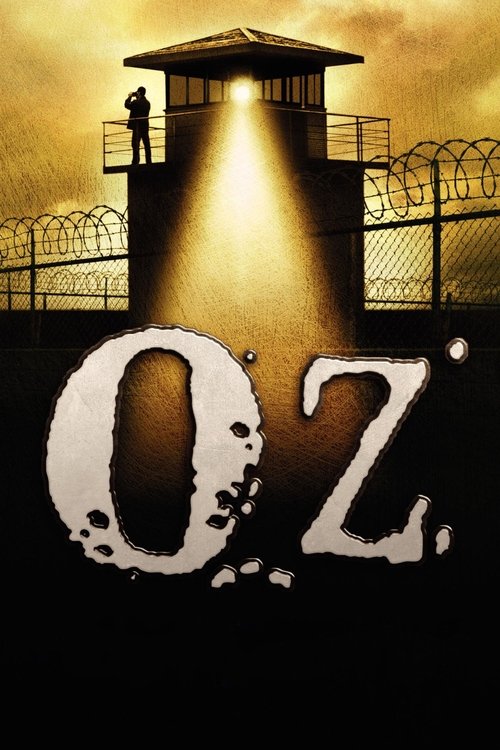
Before *The Sopranos*, *Oz* dropped like a shiv in the prison yard. HBO’s first hour-long drama, it didn't just push boundaries; it obliterated them. The serialized narrative, raw violence, and moral ambiguity weren't just for shock value; they were the point. It forced viewers into a grim, character-driven world, showing what cable could really do when freed from network constraints. This was deep, dark, and utterly unapologetic storytelling that demanded your attention week after week.

2. The Office
The original UK *Office* wasn't just a sitcom; it was a masterclass in cringe-comedy and mockumentary realism. Ricky Gervais and Stephen Merchant pioneered a style that felt uncomfortably authentic, setting the stage for a new wave of television. Its short runs and contained arcs made it perfectly digestible for early DVD binges, laying groundwork for how we'd later consume serialized comedy. This was revolutionary, showing mundane life could be hilarious and deeply unsettling.
3. Six Feet Under
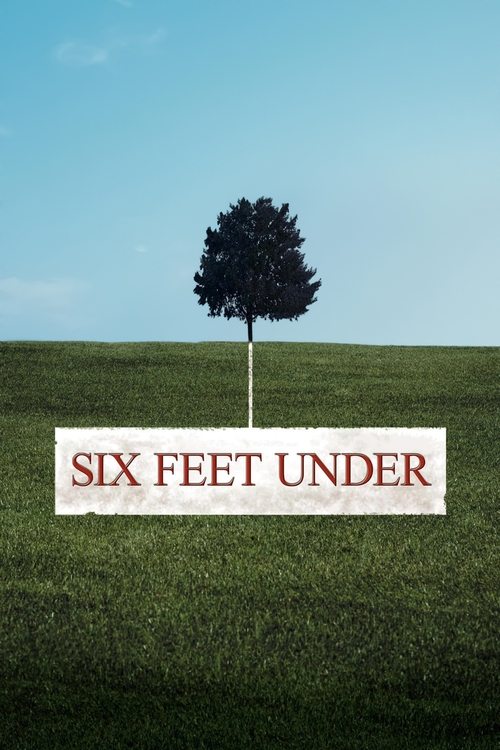
Alan Ball’s *Six Feet Under* dug into the macabre, using death as a lens to explore life, family, and existential dread. Each episode started with a death, but the real story was the Fisher family navigating their own messy lives. It was an intimate, character-driven ensemble piece, serialized to perfection, proving that cable could tackle profound themes with a cinematic grace networks wouldn't dare touch. Emotionally complex and truly unique television.
4. The Wire
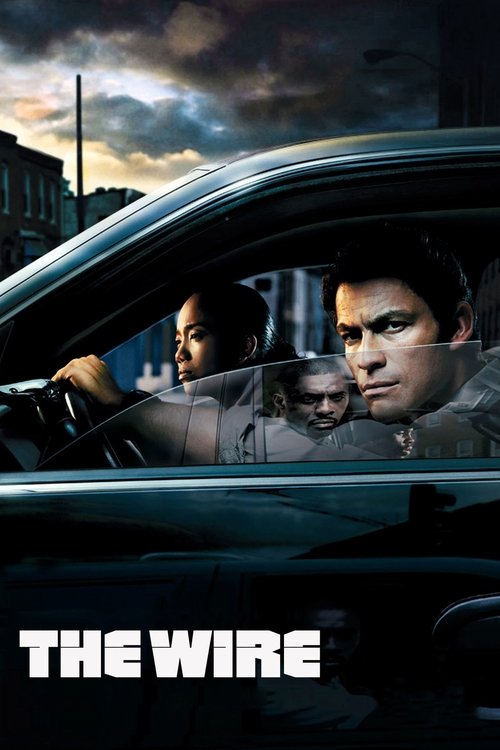
*The Wire* wasn't just a cop show; it was a sprawling, novelistic examination of urban decay and institutional failure. David Simon and Ed Burns crafted an unparalleled serialized narrative that demanded attention, building a world layer by layer. Its ensemble cast and unflinching realism elevated television beyond mere entertainment, showing the medium's capacity for profound social commentary. This was TV as literature, setting a new benchmark for storytelling ambition and depth.
5. Arrested Development
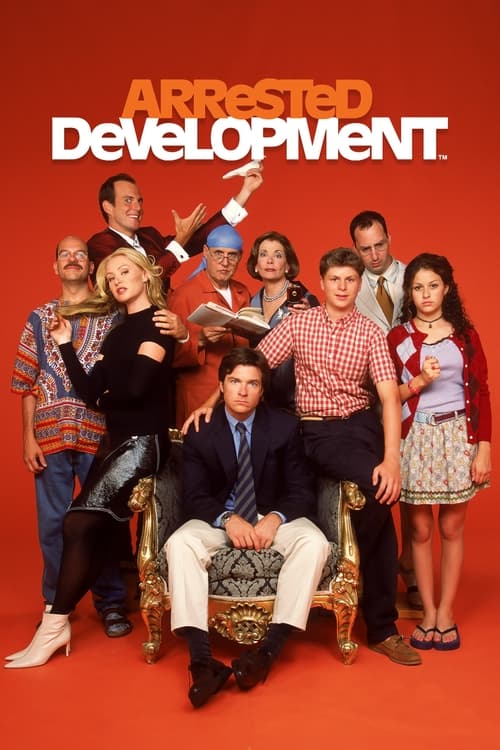
*Arrested Development* on Fox was a comedic anomaly, a meta-textual, deeply serialized sitcom that rewarded repeat viewings like no other. Its rapid-fire gags, running jokes, and intricate callbacks built a dense, hilarious universe. It felt ahead of its time, almost too smart for network TV, and its eventual Netflix revival underscored how perfectly suited its dense storytelling was for on-demand, bingeable consumption. Truly groundbreaking comedy.
6. Carnivàle
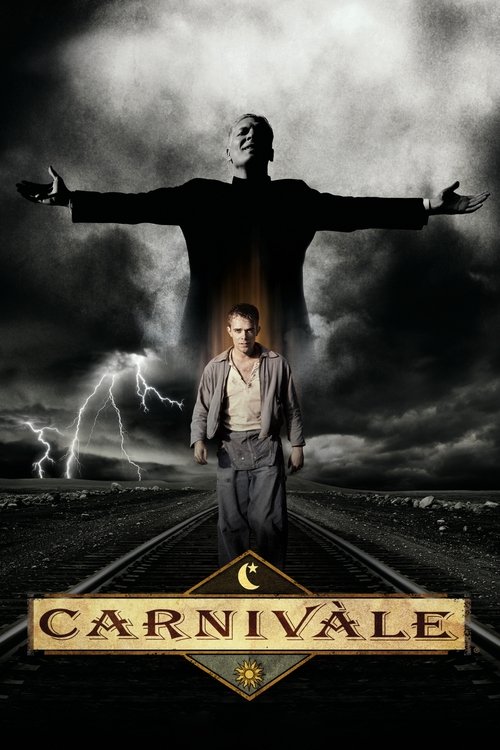
*Carnivàle* was HBO's visually stunning, profoundly ambitious gamble. Set during the Dust Bowl, its dark, surreal narrative and sprawling mythology felt like nothing else on television. It pushed cinematic boundaries for the small screen, with intricate period detail and a serialized mystery that hinted at epic scope. Though cut short, it exemplified cable's willingness to invest heavily in unique, challenging, and high-concept storytelling. Pure, atmospheric risk-taking.