
1 / 9

1. Sextant
This 1973 fusion odyssey demonstrates Hancock's formidable command of nascent analog synthesis. He wielded the Moog, ARP, and Mellotron not as novelties, but as integral voices within complex, funk-infused rhythmic structures. The album's dense textures and otherworldly soundscapes were meticulously crafted in the pre-digital studio, pushing jazz's boundaries into truly electronic, psychedelic territory. It's a masterclass in sonic architecture, laying groundwork for future electro-funk.
2 / 9

2. Tago Mago (40th Anniversary Edition)
While a later edition, its essence remains the groundbreaking 1971 original. Can's *Tago Mago* is a sprawling krautrock epic, a testament to spontaneous composition and Jaki Liebezeit's hypnotic motorik drumming. Damo Suzuki's shamanistic vocals intertwined with tape loops and psychedelic guitars, all captured raw in a former cinema. This double LP wasn't merely experimental; it redefined rock's rhythmic and structural possibilities within the analog domain, influencing generations.
3 / 9
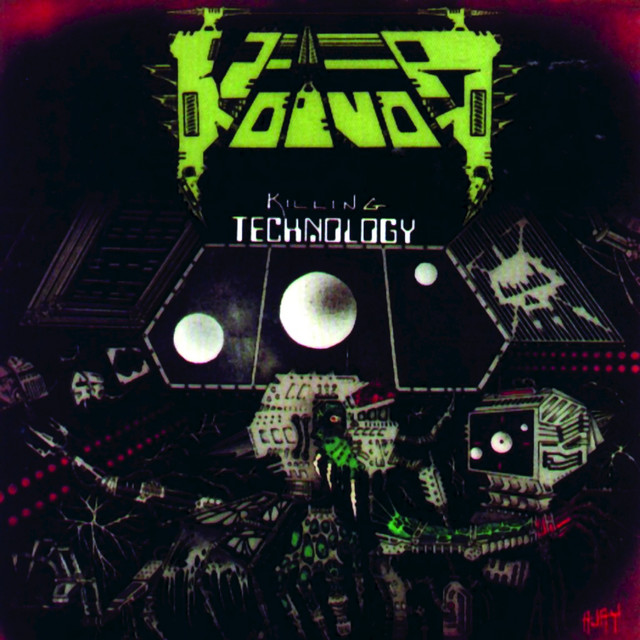
3. Killing Technology
Voivod's 1987 offering was a stark, angular revelation in metal. They fused thrash's aggression with genuinely progressive structures and dissonant, almost industrial riffing. Piggy's unique guitar harmonics and Away's intricate drumming created a distinctly mechanical, sci-fi soundscape. Recorded with pre-digital precision, its cold, precise production accentuated the band's vision of a dystopian future, proving metal could be both brutal and intellectually challenging.
4 / 9
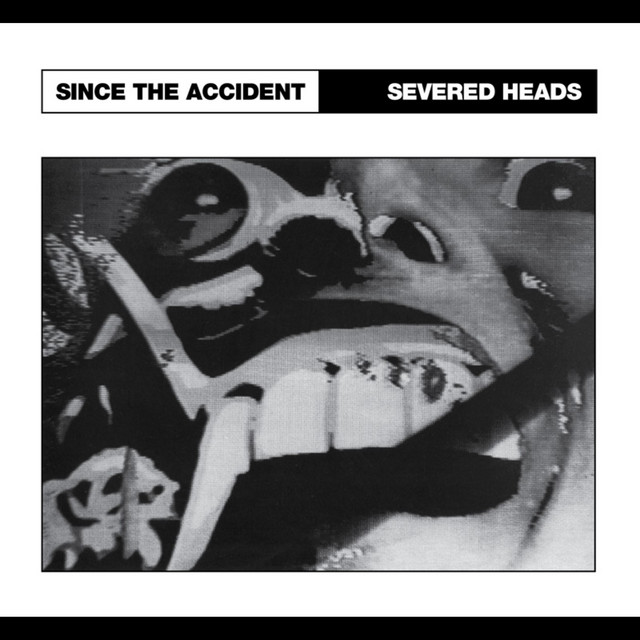
4. Since the Accident
This 1983 industrial electronic statement from Severed Heads was a triumph of lo-fi ingenuity. Utilizing crude sampling, tape loops, and raw analog synths, they sculpted abrasive, rhythmic collages that often felt like transmissions from a malfunctioning machine. The production, entirely pre-digital, embraced its limitations, turning glitches and noise into compositional elements. It’s an essential, grimy artifact of early industrial music, influencing coldwave and early techno.
5 / 9
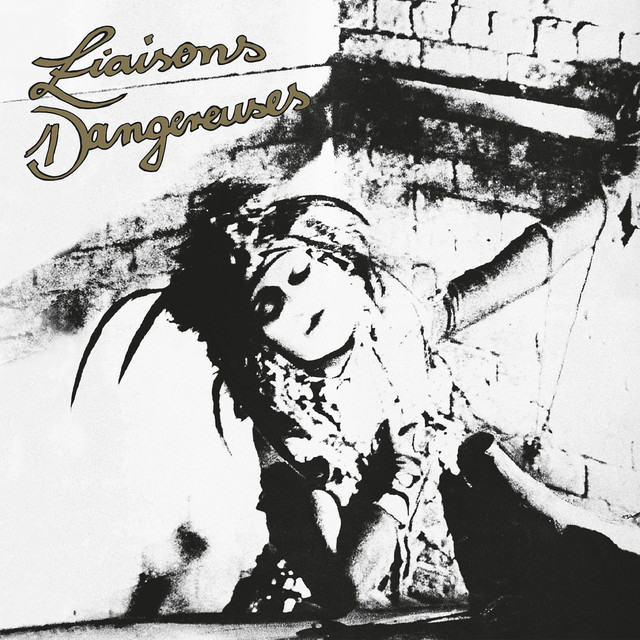
5. Liaisons Dangereuses
The self-titled 1981 LP is a foundational text for EBM and proto-techno. Its sparse, repetitive structures, driven by a Roland TR-808 and icy German vocals, were utterly alien yet profoundly danceable. This was coldwave stripped bare, focusing on minimal synth basslines and relentless drum machine patterns. Recorded in the nascent era of affordable electronic instruments, it demonstrated how stark analog precision could create an entirely new sonic language for the underground.
6 / 9
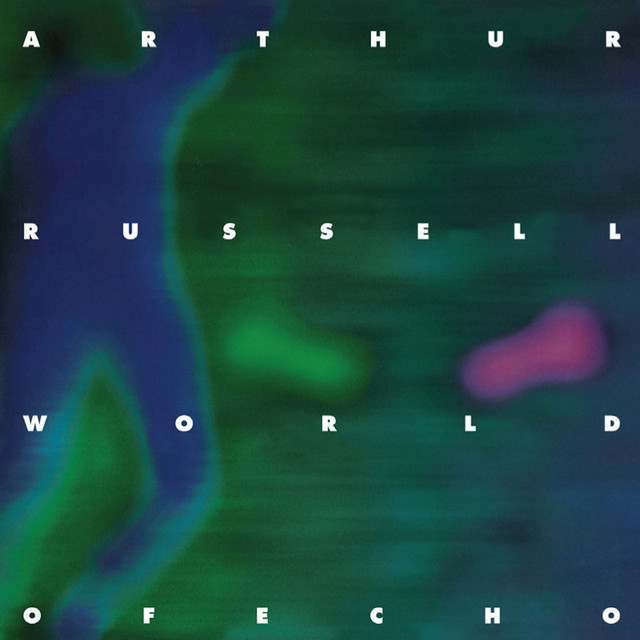
6. World Of Echo
Arthur Russell's 1986 masterpiece is an ethereal, deeply personal journey through cello and voice. Drenched in analog reverb and delay, the instrument's rich textures create vast, atmospheric spaces around his understated, almost whispered vocals. It's an intimate, avant-garde work that defies easy categorization, showcasing the expressive power of a single instrument and voice within a meticulously crafted, pre-digital ambient soundscape. Hauntingly beautiful.
7 / 9
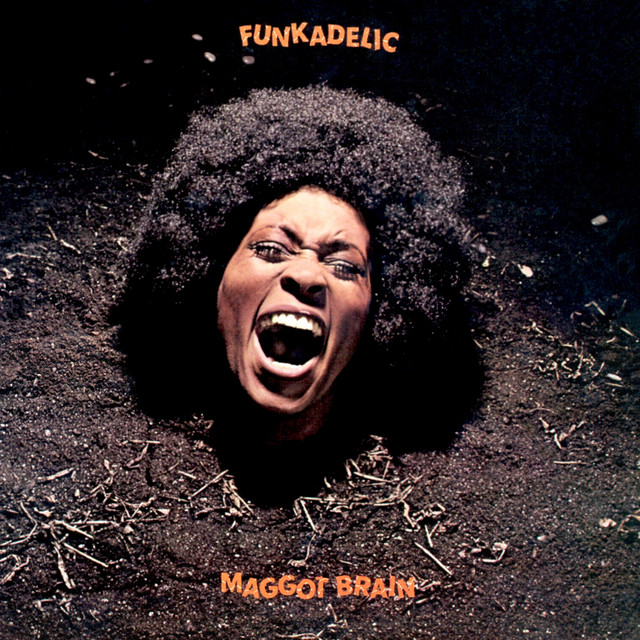
7. Maggot Brain
Funkadelic's 1971 opus is a psychedelic funk explosion, primarily remembered for Eddie Hazel's legendary, soul-searing guitar solo on the title track. But beyond that, the album is a raw, unhinged journey through P-Funk's early, experimental phase. George Clinton's vision, coupled with the band's deep grooves and analog studio wizardry, created a sound that was both heavy and deeply spiritual, pushing rock and funk into uncharted, cosmic territory.
8 / 9
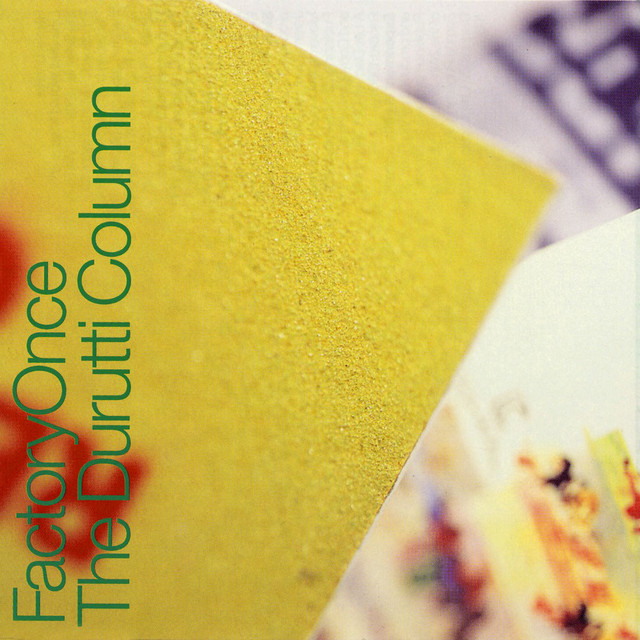
8. The Return of The Durutti Column
Vini Reilly's 1980 offering is a delicate, often melancholic counterpoint to post-punk's aggression. His distinctive, reverb-laden guitar work, backed by simple drum machine patterns (likely a Drumatix), created sparse, atmospheric instrumental pieces. Recorded for Factory Records, it emphasized texture and mood over conventional song structure, showcasing the beauty of analog minimalism and Reilly’s unique harmonic language in a pre-digital, understated elegance.
9 / 9
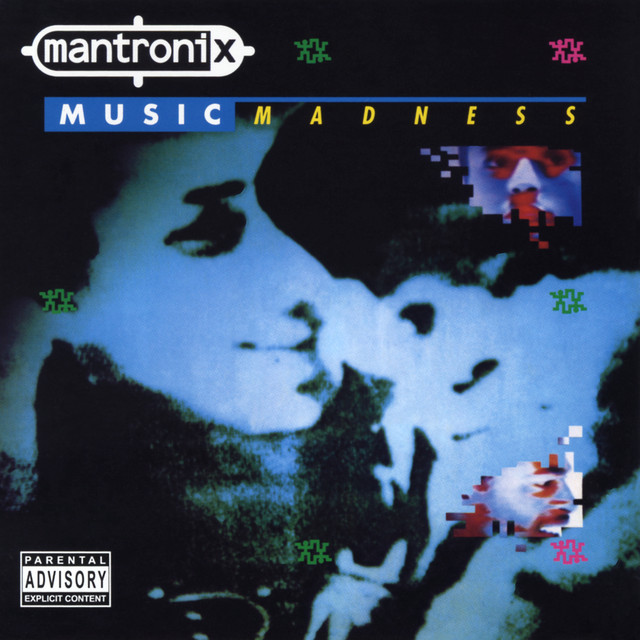
9. Music Madness
Egyptian Lover's 1985 album epitomizes West Coast electro-funk. Built almost entirely around the Roland TR-808, its infectious, minimal beats, squelchy basslines, and vocoder-laden vocals defined a burgeoning sound. This wasn't just party music; it was a testament to the power of analog drum machines and synthesizers to create complex, rhythmic narratives. It captured the raw energy of B-boy culture, pushing early rap and dance music forward.