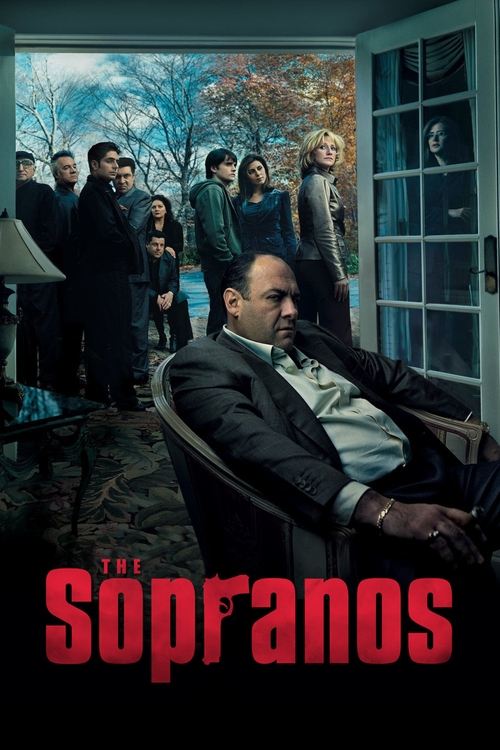
1. The Sopranos
Before Tony, TV protagonists weren't this deep, this morally gray, this... real. HBO took a massive gamble, letting serialized storytelling truly blossom, showing us the dark, messy interior of a mob boss and his family. It wasn't just violence; it was therapy sessions, existential dread, and a standard for complex character arcs that cable channels would chase for years. It proved that audiences craved long-form narratives with no easy answers, setting the stage for the anti-hero era.
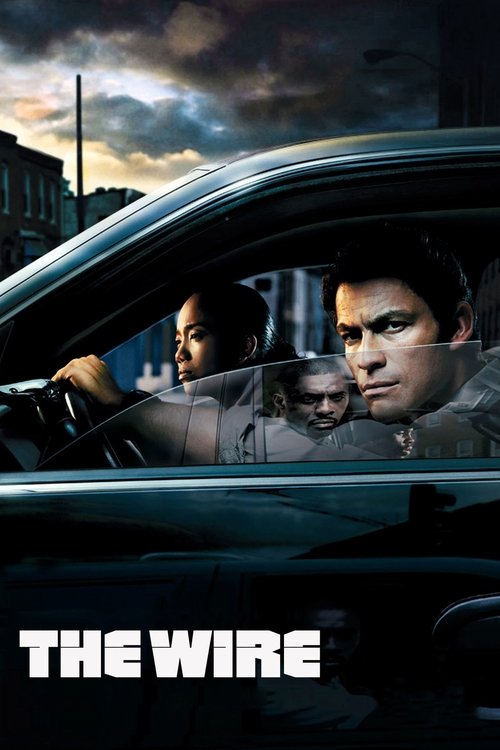
2. The Wire
David Simon built a universe, not just a show. Each season dissected a different institution in Baltimore – police, drugs, politics, schools – with an ensemble cast so vast and interconnected, it felt like a novel playing out on screen. It demanded attention, rewarding viewers who stuck with its slow-burn, gritty realism. This wasn't TV; it was sociological observation, shot with a cinematic eye, proving that serialized drama could be as dense and impactful as any film.
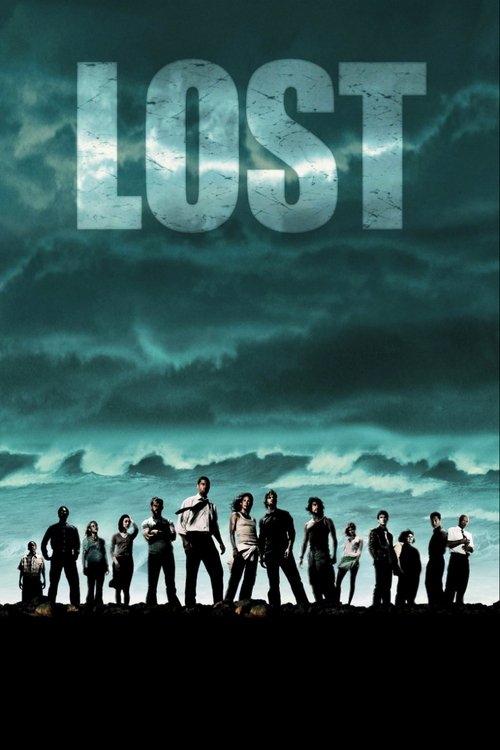
3. Lost
This show dropped a plane, then dropped our jaws for six years. *Lost* perfected the serialized mystery box, forcing viewers to tune in weekly, then re-watch on DVD or early streaming to piece together its intricate mythology. Its huge ensemble cast, flashbacks, and cinematic scope made it feel like a weekly movie event. It wasn't just water cooler talk; it was a global obsession, proving that complex, character-driven puzzles could captivate a massive audience.

4. ER
Before *ER*, medical dramas were pretty standard. Then came its frenetic pace, whip-pan camera work, and continuous, overlapping dialogue that felt like controlled chaos. It brought a cinematic energy to network television, presenting an ensemble cast juggling life, death, and personal drama in real-time. It practically invented the high-stakes, fast-moving procedural, making you feel the urgency and exhaustion right alongside the characters, setting a new bar for how intense TV could be.
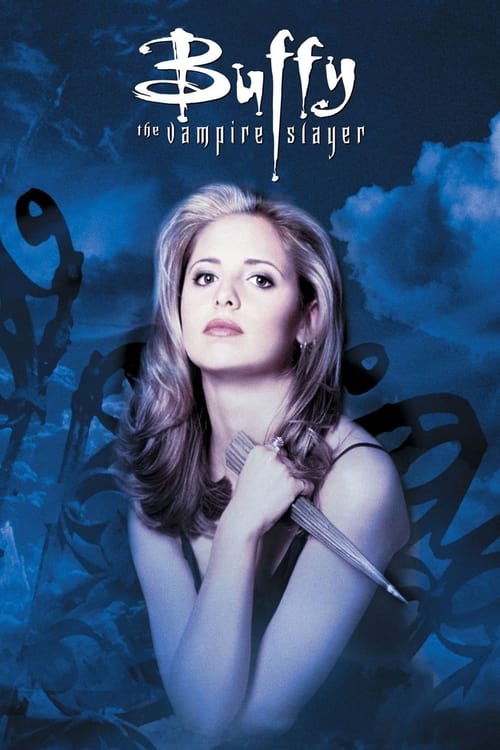
5. Buffy the Vampire Slayer
Don't let the title fool you; *Buffy* was a masterclass in serialized storytelling wrapped in monster-of-the-week clothes. It took teen angst seriously, using supernatural metaphors to explore real emotional arcs. Joss Whedon built a world where characters evolved dramatically over seasons, dealing with death, love, and destiny. It proved genre shows could be smart, funny, and deeply profound, cultivating a devoted following who devoured box sets long before streaming was commonplace.
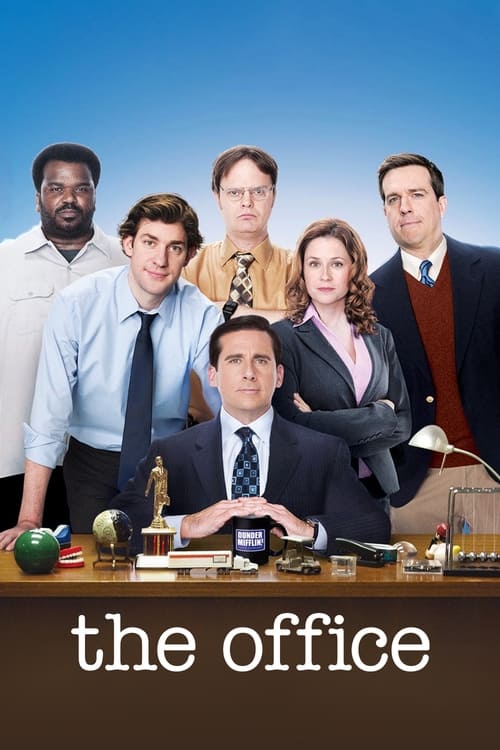
6. The Office
The American *Office* took the British cringe-comedy genius and built a warm, sprawling ensemble around it. Its mockumentary style wasn't just a gimmick; it was a window into the awkward, lovable, and utterly relatable absurdity of cubicle life. It proved that a comedy could be character-first, finding humor in the mundane and building genuine emotional connections with its quirky cast, setting a new standard for workplace sitcoms that felt surprisingly real.
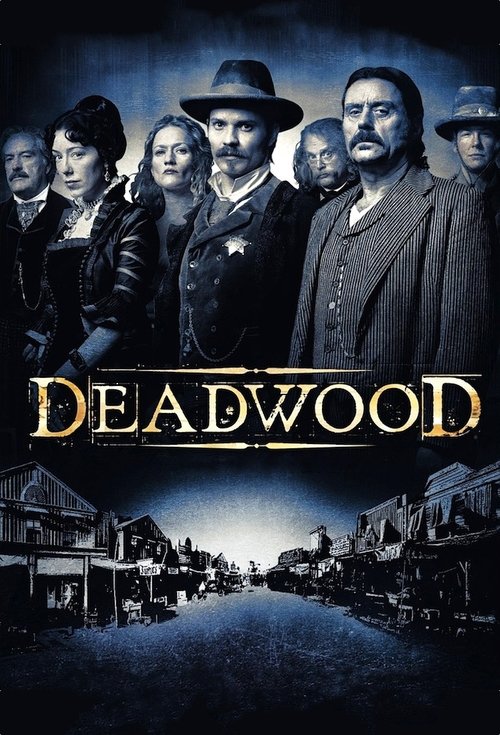
7. Deadwood
This was HBO at its most audacious. *Deadwood* wasn't just a Western; it was a Shakespearean epic drenched in mud and profanity. Its dense, anachronistic dialogue, stunning cinematic visuals, and sprawling ensemble cast redefined what a historical drama could be. It showcased the power of cable to deliver unflinching, complex narratives without network interference, painting a brutal, beautiful, and deeply serialized portrait of a nascent American society.

8. Six Feet Under
Alan Ball dared to make a show about a family running a funeral home, and it was glorious. *Six Feet Under* tackled mortality head-on, weaving complex family dynamics with deeply personal character arcs. Each episode started with a death, but it was about how the living dealt with it. This was peak HBO serialized drama, pushing boundaries with its raw emotional honesty and proving that cable could build an ensemble world as rich and compelling as any novel.
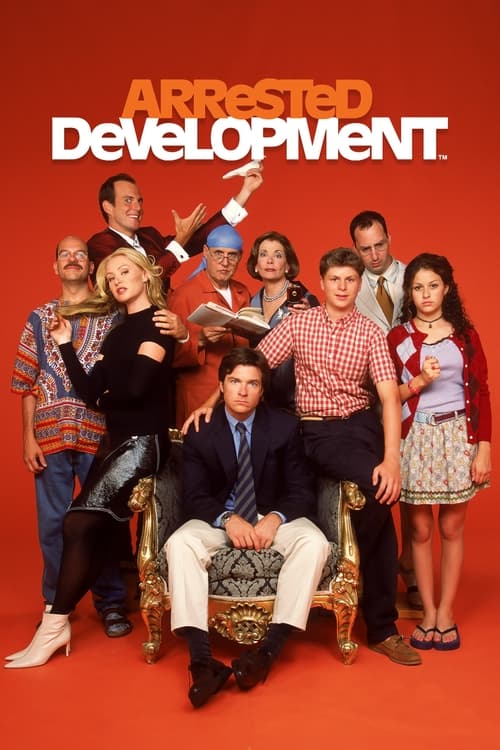
9. Arrested Development
Before *Arrested Development*, comedies didn't trust audiences to keep up with this level of intricate callbacks and self-referential jokes. Its rapid-fire dialogue, mockumentary style, and non-linear storytelling demanded repeat viewings, making it a cult favorite for DVD binges. It proved that a show could be incredibly smart, deeply satirical, and still hilarious, pioneering a dense, layered comedic style that was ahead of its time and influenced countless shows after it.