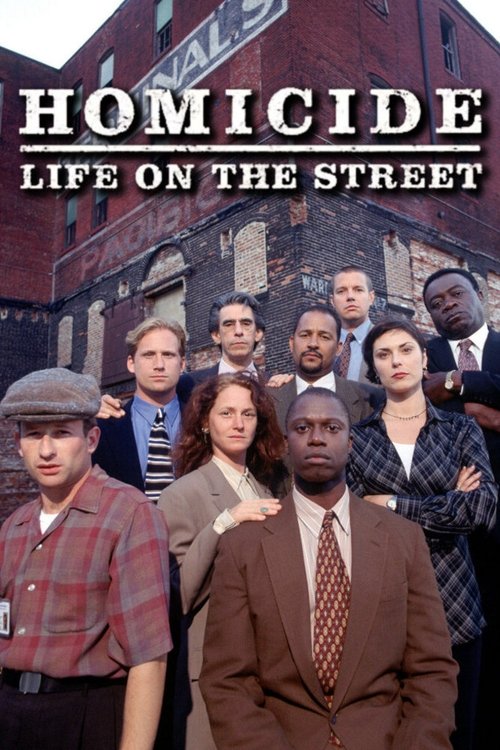
1. Homicide: Life on the Street
This show, man. Before everyone was talking about "prestige TV," *Homicide* was out there, doing it. Gritty, handheld cameras, the overlapping dialogue – it felt like you were right there in the precinct. It wasn't about neat case closures; it was about the grind, the toll, the deeply flawed people doing a tough job. The ensemble cast? Unbeatable. It showed you TV could be raw, intelligent, and didn't need to wrap everything up in a neat little bow every week. A true game-changer, laying groundwork for what was to come.

2. NewsRadio
In an era of canned laughter and broad setups, *NewsRadio* felt like a breath of fresh air. It was a whip-smart workplace comedy, dense with jokes and character quirks that rewarded repeat viewings – a precursor to the binge-watching era, really. The ensemble was phenomenal, playing off each other with a rapid-fire wit that was genuinely sophisticated. It proved sitcoms didn't have to talk down to their audience, offering intelligent humor and subtle serialization long before it became the norm for comedies.
3. The Shield
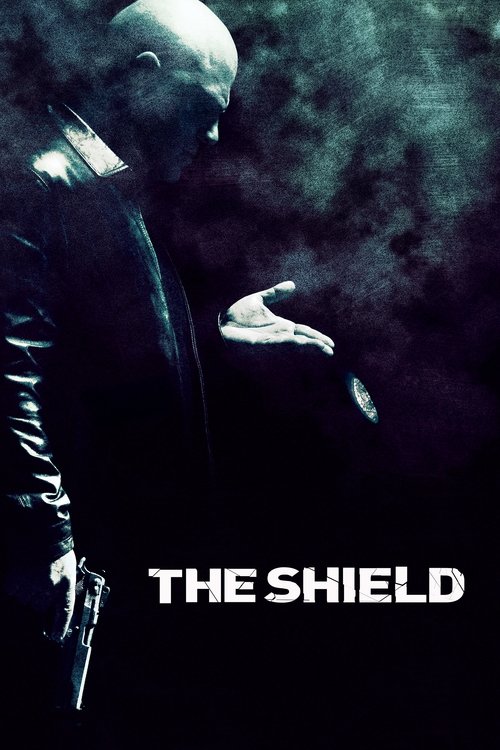
*The Shield* hit like a gut punch. This was cable making its statement loud and clear: network rules didn't apply here. Vic Mackey was the ultimate anti-hero, a morally bankrupt cop you still somehow rooted for. It was serialized, brutal, and unflinching, tackling complex ethical dilemmas without easy answers. Shawn Ryan created a world that felt incredibly real, pushing the envelope on violence and ambiguity. It proved TV could be as dark and challenging as any feature film, and probably more so.
4. Arrested Development
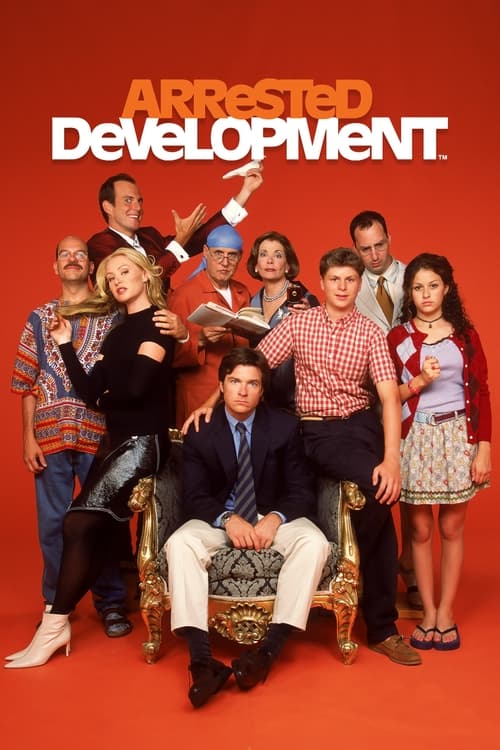
Forget everything you thought about sitcoms. *Arrested Development* was a whole new beast. Its mockumentary style, the intricate running gags, the sheer density of its jokes and callbacks – you needed to pay attention, and then watch it again. It was the kind of show that practically demanded DVRs or early on-demand for repeat viewing, revealing new layers every time. A serialized comedy with an ensemble that was dysfunctional genius. It was too smart for its own good, and audiences eventually caught up.
5. Carnivàle
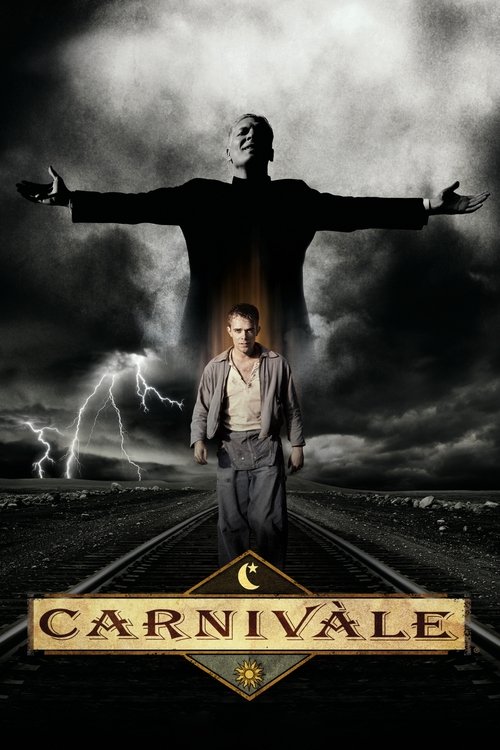
HBO was already swinging for the fences, but *Carnivàle* was a grand slam attempt that still feels epic. This wasn't just a show; it was an experience. Cinematic visuals, a sprawling narrative set during the Depression, and a deep mythology that promised something vast and profound. It was weird, dark, and utterly captivating, a true cable-era gamble on high-concept storytelling and serialized mystery. It showed that TV could build entire, richly detailed worlds, even if it sometimes got lost in them.
6. Deadwood
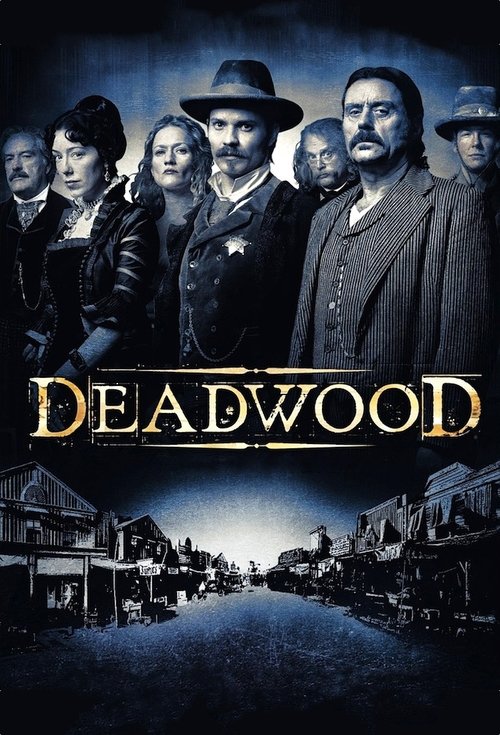
You couldn't talk about *Deadwood* without talking about the language – Shakespearean in its profanity, a poetic torrent of insults and observations. David Milch created a muddy, violent, and surprisingly philosophical world of the American West. This was pure cable prestige: a limited setting, an incredible ensemble, and dialogue that was both challenging and brilliant. It was cinematic, character-driven, and unflinchingly real, proving historical dramas didn't need to be stuffy. This was TV for adults, no doubt about it.

7. The Comeback
Lisa Kudrow's Valerie Cherish was a revelation, and *The Comeback* was a brutal, hilarious look at the price of fame and the nascent reality TV landscape. Shot in a mockumentary style, it was cringe comedy before cringe comedy was really a thing, making you squirm and laugh often simultaneously. HBO took a risk on something so meta, so specific, and so unflattering about Hollywood. It was ahead of its time, dissecting celebrity culture and the desperate need for validation with uncomfortable precision.
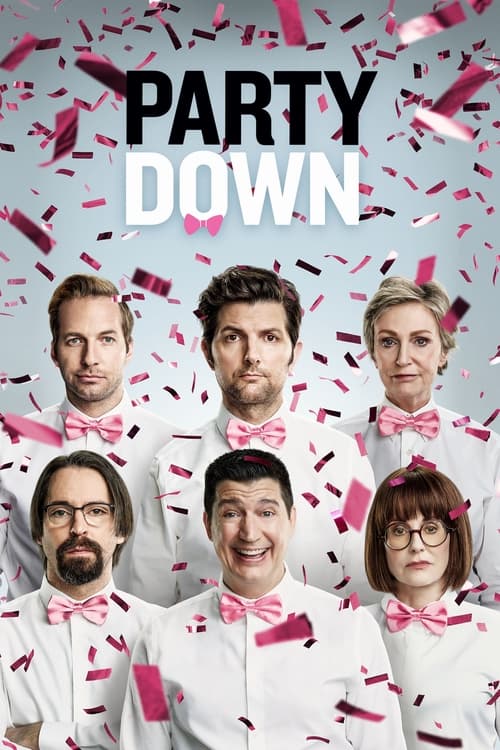
8. Party Down
This show was a cult classic waiting to happen, a perfect example of how cable could nurture smart, character-driven comedy. *Party Down* followed a group of caterers in L.A., each with their own dashed dreams and quiet desperation. It was a perfect ensemble piece, blending laugh-out-loud humor with genuine melancholy. The serialized elements were subtle, building arcs for these broken dreamers. It was an early Starz gem that got its due much later, proving great TV can sometimes take time to find its audience.
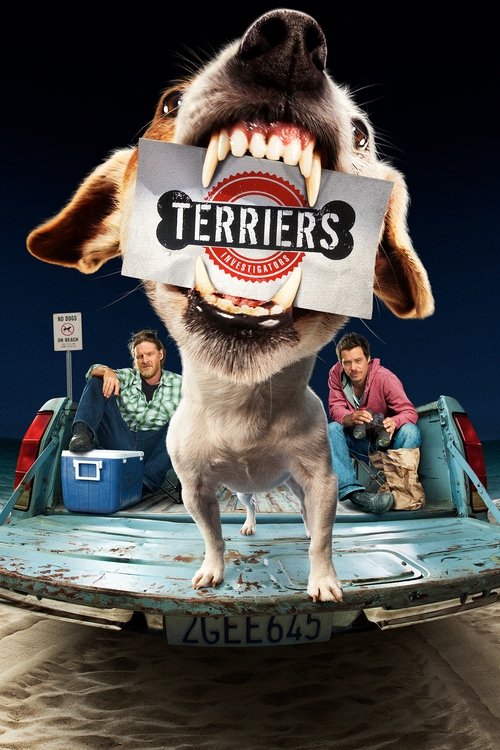
9. Terriers
*Terriers* was one of those shows critics adored but audiences missed, a real shame. FX took a chance on this perfectly imperfect detective duo, delivering a modern noir that felt both grounded and cinematic. It was character-driven, serialized, and surprisingly poignant, a buddy crime drama with heart and grit. The show's cancellation became a rallying cry for the kind of smart, original storytelling that streaming would later champion. It proved TV could deliver nuanced, feature-film quality storytelling, even if it was fleeting.