
1 / 9
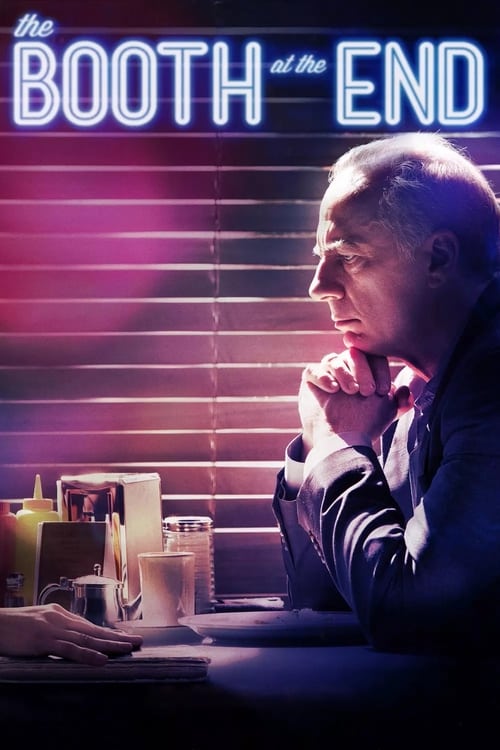
1. The Booth at the End
Okay, so this show is just two people talking at a diner booth, right? But the way it unravels, each episode a new layer of psychological warfare and moral compromise, is wild. It's like a hyper-efficient thought experiment, designed to run through your head long after you've clicked next. Also, the sheer audacity of making a show this gripping with basically zero set changes? Respect. It's peak minimalist storytelling.
2 / 9
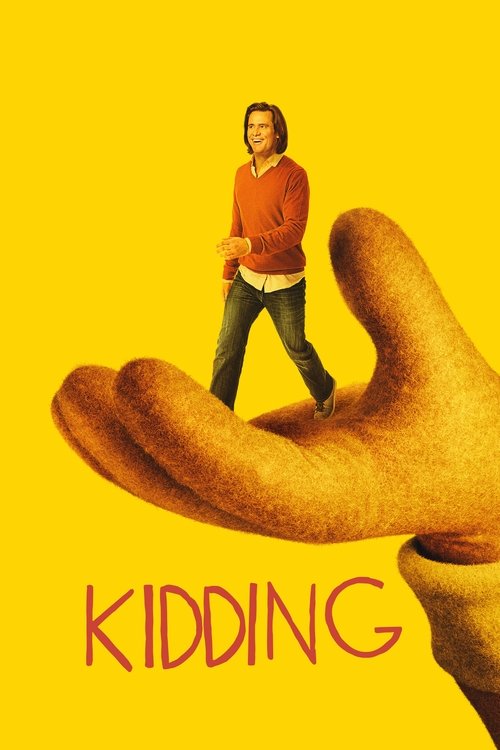
2. Kidding
Jim Carrey playing a kids' show host spiraling? Yeah, it’s exactly as bonkers as it sounds. But the hyper-stylized world, the way it blends whimsical puppet show aesthetics with raw, devastating grief, just hits different. It's a masterclass in emotional brutality wrapped in candy-colored packaging, forcing you to unpack every uncomfortable laugh. The pacing lets you sit with the awkwardness, which is key.
3 / 9
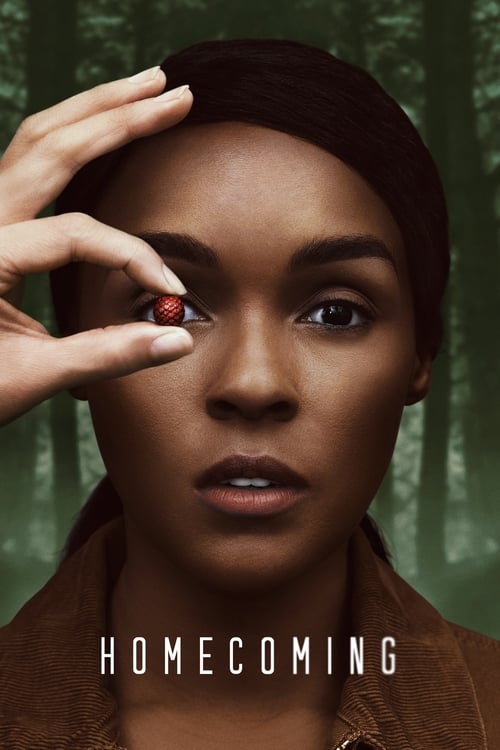
3. Homecoming
That first season of *Homecoming* with Julia Roberts felt like a whole new way to do a psychological thriller. The square aspect ratio, the claustrophobic sets, the way sound design was used to amplify tension – it was all so deliberate. It basically took the vibe of a chilling podcast and translated it directly to the screen, making you feel trapped right alongside the characters. Also, the pacing was a masterclass in slow-burn dread.
4 / 9
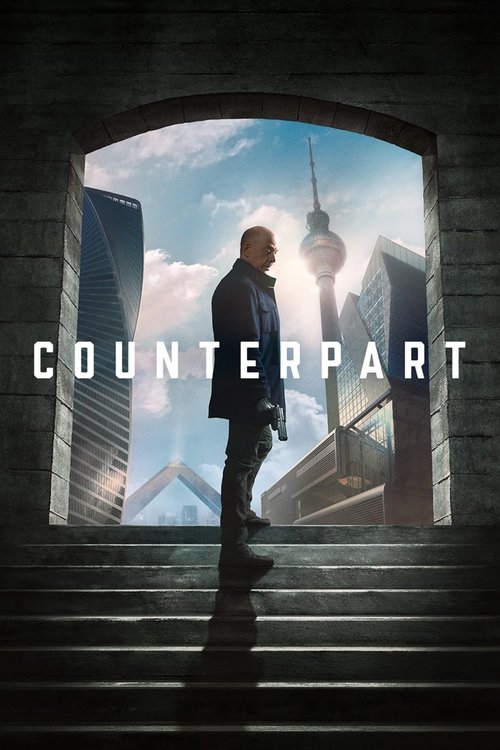
4. Counterpart
Okay, so *Counterpart* was just J.K. Simmons playing two versions of himself in a parallel universe spy thriller, and it was *everything*. The way it explored identity and choice across two subtly different Berlins was mind-bending. It wasn't just action; it was existential dread wrapped in slick espionage. The pacing demanded your full attention, rewarding every detail as the two worlds slowly converged. Definitely a deep cut.
5 / 9
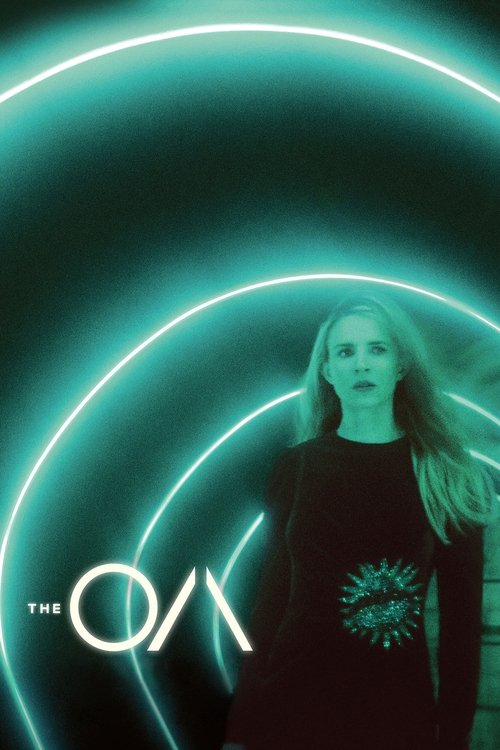
5. The OA
*The OA* literally broke my brain with its wild, genre-bending narrative. Interdimensional travel, interpretive dance, near-death experiences – it threw everything at the wall and somehow made it stick. The way it built this intricate, almost spiritual mythology felt so ambitious and raw. And yeah, the cancellation was a crime, because the show was always pushing boundaries, making you question everything you thought you knew about storytelling.
6 / 9
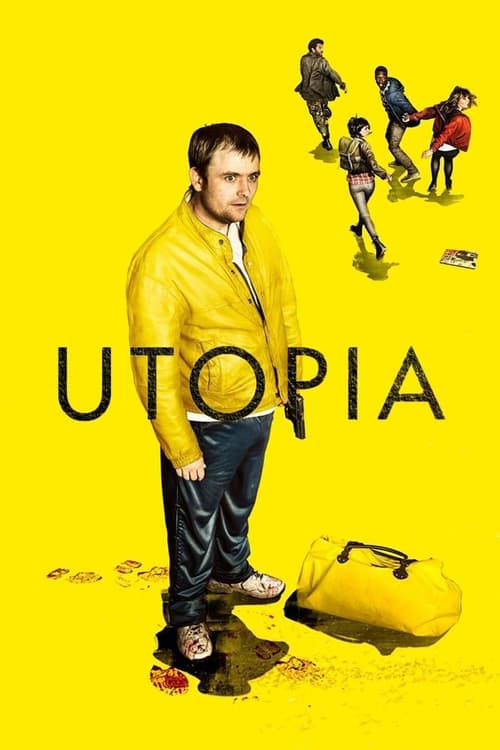
6. Utopia
The UK *Utopia* was a visual and narrative punch to the gut. That hyper-stylized, vibrant color palette contrasted with the brutal, relentless conspiracy plot created something truly unsettling. It was so fast-paced, so unforgiving, and so completely original. It felt like watching a graphic novel come to life, not just in its aesthetic, but in its unapologetic violence and cynicism. Absolutely iconic, and still unmatched.
7 / 9
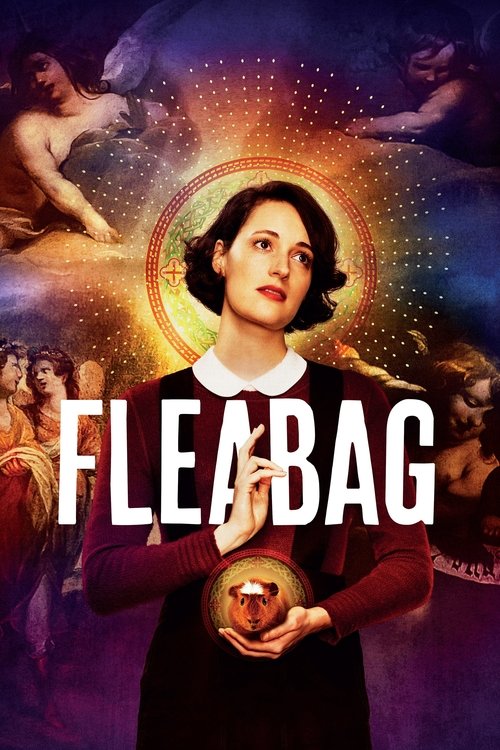
7. Fleabag
*Fleabag* was just a masterclass in character study and breaking the fourth wall. Phoebe Waller-Bridge’s direct address to the camera felt so intimate, like a private conversation with someone who's both hilarious and totally messy. It’s peak modern storytelling, condensing so much emotion and wit into tight, perfectly structured episodes. It hit that sweet spot of cringe comedy and profound vulnerability so hard, it’s still living in my head.
8 / 9
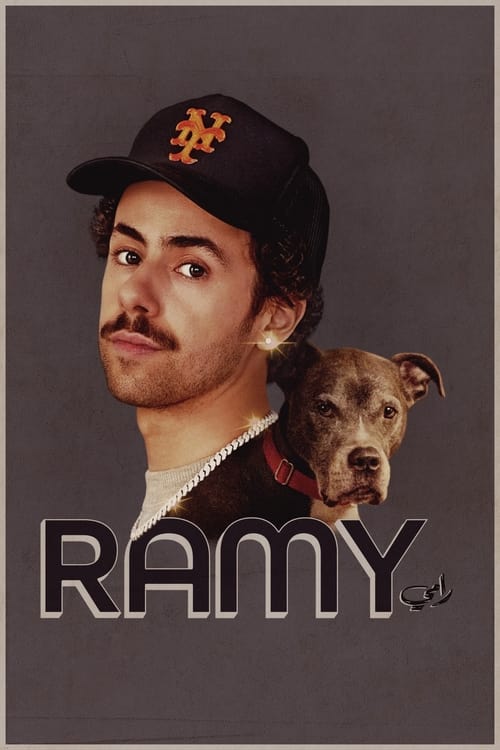
8. Ramy
*Ramy* was so good at capturing that specific millennial anxiety, especially when layered with cultural and religious identity. Ramy Youssef just lays it all out – the awkwardness, the contradictions, the messy search for meaning. It’s super smart, super funny, and incredibly honest, often hitting on things you rarely see explored with such nuance. The show’s pacing lets you sit with the uncomfortable truths, which is a rare thing.
9 / 9
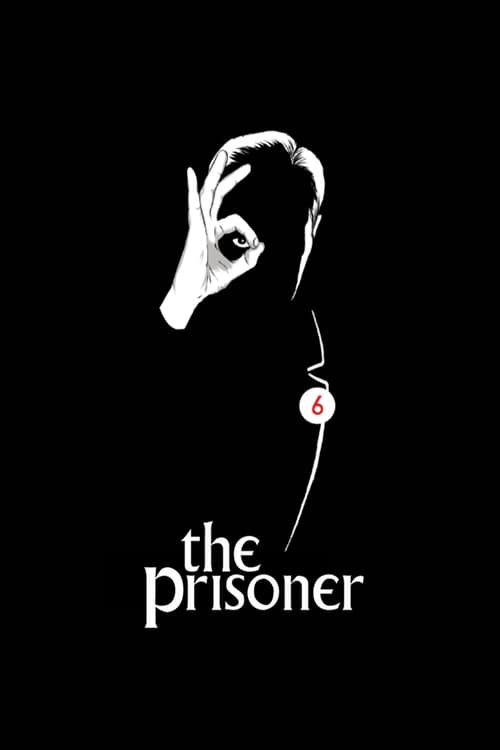
9. The Prisoner
Okay, even though *The Prisoner* is from '67, its themes of surveillance, identity, and "who is Number One?" are still so potent. That hyper-stylized Village, the constant psychological warfare – it's like the ultimate proto-dystopian fever dream. It basically invented the "mind-bending mystery box" concept, making you question everything, every single episode. Honestly, it's peak existential dread, and it holds up in a seriously unsettling way.