

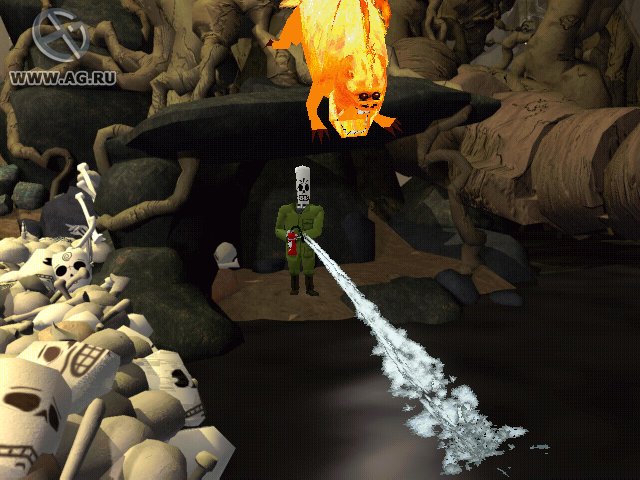
1. Grim Fandango
LucasArts’ masterpiece blended film noir with Mexican folklore, creating an unforgettable afterlife adventure. Manny Calavera's journey through the Land of the Dead was a triumph of world-building, witty dialogue, and ingenious, albeit sometimes obtuse, puzzles. Its distinct art direction and mature narrative pushed the boundaries of point-and-click games, proving that interactive stories could possess profound artistic vision and humor, quietly influencing a generation of narrative-driven experiences long after its initial commercial struggles.
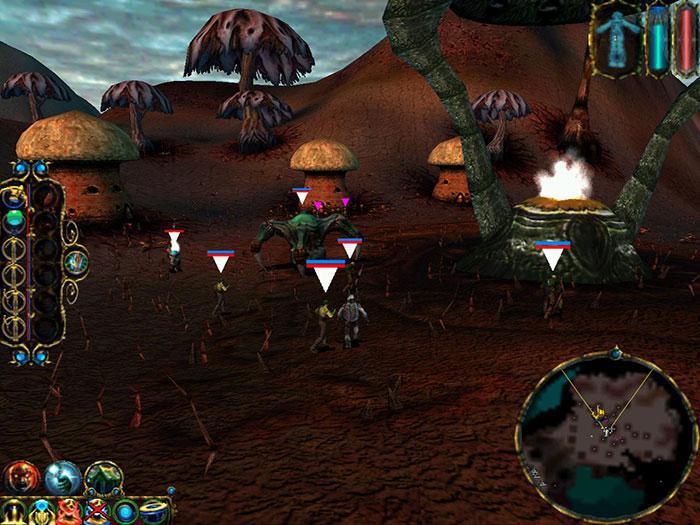
2. Sacrifice
Mashing real-time strategy with third-person action, *Sacrifice* was a bold, chaotic experiment. Players commanded fantastical creatures and wielded powerful spells directly on the battlefield, serving one of five eccentric gods. Its grotesque yet vibrant art style and unique gameplay mechanics, blending resource management with visceral combat, set it apart. While commercially modest, it showcased ambitious genre fusion and creative unit design, leaving an indelible, if niche, mark on how strategy and action could intertwine.
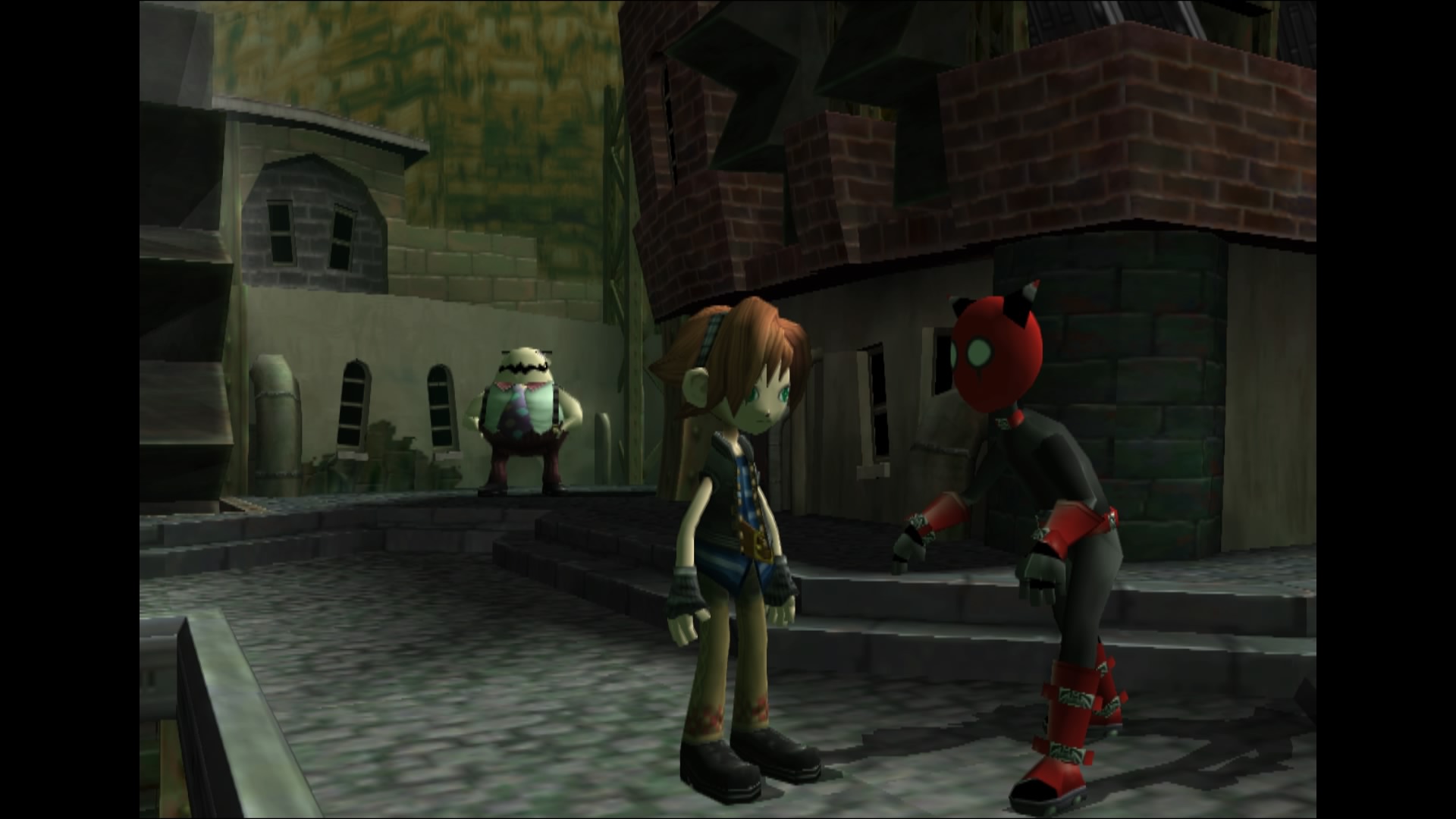
3. OKAGE: Shadow King
This PlayStation 2 JRPG offered a delightfully twisted take on fantasy, casting players as a bland protagonist possessed by a haughty, world-conquering demon. *Okage*'s charm lay in its distinctive, almost Tim Burton-esque art style, self-aware humor, and memorable cast of quirky characters. It defied typical JRPG tropes with a refreshingly dark comedic tone and a unique visual identity, becoming a beloved cult classic for those seeking something genuinely different from the genre's mainstream.
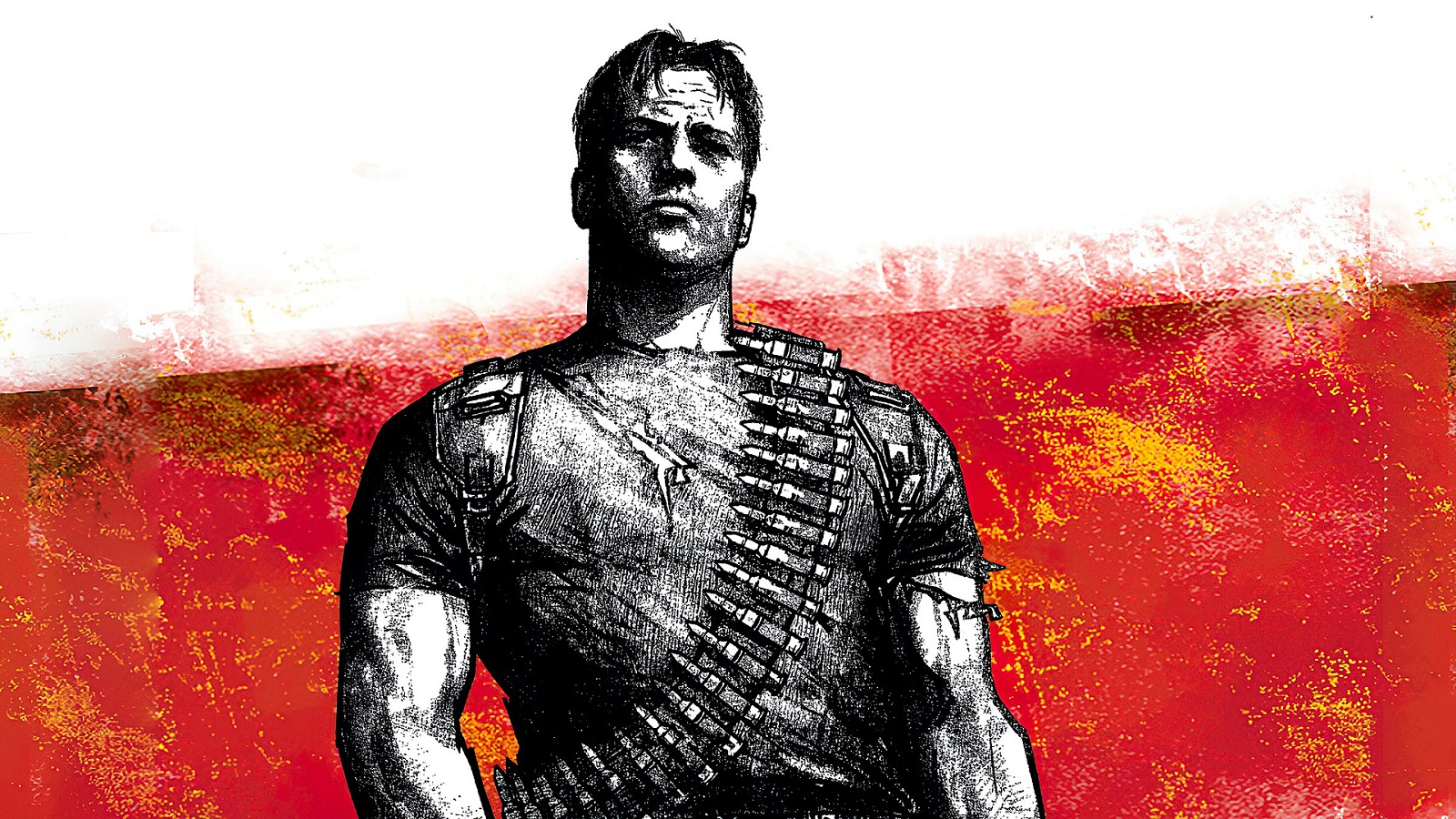
4. Freedom Fighters
IO Interactive delivered a compelling alternate history shooter where the Soviet Union invaded the United States. Players led a small band of resistance fighters through occupied New York, combining solid third-person gunplay with intuitive squad commands. Its gritty atmosphere, escalating sense of rebellion, and clever reputation system for recruiting allies made it more than just another shooter. *Freedom Fighters* offered a potent, strategic take on guerrilla warfare, quietly influencing tactical elements in later action titles.
5. Evil Genius
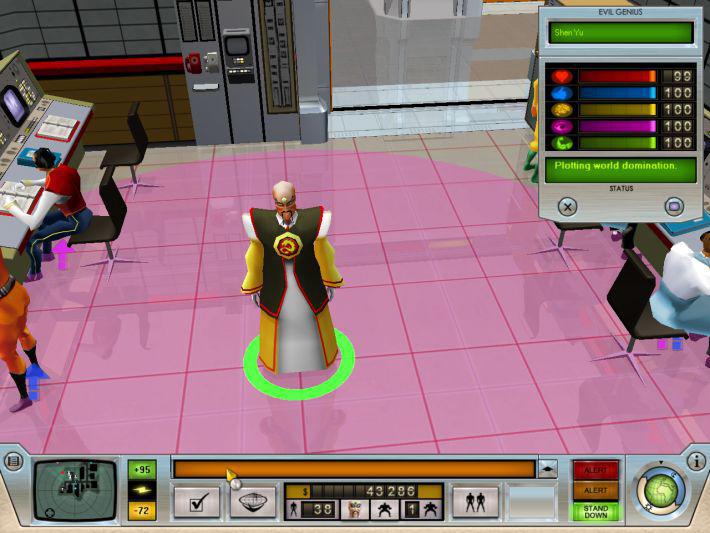
Ever wanted to be a Bond villain? *Evil Genius* let you build and manage your own secret lair, recruit nefarious henchmen, and execute dastardly plots for world domination. With its stylish 60s aesthetic, sharp humor, and intricate base-building mechanics, it was a unique spin on the management simulation genre. It perfectly captured the satirical essence of spy fiction, inspiring subsequent games with its blend of strategic depth, personality, and hilarious, cartoonish villainy.
6. God Hand
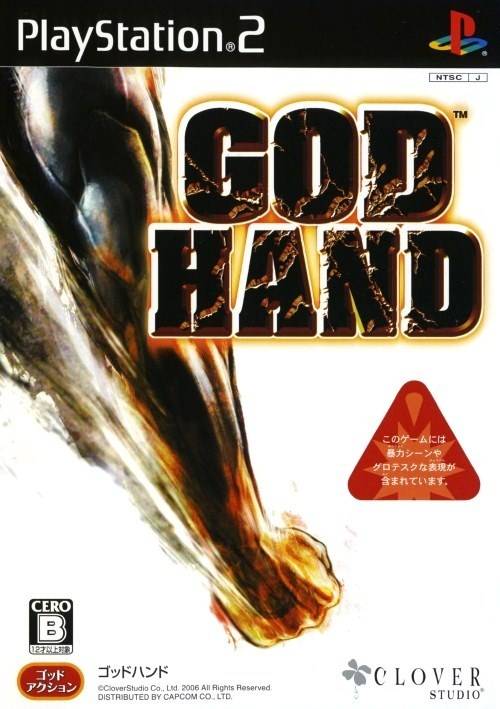
From the legendary Clover Studio, *God Hand* was a brutal, over-the-top beat 'em up renowned for its deep, customizable combat system and punishing difficulty. Players, wielding the titular divine arm, engaged in relentless, often absurd, battles against a parade of bizarre enemies. Its refusal to hold punches and its focus on pure, unadulterated gameplay mastery earned it a passionate cult following, influencing fighting game design with its nuanced mechanics and challenging, yet rewarding, action.
7. Alpha Protocol
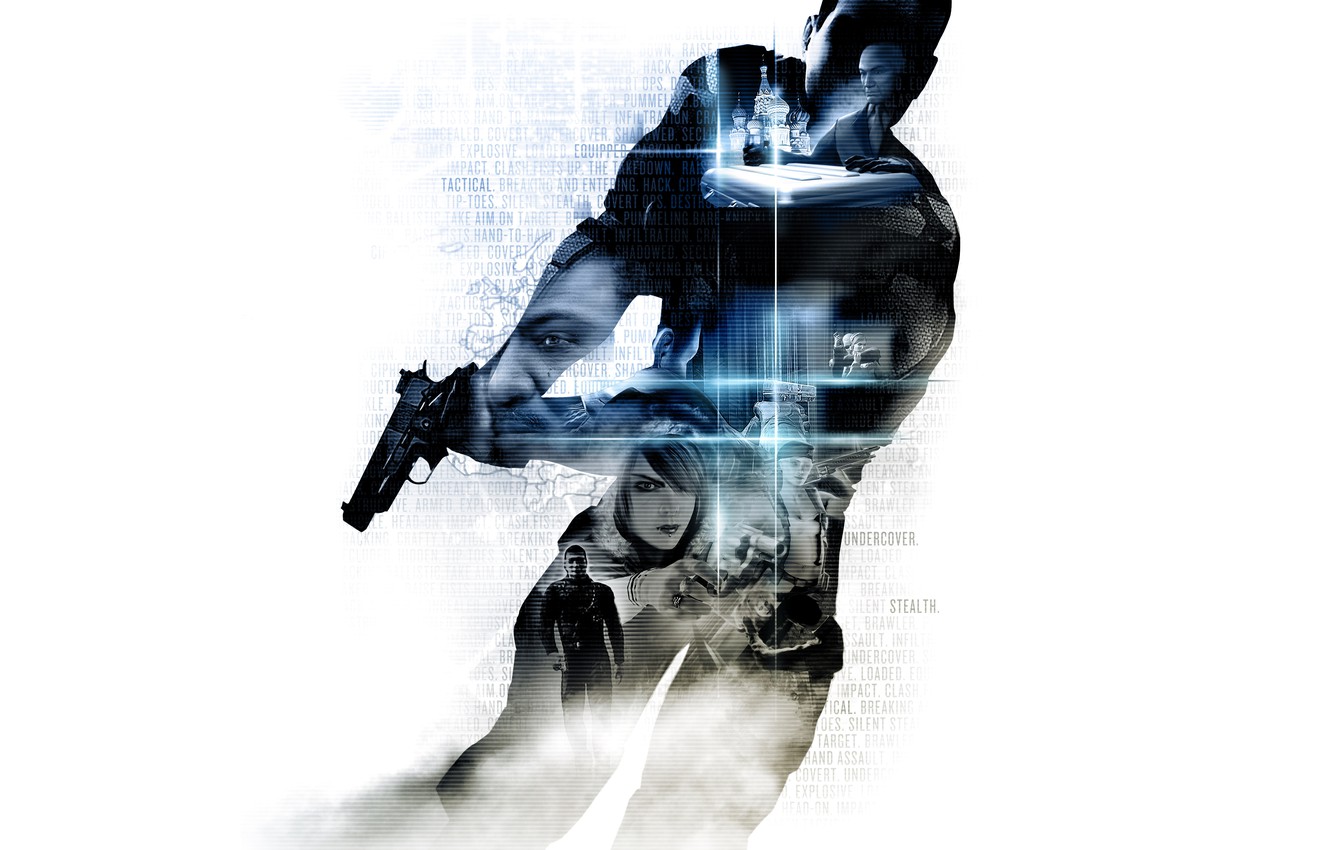
Obsidian Entertainment’s espionage RPG, *Alpha Protocol*, was a flawed gem that prioritized player choice above all else. Every dialogue option, every mission decision, and even every failed objective had genuine, often unpredictable, consequences for the narrative and character relationships. Despite its technical rough edges, it demonstrated an ambitious commitment to player agency and branching storytelling that few games dared to match, quietly shaping expectations for reactive narratives in RPGs.
8. Enslaved: Odyssey to the West
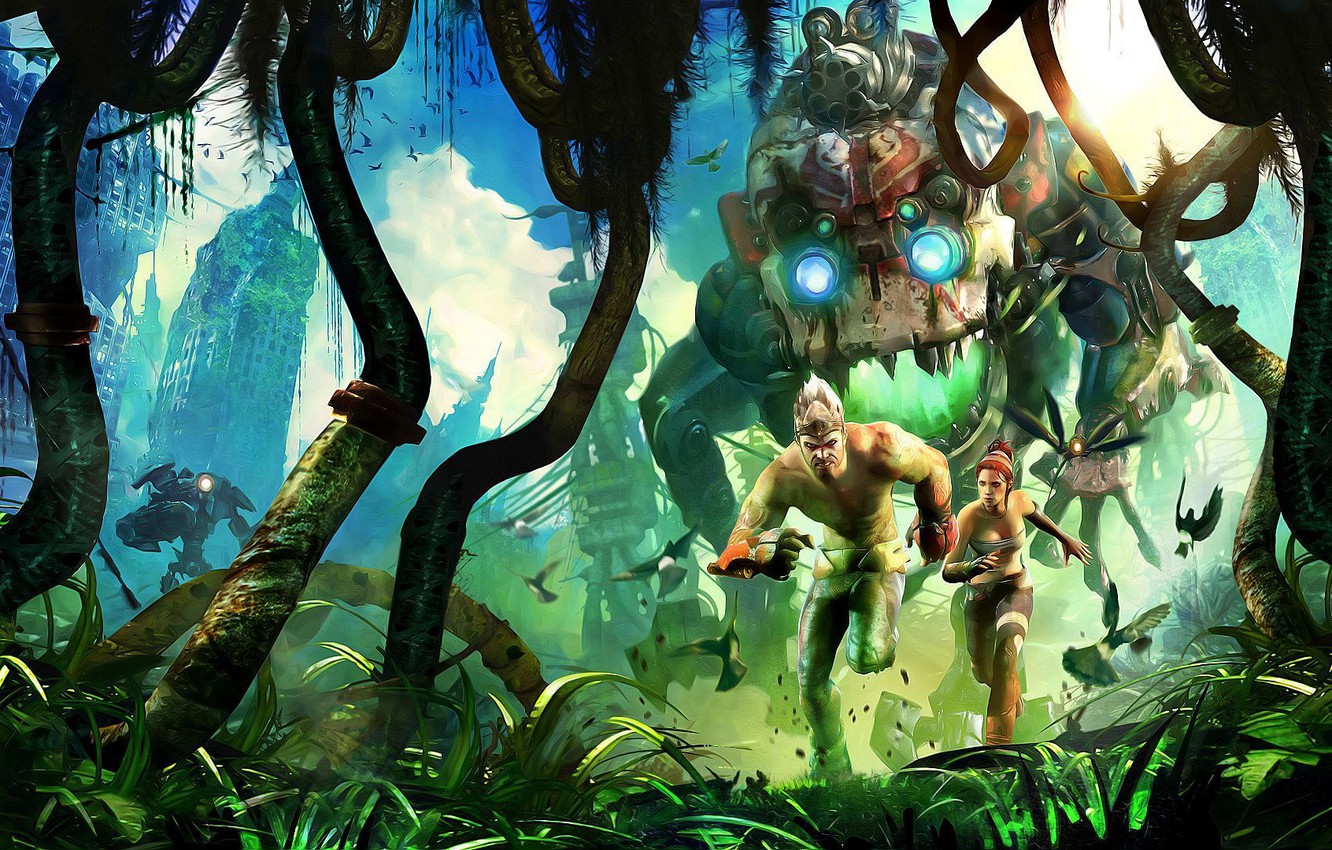
Ninja Theory crafted a stunning post-apocalyptic adventure loosely based on *Journey to the West*. *Enslaved* captivated with its vibrant, overgrown world, engaging platforming, and the evolving, tender dynamic between its two protagonists, Monkey and Trip. While overlooked commercially, its strong narrative, compelling character performances, and beautiful art direction proved that action-adventure games could deliver deeply emotional and personal stories, leaving a lasting impression on those who experienced its journey.
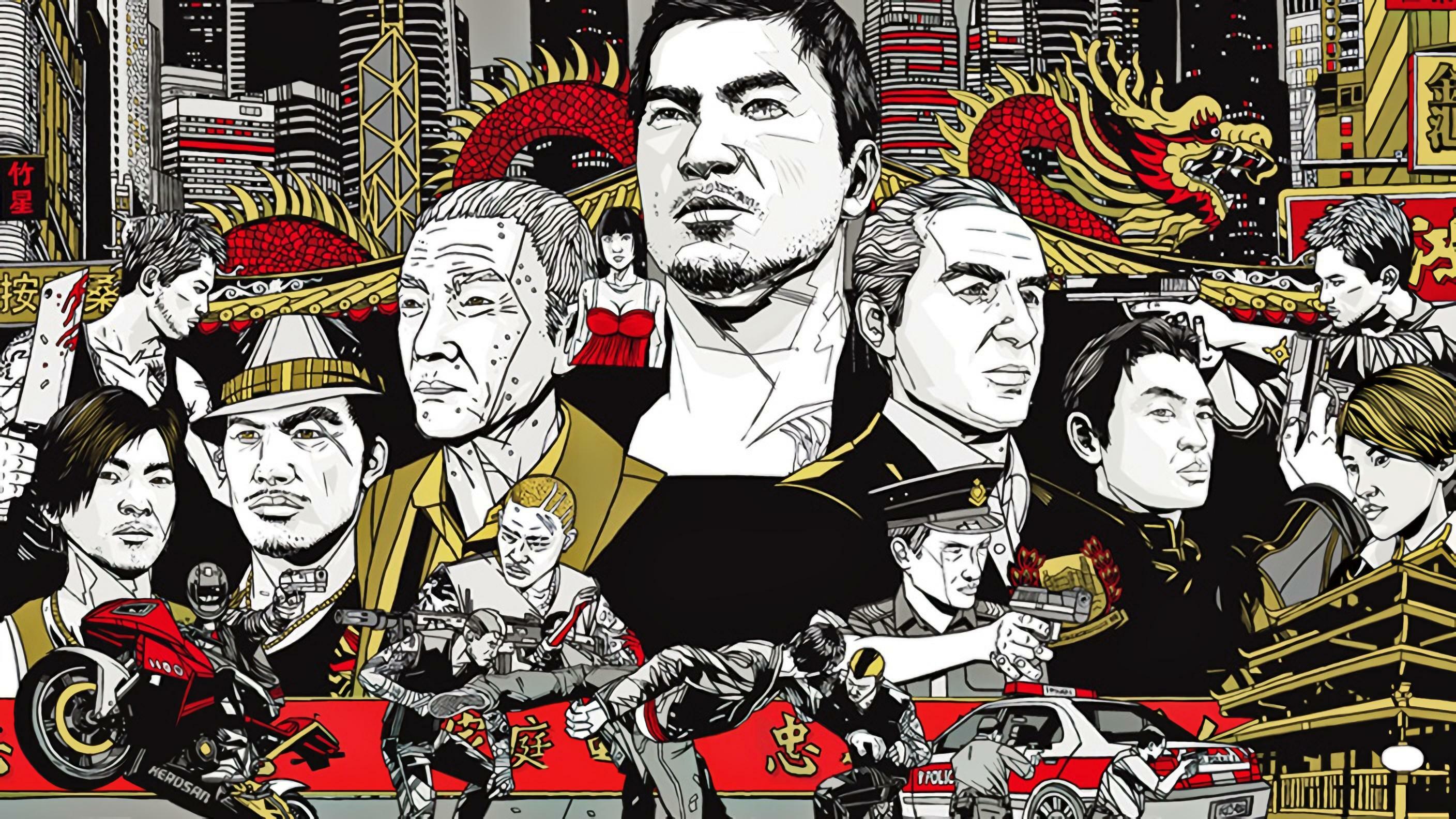
9. Sleeping Dogs
Set in a vibrant, rain-slicked Hong Kong, *Sleeping Dogs* delivered an open-world experience with a distinct identity. As an undercover cop infiltrating the Triads, players engaged in fluid martial arts combat, exhilarating car chases, and a compelling crime narrative. Its exceptional hand-to-hand combat system, heavily influenced by Hong Kong action cinema, and authentic cultural portrayal elevated it beyond typical open-world fare, carving out its own niche and influencing melee combat design in the genre.