

1 / 9
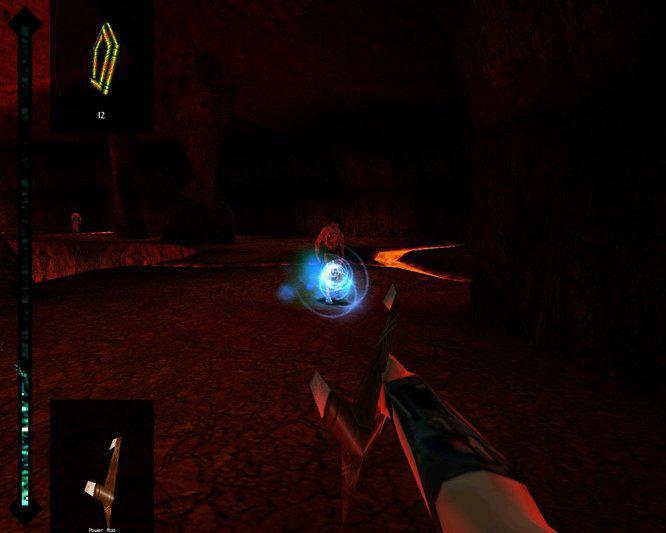
1. Omikron: The Nomad Soul
Omikron was a fever dream, an ambitious mess that dared to blend genres when nobody else was. Yeah, the controls were janky, the combat wonky, and the whole thing felt like it was held together with spit and prayer. But Bowie was *in* it, and its cyberpunk-meets-spiritualism narrative was utterly captivating. The industry just couldn't process something so utterly, wonderfully weird. It showed that true innovation sometimes needs a bit more polish, but also that publishers often shy away from anything truly unconventional.
2 / 9
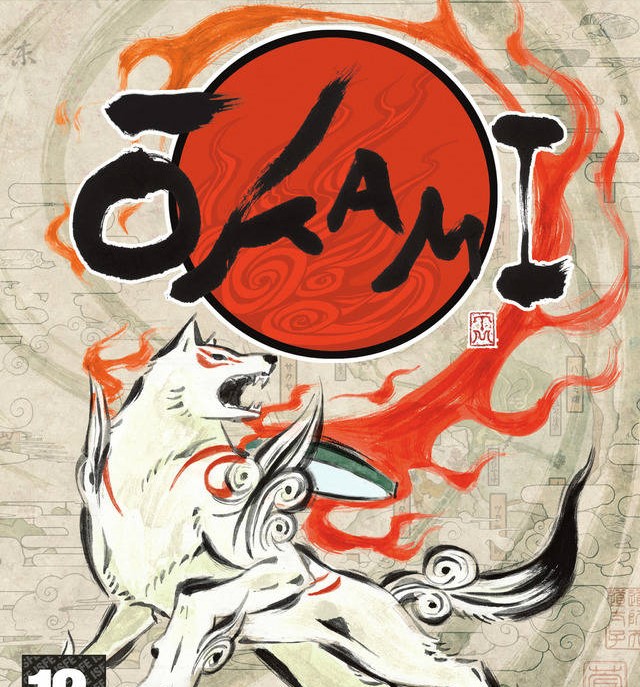
2. Okami
Okami is a masterpiece that proves beauty and innovative gameplay aren't enough when marketing departments are asleep at the wheel. Its cel-shaded art style, mimicking sumi-e ink wash painting, is still breathtaking. And the Celestial Brush mechanics? Pure genius. Yet, it struggled to find its audience, buried under typical console exclusives. It’s a stark reminder that sometimes the best art gets sidelined because it doesn't fit a predictable sales forecast, which is just tragic.
3 / 9
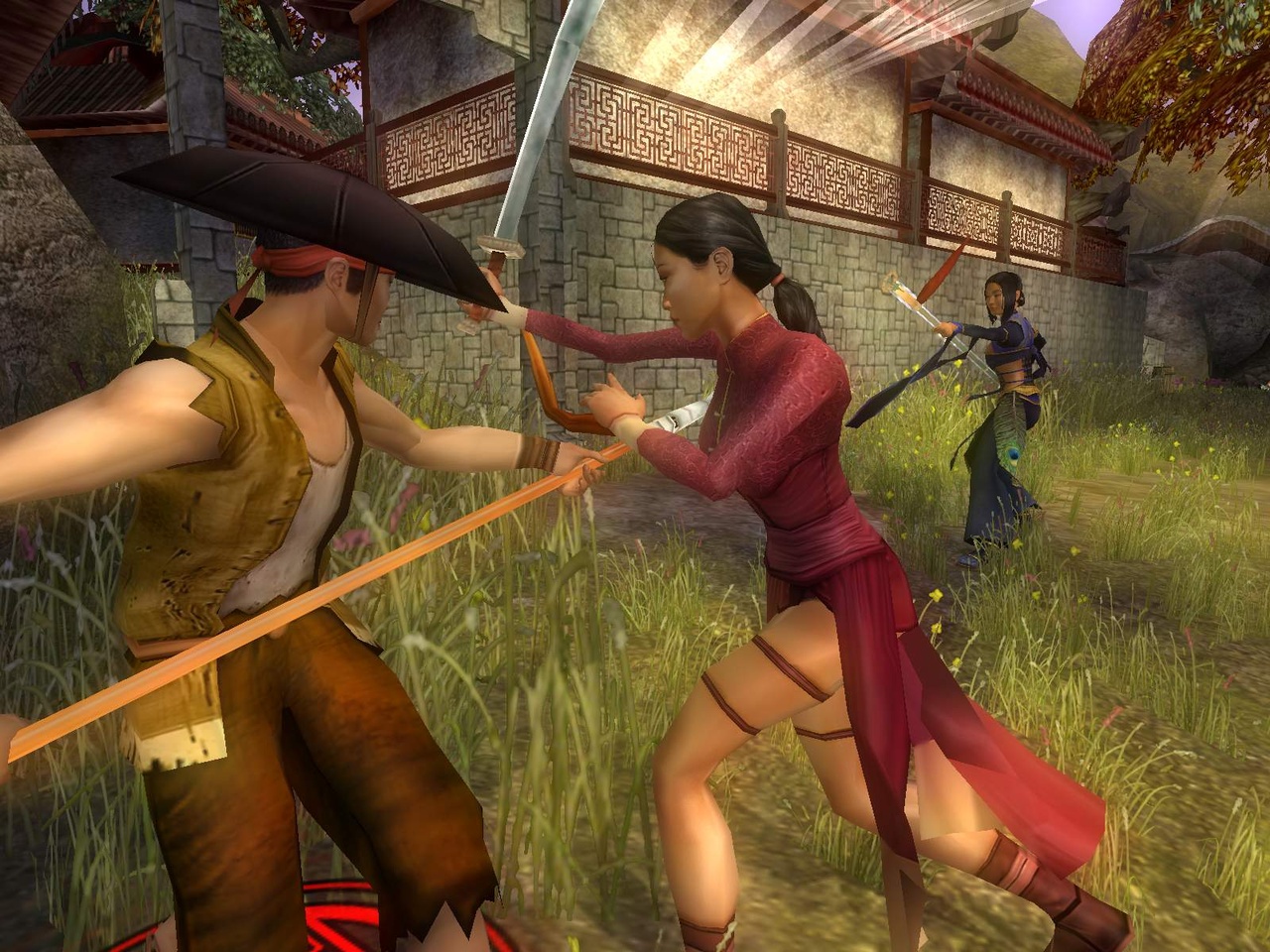
3. Jade Empire
Before Mass Effect and Dragon Age consumed BioWare, there was Jade Empire, a criminally underrated RPG. It dared to venture into a Wuxia-inspired fantasy, offering martial arts combat and compelling moral choices. The writing was sharp, the companions memorable, and the world felt alive, yet it never got the sequels or recognition it deserved. It feels like the industry decided 'fantasy medieval' or 'sci-fi space opera' were safer bets, leaving this gem to languish in cult classic status.
4 / 9
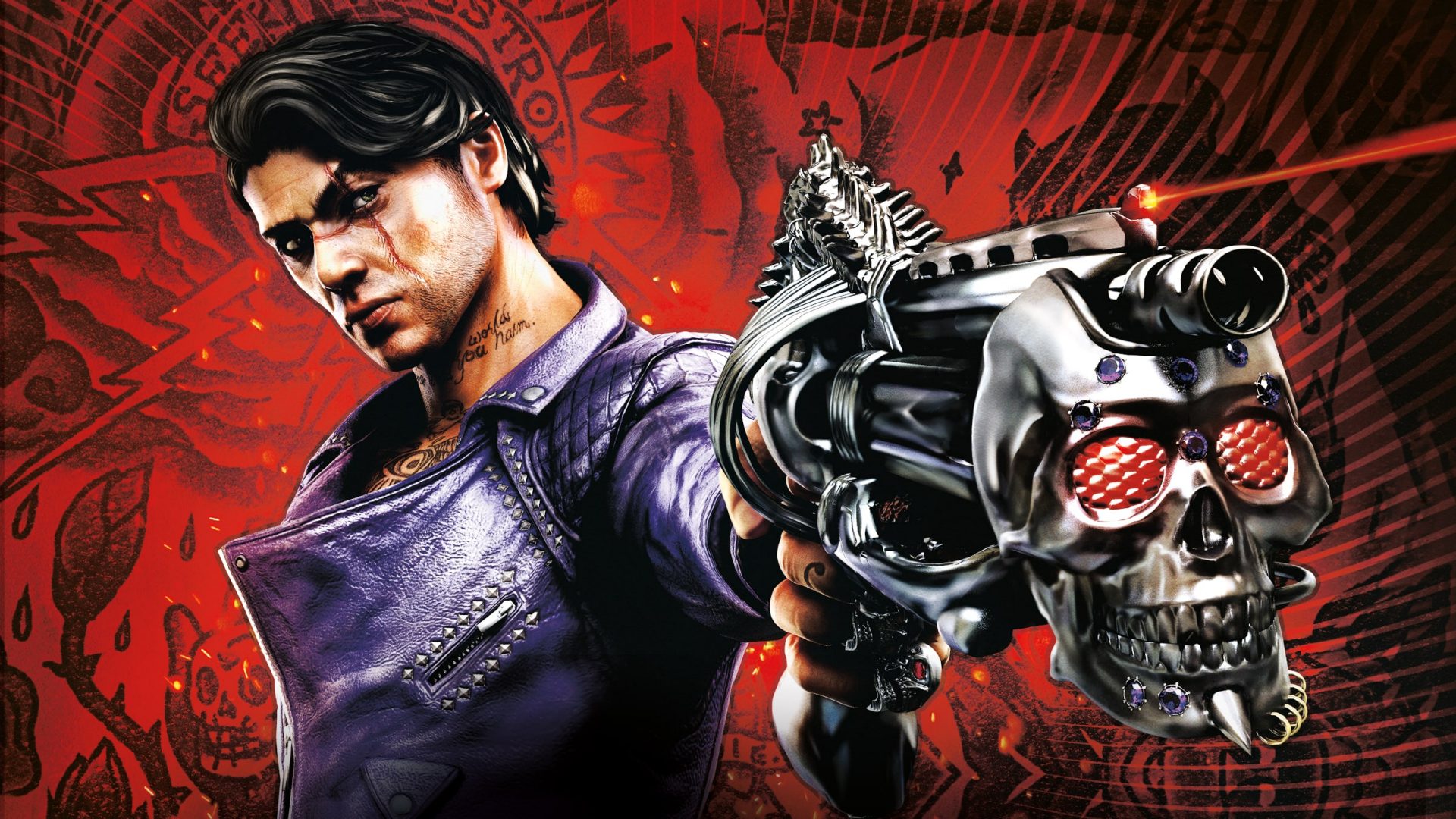
4. Shadows of the Damned
Shadows of the Damned is pure, unadulterated punk rock in video game form. With Suda51’s signature surrealism, Mikami’s tight action, and Yamaoka’s haunting score, it was a horror-comedy shooter unlike anything before or since. Johnson, the talking skull gun, alone should've sold millions! But its outrageous humor and deliberately offensive aesthetic probably scared off mainstream publishers, proving that sometimes, being too original and too niche means missing out on big bucks, even with legendary talent.
5 / 9
5. Vanquish
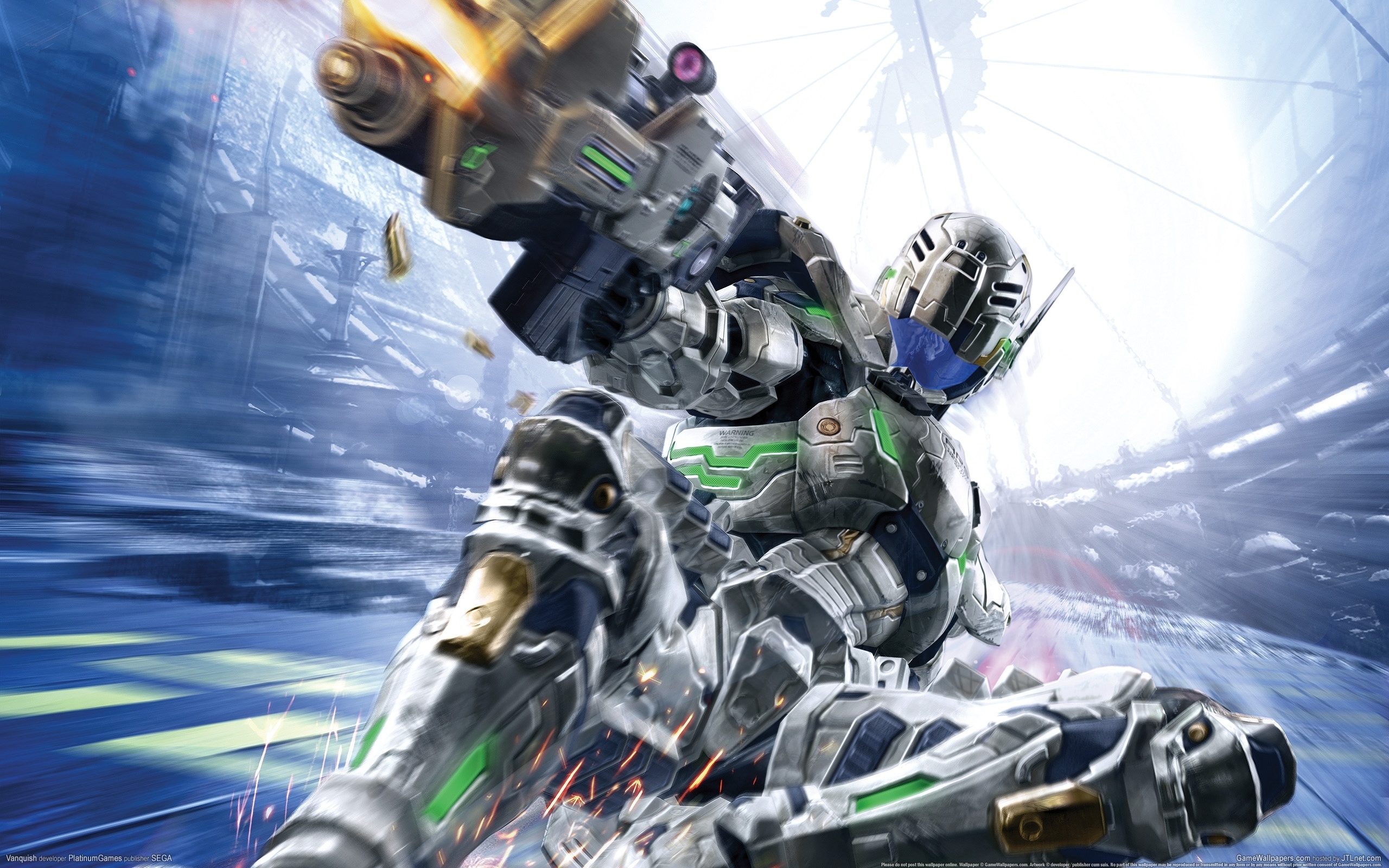
Vanquish is the gaming equivalent of a perfectly executed, high-octane action movie scene stretched into a full game. PlatinumGames delivered a masterclass in movement and combat, with its iconic rocket-sliding and slow-motion dives. It’s pure adrenaline, a shooter that respects your intelligence and reflexes. Yet, it never reached the sales figures its sheer mechanical brilliance deserved. Maybe it was too short, or maybe publishers just don't understand that sometimes, tight, focused brilliance beats sprawling, generic open-worlds.
6 / 9
6. Spec Ops: The Line
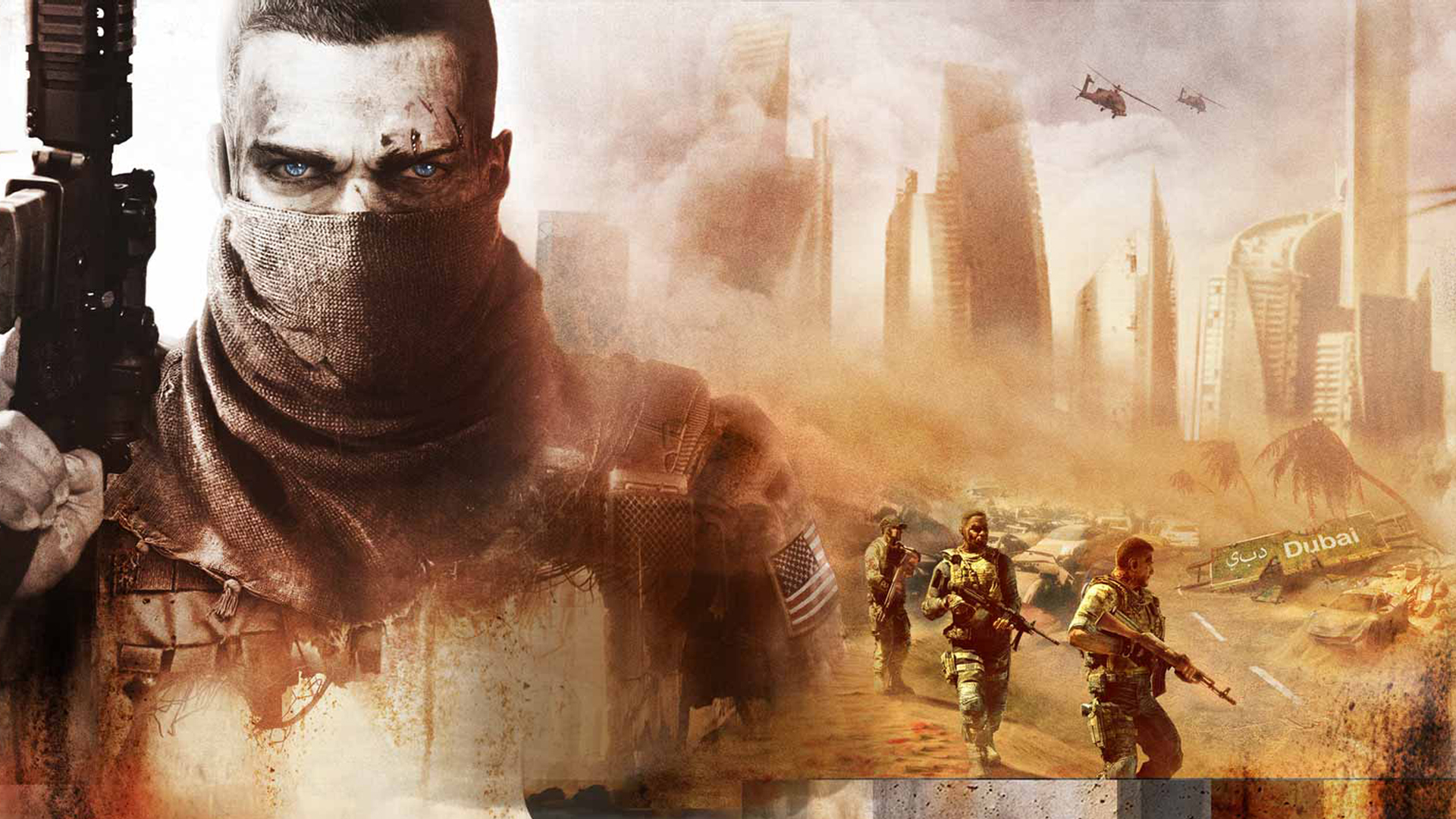
Spec Ops: The Line isn't just a shooter; it's a gut-punching, genre-deconstructing narrative masterpiece. It lures you in with familiar mechanics, then systematically dismantles the glorification of war, making players confront the real horror and moral ambiguities of conflict. It was a brutal, necessary critique of the very genre it inhabited, but its bleak, uncompromising message was probably too much for the typical Call of Duty crowd and the executives who chase those numbers. It’s genius, but a painful one.
7 / 9
7. Sunset Overdrive
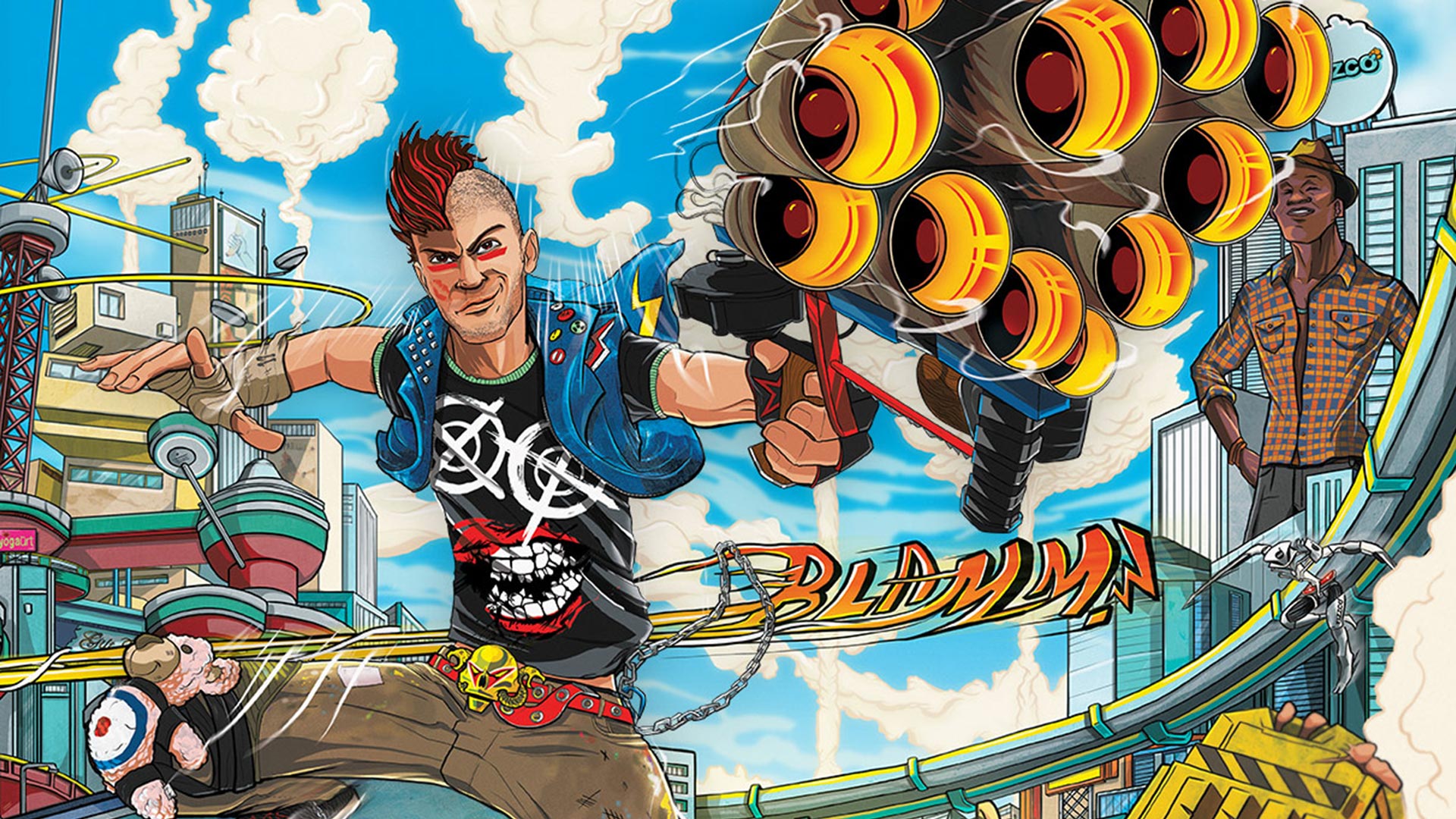
Sunset Overdrive is pure, unadulterated joy in video game form. Insomniac Games crafted a vibrant, chaotic open-world where traversal was king and humor was paramount. Grinding, bouncing, and blasting through hordes of mutants felt endlessly satisfying, with an irreverent charm that was infectious. Yet, it struggled for mainstream attention, perhaps because its colorful anarchy was too much for the "grimdark" or "realistic" trends dominating the industry. It's a testament to how sometimes, sheer fun gets overlooked for market-tested formulas.
8 / 9
8. Singularity
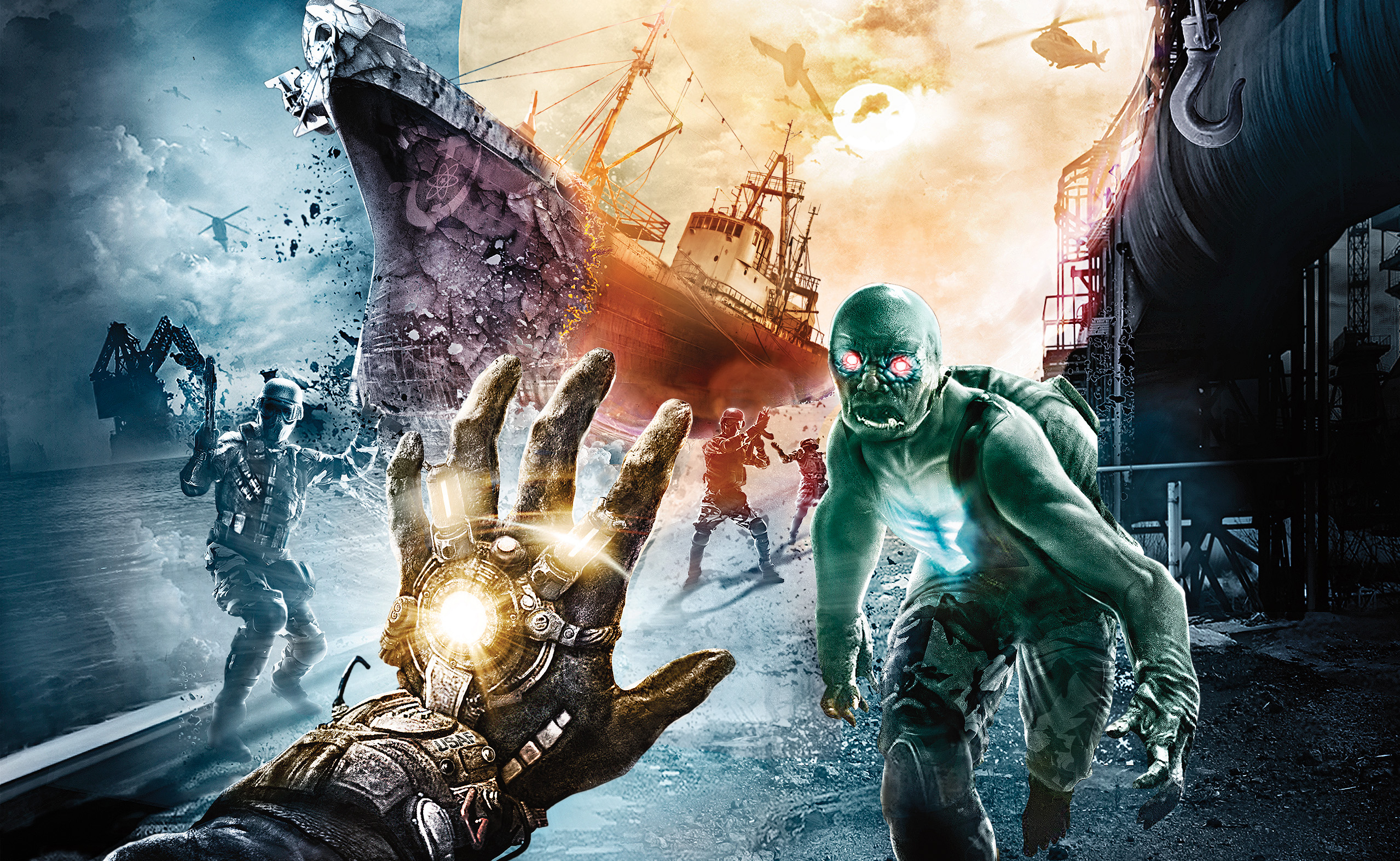
Singularity was Raven Software’s forgotten gem, a first-person shooter that brilliantly wove time-manipulation mechanics into its gameplay and narrative. It had cool weapons, an engaging story, and some genuinely clever puzzles involving aging or de-aging objects. But it launched in a ridiculously crowded period, got minimal marketing, and just vanished. It highlights how even a genuinely well-made, innovative game can be completely overlooked if it doesn't have a massive budget behind it, a true shame.
9 / 9
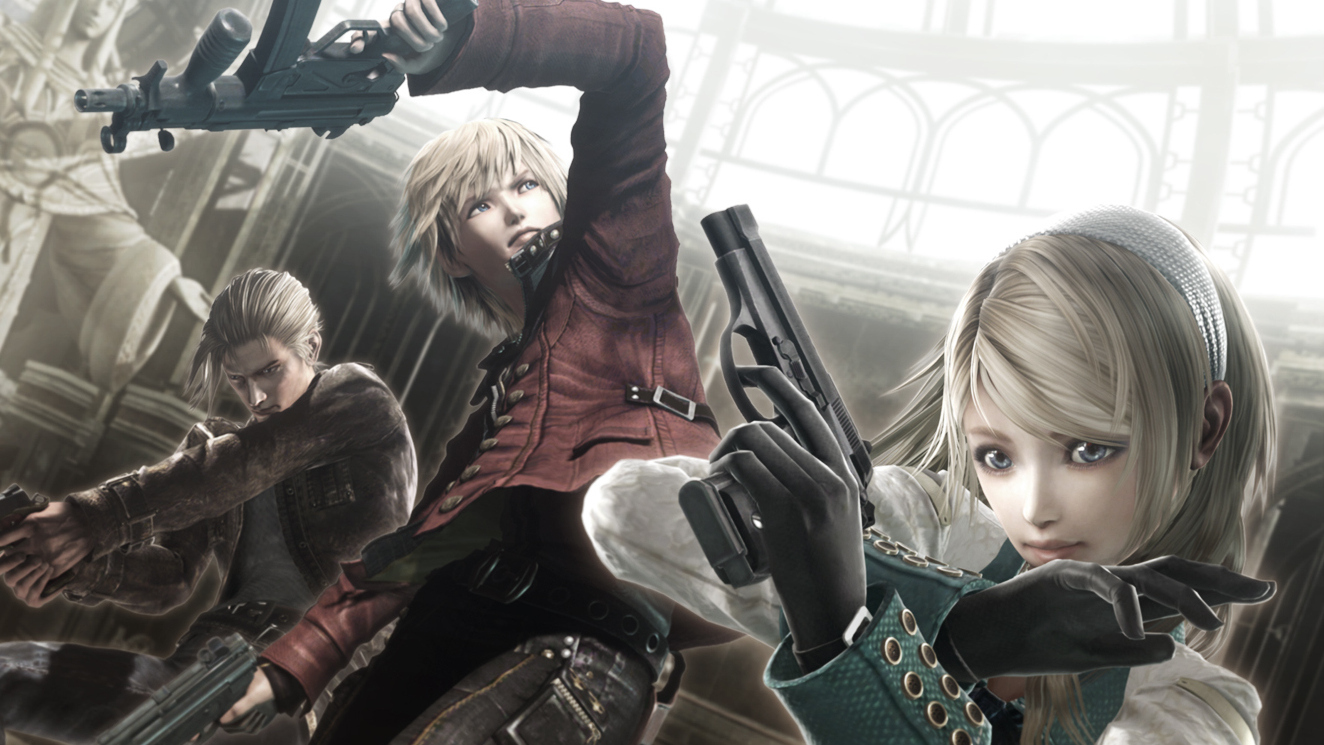
9. Resonance of Fate
Resonance of Fate is a beautiful, bewildering beast of a JRPG. Its utterly unique, highly strategic combat system, revolving around bullet-time, aerial attacks, and breaking enemy parts, was a masterclass in complexity and satisfaction once mastered. But the learning curve was a cliff face, and its steampunk aesthetic was a niche within a niche. It’s a game that dared to be different, and the industry, always chasing mass appeal, largely ignored its brilliant, intricate design.