1. The Sopranos
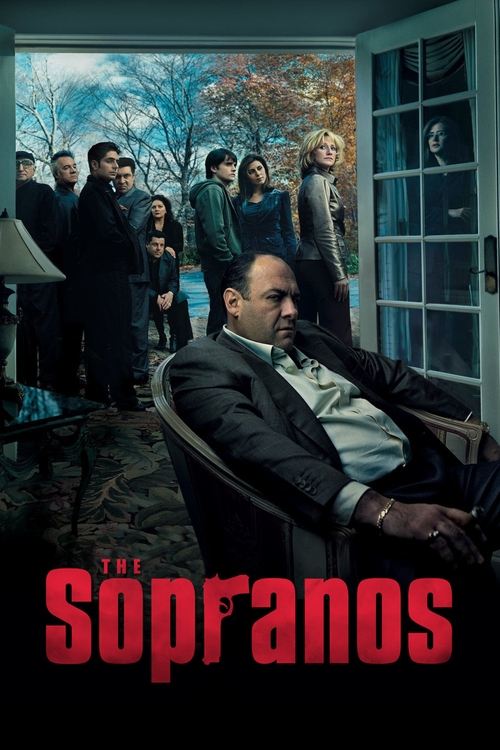
The Sopranos wasn't just a mob show; it was a character study that dared to spend time inside the head of a conflicted anti-hero. HBO, being HBO, let it breathe, allowing for long-form narrative arcs and a psychological depth usually reserved for feature films. It built a world, not just a plot, proving what serialized cable drama could truly accomplish when it wasn't constantly chasing network ratings. This was the blueprint for prestige TV, forcing audiences to grapple with ambiguity.
2. The Wire
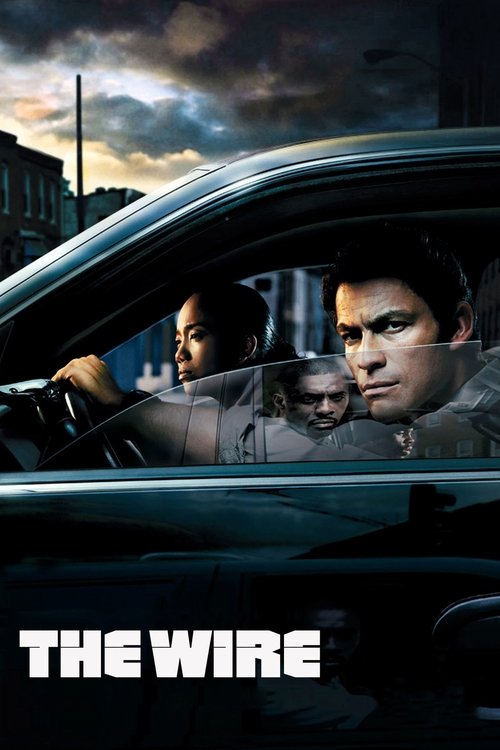
Forget procedural, The Wire blew that out of the water. Each season dissected a different institution, weaving together a massive ensemble cast across every rung of the social ladder. It demanded your attention, trusting viewers to connect the dots without spoon-feeding. This wasn't just TV; it was a sprawling, novelistic examination of urban decay, showing how intricate and unflinching television could be when given the space to tell a truly complex, cinematic story.
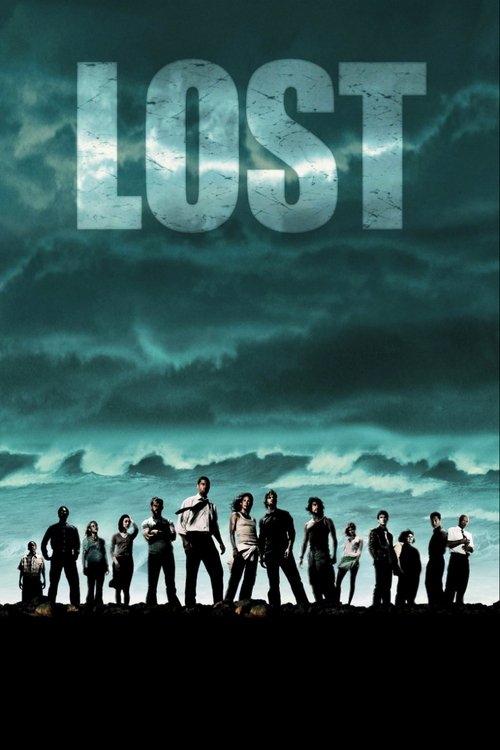
3. Lost
Talk about a watercooler show. Lost redefined serialized mystery, keeping millions guessing with its intricate mythology and cliffhangers that made you count down to the next week. It juggled a huge ensemble cast, each with their own flashbacks, pushing the boundaries of what a network drama could achieve in terms of complex storytelling. For a while, everyone was theorizing, making it essential viewing even before 'binging' was a common term.
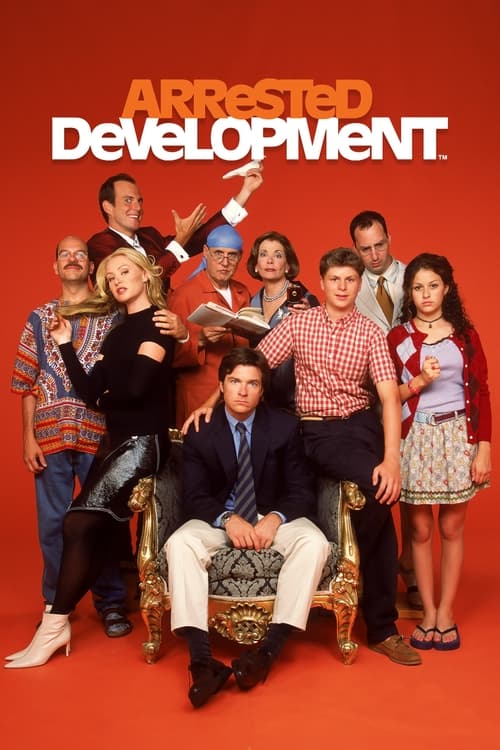
4. Arrested Development
This show was ahead of its time, a dense, self-referential comedy that demanded repeat viewings to catch all the layered jokes. Its mockumentary style felt fresh, and the ensemble cast was just brilliant, playing off each other with lightning-fast wit. It never talked down to its audience, which probably contributed to its cult status and eventual revival. A true masterclass in comedic writing and structure, paving the way for smarter sitcoms.
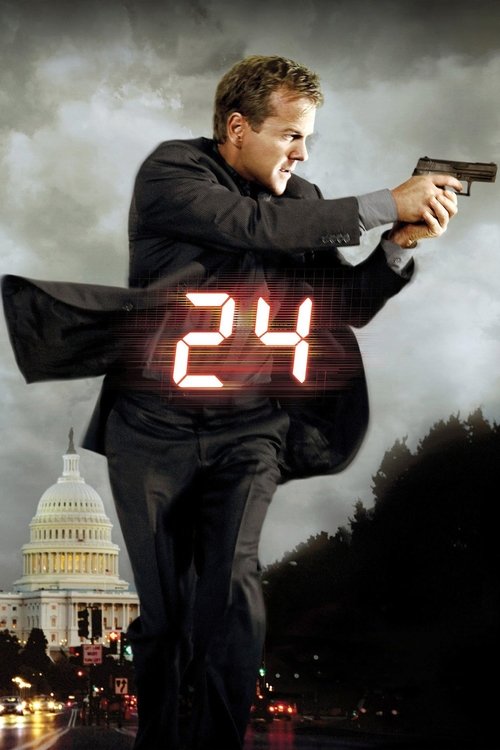
5. 24
This was pure adrenaline, playing out in real-time and proving that network TV could be just as cinematic and intense as a big-budget movie. Jack Bauer's race against the clock was a game-changer, keeping audiences glued to their screens with its relentless pace and shocking twists. It showed how a high-concept premise, combined with serialized storytelling, could create an addictive, appointment-viewing experience every single week.

6. Six Feet Under
HBO again, pushing boundaries. This show tackled death head-on, not as a plot device but as the very foundation of its world. It was a deeply emotional, often darkly funny character drama that explored the complexities of family and grief with incredible nuance. The surreal dream sequences and unflinching look at mortality made it a unique, often uncomfortable, but always profoundly moving viewing experience that redefined family drama.
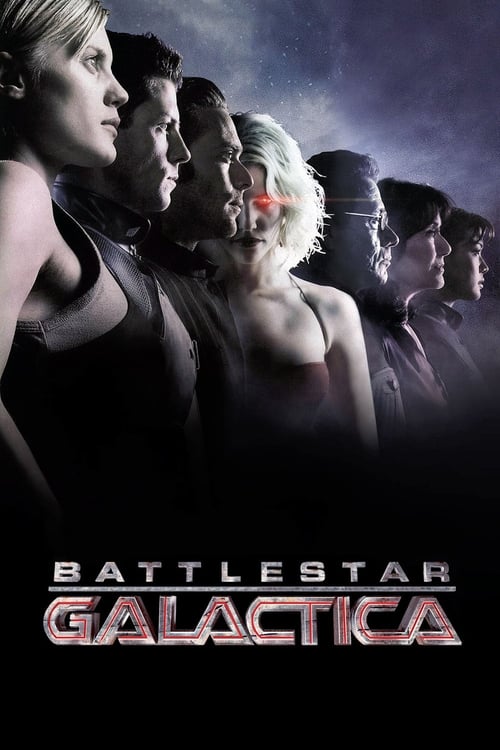
7. Battlestar Galactica
Who knew a sci-fi reboot could be so much more? BSG transcended its genre, offering a gritty, morally ambiguous take on survival, faith, and war. It wasn't just space battles; it was a complex political and philosophical drama, with deep characters and serialized arcs that felt incredibly relevant. It proved that smart, adult storytelling wasn't confined to Earth-bound dramas, even with robots. So say we all, indeed.
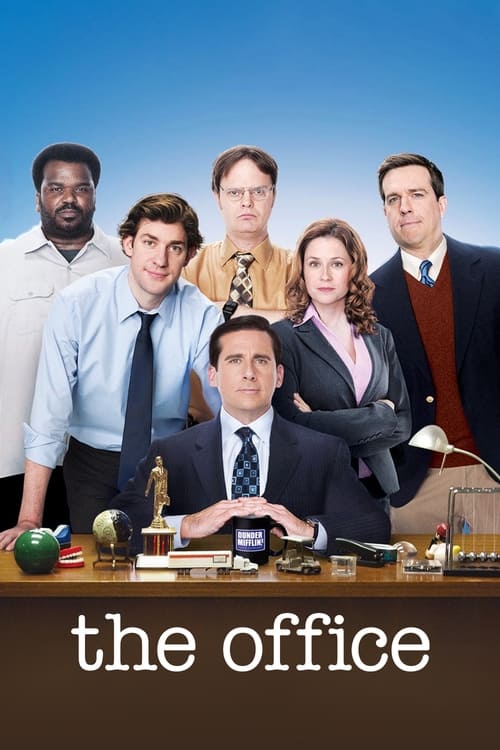
8. The Office
Taking a British classic and making it its own, the US Office perfected the mockumentary sitcom. It found humor in the mundane, building an ensemble of unforgettable characters whose awkwardness and warmth felt incredibly real. It mastered serialized character development within a comedic framework, making you genuinely care about these Dunder Mifflin employees. It reshaped how comedies could look and feel, becoming a cultural touchstone for workplace humor.