
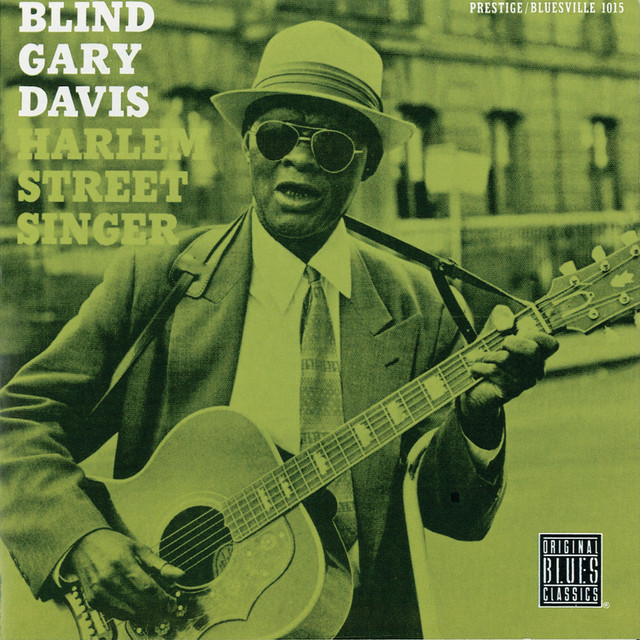
1. Harlem Street Singer
Rev. Gary Davis didn't just play guitar; he wrestled with it, extracting sermons and stories from every fret. This isn't some slick studio production; it's raw, unvarnished gospel blues, delivered with a fire that could scorch your soul. His voice, weathered and true, cuts through the decades, reminding you where so much of rock's fury and folk's honesty truly began. A foundational roar, stripped bare.
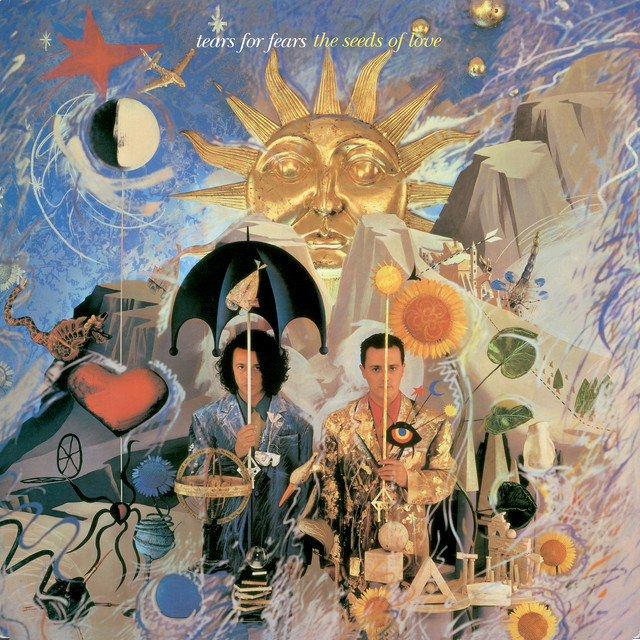
2. The Seeds Of Love
By '89, Tears for Fears had shed their new wave skin for something grander. This record, with its expansive arrangements, felt like pop's answer to bebop's complexity, yet it pulsed with a soulful undercurrent that even a disco titan would admire. It's lush, audacious, a maximalist statement that took the slickness of the decade and pushed it towards symphonic ambition, almost progressive rock in its scope.

3. The Heliocentric Worlds of Sun Ra, vols. 1-3
Sun Ra was already blasting off when others were still tying their laces. These 'Heliocentric Worlds' are pure cosmic bebop, a chaotic ballet of brass and abstract electronics that defies earthly gravity. It's the sound of jazz tearing itself apart to rebuild as something alien, yet profoundly human. A wild, unhinged journey into the outer reaches of sound, predicting industrial noise and electronic minimalism before they even had names.
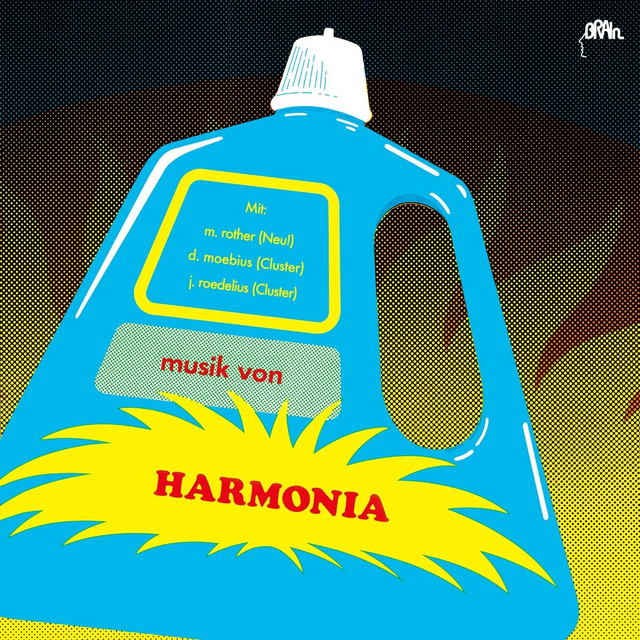
4. Musik von Harmonia
This is where Krautrock found its serene, motorik pulse. Harmonia carved out landscapes of sound, minimal yet utterly absorbing. It's a hypnotic thrum, a mechanical heartbeat beneath shimmering synthesizers, hinting at the future of electronic music while rooted in a post-rock simplicity. You hear the blueprint for ambient, for house's steady groove, and for post-punk's detached cool, all wrapped in a deceptively placid package.
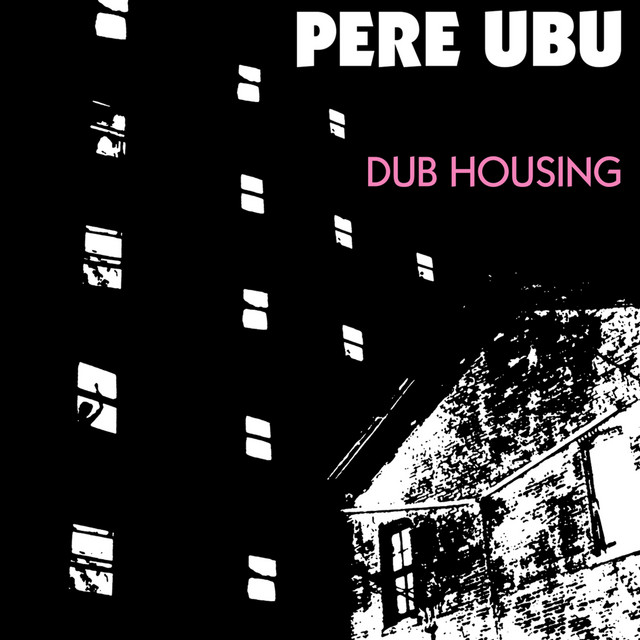
5. Dub Housing
Pere Ubu’s 'Dub Housing' is a jagged, unsettling artifact from Cleveland, '78. It's not punk in the three-chord sense, but a deconstructed, industrial blues. The rhythms are off-kilter, the vocals a strangled croon, and the instruments sound like they're fighting each other. This is the sound of urban decay and intellectual frustration, charting a course for post-punk's more experimental, confrontational edges. Gritty and indispensable.
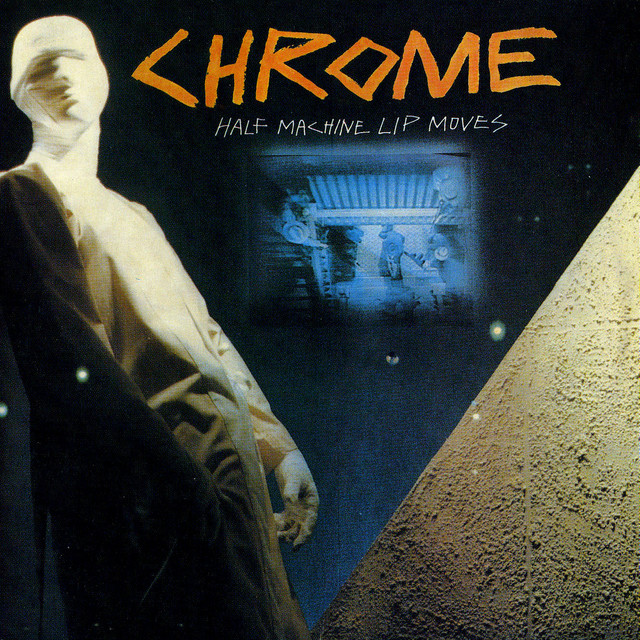
6. Half Machine Lip Moves / Alien Soundtracks
Chrome didn't just make records; they forged sonic weapons. These two LPs are a grimy, industrial assault, fusing punk's raw energy with a sci-fi dread and proto-metal's crushing weight. It's a distorted, feedback-drenched nightmare, predicting the noise rock and industrial movements that would follow. A metallic, alien clang that bypasses your ears and drills directly into your skull, leaving you utterly disoriented.
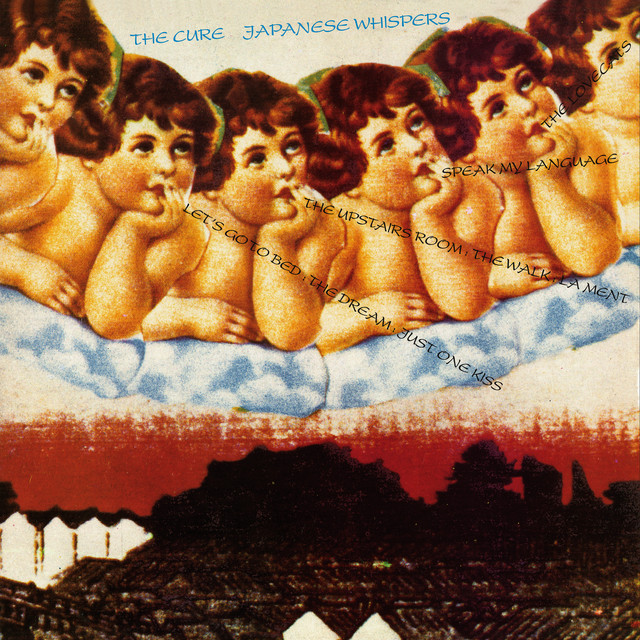
7. Just One Kiss
This track, whoever laid it down, captured the pure, unadulterated yearning of soul music, injected with disco's irresistible pulse. It’s that moment when a simple plea, delivered with raw vocal power, transcends mere pop to become something anthemic. You hear the gospel roots, the R&B swagger, and the nascent energy of what would soon become house music's emotional core. A potent, undeniable groove that just sticks.
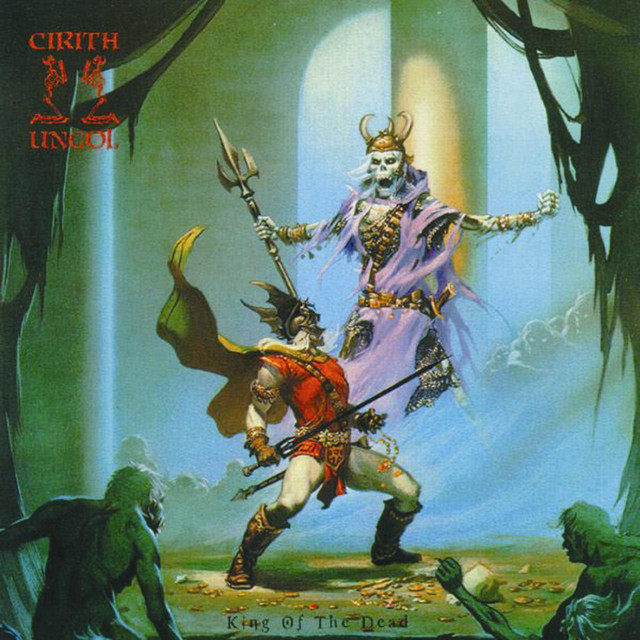
8. King of the Dead
Cirith Ungol's 'King of the Dead' isn't polished, but it's pure, unadulterated doom metal, forged in the fires of early Sabbath and NWOBHM. It's a lumbering, epic beast, with a vocalist who sounds like he's narrating ancient myths while battling dragons. This is the sound of metal still finding its massive, theatrical stride, laying down the heavy, often melancholic, groundwork for generations of headbangers. Primitive, powerful, essential.