
1. Spiderland
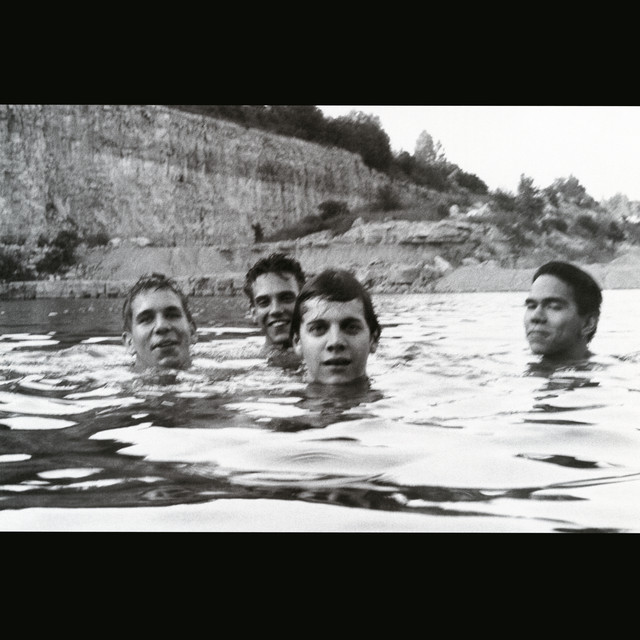
Slint's 1991 masterpiece, 'Spiderland,' remains a chilling, surgical incision into post-rock's nascent heart. Those angular guitars and Brian McMahan’s near-spoken, haunted delivery created a blueprint for quiet-loud dynamics that felt entirely new. It wasn't just math; it was emotional arithmetic, charting psychological landscapes with unsettling precision. And still, the tension and release hit you right in the gut, a truly foundational piece of the era's emerging sounds.
2. Hex
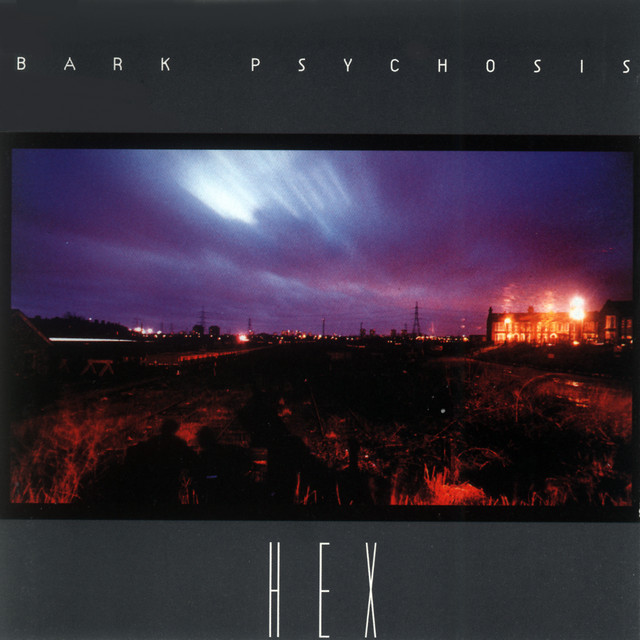
Bark Psychosis, with 1994's 'Hex,' truly coined 'post-rock' before most knew what it meant. This record was a hazy, atmospheric dreamscape, blending traditional rock instrumentation with ambient textures and subtle electronic flourishes. It felt like wandering through a rain-soaked urban night, introspective and profoundly melancholic. The way they built these sprawling, patient soundscapes, letting the silence breathe as much as the notes, felt revolutionary then and holds up as an essential mood piece now.
3. Modus Operandi
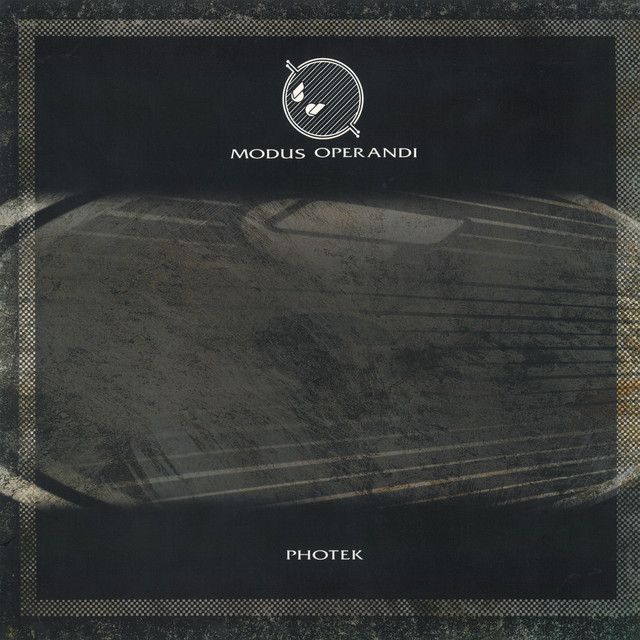
Photek’s 1997 'Modus Operandi' was a clinic in drum and bass sophistication. It wasn't just about speed; it was about the intricate, almost surgical precision of those breaks, the dark, cinematic atmosphere, and the sheer technical prowess. Each track unfolded like a complex mechanical ballet, deeply immersive and often unsettling. This wasn't just rave fodder; it was a head-nodding, cerebral journey into the deepest corners of electronic music, a true benchmark for IDM and jungle.
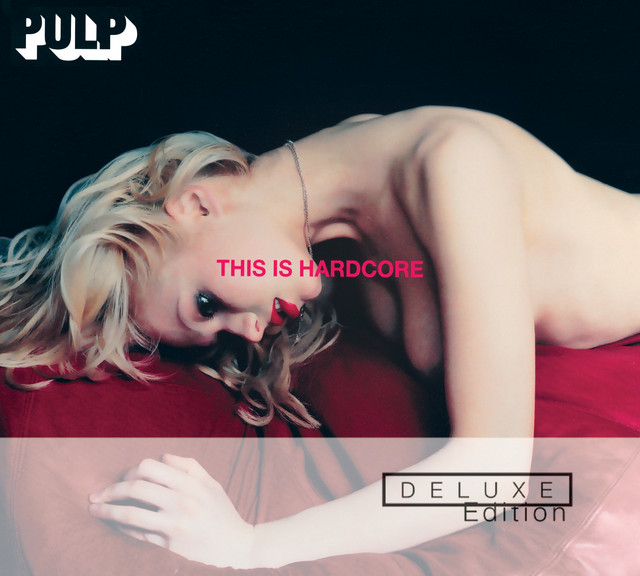
4. This Is Hardcore (Deluxe Edition)
Pulp's 'This Is Hardcore' from 1998 captured the creeping disillusionment beneath Britpop's glam veneer. Jarvis Cocker, ever the astute observer, laid bare the sleaze and sadness of celebrity, aging, and the end of a hedonistic era. It's grander, darker, and more orchestral than their earlier work, yet retains that signature wit and pathos. And the title track? An epic, sprawling lament that perfectly encapsulates the album's weary, cynical magnificence.
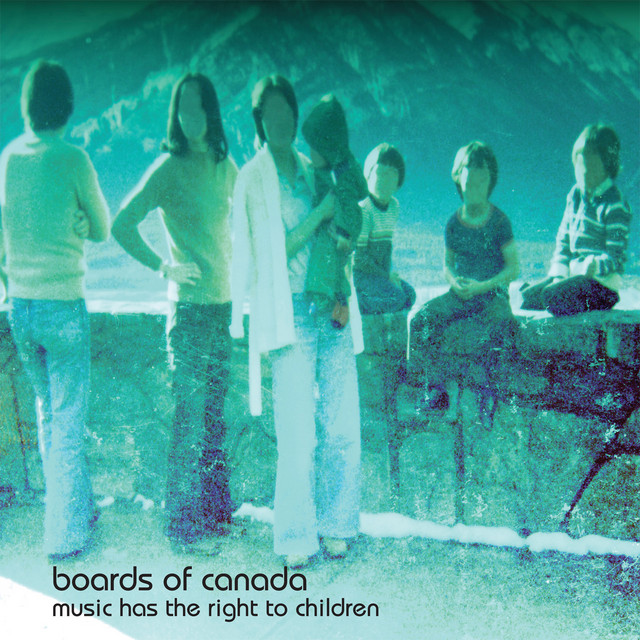
5. Music Has The Right To Children
Boards of Canada's 1998 debut, 'Music Has The Right To Children,' was like unearthing a dusty VHS tape of childhood memories from a parallel dimension. Its warm, analog synth textures, hazy samples, and lo-fi production created an entirely unique, nostalgic sonic world. It felt both familiar and alien, deeply personal yet universally resonant in its evocation of innocence, wonder, and a touch of melancholy. A truly pioneering work in ambient electronic music.
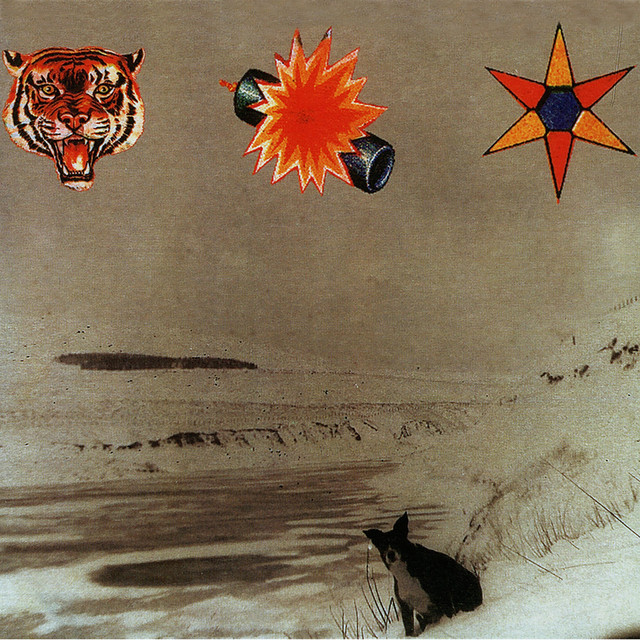
6. The Three E.P.'s
The Beta Band’s 1998 compilation, 'The Three E.P.’s,' was a glorious mess, but in the best possible way. They defied categorization, blending folk, dub, hip-hop, and indie rock with a charmingly ramshackle aesthetic. It felt like a band throwing everything at the wall and somehow making it stick, creating a sound that was instantly recognizable and utterly original. And still, its eclectic, free-spirited vibe is incredibly infectious and inspiring.
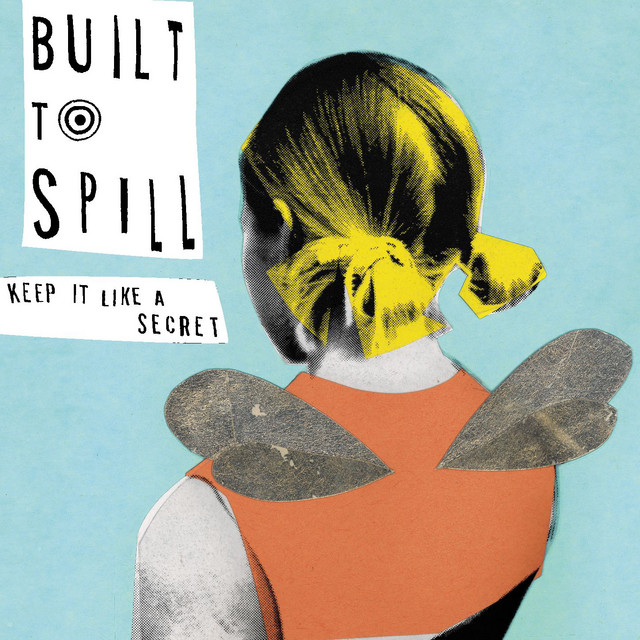
7. Keep It like a Secret
Built to Spill’s 1999 record, 'Keep It like a Secret,' showcased Doug Martsch's singular guitar vision at its peak. The way his intricate, winding leads danced over solid, melodic foundations was pure magic. It felt like wandering through a forest of sound, each guitar line a new path to explore. Lyrically understated but emotionally resonant, it's a masterclass in indie rock, proving that complexity and catchiness aren't mutually exclusive.
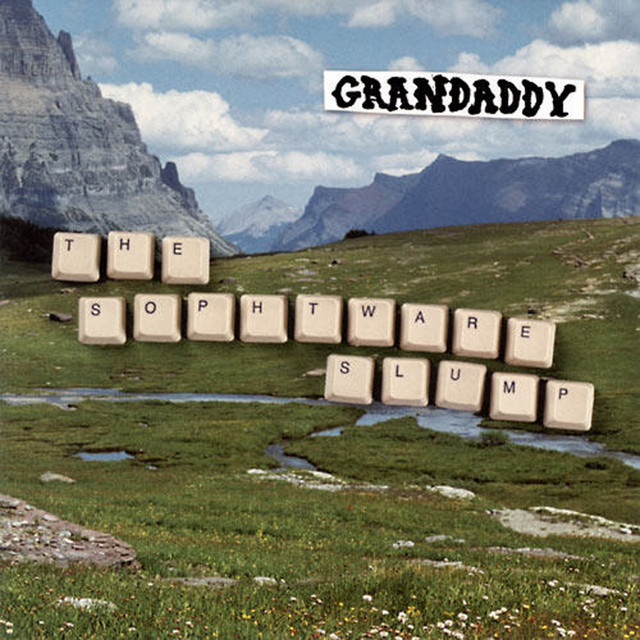
8. The Sophtware Slump
Grandaddy's 'The Sophtware Slump' from 2000 was a poignant elegy for a humanity grappling with burgeoning technology. Jason Lytle’s melancholic, often whimsical tales of robots, failed ambition, and quiet despair were set against a backdrop of lo-fi electronics and organic instrumentation. It perfectly captured that Y2K anxiety, blending warmth with a sense of isolation. And it still sounds incredibly prescient and emotionally rich today.