
1 / 8
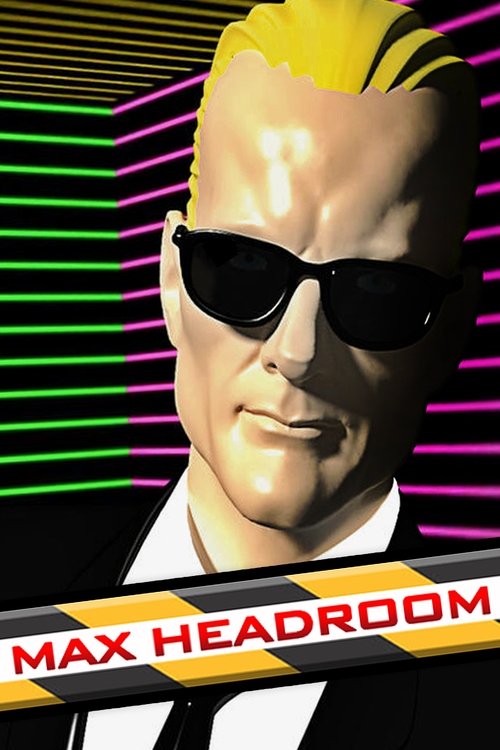
1. Max Headroom
This show was pure glitch-art prophecy. A cynical, stuttering AI host fronting a dystopian corporate media nightmare? Yeah, that felt right then, and it still does. The practical effects making Max himself felt like a fever dream – neon lines and blocky graphics that somehow made him more real than half the actors. It was sharp, aggressive, and ahead of its time, pushing the boundaries of what TV could even be. A true cult classic for anyone who saw the writing on the wall.
2 / 8
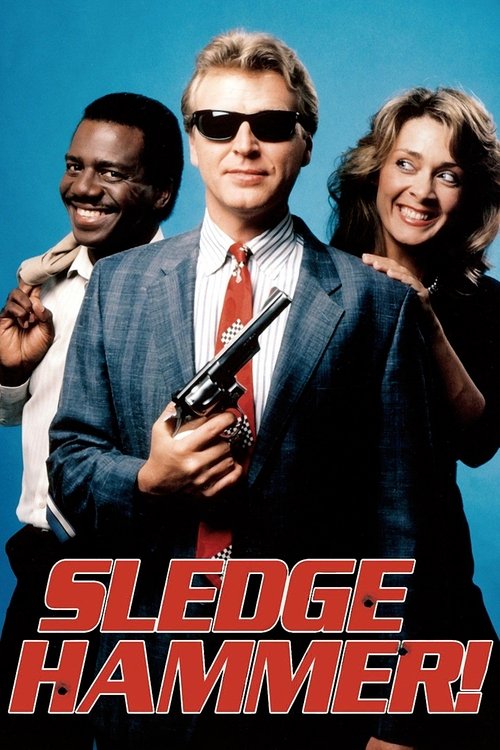
2. Sledge Hammer!
Talk about a slap in the face to network sensibilities. This wasn't just a cop show; it was a gleeful, cynical deconstruction of every single cliché. Sledge Hammer, with his pearl-handled .44 Magnum and casual disregard for procedure, was the ultimate anti-hero before anti-heroes were cool. The humor was dark, almost punk rock in its refusal to play nice. It was brilliantly stupid, wonderfully violent, and a total middle finger to prime-time respectability.
3 / 8

3. V
Forget aliens, this was pure, uncut Cold War paranoia wrapped in shiny silver jumpsuits. The original mini-series then the serialized follow-up, it started as a chilling allegory about fascism, then cranked the soap-opera dial to eleven with Visitor-human hybrids and resistance fighters. The practical effects, those lizard faces peeling off, were nightmare fuel. It was maximalist sci-fi, a sprawling, epic battle for Earth that you couldn't tear your eyes from.
4 / 8
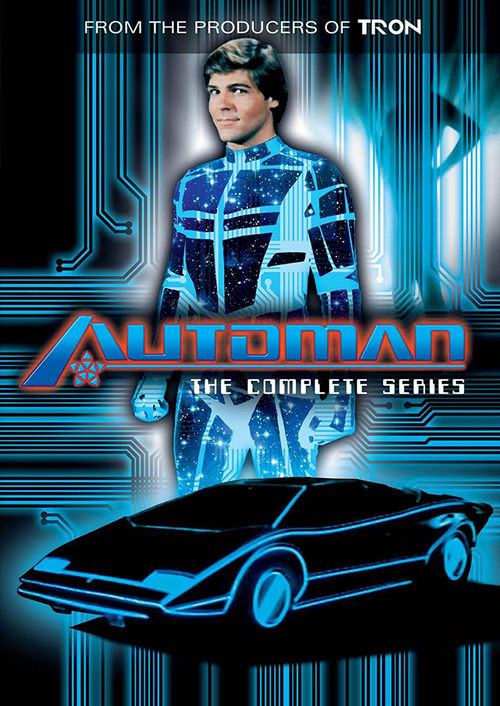
4. Automan
This show was like TRON met a cop drama, and honestly, it barely made sense, but it was glorious. Automan himself, a computer program manifested in the real world, was peak 80s proto-CGI. Those light-cycle chases, the glowing outlines, it was an analog marvel trying to look digital. Sure, the plots were thin, but the visual spectacle of a hero who could materialize a helicopter out of thin air? That was groundbreaking stuff for its time.
5 / 8
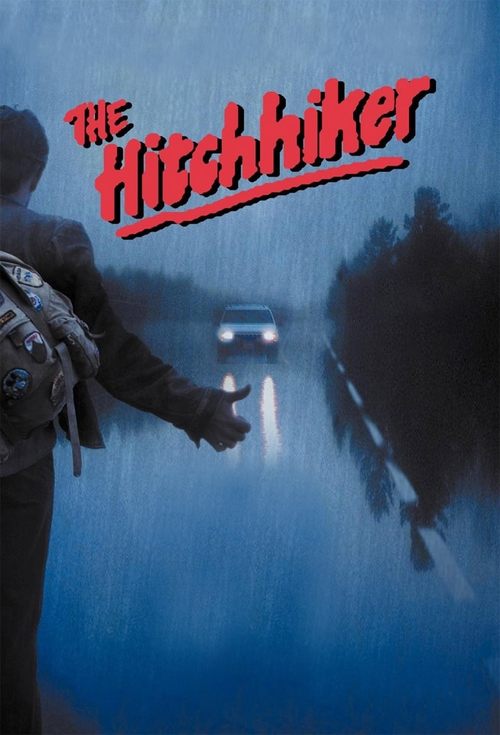
5. The Hitchhiker
HBO went dark and mysterious with this one. An anthology series, always introduced by this enigmatic drifter, each episode was a standalone slice of adult-oriented suspense and psychological horror. No happy endings here, just twisted tales of desire, betrayal, and consequence. It felt dangerous, like something you weren't supposed to be watching on basic cable. The atmosphere was thick, gritty, and totally unlike anything else on TV.
6 / 8
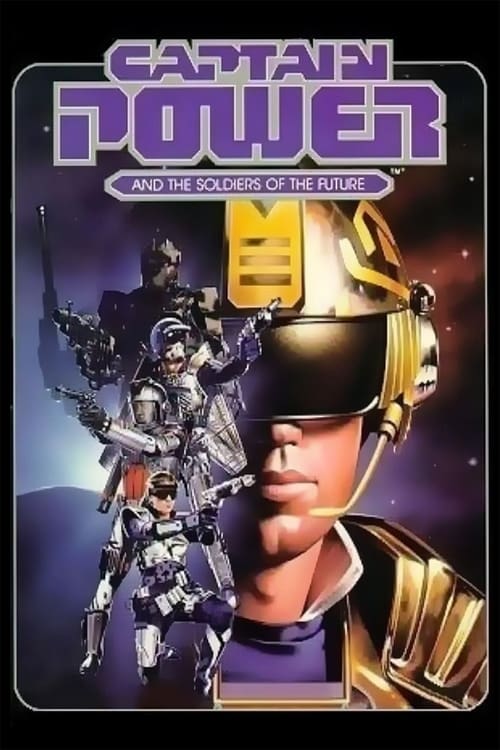
6. Captain Power and the Soldiers of the Future
This was Saturday morning cartoons for kids who liked their futures bleak. A dark, live-action sci-fi dystopia where humanity fought sentient machines, it was surprisingly grim. But the real hook was the interactive element – those toys that fired at the screen! It was a wild, proto-multimedia experiment, blending early CGI with practical effects and a genuinely dark serialized story. Ahead of its time, and a little terrifying.
7 / 8
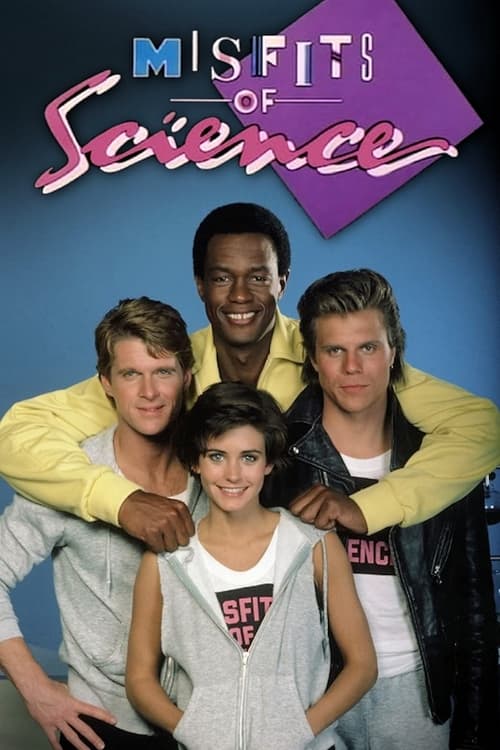
7. Misfits of Science
Before superheroes were everywhere, this show gave us a quirky, almost comedic take on super-powered outcasts. A guy who shrinks, a woman who generates electricity, a large ape-like dude – it was a bizarre ensemble. It had that early 'genre-hybrid' vibe, mixing comedy with sci-fi adventure. It was a bit silly, a bit campy, but it captured a certain 80s charm, trying to do something different with the 'freak' concept.
8 / 8
8. The Ray Bradbury Theater
This anthology series was a masterclass in atmospheric storytelling. Bradbury himself introducing each eerie, thought-provoking tale was a stroke of genius. It brought his classic sci-fi and fantasy short stories to life with a quiet intensity, often exploring human nature's darker corners. It wasn't about flashy effects; it was about the ideas, the mood, and the unsettling beauty of his words translated to the screen. Pure gold.