
1 / 7
1. Spiderland
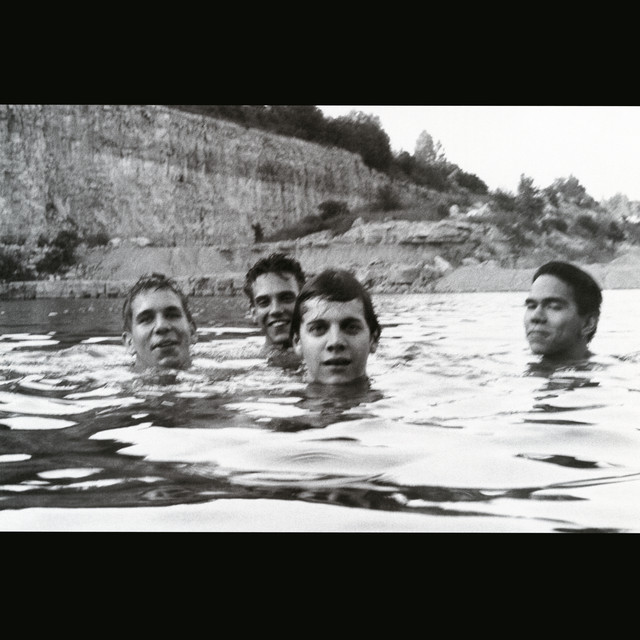
Man, 'Spiderland' still just hits you in the gut. Even without a specific year, you know this is pure '91, the kind of quiet intensity that set the stage for so much post-rock. It's not about flashy production; it's about the space between the notes, the way those guitars build tension and then just… break. It felt digital in its precision, almost mathematical, but the emotion was all human. You can still hear its echo in everything that came after, a blueprint for atmospheric aggression.
2 / 7
2. Hex
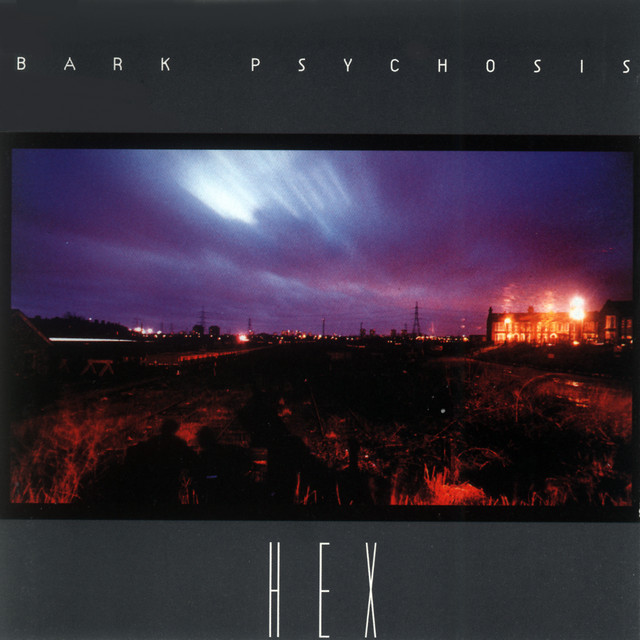
Bark Psychosis’s 'Hex' is another one that defined a sound, though it often gets overshadowed. Released in '94, it’s this incredibly fragile, atmospheric thing, blending the skeletal rhythms of trip-hop with indie rock sensibilities. The digital sheen on those delicate textures, the way the vocals just float above it all, it was groundbreaking. It felt like a late-night listen from another dimension, proving that 'post-rock' wasn't just about volume, but about mood and exploration within the digital soundscape. Still haunting.
3 / 7
3. In Sides
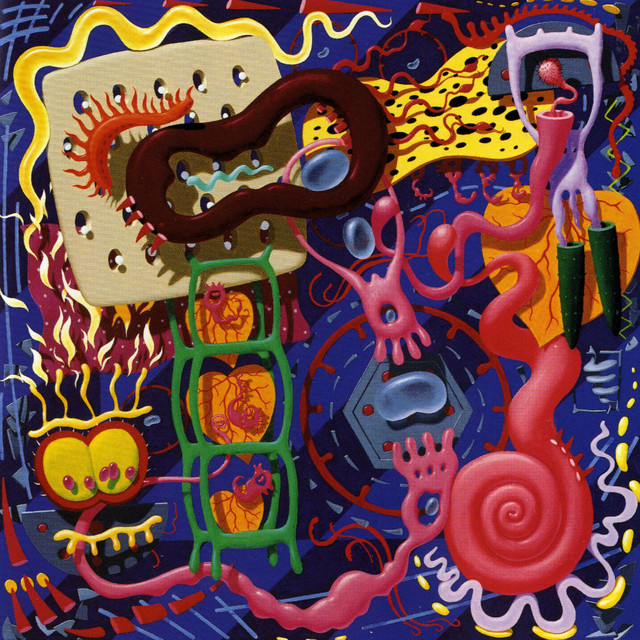
Orbital’s 'In Sides,' dropped in '96, was just epic, a cinematic journey before everyone was calling everything cinematic. This wasn't just background music; it was the soundtrack to a whole generation’s late-night drives and early-morning come-downs, but in the best way. The way they built these massive, emotional soundscapes with synthesizers, the sheer scope of it all, it showed what electronic music could really *do*. It felt like the future arrived, full of hope and a little bit of melancholy, all meticulously crafted.
4 / 7
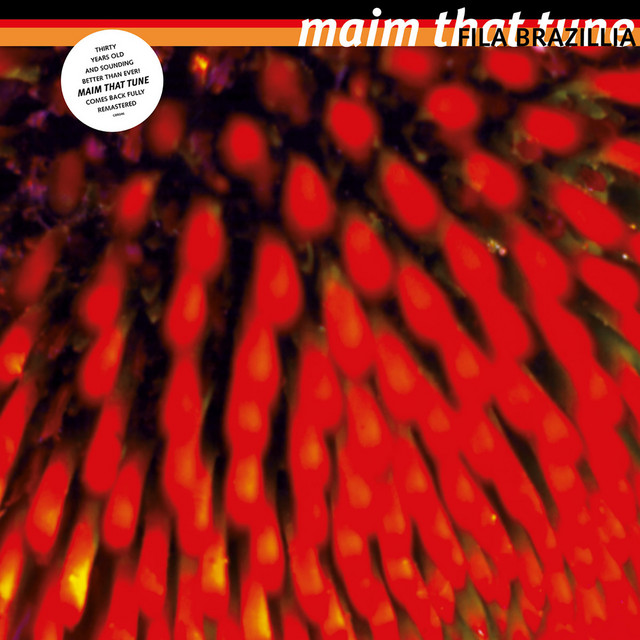
4. Maim That Tune (2025 30th Anniversary Remaster)
So, you get a 30th-anniversary remaster in 2025? That’s prime Digital Explosion territory, bringing back whatever angular, maybe even glitchy, genius 'Maim That Tune' first unleashed in '95. It’s about revisiting those early digital production choices, now scrubbed clean, but hopefully retaining that original grit. I’m thinking the remaster will clarify the chaos, let those intricate, almost mathematical guitar lines or synthesized squiggles really breathe, showing how ahead of its time it truly was. It's less about new tracks and more about forensic audio.
5 / 7
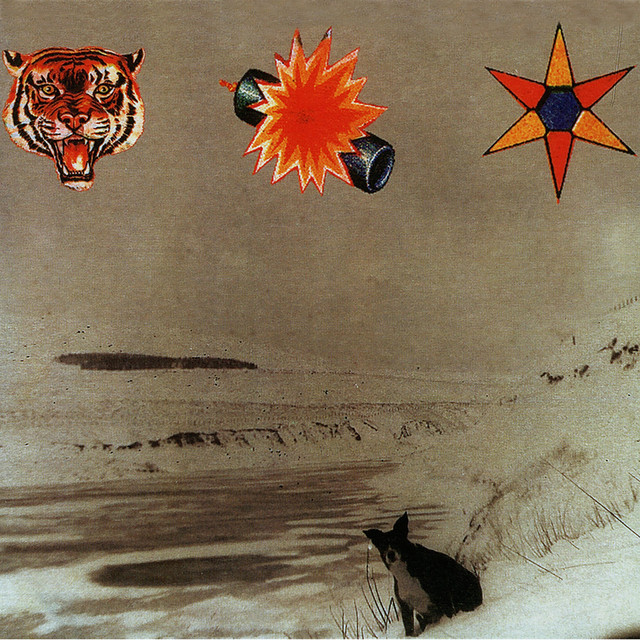
5. The Three E.P.'s
The Beta Band’s 'The Three E.P.'s' from '98, man, that compilation was a revelation. It threw everything at the wall – folk, hip-hop beats, trippy electronic textures, indie rock – and somehow it all stuck. It felt so incredibly fresh, so unconcerned with genre boundaries, like they were just messing around in a digital studio and stumbled onto genius. This wasn't polished; it was raw, playful, and deeply influential. It showed that the digital era wasn't just about clean sounds, but about fearless collage.
6 / 7
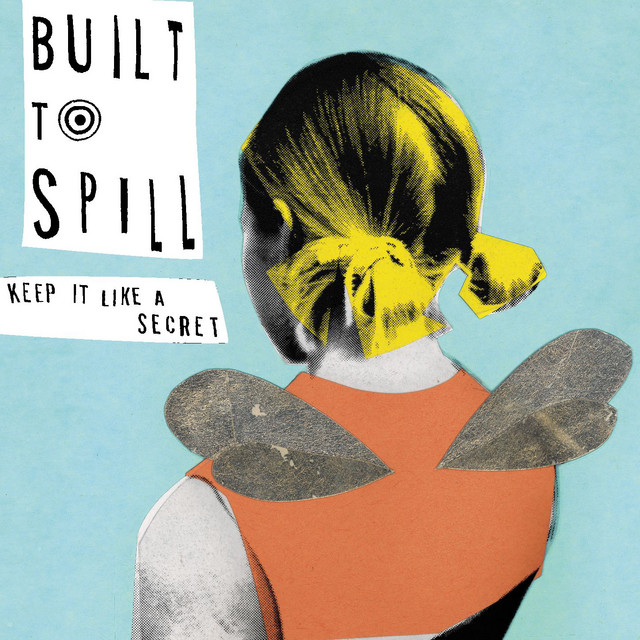
6. Keep It like a Secret
Built to Spill’s 'Keep It like a Secret,' from '99, just solidifies their legend. Doug Martsch’s guitar work here is legendary, intricate and soaring, but always serving the song. It’s indie rock distilled to its purest, most melodic form, without ever losing that edge or emotional depth. The production captured that live band feel but with a clarity that digital recording was finally delivering consistently. It’s an album that reminds you why guitars still mattered when everything else was going electronic, full of heart and hooks.
7 / 7
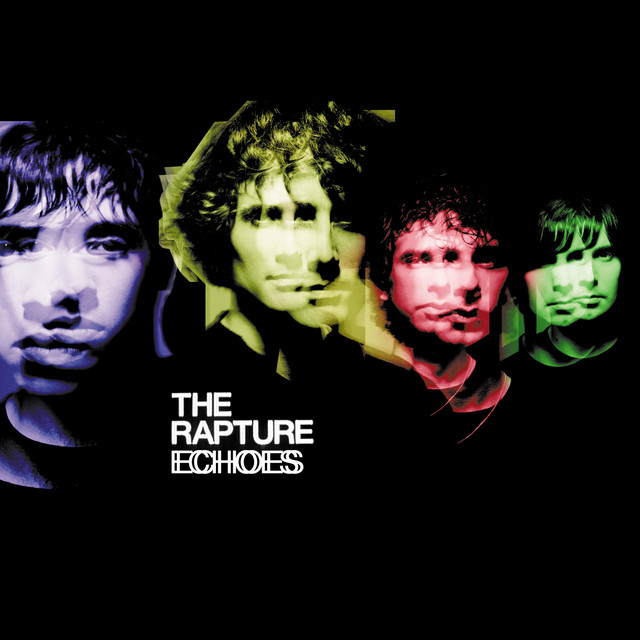
7. Echoes
The Rapture’s 'Echoes,' from 2003, landed right when post-punk revival was hitting its stride, but they pushed it further. That album just *grooved*. It blended dance-punk energy with gritty indie rock, those cowbells and insistent basslines making you move, even if you were just listening in your headphones. It showed how rock bands could fully embrace electronic textures and rhythms without losing their soul. It felt urgent, a little bit dangerous, and utterly essential for anyone trying to bridge the gap between the club and the stage.