

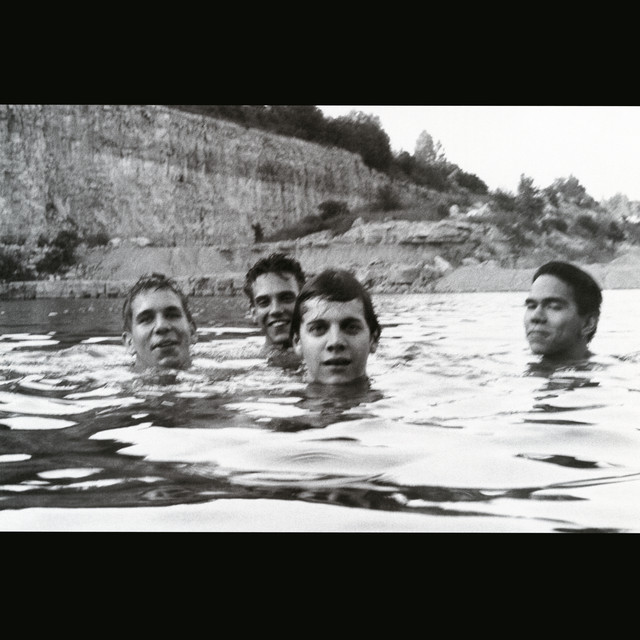
1. Spiderland
Slint's "Spiderland" wasn't just an album; it was a blueprint. It arrived in '91, a stark, often terrifyingly quiet beast that twisted post-rock into something new. Those angular guitar lines, the hushed vocals that erupt into screams – it’s still unsettling, still demands your full attention. This isn't background noise; it's a deep, intellectual dive into tension and release. It showed us what guitars could really *do* beyond the usual rock tropes, a true foundational text for anyone building sonic landscapes.
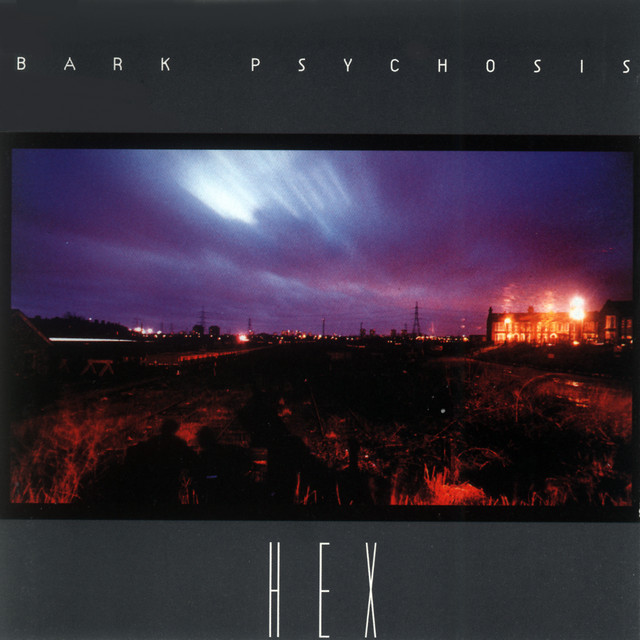
2. Hex
Bark Psychosis's "Hex" dropped in '94, a spectral, almost ambient take on post-rock that felt like a secret. It wasn't about big riffs, but about texture, atmosphere, and the patient unfolding of sound. Those melancholic vocals drifting over sparse instrumentation and subtle electronic flourishes created a mood that was both fragile and deeply immersive. This was music for late-night introspection, a kind of sonic fog that seeped into your bones, proving that quiet intensity could be truly profound.
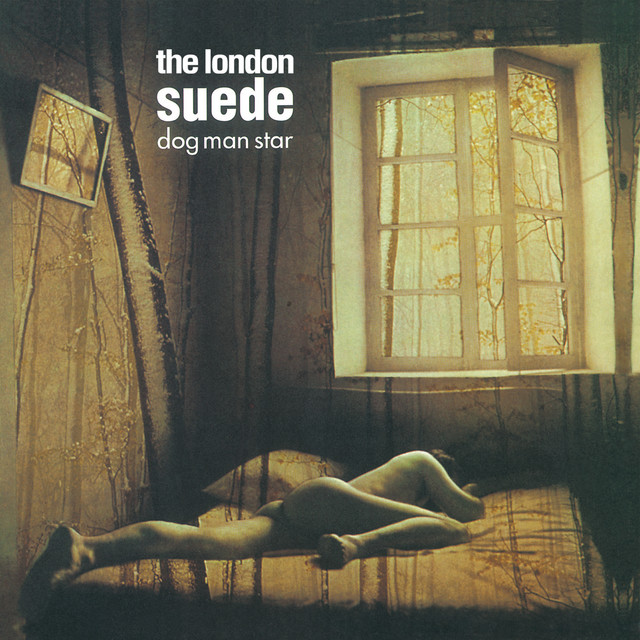
3. Dog Man Star (Remastered)
Suede's "Dog Man Star," even the '94 original, was always grand, but the remastered version really lets its theatrical ambition breathe. It bucked the burgeoning Britpop trend for something darker, more sprawling, a glam-rock epic laced with melancholy. Brett Anderson’s vocals soar, then crack, over Bernard Butler’s intricate, often furious guitar work. It's an album that wears its heart on its sleeve, a dramatic, almost operatic statement that still feels utterly defiant and necessary.
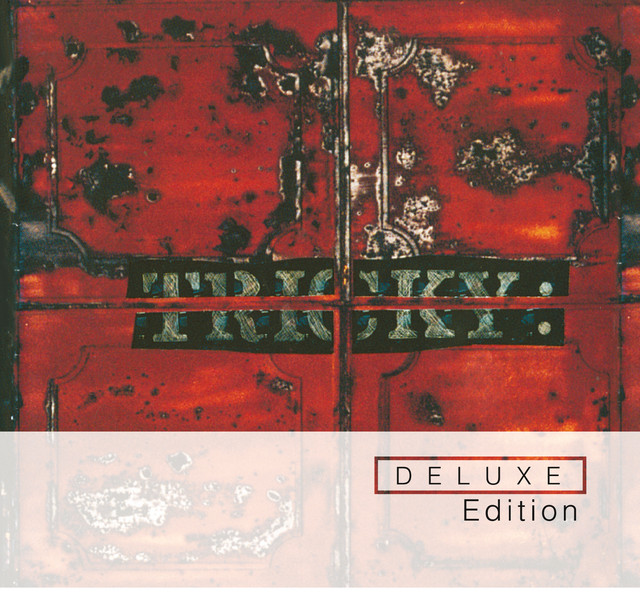
4. Maxinquaye (Deluxe Edition)
Tricky's "Maxinquaye" from '95, especially the deluxe edition, lays bare its raw, unsettling genius. This wasn't just trip-hop; it was trip-hop deconstructed, a shadowy, claustrophobic soundscape where beats slithered and Martina Topley-Bird’s vocals were a ghostly whisper. It felt dangerous, a hallucinatory journey through Bristol's underbelly, rejecting easy melodies for something far more primal and profound. Its influence, still palpable today, speaks to its daring, experimental spirit.
5. Modus Operandi
Photek's "Modus Operandi" from '97 was a masterclass in drum and bass, but it was also so much more. This wasn't just for the dancefloor; it was cinematic, a high-tension thriller soundtrack in album form. Those intricate, surgical breakbeats, the deep, resonant basslines, and the sparse, almost noirish atmosphere created something truly unique. It proved that electronic music could be both intellectually stimulating and viscerally thrilling, a precise, shadowy work that still feels ahead of its time.
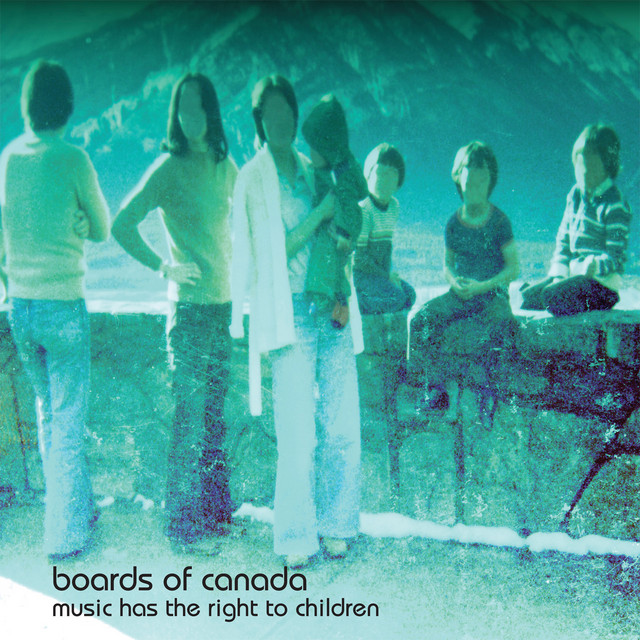
6. Music Has The Right To Children
Boards of Canada's "Music Has The Right To Children," released in '98, felt like unearthing a forgotten VHS tape from a sun-drenched childhood. It blended grainy samples, hazy synthesizers, and warped melodies into an IDM masterpiece that was both deeply nostalgic and strangely unsettling. This album created its own sonic universe, a wistful, analogue-tinted dreamscape that still resonates with a warmth and mystery that few electronic records ever achieve. It's pure, unadulterated mood.

7. Leaves Turn Inside You
Unwound's "Leaves Turn Inside You" from '01 was a double-LP sprawl, a final, ambitious statement that pushed their post-hardcore roots into something far more intricate and melancholic. It’s dense, often dissonant, yet utterly compelling. Those interlocking guitars, the raw emotional vocals, and the sheer scope of it make for a challenging but incredibly rewarding listen. It’s an album that demands patience, but repays it with a depth and emotional resonance that few bands ever reach.