1. The Shield
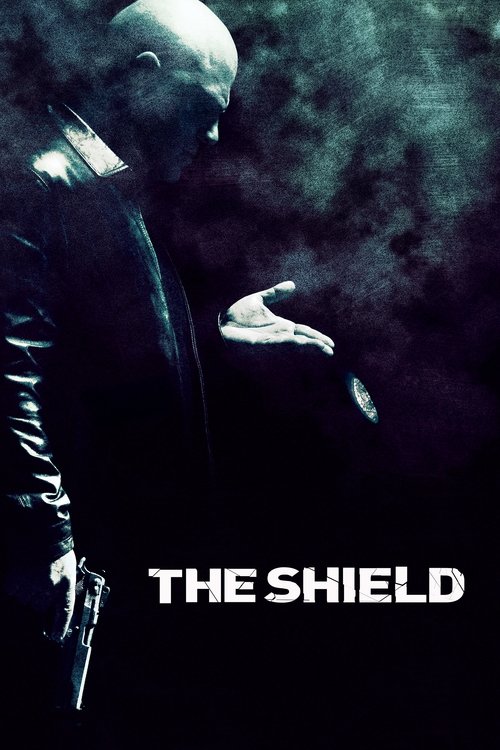
Before everyone had an anti-hero, Vic Mackey was tearing down the house, literally. This wasn't your father's cop show. FX, still finding its footing, let creators explore moral ambiguity and serialized storytelling with a vengeance, pushing boundaries network TV wouldn't dare touch. It proved that deeply flawed characters and lingering consequences could drive a narrative for years, fundamentally shifting expectations for crime dramas.
2. Deadwood
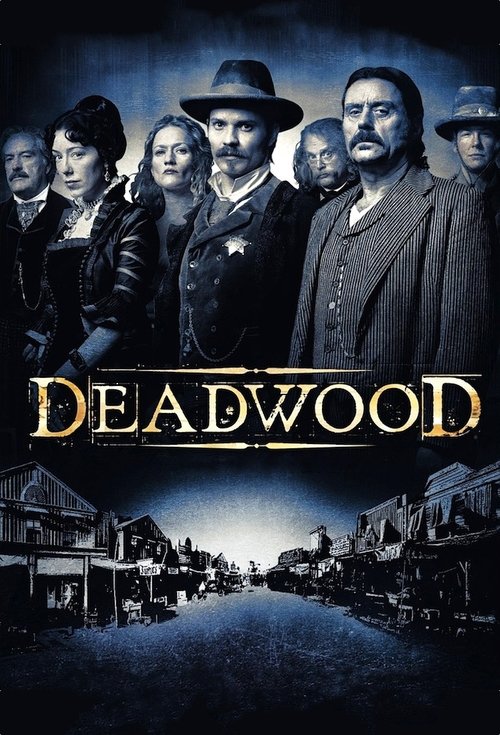
HBO gave us *Deadwood*, a linguistic masterpiece disguised as a Western. It was brutal, poetic, and dense, demanding attention in an era of casual viewing. David Milch’s singular voice crafted an ensemble piece that felt more like a novel than a TV show, showcasing HBO’s willingness to bet big on artistic vision and complex, adult storytelling that broke every convention and elevated the medium.
3. Arrested Development
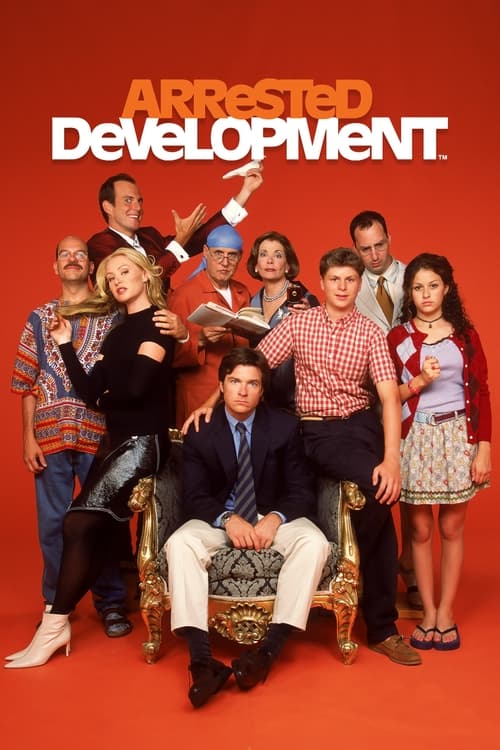
*Arrested Development* was a comedy that operated on a different plane. Its mockumentary style, rapid-fire gags, and deeply layered callbacks practically invented the rewatch. Fox might have canceled it too soon, but its influence on comedic structure, ensemble dynamics, and how audiences engaged with dense, self-referential humor was undeniable, laying groundwork for future cult hits that thrived on repeat viewings.
4. Carnivàle
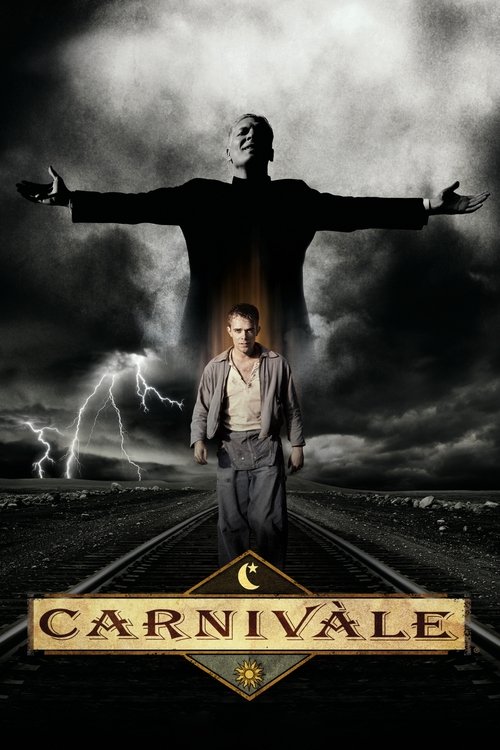
Talk about ambitious. *Carnivàle* was HBO throwing everything at the wall: Depression-era Americana, biblical allegory, and a traveling carnival. Its atmospheric, almost dreamlike quality and slow-burn mysteries captivated some, alienated others. It was a bold, visually stunning swing, demonstrating how far cable was willing to go for a truly unique, serialized narrative, even if it eventually buckled under its own weight.
5. Boomtown
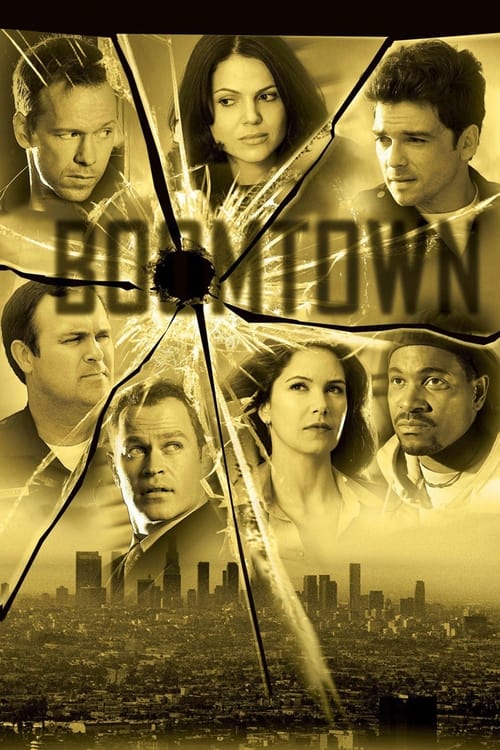
*Boomtown* was network TV trying to be cable, and it was brilliant. Its non-linear, Rashomon-style storytelling, where each episode revisited a crime from multiple character perspectives, was groundbreaking for an NBC procedural. It had an incredible ensemble and depth, but audiences weren't quite ready for that level of narrative complexity on terrestrial TV. A true innovator that deserved more time.
6. Rubicon
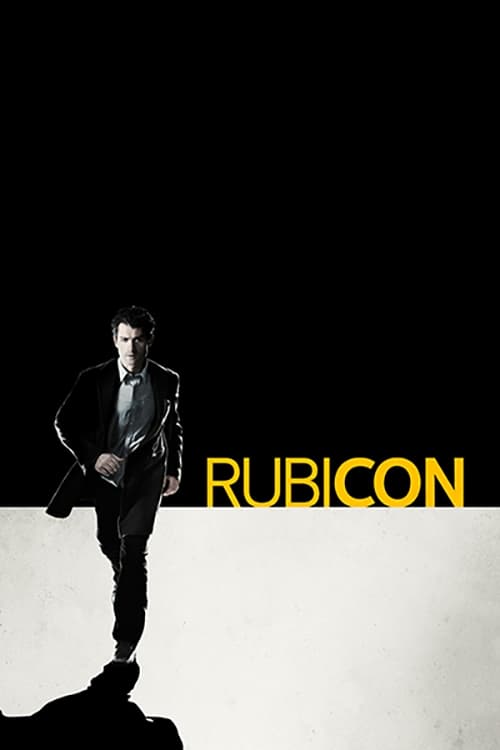
*Rubicon* arrived on AMC after *Mad Men* and *Breaking Bad* cemented the network’s prestige. It was a different beast: a deliberately paced, intellectual conspiracy thriller that demanded patience. Its quiet intensity, focus on intricate puzzles, and nuanced character work felt like a novel unfolding. It proved that even in the age of big, flashy dramas, there was room for subtle, cerebral storytelling.