

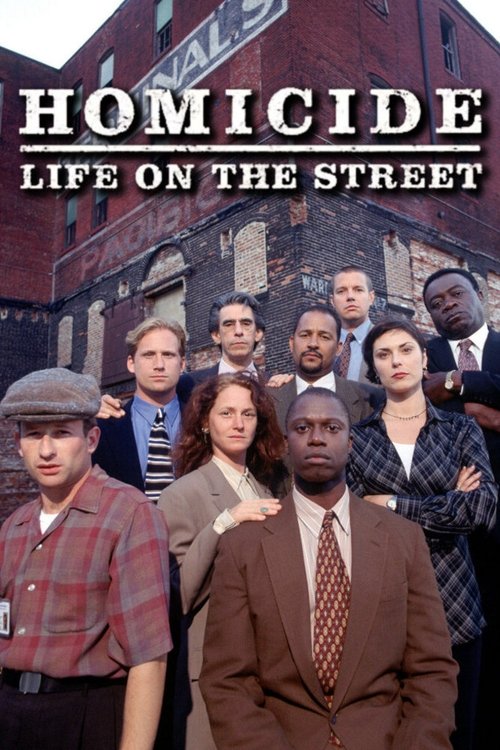
1. Homicide: Life on the Street
Before *The Wire* was a twinkle in anyone's eye, *Homicide* redefined network police procedurals. Barry Levinson brought a raw, documentary-style grit to Baltimore, using jump cuts and handheld cameras that felt revolutionary on broadcast TV. It was an ensemble piece, dense with character, showing us that crime wasn't neat and certainly wasn't solved in forty-two minutes. This was serialized drama with a cinematic edge, a real precursor to the prestige TV era.
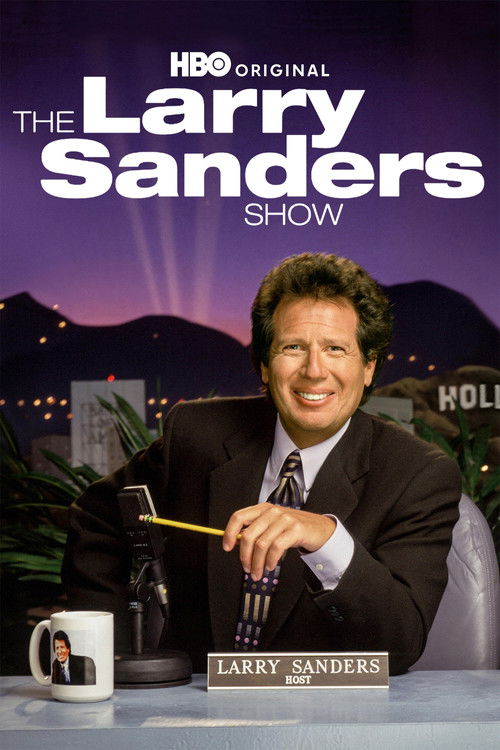
2. The Larry Sanders Show
HBO truly changed the game with *The Larry Sanders Show*. This wasn't just a sitcom; it was a painfully accurate, often uncomfortable mockumentary dissecting the ego and artifice behind late-night television. Garry Shandling created characters so real you forgot they were acting, pushing the boundaries of comedy by showing us the dark, insecure heart of fame. It proved cable could do something network wouldn't touch, laying the groundwork for riskier endeavors.
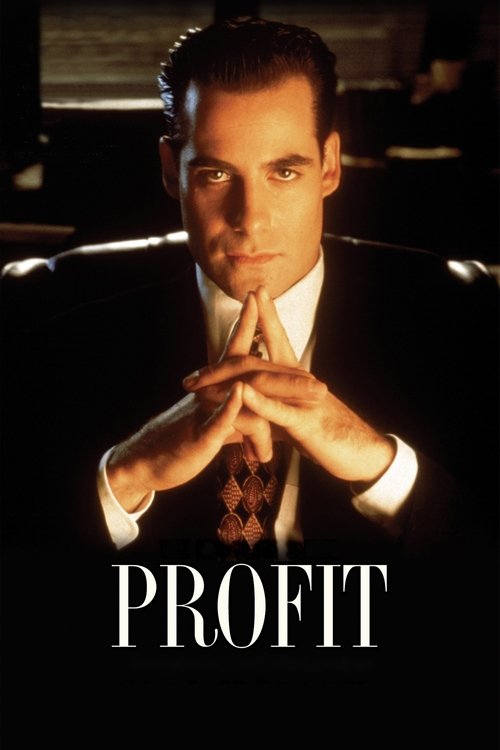
3. Profit
Fox, of all places, tried to go dark and twisted with *Profit*. This show was a shocking, audacious gamble on a truly amoral protagonist, a corporate raider who'd burn down the world for a dollar. It was unsettling, utterly cynical, and way ahead of its time in showcasing a truly irredeemable anti-hero. Network TV just wasn't ready for that kind of serialized, morally ambiguous cable-style risk, and it paid the price.
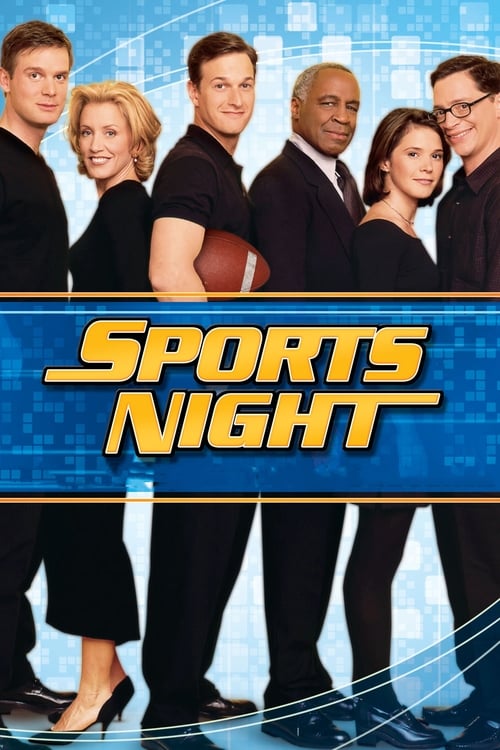
4. Sports Night
Aaron Sorkin's debut, *Sports Night*, was a masterclass in rapid-fire dialogue and ensemble chemistry. It often felt like a stage play shot with a single camera, blending sharp comedy with genuine drama about journalistic integrity. It took the workplace sitcom and elevated it, showing that smart, serialized storytelling could thrive on network television, even if it had a laugh track it clearly didn't want. A true dramedy pioneer.
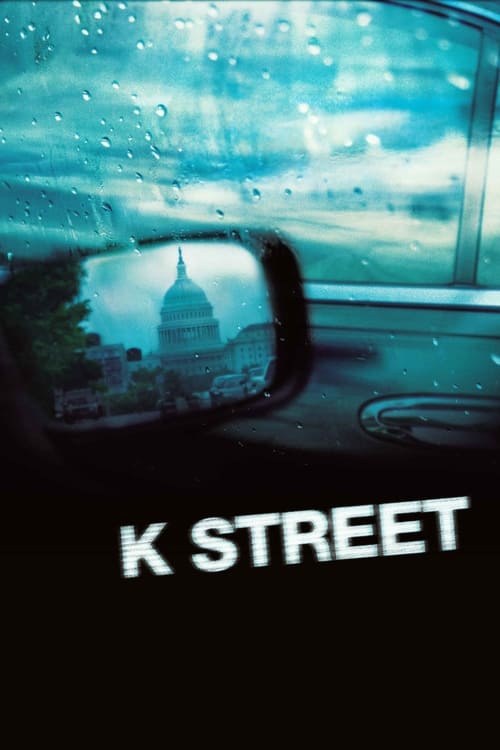
5. K Street
HBO's *K Street* was a wild experiment, almost a proof-of-concept for blurring the lines between fiction and reality. Shot just weeks before airing, it incorporated real political figures into a fictional D.C. lobbying firm. It felt like watching a live, serialized political mockumentary, a raw, unpolished look at power. It was perhaps too avant-garde for its time, but it laid groundwork for reactive, almost on-demand storytelling.
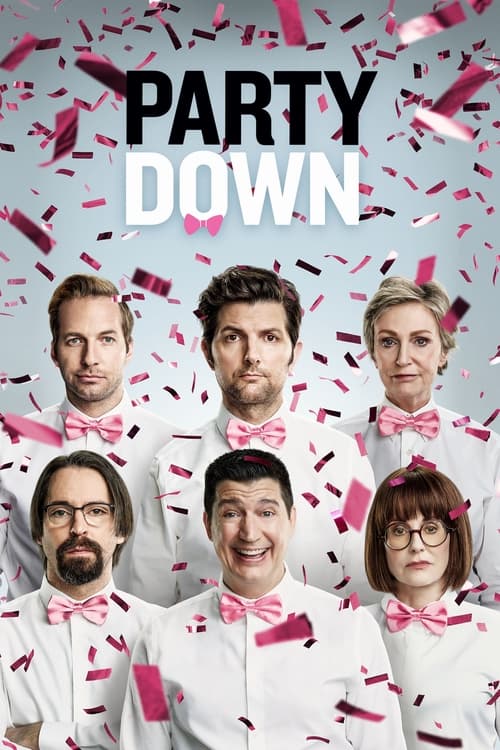
6. Party Down
Years later, *Party Down* on Starz perfectly captured the bittersweet reality of chasing Hollywood dreams while catering to others. It was a brilliant ensemble mockumentary, finding humor and pathos in the indignities of service work. The writing was sharp, the characters deeply relatable, and it solidified that this blend of observational comedy and serialized character drama was a proven formula for cable's nuanced storytelling. A cult classic.