
1 / 6
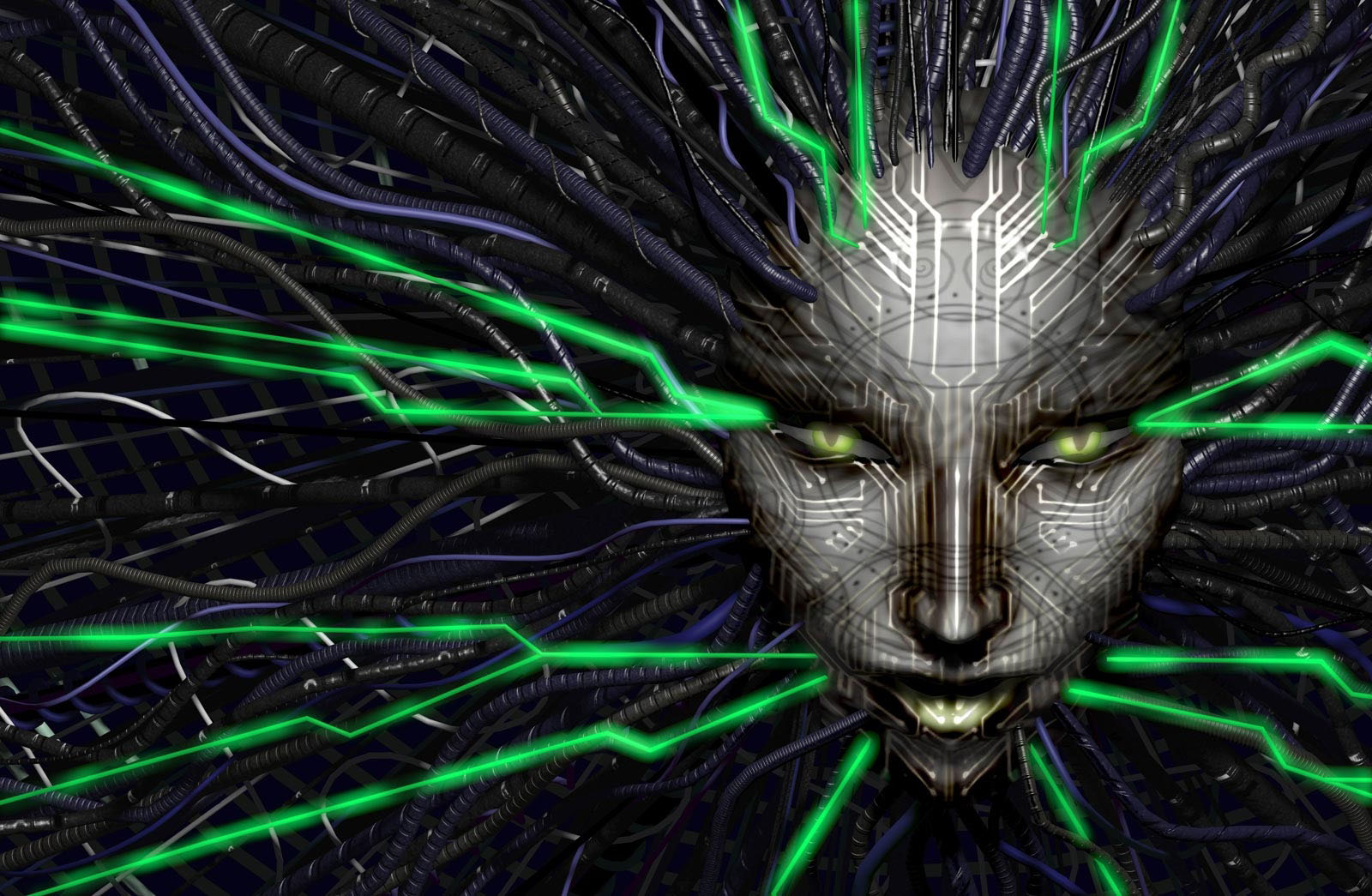
1. System Shock 2
This game, released in 1999, was a masterclass in atmospheric horror and immersive simulation, blending RPG mechanics with a terrifying narrative. Its derelict starship, the Von Braun, and the malevolent AI SHODAN, created an oppressive sense of dread and vulnerability. It didn't just tell a story; it let you inhabit a desperate struggle for survival, influencing countless titles that followed, establishing a blueprint for deep player agency within a meticulously crafted world.
2 / 6
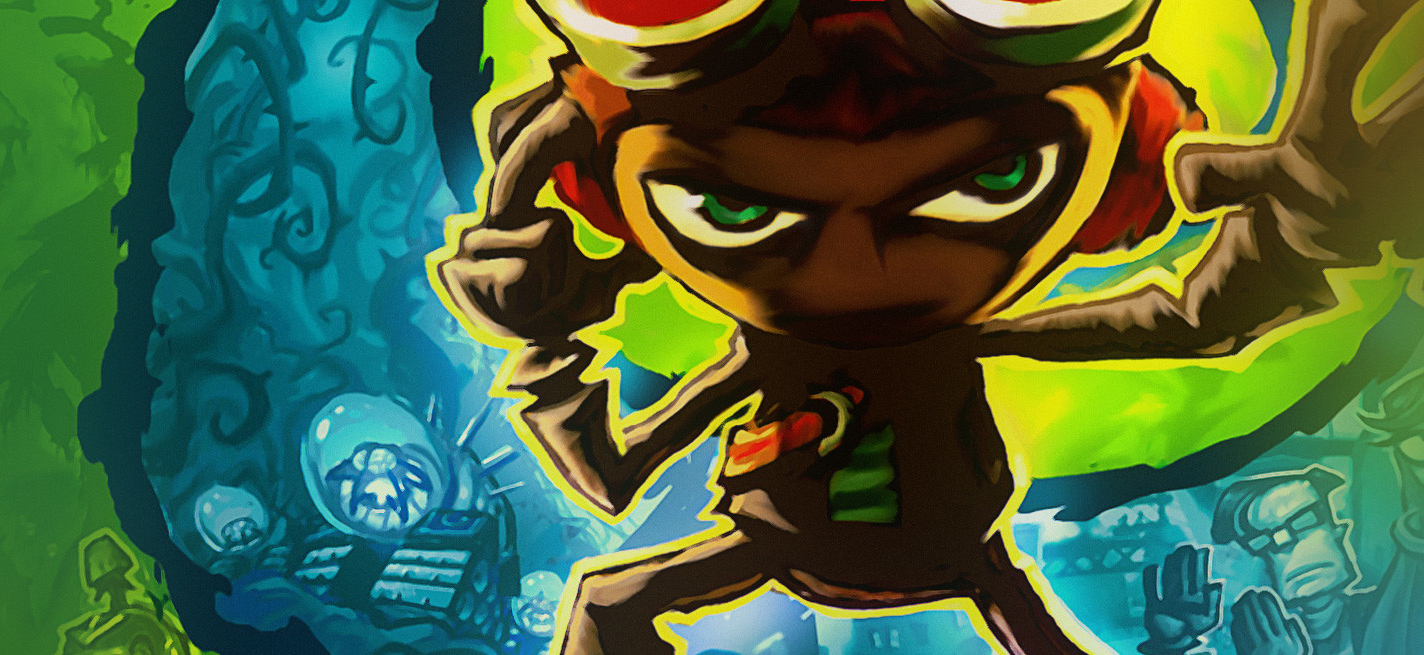
2. Psychonauts
When it arrived in 2005, Psychonauts proved that platformers could be more than just jumping puzzles. Tim Schafer’s creation took players inside the minds of its quirky cast, each level a surreal, brilliant representation of psychological states. Its sharp writing, unique art direction, and clever mechanics made it a critical darling, though commercial success was slower. Still, it championed narrative depth and artistic vision in a genre often perceived as light fare, cementing Double Fine's reputation.
3 / 6
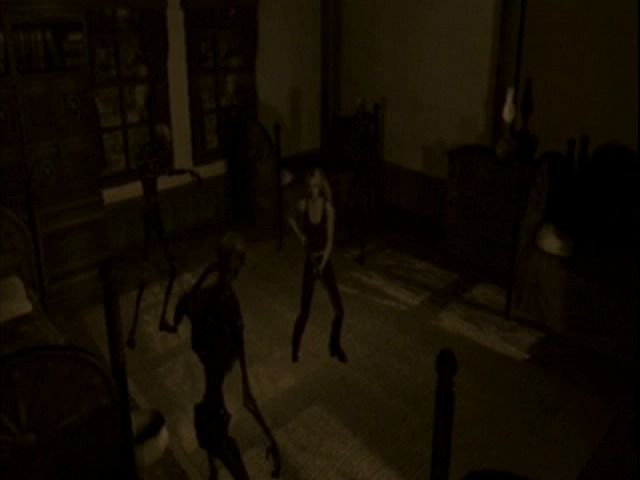
3. Eternal Darkness: Sanity's Requiem
Unveiled on the GameCube in 2002, Eternal Darkness was a bold experiment in psychological horror. It masterfully blurred the line between player and protagonist, introducing 'sanity effects' that actively messed with the player's perception of the game itself, from fake error messages to corrupted save files. This meta-narrative approach was genuinely groundbreaking, proving that horror could be more than jump scares; it could unravel your very sense of reality, a trick few have dared to replicate.
4 / 6
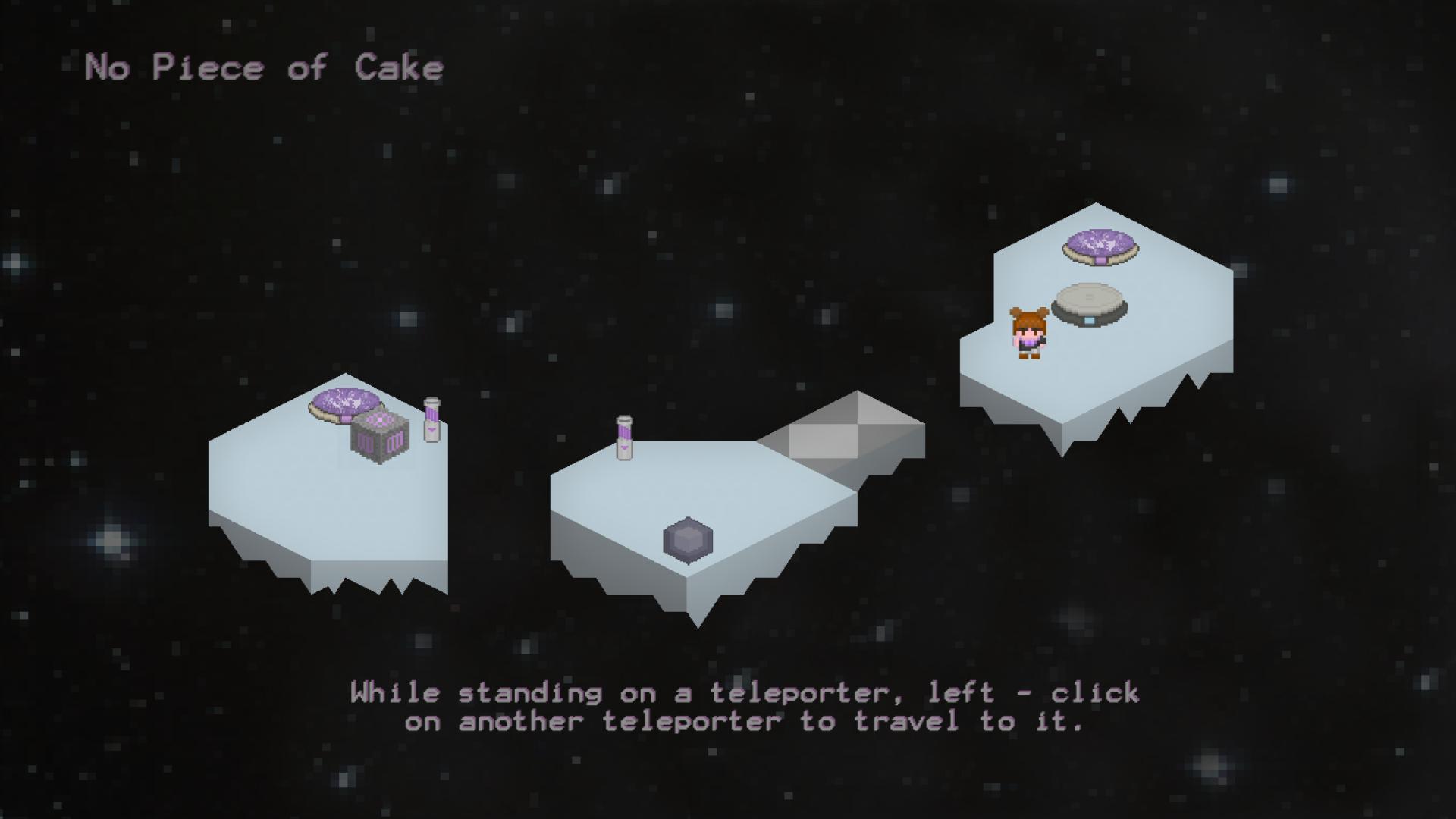
4. Out Of This World (itch)
This 1991 cinematic platformer redefined what video game storytelling could be without a single line of dialogue. Eric Chahi's rotoscoped animation delivered fluid, lifelike movement, creating a sense of immersion previously unseen. Its minimalist approach forced players to observe and infer, navigating a hostile alien world through environmental puzzles and precise timing. It was a stark, beautiful, and deeply influential work, showing that games could evoke powerful emotions through pure visual and interactive design.
5 / 6
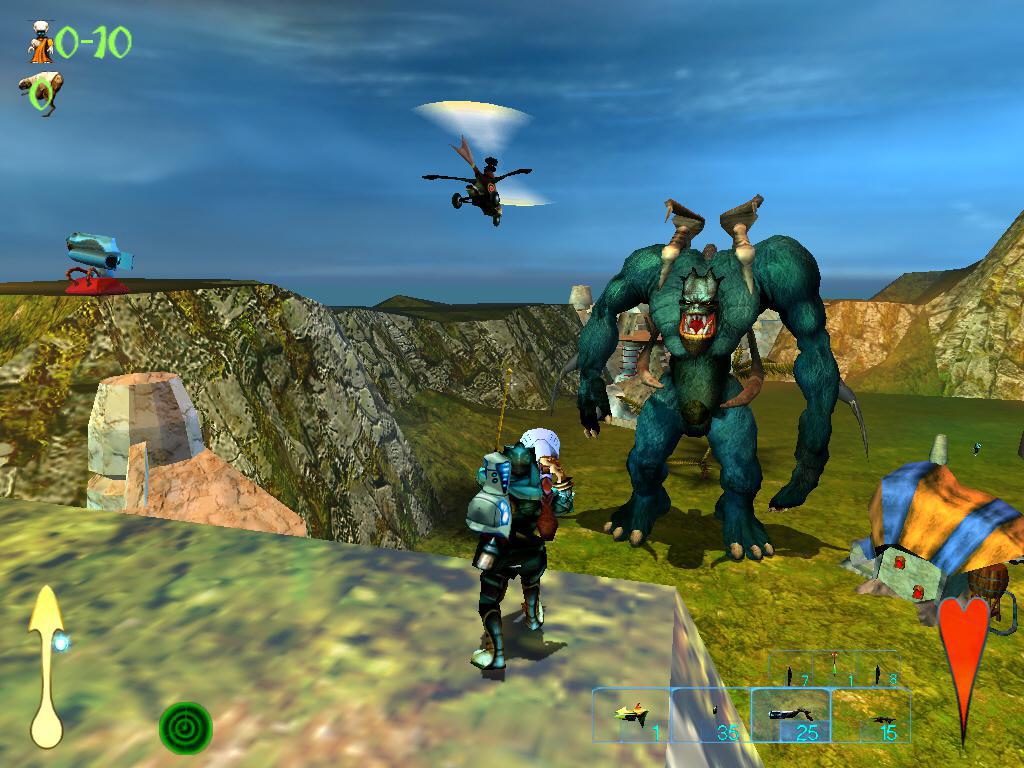
5. Giants: Citizen Kabuto
Released in 2000, Giants was a glorious, chaotic blend of genres that defied easy categorization. It let you switch between diverse characters—the agile Meccs, the magic-wielding Sea Reapers, and the colossal Kabuto—each with distinct gameplay. This ambitious mix of third-person shooter, RTS, and even creature-based destruction, all wrapped in a darkly comedic package, was audacious. It showcased a daring approach to game design, proving that genre boundaries were merely suggestions for the truly inventive.
6 / 6
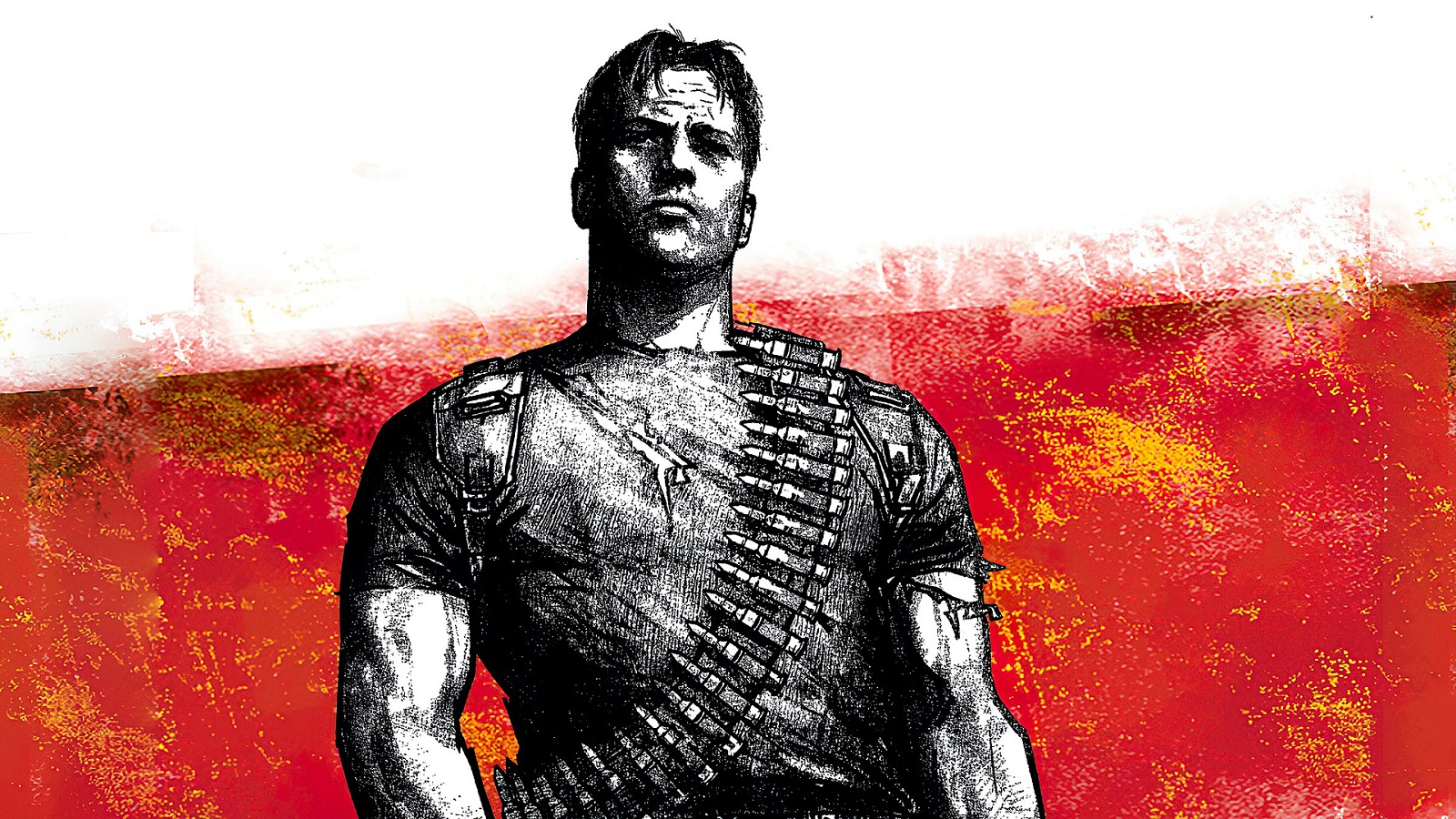
6. Freedom Fighters
In 2003, IO Interactive, known for Hitman, delivered Freedom Fighters, a tactical third-person shooter with an alternate history premise. It put players in charge of a small squad, fighting Soviet invaders in New York City. The innovative, intuitive squad command system allowed for genuine strategic depth, a stark contrast to the run-and-gun shooters of the era. It felt genuinely empowering to lead a resistance, offering a blueprint for accessible squad mechanics that many titles later adopted.