
1. System Shock 2
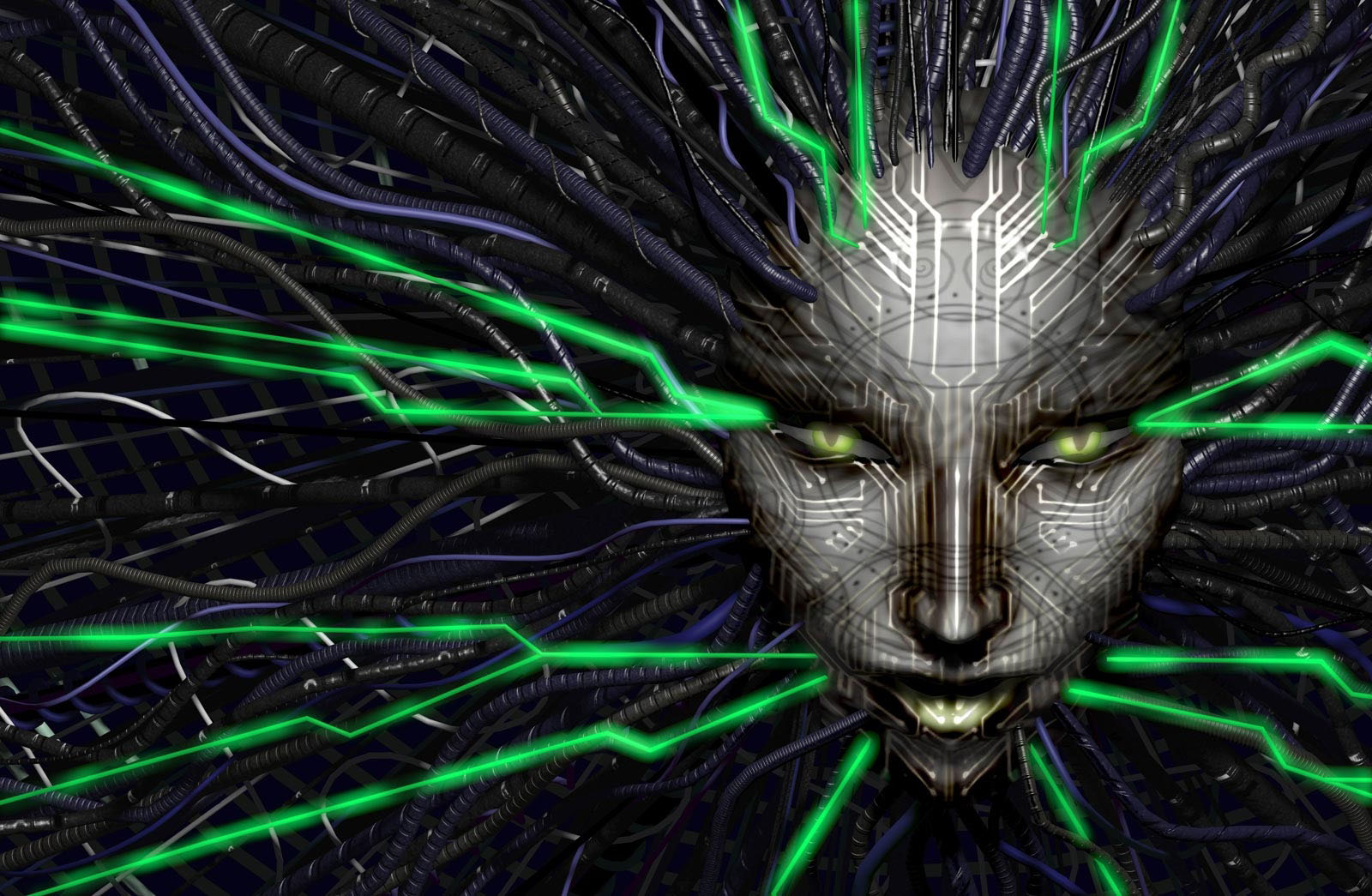
Forget jump scares; *System Shock 2* delivered true dread through its atmosphere, oppressive level design, and the chilling voice of SHODAN. This game basically wrote the rulebook for immersive sims, blending RPG mechanics, sci-fi horror, and emergent gameplay in ways modern titles still struggle to replicate without feeling like a watered-down imitation. It’s a masterclass in player agency and environmental storytelling, a benchmark so many "innovative" games fail to hit.

2. Okami
Seriously, how did *Okami* not become a household name? Its cel-shaded, sumi-e art style was, and still is, breathtakingly unique, proving that artistic vision trumps photorealism any day. And the Celestial Brush mechanic? Pure genius, seamlessly integrated into combat and puzzles. It was a beautiful, sprawling adventure rooted in Japanese mythology, yet somehow got unfairly overshadowed. It's a vibrant, narrative triumph that the industry's obsession with gritty realism often forgets.

3. L.A. Noire
Rockstar tried something genuinely different with *L.A. Noire*, focusing on nuanced detective work and groundbreaking facial animation technology that still holds up. Instead of another sandbox where you cause mayhem, you were meticulously piecing together clues and interrogating suspects. It demanded patience and observation, a stark contrast to the instant gratification many modern games peddle. Sure, the pacing wasn't for everyone, but its innovation in storytelling mechanics was undeniable and sadly underutilized.
4. Resonance of Fate
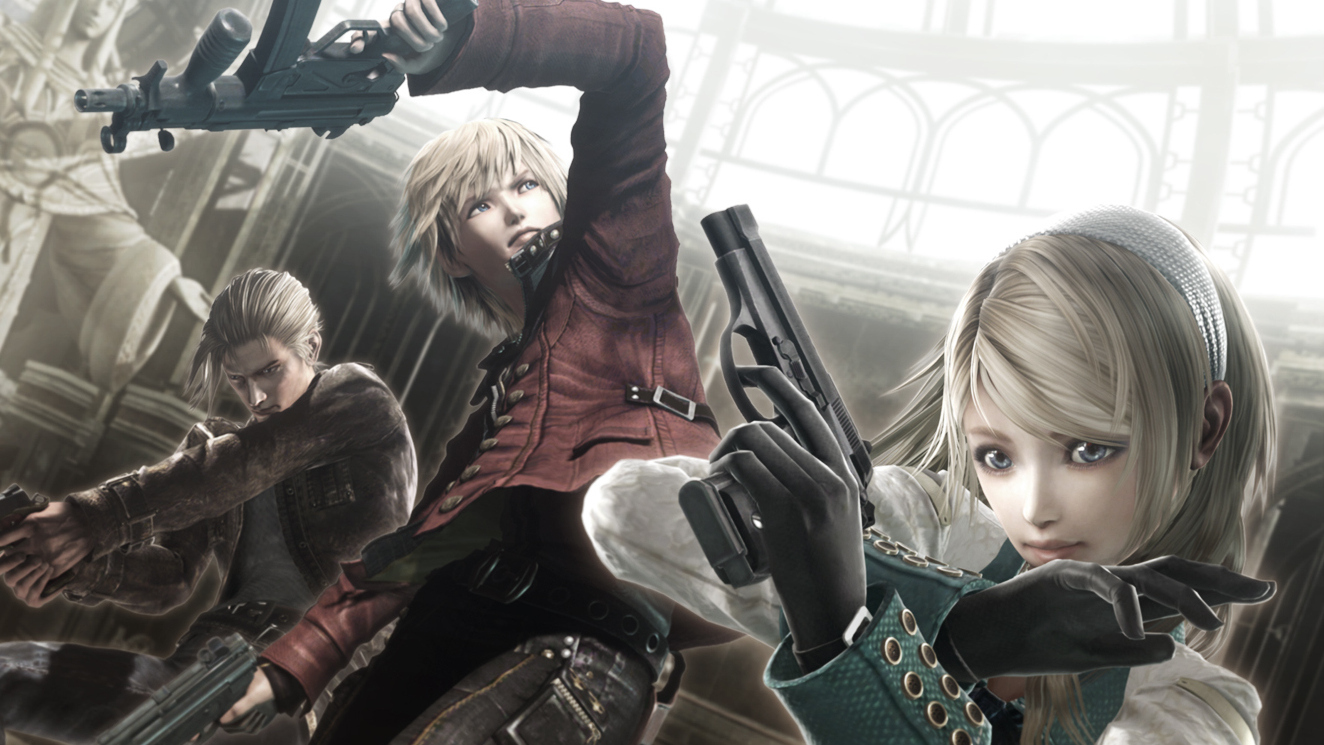
Tri-Ace truly went wild with *Resonance of Fate*, crafting a JRPG with a ridiculously complex, yet utterly brilliant, gun-fu combat system. It had a steep learning curve, demanding players actually *learn* its intricate mechanics, rather than just button-mash. The steampunk aesthetic and quirky characters were icing on the cake. It's a niche title, absolutely, but one that rewarded perseverance with unparalleled depth. Most developers wouldn't dare make something this bold and challenging today.
5. Prey
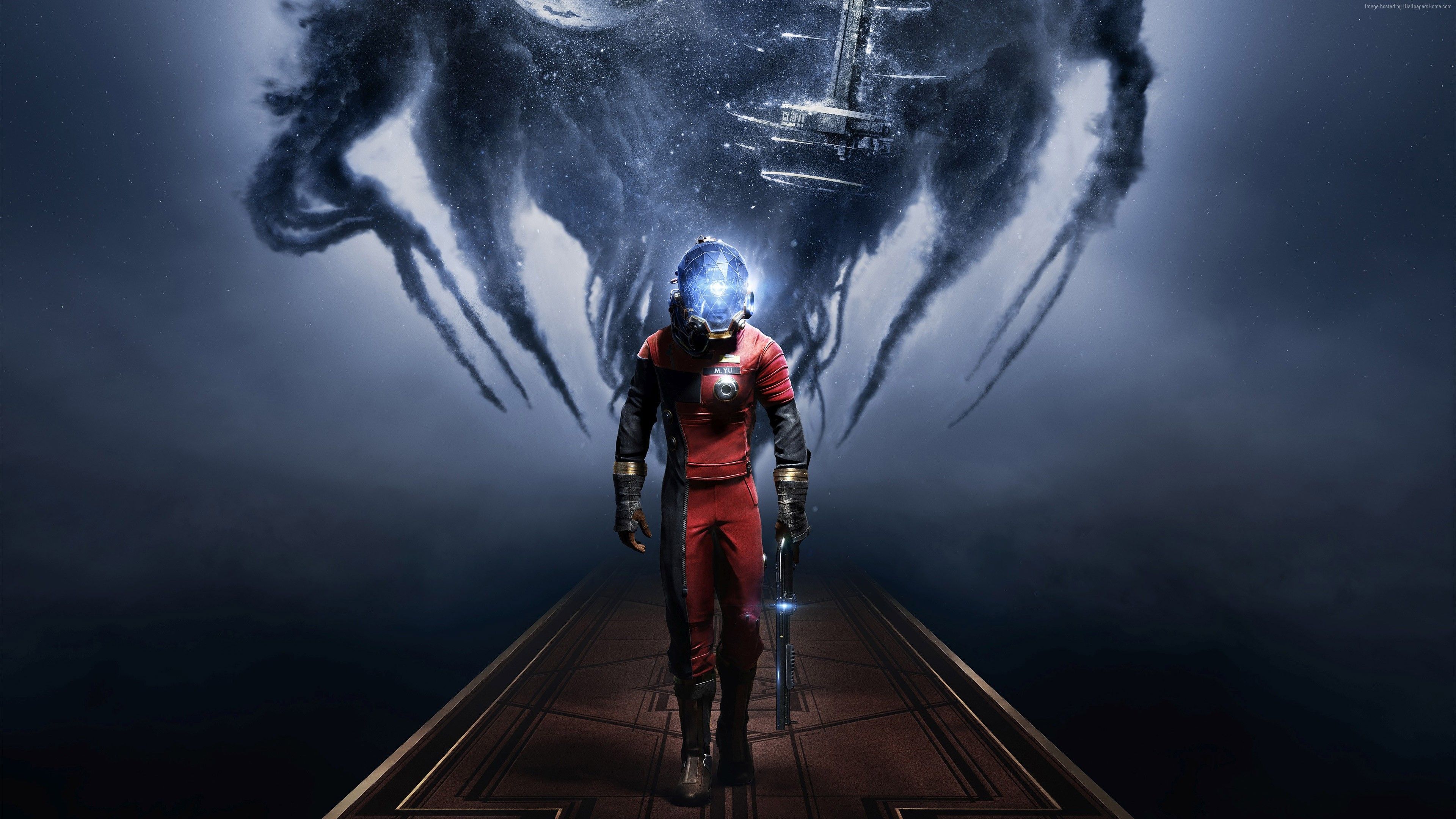
Arkane's *Prey* was a masterclass in the immersive sim genre, blending *System Shock*-esque exploration with psychological sci-fi horror. Talos I was a character in itself, packed with environmental storytelling and choices that genuinely mattered. It offered unparalleled player freedom in tackling objectives, encouraging creative problem-solving. Yet, it often gets overlooked in discussions of modern masterpieces. It’s a testament to thoughtful design and atmosphere that deserved far more recognition.
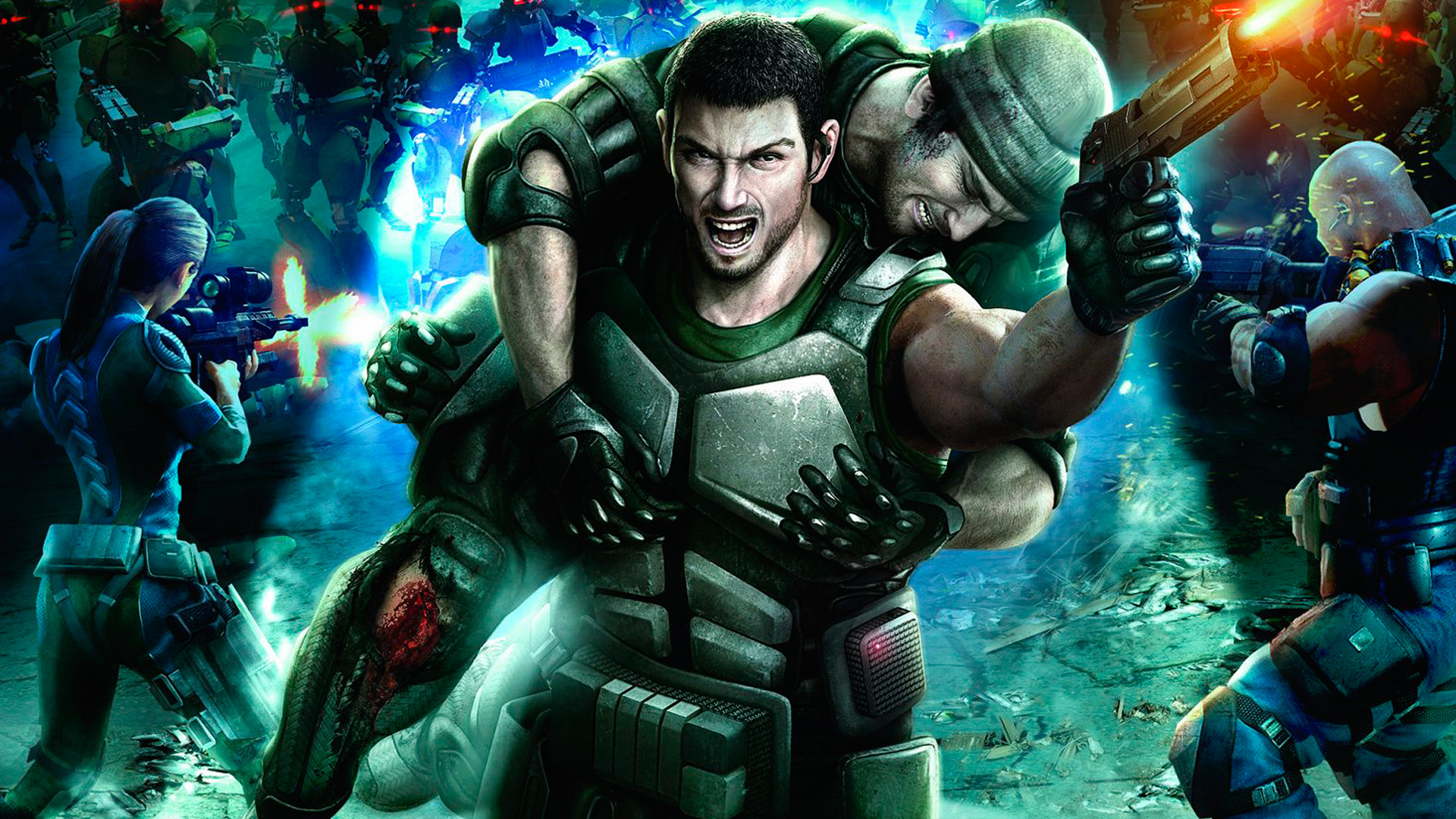
6. Binary Domain
*Binary Domain* was SEGA's bold attempt at a Western-style third-person shooter, and it absolutely nailed it. The squad command system, tied to a trust mechanic influenced by your actions, was genuinely innovative. Beyond the solid gunplay against an army of robots, it told a surprisingly profound story about humanity and AI that stuck with you. It’s a polished, engaging shooter that got tragically lost in the shuffle, a truly unsung hero of the genre.