1. Oz
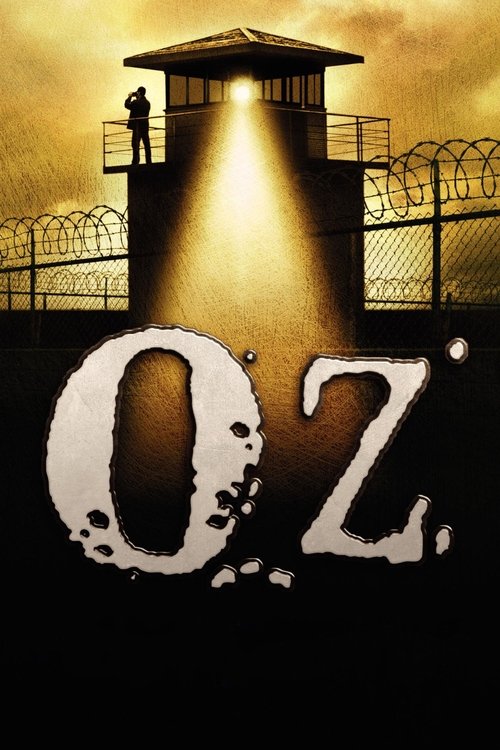
Before HBO was *HBO*, there was Oz. This show didn't just push boundaries; it bulldozed them. Raw, relentless, and utterly uncompromising, it threw characters into a moral grinder, forcing viewers to confront the brutal realities of institutional life. It was serialized storytelling at its most unforgiving, proving cable wasn't playing by network rules. A true pioneer for adult, serialized drama.
2. The Larry Sanders Show
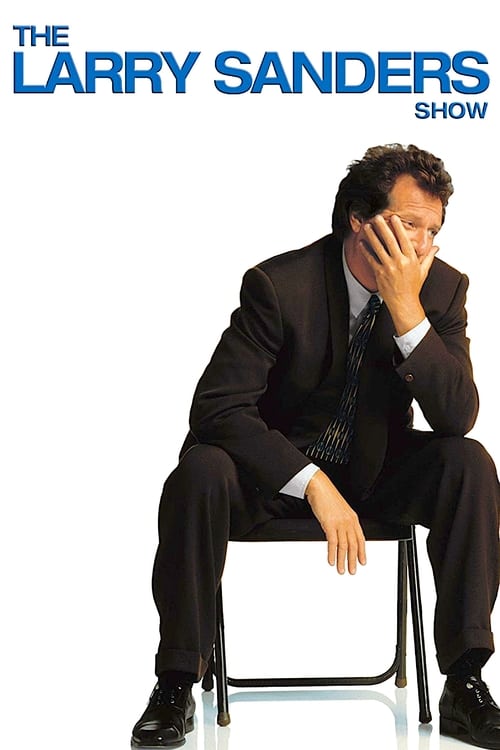
Gary Shandling showed us the ugly, hilarious truth behind the late-night curtain. This wasn't just a sitcom; it was a character study, a masterclass in awkward realism and mockumentary style before anyone even knew what that meant. The ensemble cast was phenomenal, navigating egos and anxieties with such precision, it felt less like comedy and more like a darkly funny documentary.
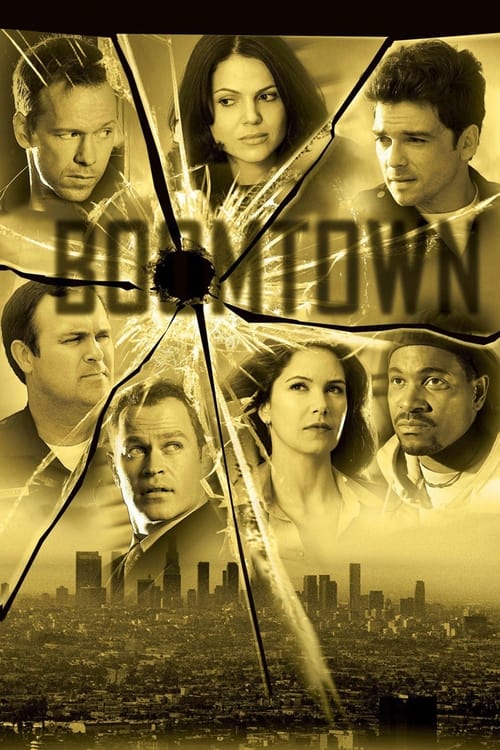
3. Boomtown
This one was ahead of its time, a genuine shame it didn't last. *Boomtown* took the crime procedural and twisted it inside out, telling stories from multiple, shifting perspectives. It wasn't about who did it, but *how* everyone involved experienced it. That non-linear, almost cinematic approach was groundbreaking, demanding attention and rewarding viewers who stuck with its ambitious narrative structure.
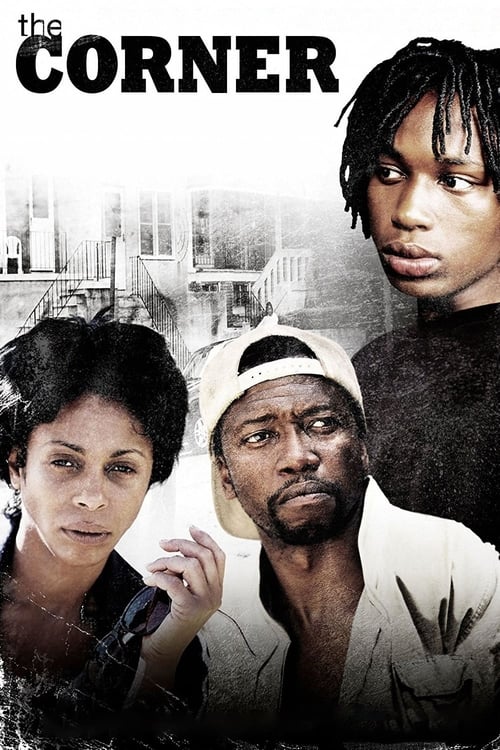
4. The Corner
David Simon and Ed Burns delivered a gut-punch miniseries that laid the groundwork for *The Wire*. This wasn't entertainment; it was unflinching, documentary-style realism about the human cost of the drug trade in West Baltimore. It was serialized, deeply human, and utterly devoid of easy answers. HBO proved its commitment to serious, challenging drama with this one. A tough, vital watch.
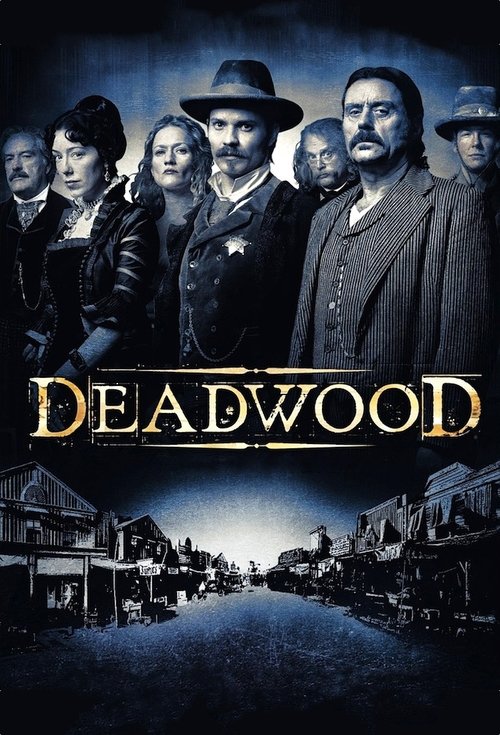
5. Deadwood
Forget your polite period dramas. *Deadwood* was a profane, poetic, and utterly unique beast. David Milch crafted a world teeming with broken, striving characters, weaving complex language and moral ambiguity into every frame. It was like watching a novel unfold, with a cinematic scope and an ensemble cast that elevated every scene. Peak cable-era risk-taking, delivered with a Shakespearean flair.
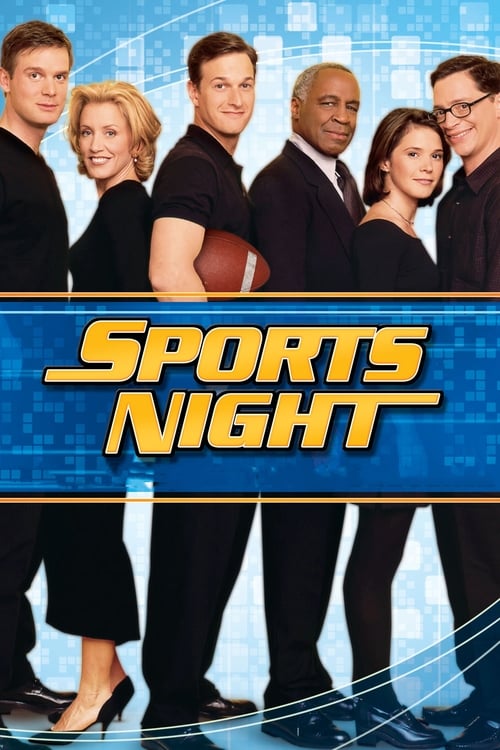
6. Sports Night
Aaron Sorkin's debut, and you could feel the electricity. It mixed rapid-fire, witty dialogue with genuine dramatic stakes, all within a workplace comedy framework. This was before single-camera sitcoms were common, and *Sports Night* felt fresh, almost theatrical. It proved that smart writing and ensemble chemistry could make even a show about a cable sports news program feel profoundly human and engaging.
7. Babylon 5
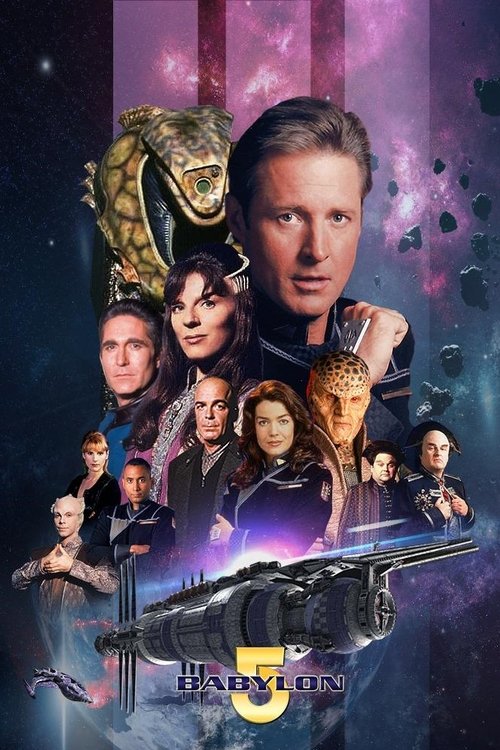
While other sci-fi shows were episodic, *Babylon 5* committed to a five-year serialized arc from day one. This wasn't just space opera; it was political intrigue, deep mythology, and character development spanning seasons. It laid the groundwork for complex, long-form narratives on television, proving that genre shows could be just as ambitious and thought-provoking as any prestige drama.
8. Six Feet Under
Alan Ball took the family drama and buried it in a funeral home, literally. Each episode began with a death, but it was really about life, grief, and the messy, beautiful complexities of a dysfunctional family. HBO let it breathe, allowing for deep character dives and emotional arcs that resonated profoundly. It redefined what a family drama could be.
9. Spaced
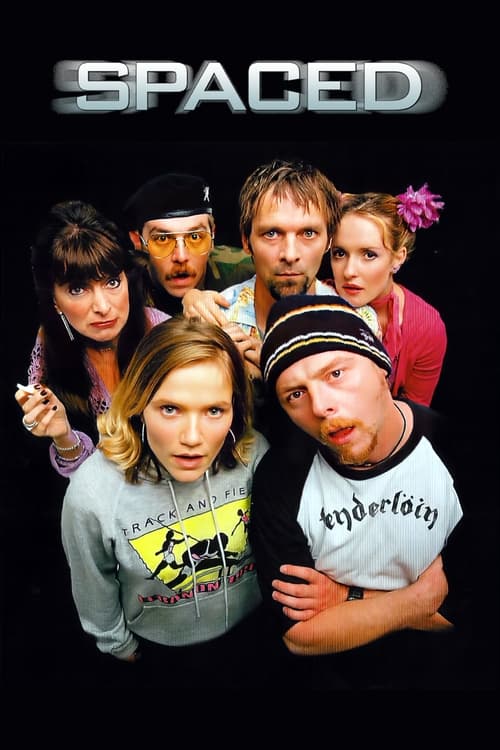
Edgar Wright and Simon Pegg basically invented a new language of visual comedy with this one. It wasn't just funny; it was a love letter to pop culture, packed with cinematic references, dynamic editing, and surreal gags. This British import felt like nothing else on television, showing how a low-budget sitcom could be incredibly inventive and visually rich, a true cult gem.
10. Carnivàle
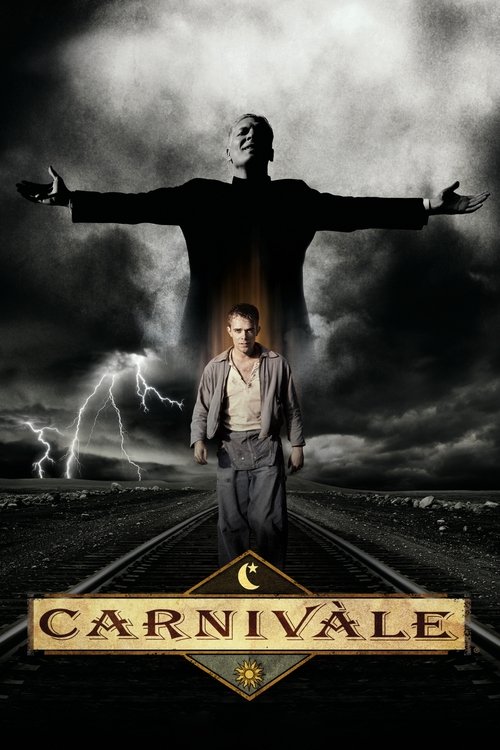
This show was pure atmosphere, a dark, sprawling epic set during the Dust Bowl. Its intricate mythology and visual grandeur were unlike anything else on TV, a true cinematic experience week after week. While its dense serialization might have scared some off, it built a world so rich and mysterious, it practically demanded repeat viewings. A bold, beautiful, and utterly unique vision.
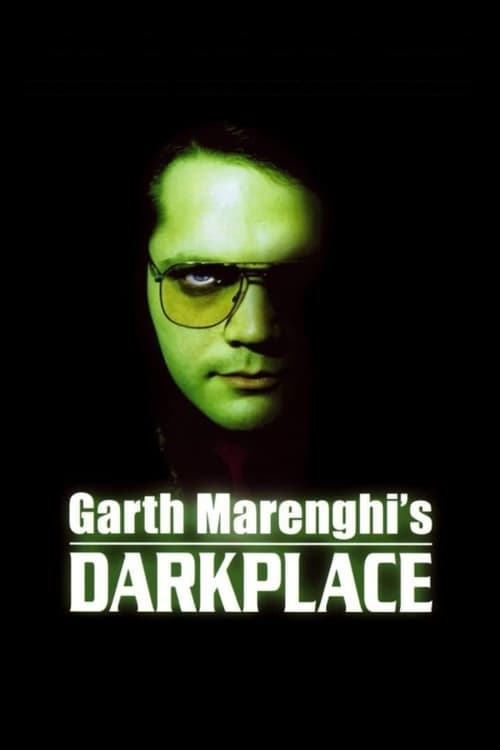
11. Garth Marenghi's Darkplace
A masterclass in meta-comedy and mockumentary. This British gem perfectly parodied low-budget 80s horror, complete with terrible acting and shoddy effects, all framed by self-important commentary from its fictional creator. It was hilarious, incredibly smart, and brilliantly executed, showing how to deconstruct television tropes with surgical comedic precision. A cult classic that still holds up.

12. The Comeback
Lisa Kudrow's Valerie Cherish was cringe-comedy before cringe was cool. This mockumentary was a brutal, hilarious look at the indignities of a fading actress desperate for relevance, navigating the nascent world of reality TV. HBO once again pushed boundaries, delivering a character study so uncomfortably real, it felt like a prophecy for the celebrity-obsessed culture to come.