
1 / 12
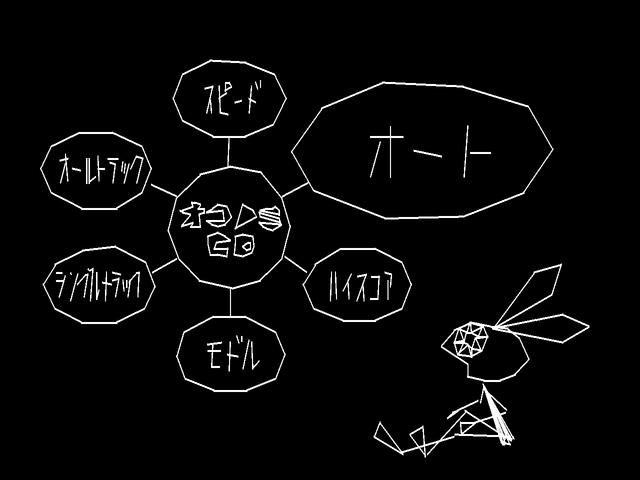
1. Vib-Ribbon (1999)
This PlayStation title was a masterclass in minimalist design, a rhythm game where the levels were procedurally generated from any music CD inserted. It pushed boundaries, proving that visual complexity wasn't essential for engaging gameplay. Its abstract vector graphics and innovative sound-to-level conversion made it a truly experimental and influential piece, quietly shaping the future of music-driven interactive experiences.
2 / 12
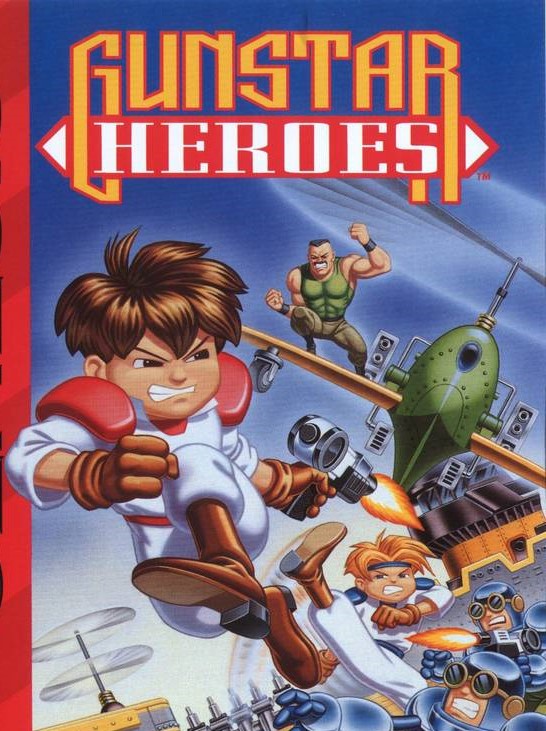
2. Gunstar Heroes
Treasure's 1993 Genesis run-and-gun was a whirlwind of innovation. Its dual-wielding, customizable weapon system was revolutionary, allowing players to combine different projectile types for unique effects. The sheer technical ambition, vibrant sprite work, and relentless, varied action set a new benchmark for the genre, influencing countless side-scrolling shooters that followed with its inventive boss encounters and tight mechanics.
3 / 12
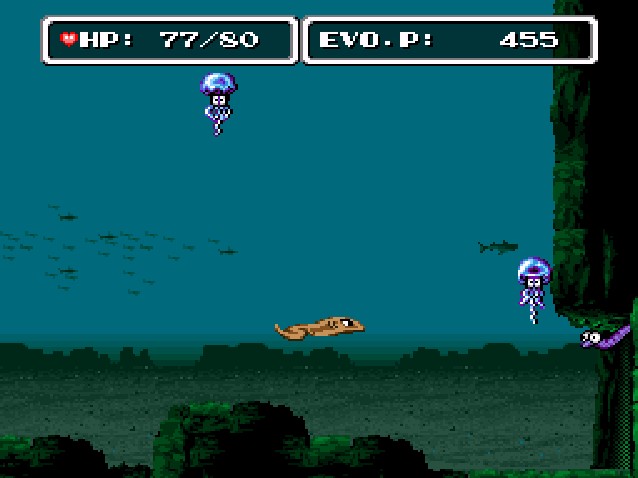
3. E.V.O.: Search for Eden
Released on the SNES in 1992, this unique action RPG let players guide a creature through evolutionary stages, adapting to different eras by consuming other organisms. Its core mechanic—physically changing your avatar to gain new abilities and overcome challenges—was incredibly ambitious. It wasn't just about stats; it was about genuine, visual transformation, offering a thoughtful, if sometimes grindy, exploration of natural selection.
4 / 12
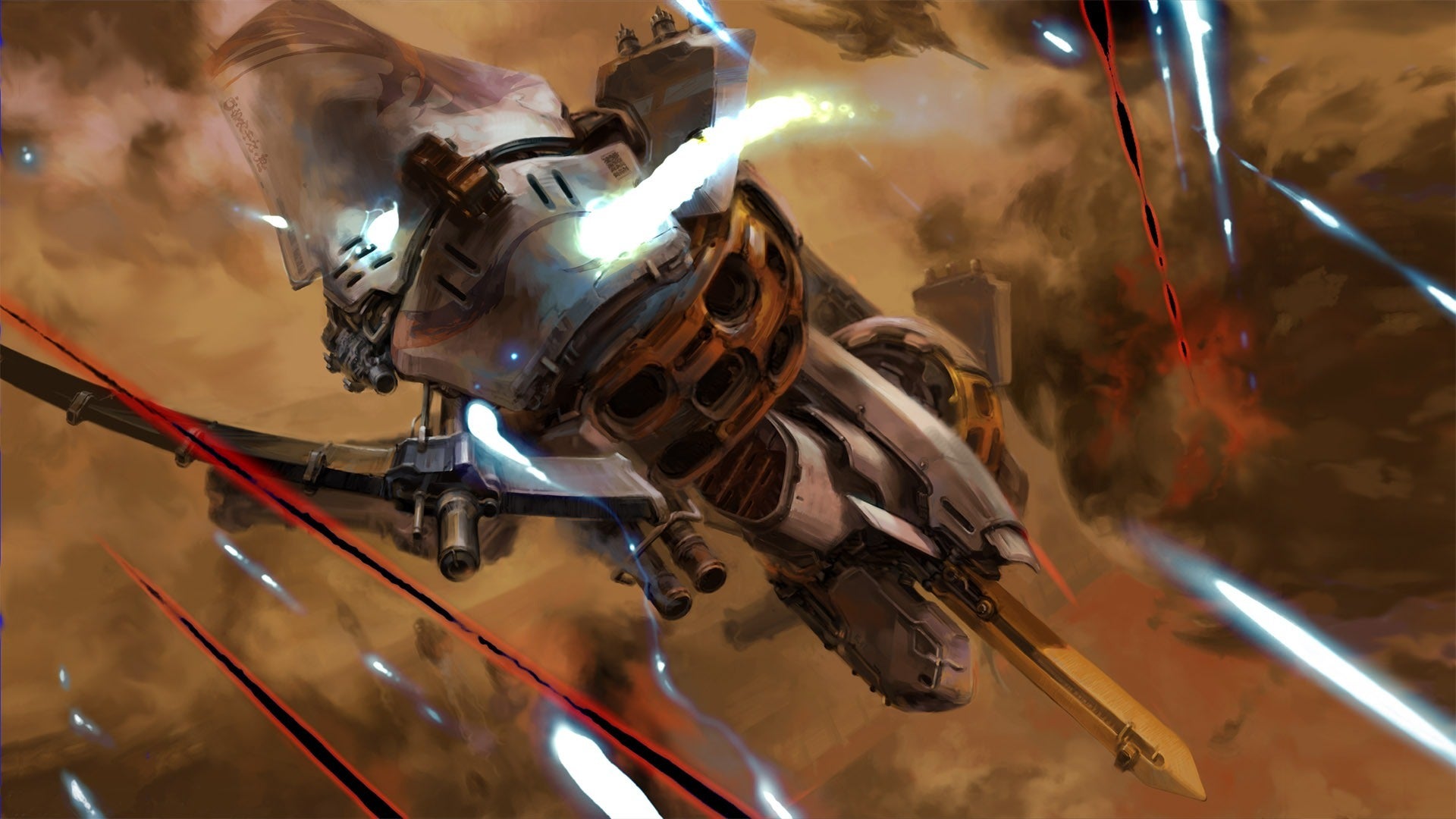
4. Ikaruga
Treasure's 2001 arcade shmup refined the bullet-hell genre with an elegant, color-switching mechanic. Players absorbed bullets of their own color while dealing double damage to enemies of the opposite. This wasn't merely about dodging; it was a puzzle, a rhythm, and a dance. Its precise design, stunning visual clarity, and high skill ceiling cemented its reputation as a genre masterpiece, influencing countless modern indie shooters.
5 / 12
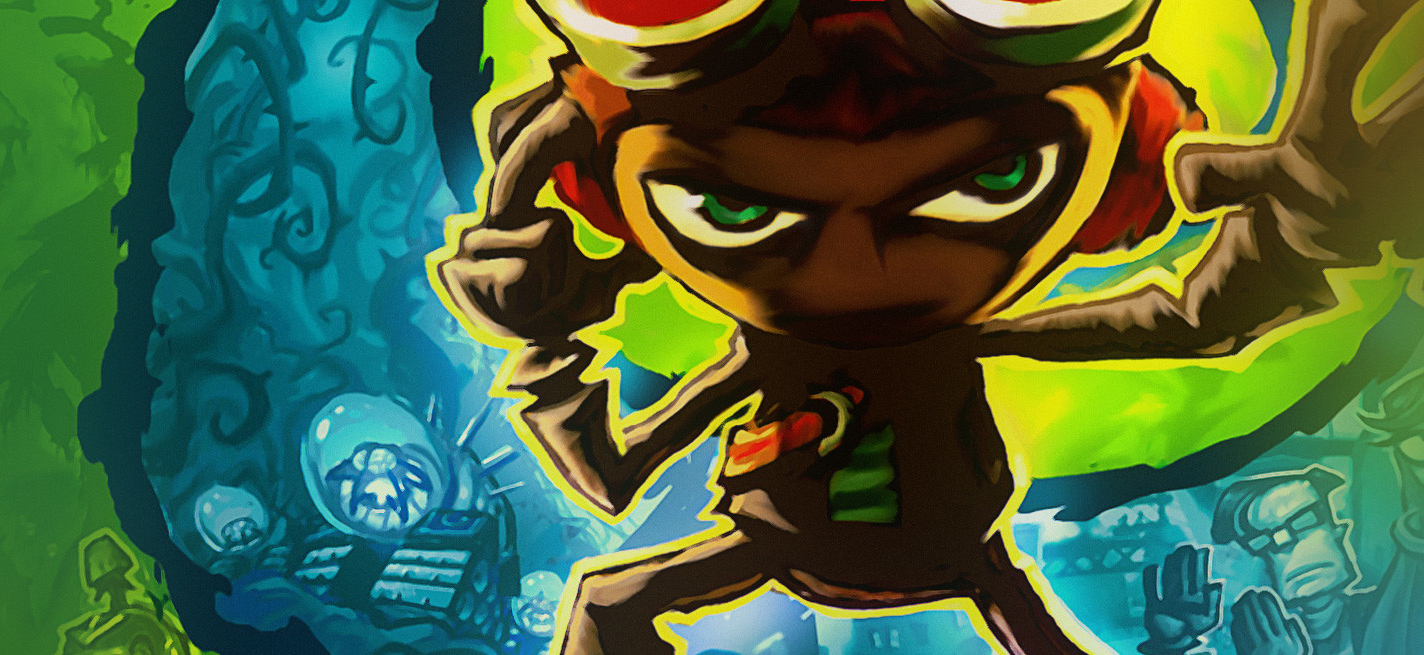
5. Psychonauts
Double Fine's 2005 platformer dove deep into the human psyche, crafting imaginative levels based on characters' mental landscapes. Tim Schafer's signature wit and heartfelt storytelling elevated what could have been a standard collect-a-thon. The game explored mental health themes with surprising sensitivity and humor, building a unique world and cast that garnered a fierce cult following, proving that platformers could also be profound narrative experiences.
6 / 12
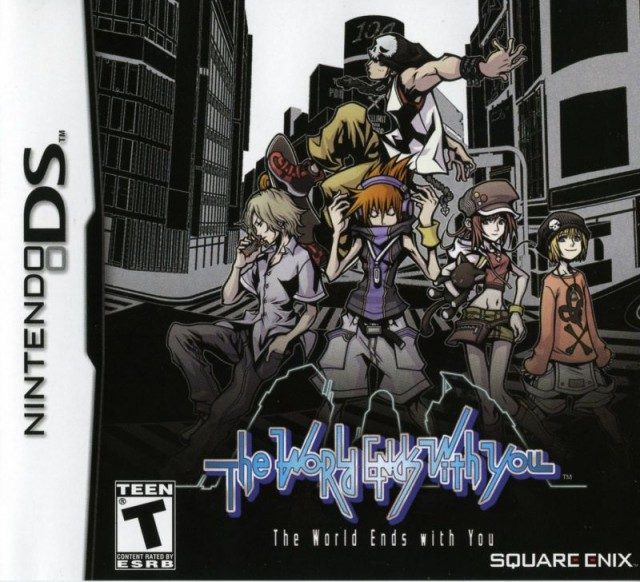
6. The World Ends With You DS
This 2007 Nintendo DS JRPG was a stylistic and mechanical outlier. Its dual-screen combat, requiring simultaneous control of two characters, was genuinely innovative, as was its vibrant Shibuya setting and unique street-fashion aesthetic. It blended action, RPG elements, and social commentary with a captivating narrative, proving the DS could host complex, original experiences beyond typical handheld fare. Its influence on art direction is undeniable.
7 / 12
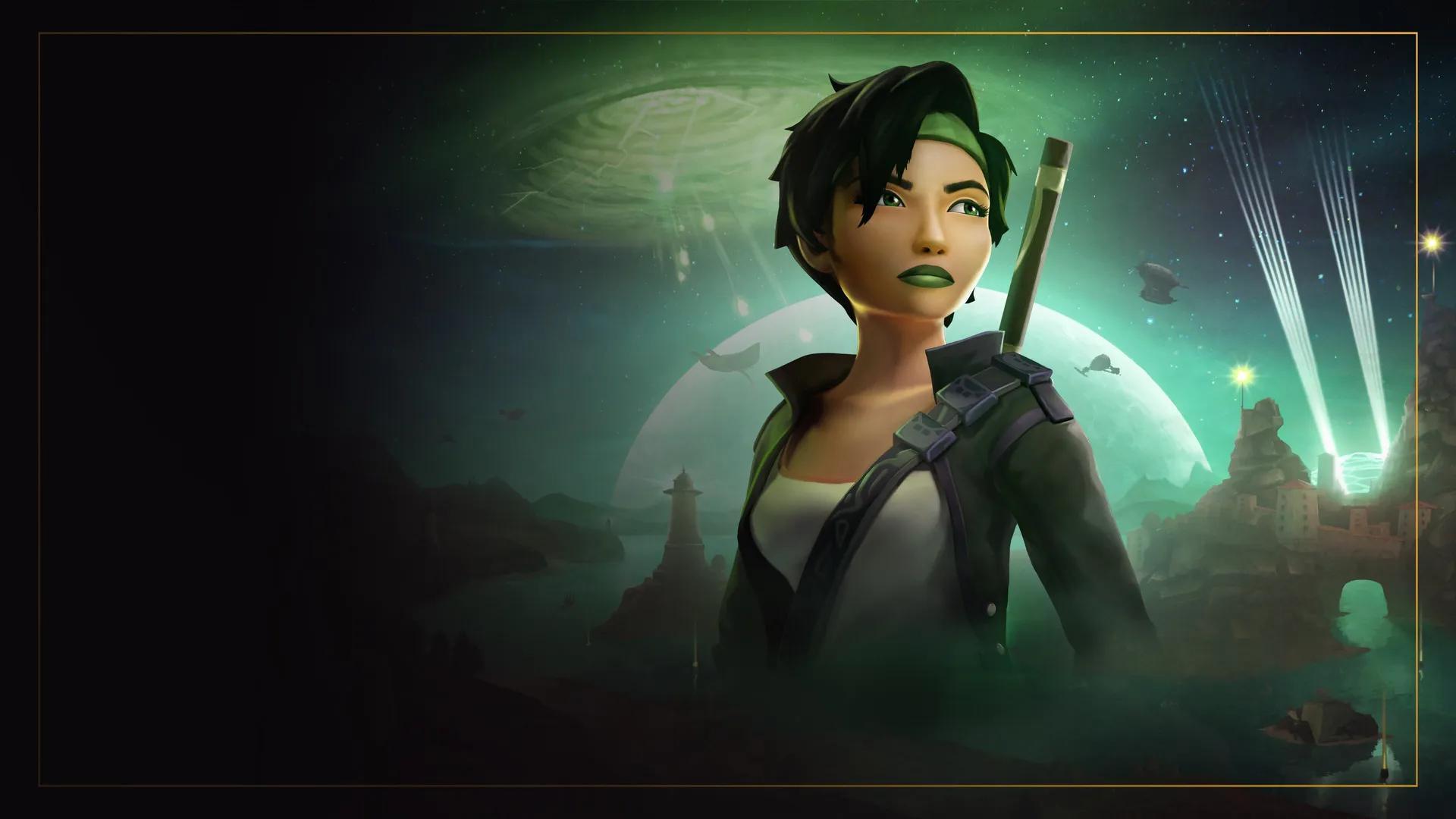
7. Beyond Good & Evil - 20th Anniversary Edition
While the original 2003 release was critically lauded but commercially overlooked, this 2024 Anniversary Edition brings renewed attention to its lasting impact. It expertly blended stealth, action, puzzles, and photography with a compelling narrative about media manipulation. Its distinct art style and strong protagonist, Jade, created a world both beautiful and unsettling, demonstrating how diverse gameplay elements could coalesce into a cohesive, influential adventure.
8 / 12
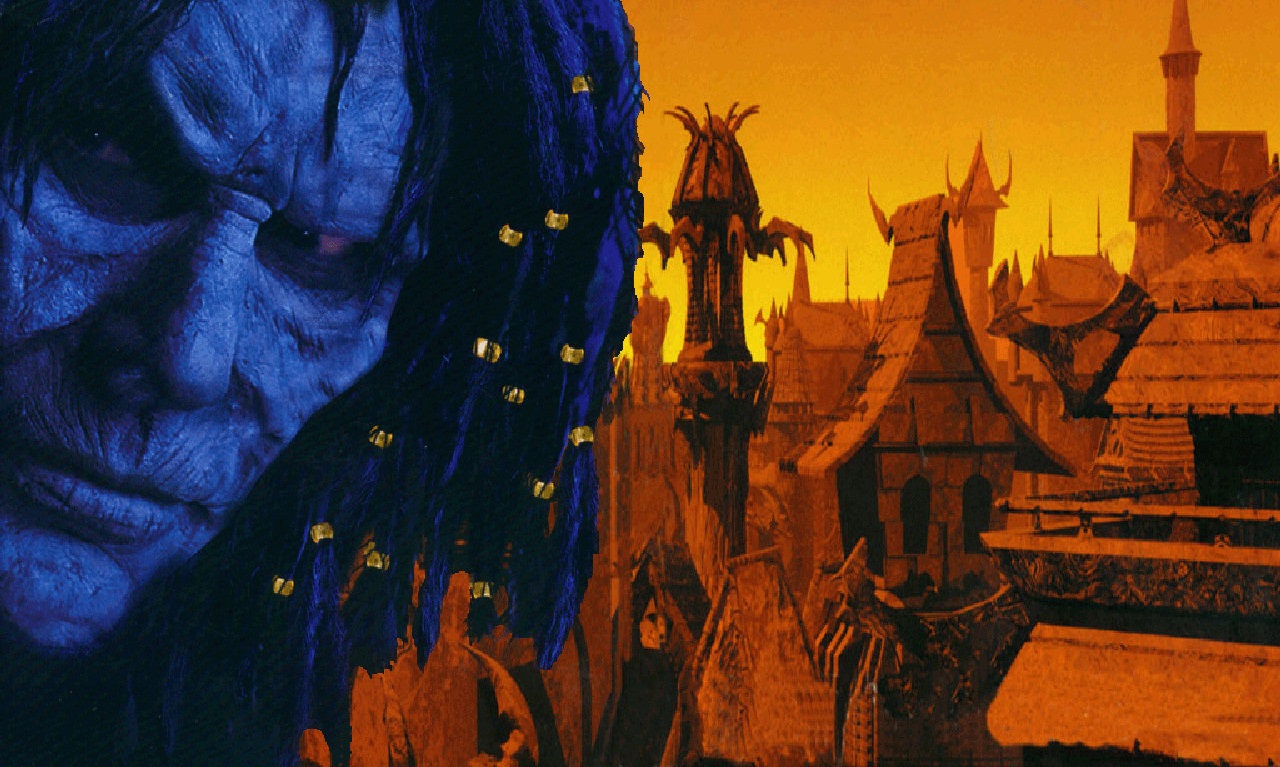
8. Planescape: Torment
Released in 1999, Black Isle Studios' CRPG redefined storytelling in video games. Instead of focusing on combat, it prioritized dialogue, choice, and philosophical exploration. The protagonist, an amnesiac immortal, navigated a bizarre, unforgettable setting filled with profound questions about identity and existence. Its narrative depth and unconventional approach to character progression heavily influenced subsequent RPGs that dared to prioritize narrative over conventional gameplay loops.
9 / 12
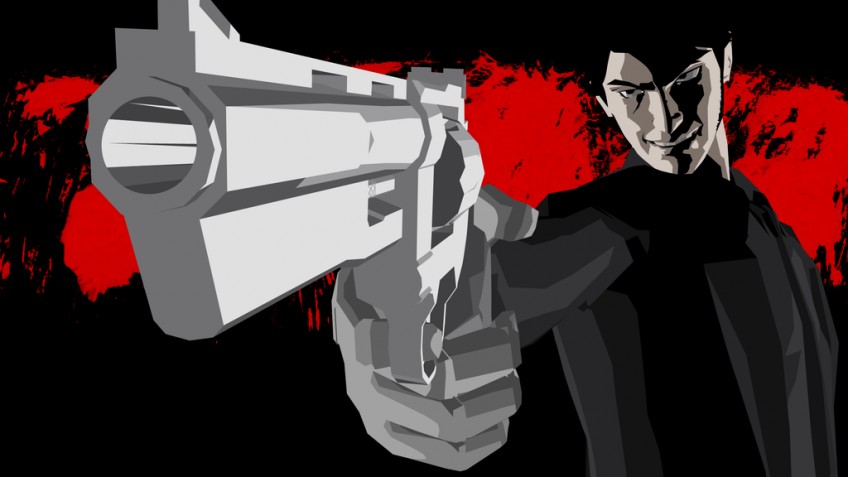
9. killer7
Suda51's 2005 GameCube/PS2 title was a stylistic tour de force, a cel-shaded fever dream of political intrigue and supernatural assassins. Its on-rails movement combined with first-person shooting created a unique, unsettling rhythm. The game's abstract narrative and unapologetically bizarre aesthetic challenged conventional game design, proving that a strong authorial voice and experimental presentation could carve out a distinct, influential niche, even if polarizing audiences.
10 / 12
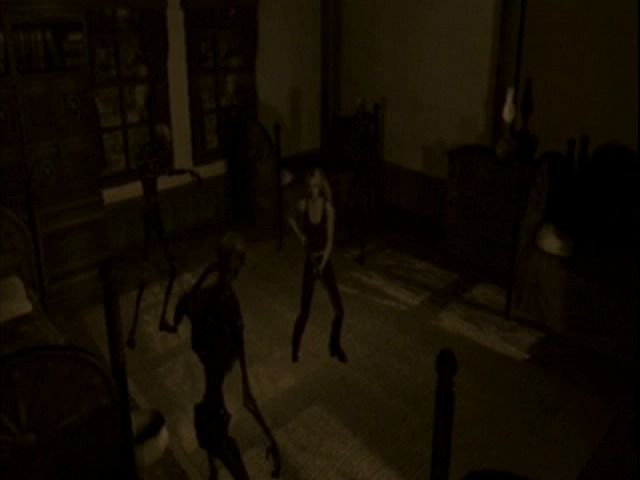
10. Eternal Darkness: Sanity's Requiem
Silicon Knights' 2002 GameCube horror title introduced groundbreaking "Sanity Effects." As the protagonist's sanity meter dropped, the game would actively mess with the player – feigning corrupted saves, fake error messages, or visual glitches. This meta-commentary on the player's perception, combined with a multi-generational narrative, created a genuinely unsettling and innovative psychological horror experience that expanded the genre's possibilities beyond jump scares.
11 / 12

11. Terranigma
This 1995 Quintet action RPG for the SNES, never officially released in North America, stands as a poignant masterpiece. It tasked players with resurrecting a desolate world, literally watching civilizations develop. Its unique blend of action combat, environmental themes, and a surprisingly dark, philosophical narrative gave it a weight rarely seen in its contemporaries. It remains a hidden gem, influential for its storytelling ambition and emotional depth.
12 / 12

12. Radiant Historia
Atlus's 2010 Nintendo DS JRPG meticulously wove time travel into both its narrative and strategic grid-based combat. Players navigated branching timelines to alter events, creating a compelling "what if" scenario system. Its thoughtful approach to consequence and replayability, coupled with a captivating story and memorable characters, showed how a classic JRPG formula could be innovated upon without sacrificing depth, influencing later games with branching narratives.