

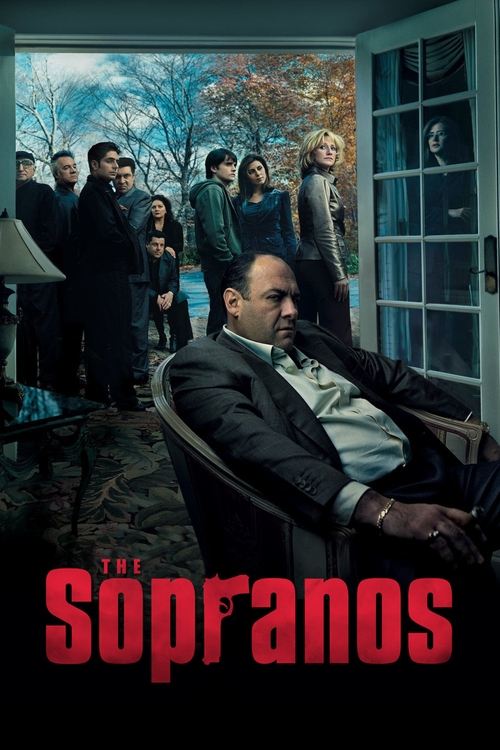
1. The Sopranos
Before Tony Soprano, TV just didn't hit this hard. HBO proved that an anti-hero could anchor a complex, cinematic drama. It wasn't just about the mob; it was about family, therapy, and the existential dread of a man stuck in his own legacy. This was appointment viewing that demanded your full attention, pushing serialized storytelling to new, darker places. Television finally grew up.
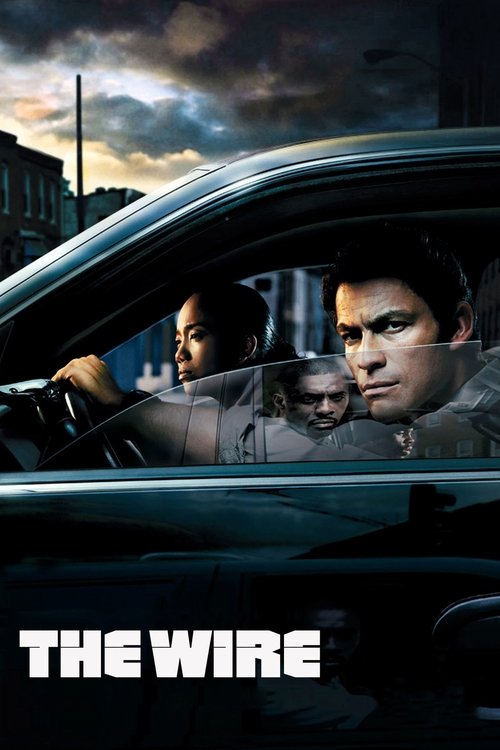
2. The Wire
This wasn't just a cop show; it was a sprawling, novelistic examination of an entire city's ecosystem. Each season peeled back another layer – the drug trade, the docks, politics, schools – showing systemic failures through an incredible ensemble. It was raw, unflinching, and demanded patience, rewarding viewers with unparalleled depth. You didn't just watch *The Wire*; you studied it.

3. Six Feet Under
Dealing with death weekly sounds grim, but the Fisher family made it profound, funny, and deeply human. HBO let Alan Ball explore grief, love, and dysfunction with an honesty network TV wouldn't touch. Its blend of dark humor and emotional weight, all wrapped in a beautifully shot, character-driven narrative, cemented prestige TV's ability to tackle life's biggest questions.
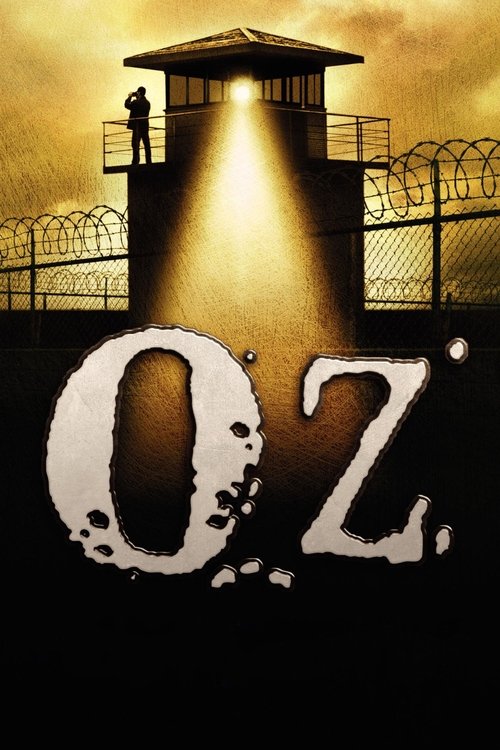
4. Oz
Way back before HBO was *HBO*, "Oz" was their brutal, uncompromising declaration of intent. This wasn't primetime drama; it was raw, violent, and morally ambiguous prison life, pushing boundaries with every episode. Its serialized narrative and willingness to kill off major characters kept you on edge, proving cable could deliver intense, adult storytelling without pulling punches.
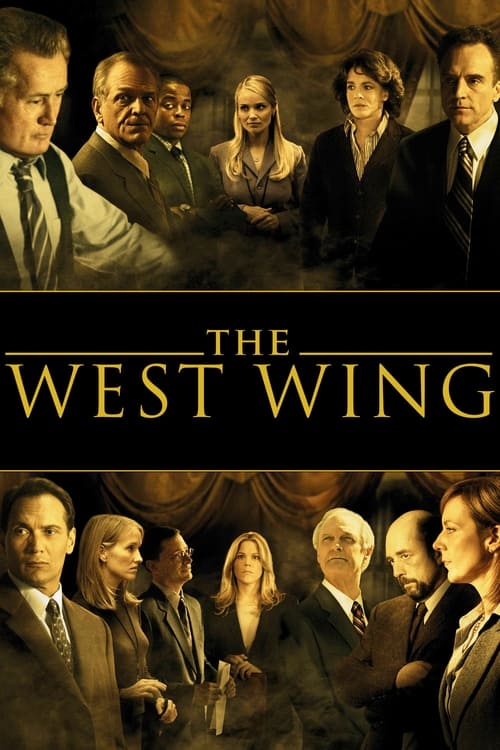
5. The West Wing
Aaron Sorkin's signature walk-and-talks transformed political drama into something dynamic and aspirational. Smart, rapid-fire dialogue and an ensemble cast made the White House feel both epic and intimately human. It showed that network TV, even with its constraints, could deliver incredibly intelligent, character-driven serialized stories that made you think and feel.

6. ER
For years, "ER" was the benchmark for network drama. Its frenetic pace, cinematic camera work, and ensemble cast redefined the medical procedural. You felt the chaos of the emergency room, the stakes of every life-or-death decision. It blended episodic cases with ongoing character arcs, proving that serious, high-quality storytelling could still dominate mainstream television.

7. Band of Brothers
This HBO miniseries wasn't just another WWII story; it was an immersive, cinematic experience that rivaled any big-screen epic. Following Easy Company, it brought a human scale to the vastness of war, blending historical accuracy with compelling character arcs. It set a new standard for what limited series could achieve in terms of scope and emotional impact.
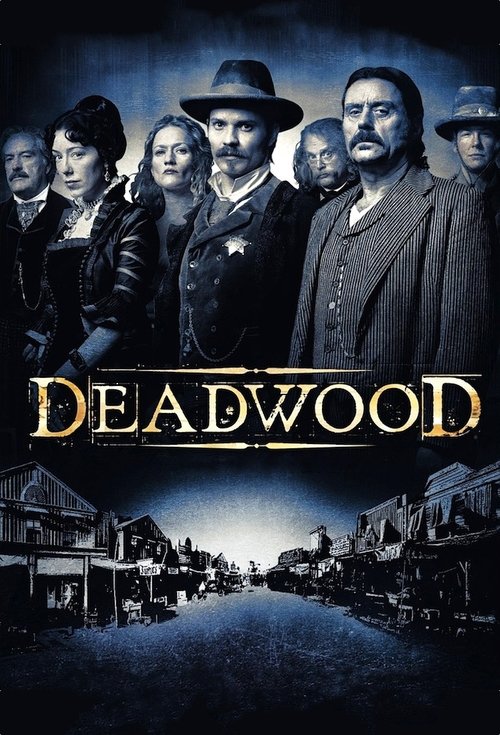
8. Deadwood
HBO doubled down on historical grit with "Deadwood." Swearing, violence, and incredibly rich dialogue created a living, breathing, dirty world. It wasn't about heroics; it was about the complex, often ugly, birth of a society. The ensemble cast and Shakespearean-level language proved that period pieces could be utterly modern in their unflinching realism.
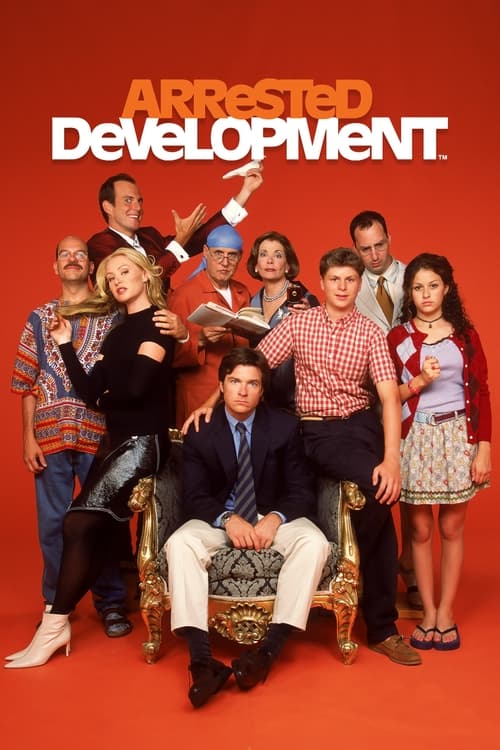
9. Arrested Development
This show was a comedic anomaly. Its dense, referential humor, mockumentary style, and rapid-fire jokes were ahead of their time, creating a cult classic. It demanded repeat viewings to catch every gag, foreshadowing the binge-watching culture that would arrive with on-demand services. Smart, subversive, and endlessly rewatchable.
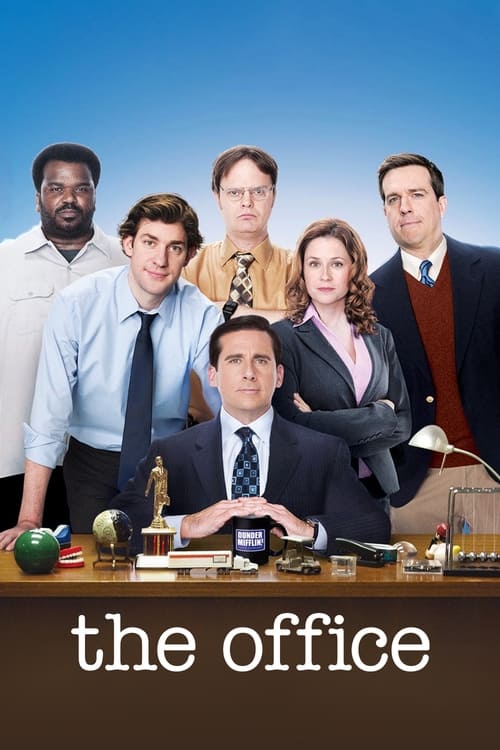
10. The Office
Taking the British blueprint, the American "Office" evolved into a masterclass in mockumentary comedy. Its cringe humor, relatable workplace struggles, and slow-burn character development hooked millions. It proved that a seemingly simple premise could yield years of heartfelt, awkward, and genuinely funny serialized storytelling that felt uncomfortably real.
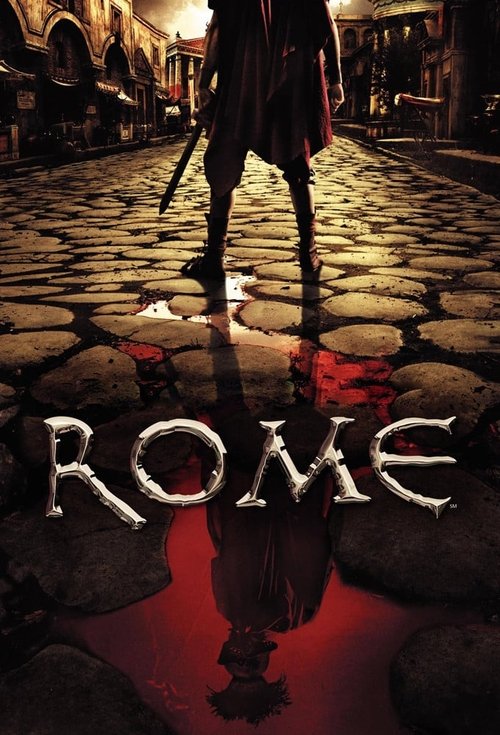
11. Rome
HBO's "Rome" was a groundbreaking historical epic, boasting cinematic production values and a mature approach to ancient history. It blended real historical figures with fictional characters, weaving intricate political intrigue and personal drama. This was big-budget, adult storytelling that pushed the boundaries of what television could depict, paving the way for future spectacles.
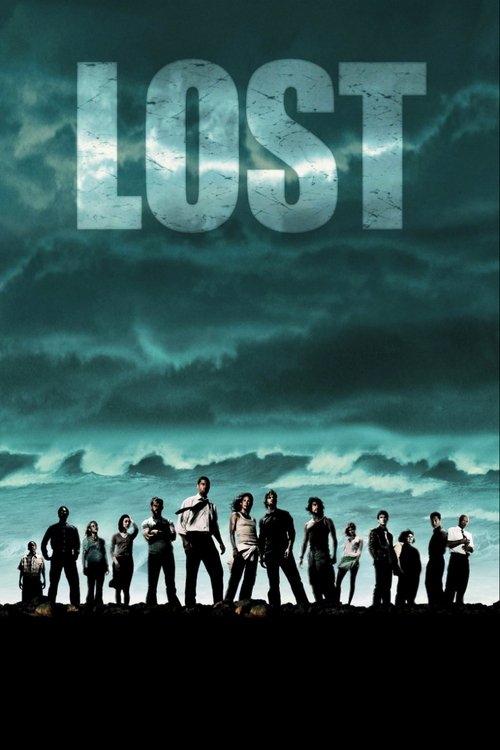
12. Lost
Before on-demand was king, "Lost" was the ultimate water-cooler show. Its intricate mythology, island mysteries, and compelling ensemble cast pioneered complex, serialized narratives that kept viewers theorizing for days. It hooked you with cliffhangers and character backstories, demanding a weekly commitment that felt more like a cultural event.