
1 / 12
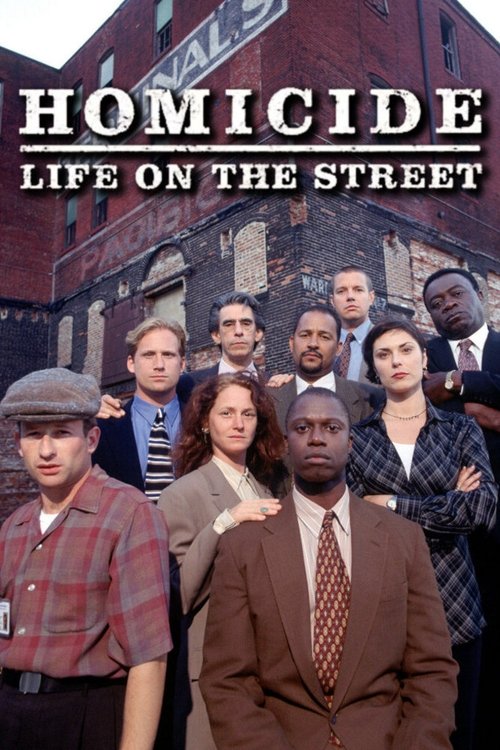
1. Homicide: Life on the Street
Before everyone was doing 'gritty,' there was *Homicide*. Barry Levinson brought a kinetic, almost documentary feel to network TV, making Baltimore's homicide unit feel real, lived-in, and absolutely brutal. Its innovative camera work, overlapping dialogue, and ensemble storytelling broke away from standard procedural rhythms, proving that even broadcast could deliver something more substantial than just a case-of-the-week. It laid groundwork.
2 / 12
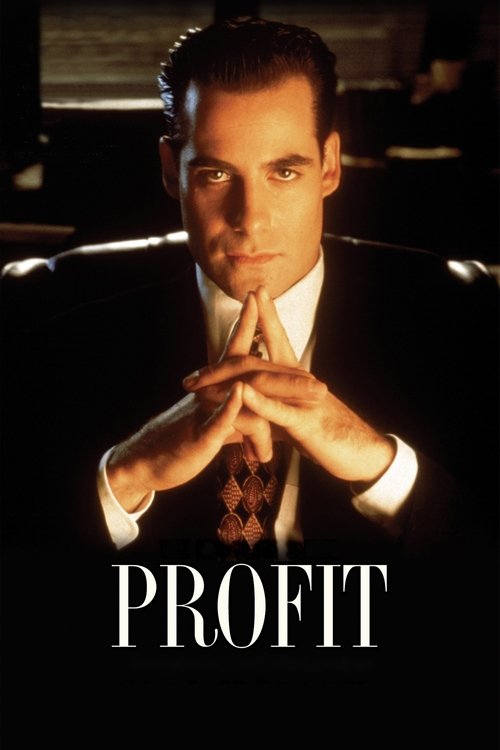
2. Profit
This one was ahead of its time, a truly dark, cynical corporate thriller that felt almost alien on network television. Jim Profit was a ruthless, amoral protagonist, manipulating everyone around him with chilling precision, sometimes even breaking the fourth wall to confide in the audience. Fox wasn't ready for a hero this bleak, but it showed that TV could explore genuinely uncomfortable, morally ambiguous territory long before cable made it cool.
3 / 12
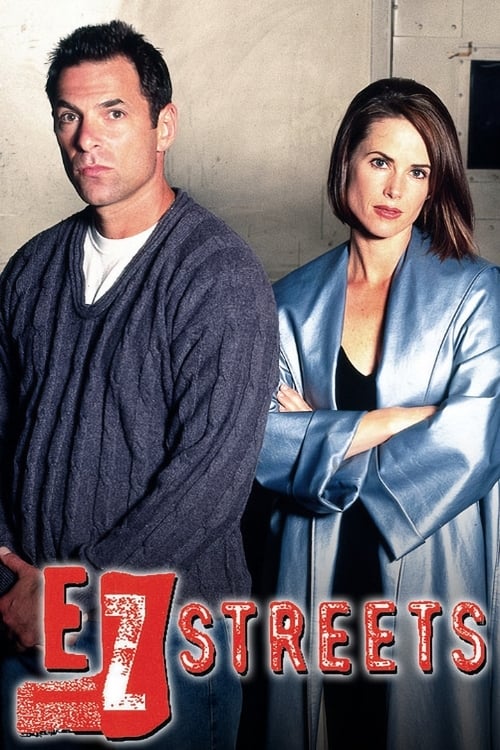
3. EZ Streets
Stephen Gaghan's *EZ Streets* was pure mood and atmosphere, a noir-inflected crime saga that didn't hold your hand. Its dense, non-linear narrative and morally compromised characters demanded attention, feeling more like a feature film stretched across episodes. CBS aired it, but it was too complex, too dark, too serialized for prime-time audiences then. Still, it’s a cult classic for anyone who saw where TV was headed.
4 / 12
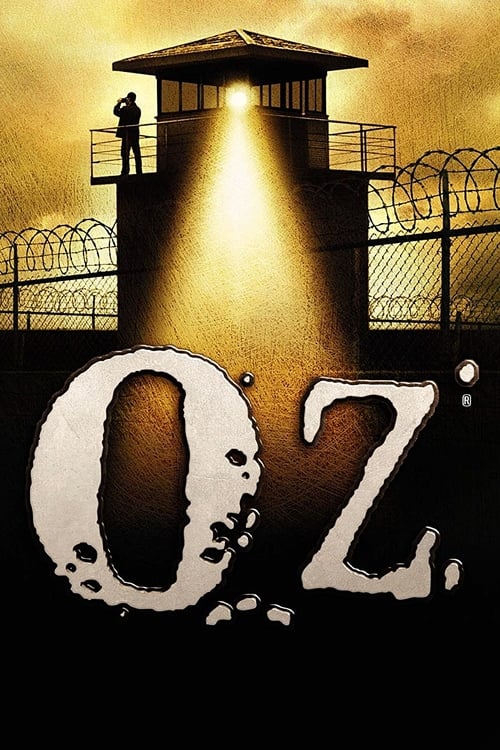
4. Oz
HBO truly arrived with *Oz*. This wasn't just a prison show; it was a brutal, uncompromising exploration of humanity's darker side, packed into a single, terrifying cell block. Its raw violence, complex moral dilemmas, and deeply flawed characters set a new standard for cable drama. You couldn't look away, and it firmly established HBO as the place where creators could push every boundary imaginable.
5 / 12
5. Six Feet Under
Alan Ball took death and turned it into profoundly moving, darkly funny television. Each episode started with a new demise, but the show was really about the living—the Fisher family, running a funeral home and grappling with their own messy lives. It was an intimate character study, deeply serialized, and unafraid to explore grief, sexuality, and existential dread with a poetic, often surreal touch.
6 / 12

6. The Office
The original UK *Office* redefined comedy. Ricky Gervais and Stephen Merchant pioneered the mockumentary style for a sitcom, finding excruciating humor in the mundane, the awkward, and the desperately un-PC. David Brent was a cringe-inducing revelation, a boss you loved to hate. It proved that sitcoms didn't need laugh tracks or slick sets; raw, character-driven realism could be hilariously uncomfortable and deeply resonant.
7 / 12
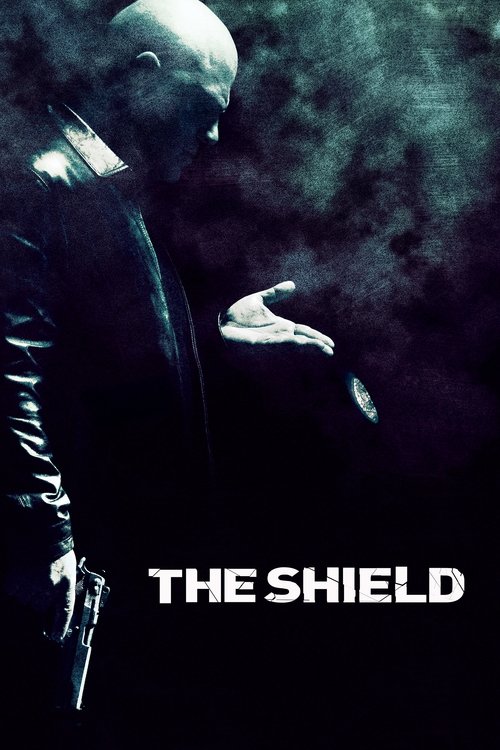
7. The Shield
FX announced itself as a serious contender with *The Shield*. Vic Mackey wasn't just an anti-hero; he was a full-blown villain you somehow rooted for, leading the Strike Team through moral quagmires in the name of twisted justice. It was intense, serialized, and unflinchingly brutal, pushing the boundaries of what a basic cable network would dare to put on screen. A game-changer for cable drama.
8 / 12
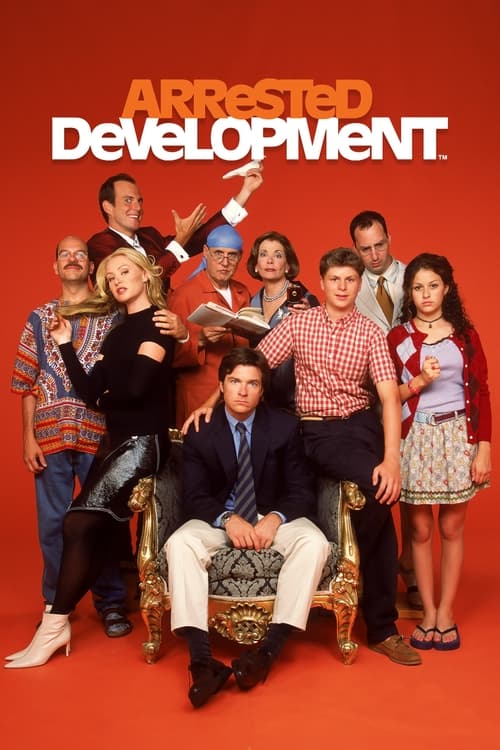
8. Arrested Development
This was comedy as a puzzle box, layered with running gags, callbacks, and intricate plotting that rewarded repeat viewing. The Bluth family was a masterclass in dysfunction, and the show's fast-paced, documentary-style narration and visual gags were revolutionary. It was too smart, too dense for network TV, perhaps, but it proved comedy could be intellectually stimulating, not just broadly appealing.
9 / 12
9. Deadwood
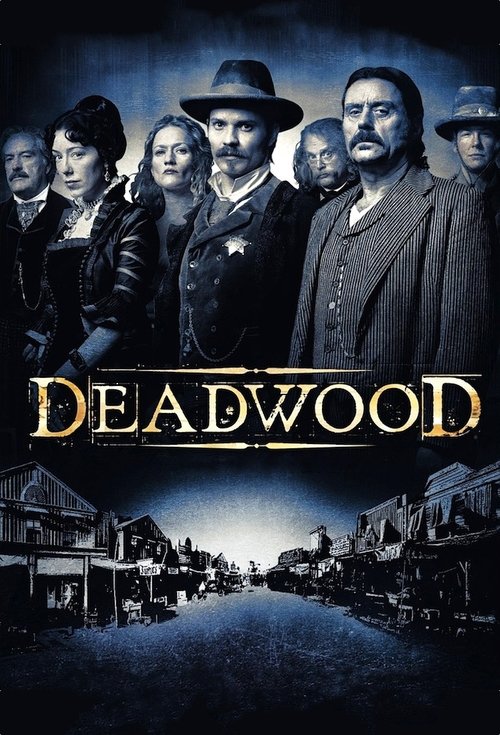
David Milch crafted a world from scratch, a foul-mouthed, violent, surprisingly poetic western that transcended genre. The language alone was revolutionary, a dense, Shakespearean vernacular laced with profanity. It was an ensemble piece, exploring the birth of civilization in the muddy, morally ambiguous frontier. HBO gave it the space to breathe, to be ugly and beautiful, and utterly unforgettable.
10 / 12
10. Rome
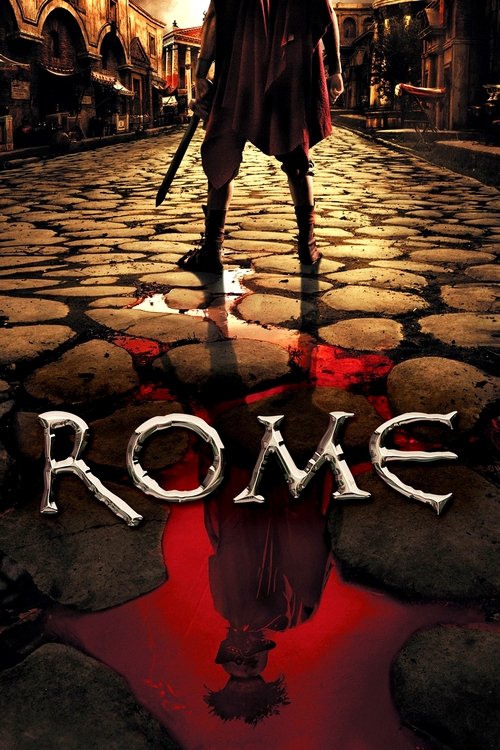
HBO went all-in on epic historical drama with *Rome*, a truly ambitious co-production that brought the ancient world to lavish, brutal life. It blended the grand sweep of historical events with the intimate, often scandalous, lives of its characters, both real and fictional. The production values were cinematic, the storytelling serialized and complex, setting a new bar for period pieces on television.
11 / 12
11. Generation Kill
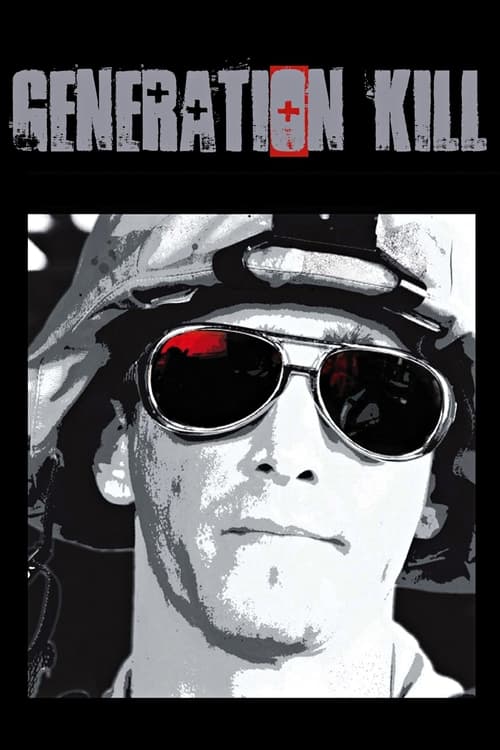
From the creators of *The Wire*, this HBO miniseries was a searing, unflinching look at the Iraq War through the eyes of a Marine recon battalion. Its journalistic realism, dark humor, and focus on the small, absurd details of modern combat felt immediate and authentic. It wasn't about heroics; it was about the grind, the bureaucracy, and the human cost, delivered with stark, cinematic precision.
12 / 12
12. Rubicon
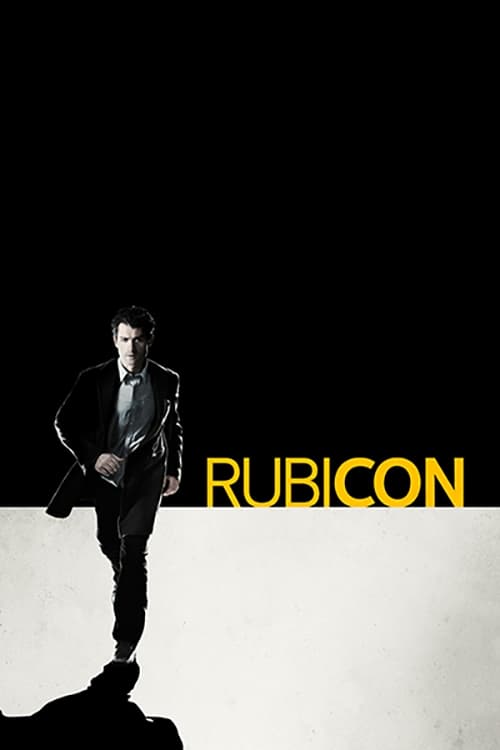
AMC was on a roll, and *Rubicon* was their intellectual, slow-burn conspiracy thriller. It was deliberate, atmospheric, and demanded patience, unfolding its intricate mysteries about a secretive intelligence agency with quiet intensity. While it didn't grab mass audiences like *Mad Men*, it was a testament to cable's willingness to back challenging, serialized dramas that prioritized mood and intricate plotting over instant gratification.