
1 / 12
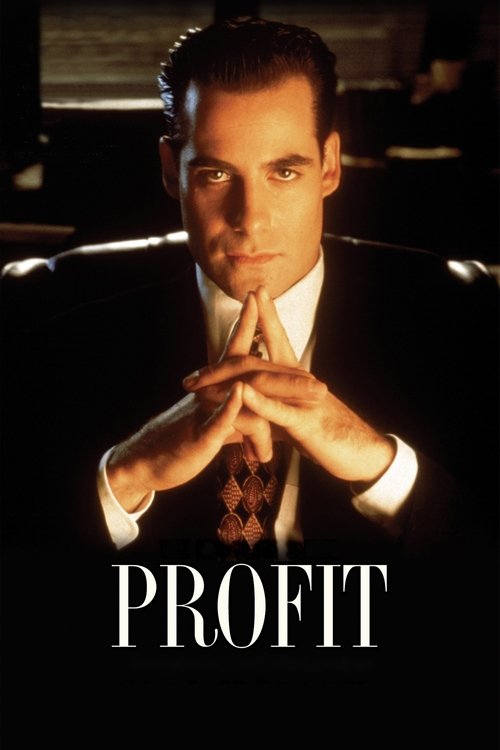
1. Profit
Before Tony Soprano or Walter White, there was Jim Profit, a corporate shark so utterly amoral, he made you question everything. Fox let this dark, cynical beauty loose, a show that reveled in its villain's Machiavellian machinations. It was a stark, almost theatrical look at unchecked capitalism, years ahead of its time. This wasn't just a drama; it was a psychological thriller wrapped in a suit, pushing boundaries of network television and hinting at the complex anti-heroes to come. A truly audacious swing.
2 / 12
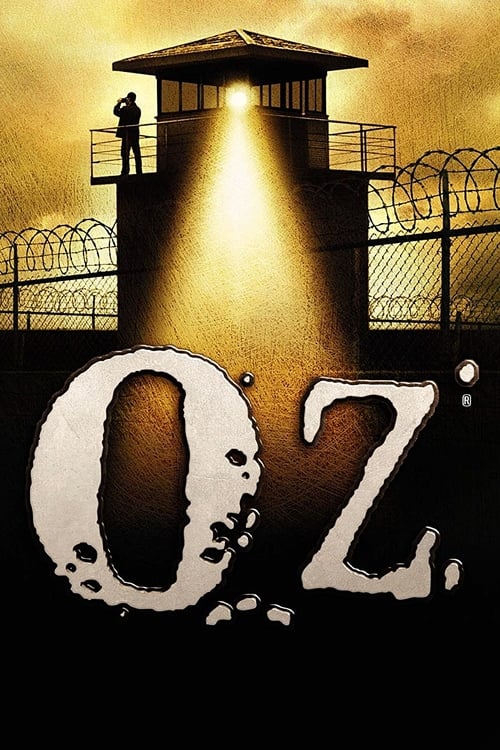
2. Oz
When HBO dropped *Oz*, it wasn't just a show; it was a statement. This was cable saying, "We can go places network TV wouldn't dare." The raw, brutal realism of Oswald State Penitentiary, the sprawling ensemble cast, the serialized storytelling that never pulled punches – it redefined what "drama" meant. No clear heroes, just shades of grey in a concrete jungle. It proved audiences were ready for unrelenting, character-driven narratives, setting the stage for HBO's dominance.
3 / 12
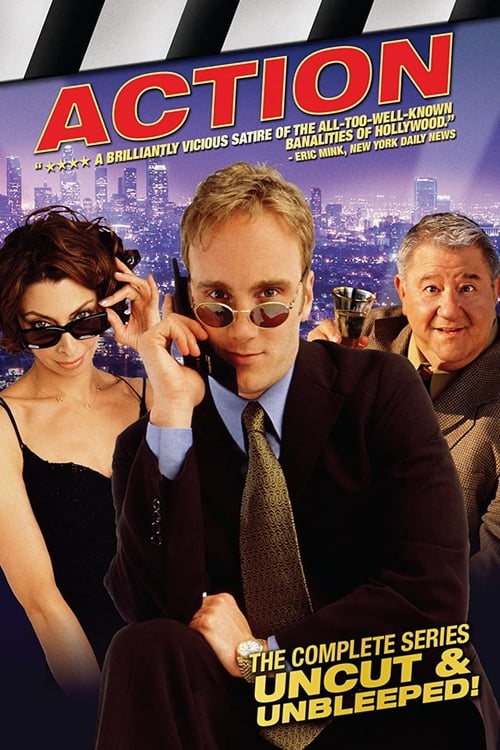
3. Action
Fox's *Action* was a brilliant, vicious satire of Hollywood, a show so cynical and profane that the network barely knew what to do with it. It had this sharp, almost mockumentary-lite feel to its behind-the-scenes chaos, lampooning the industry with glee. Starring Jay Mohr and Illeana Douglas, it was a rapid-fire, ensemble dark comedy that pulled no punches, a real breath of fresh, albeit foul, air. Too good, too smart, too much for its time, it left its mark on how TV could bite the hand that fed it.
4 / 12
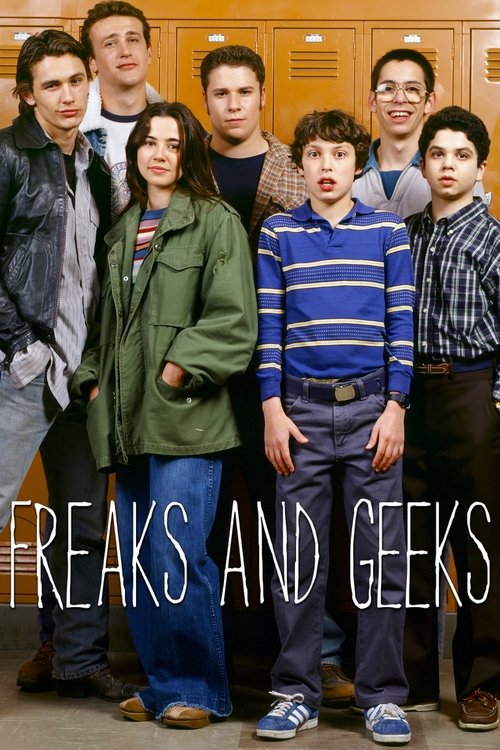
4. Freaks and Geeks
*Freaks and Geeks* was never about high school clichés; it was about the painful, awkward, utterly real truth of growing up. Paul Feig and Judd Apatow crafted an ensemble masterclass, giving every character, from the popular to the perpetually picked-on, genuine depth. It nailed that late 70s suburban vibe with a naturalistic style that felt almost like a documentary. Even though NBC quickly axed it, its legacy as a foundational coming-of-age story, a benchmark for authenticity, is undeniable.
5 / 12
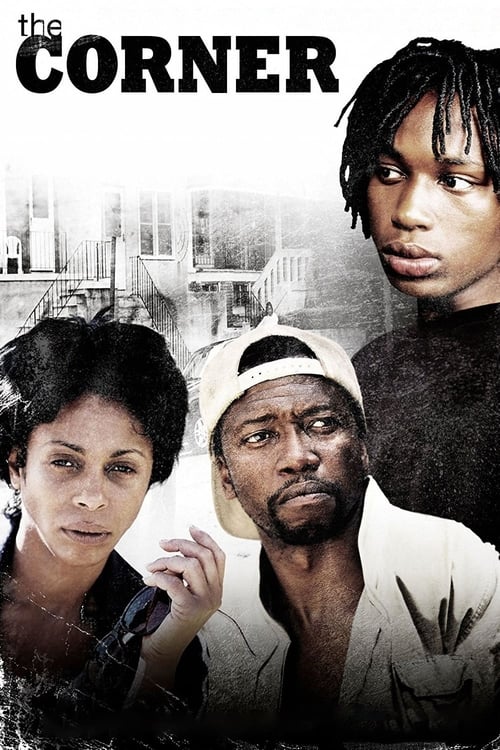
5. The Corner
Before *The Wire*, there was *The Corner*, a devastating HBO miniseries that laid the groundwork for David Simon's immersive, gritty realism. Based on the non-fiction book, it meticulously chronicled a family's struggles with addiction and poverty in West Baltimore. This wasn't just storytelling; it felt like vital, unflinching journalism, using a large ensemble to paint a sprawling, interconnected portrait of a community. It was a brutal, necessary step in television's embrace of social commentary and deep-dive serialized narratives.
6 / 12
6. Six Feet Under
*Six Feet Under* showed how a family drama could be both deeply personal and profoundly philosophical, all while starting every episode with a death. Alan Ball’s creation, on HBO, was a masterclass in character development, an ensemble navigating grief, love, and the absurdity of life from inside a funeral home. It blended dark humor with raw emotion, proving that serialized storytelling could tackle existential dread with grace and wit. It was a show that truly embraced the messiness of being human.
7 / 12
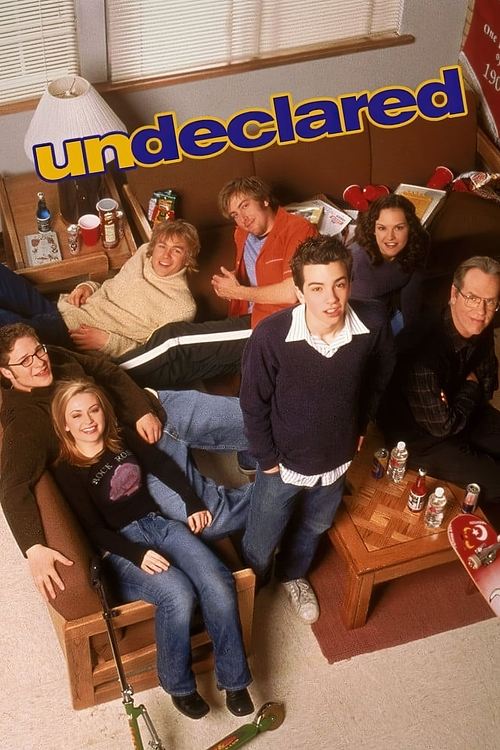
7. Undeclared
Coming right after *Freaks and Geeks*, Judd Apatow's *Undeclared* continued his streak of crafting honest, awkward, and hilarious coming-of-age stories, this time set in college. It had that same naturalistic, ensemble feel, exploring the messy transition to adulthood with a cast that felt like real people, not sitcom caricatures. Fox aired it, but it was another short-lived gem that punched above its weight, laying more groundwork for the kind of character-driven, serialized comedy that would thrive later.
8 / 12
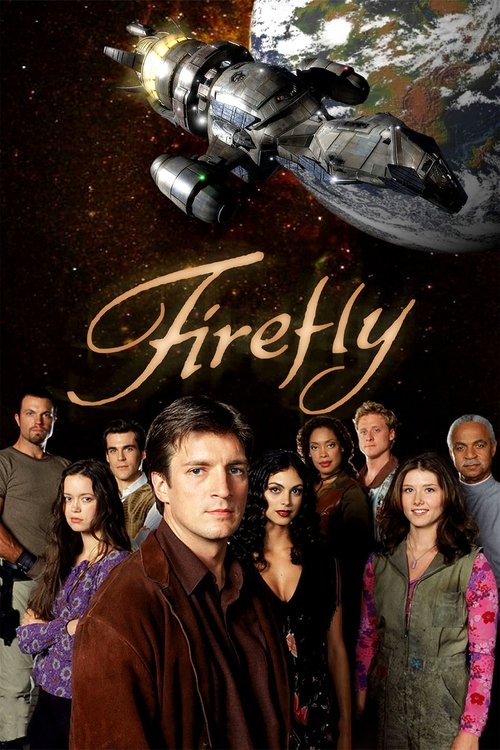
8. Firefly
Joss Whedon's *Firefly* was a space western that shouldn't have worked, but it did, beautifully. Fox quickly jettisoned it, but this show was a cinematic marvel, blending dusty frontier aesthetics with futuristic tech. Its ensemble cast was pure gold, each character sharply drawn and instantly lovable, navigating a 'verse that felt lived-in and real. It was serialized adventure with heart and humor, a cult classic that proved audiences craved intelligent, genre-bending storytelling with a clear, authorial voice, even if networks didn't always get it.
9 / 12
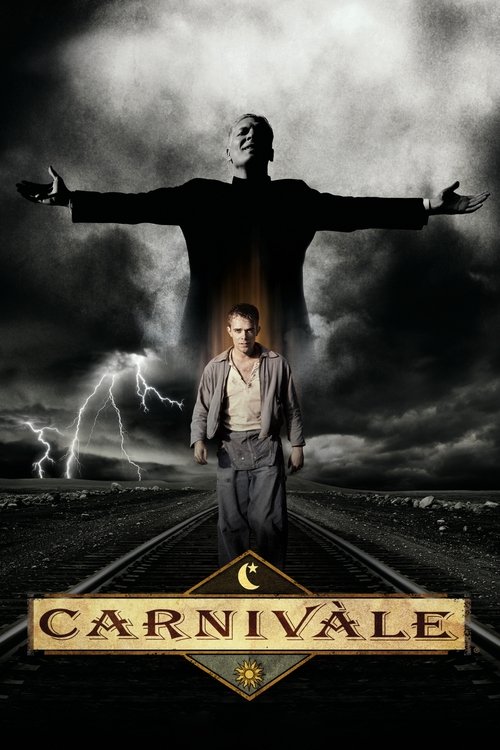
9. Carnivàle
*Carnivàle* was HBO at its most ambitious, a sprawling, visually stunning epic steeped in dust bowl mythology and biblical allegory. Its cinematic scope was unlike anything TV had attempted, demanding attention with its intricate, serialized narrative and incredibly atmospheric world-building. This period piece was dense, dark, and deliberately paced, trusting its audience to lean into its mysteries. It proved that television could deliver high-art spectacle, pushing boundaries of production value and complex, multi-layered storytelling, even if it ended too soon.
10 / 12

10. Slings & Arrows
This Canadian gem, later found on Sundance, was a masterclass in niche, intelligent storytelling. *Slings & Arrows* followed a struggling Shakespearean theater company, blending sharp, witty comedy with genuine drama and heartfelt character work. The ensemble cast was phenomenal, and its serialized arcs explored artistic integrity, mental health, and the sheer chaos of putting on a show. It was proof that quality television could thrive outside the major networks, offering a sophisticated, character-driven narrative that felt both specific and universally resonant.
11 / 12
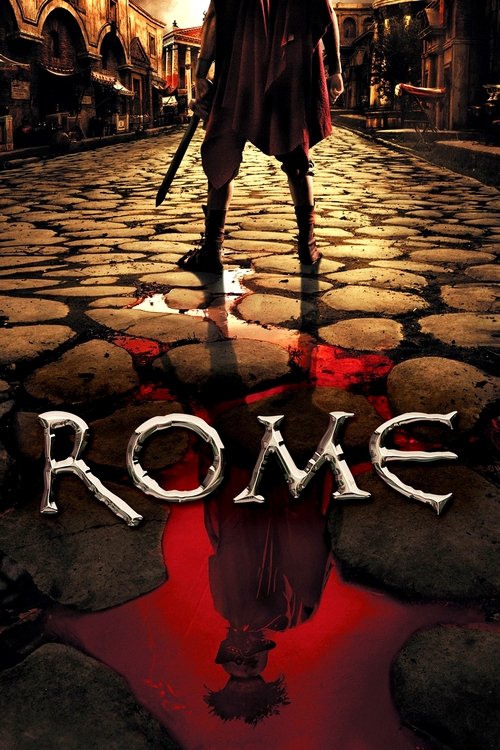
11. Rome
*Rome* was a colossal undertaking, a co-production between HBO and BBC that pushed the limits of historical drama on television. It blended sweeping political intrigue with intimate character stories, following two ordinary soldiers amidst the fall of the Republic. The production values were cinematic, the ensemble cast immense, and its serialized narrative unflinchingly depicted the brutality and opulence of ancient Rome. It set a new bar for historical epics, proving that TV could rival big-screen spectacle while still delivering complex, character-driven storytelling.
12 / 12
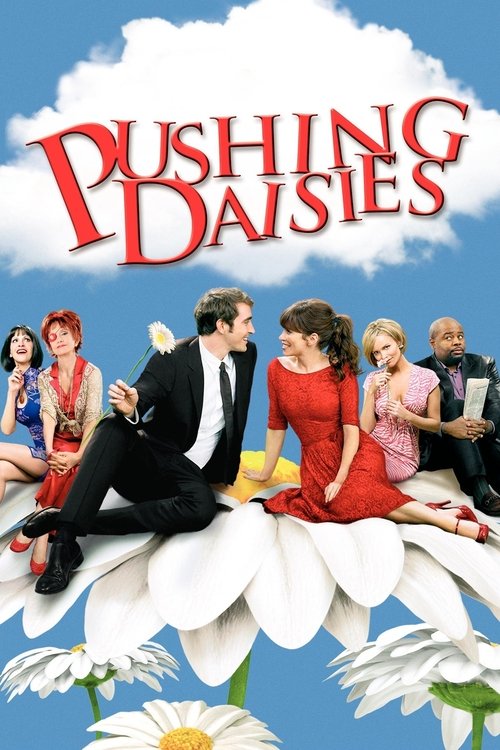
12. Pushing Daisies
Bryan Fuller's *Pushing Daisies* was a visual feast, a show so stylized and whimsical it felt like a living storybook. This fantasy-mystery, with its bright colors and quirky dialogue, brought a fresh, serialized approach to network television. The premise was unique, the ensemble charming, and it proved that even amidst the anti-hero craze, there was room for optimistic, clever, and utterly original storytelling. It showcased how cinematic artistry could elevate a genre show into something truly unforgettable, a unique blend of heart and cleverness.