1 / 12
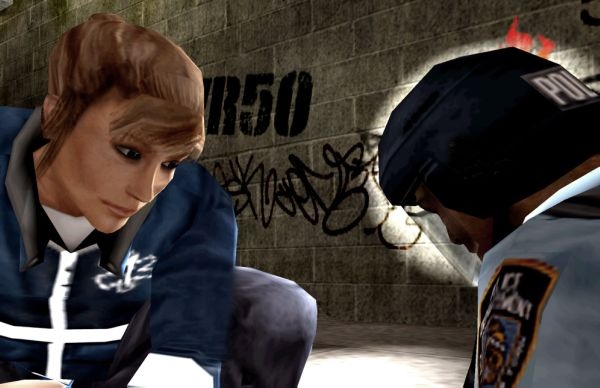
1. Urban Chaos: Riot Response
Remember when shooters were just *fun*? Urban Chaos: Riot Response on PS2/Xbox wasn't trying to be a deep narrative or a live-service cash cow. It was pure, unadulterated aggressive FPS action, where you were a riot cop kicking ass with a shield and unique gadgetry. Publishers today would slap a battle pass on it and call it a day, but this was a tight, focused experience. It was brutal, satisfying, and honestly, a damn good time that got buried under bigger names.
2 / 12
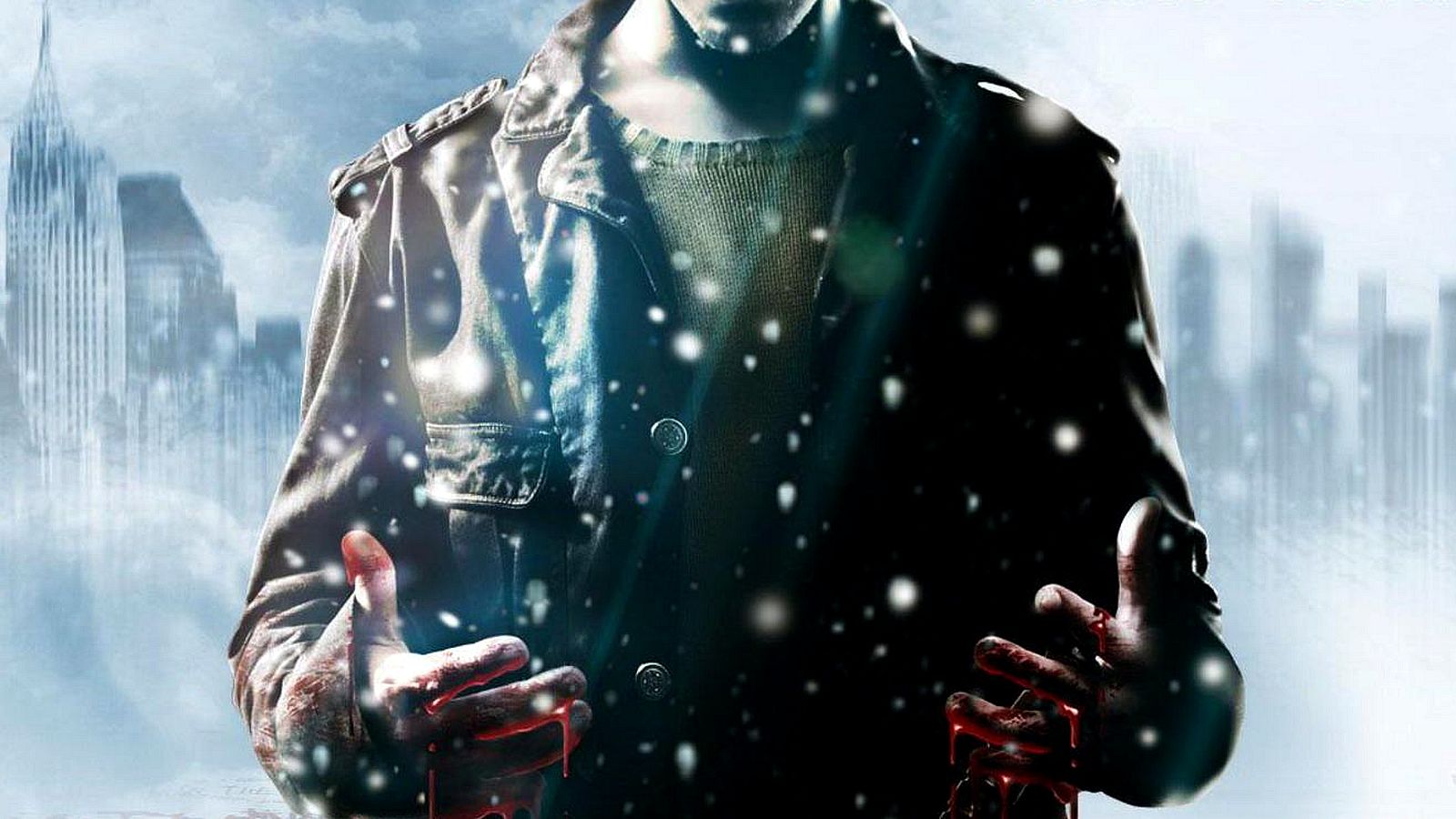
2. Fahrenheit (Indigo Prophecy)
Before Quantic Dream became synonymous with slightly clunky interactive dramas, there was Fahrenheit, or Indigo Prophecy as it was known stateside. On PS2/Xbox, this game was a wild, often nonsensical ride, blending detective mystery with supernatural elements and quick-time events that were both novel and frustrating. It tried *so hard* to be cinematic, and while it often stumbled into absurdity, its sheer ambition for choice and consequence, even if poorly executed at times, was undeniably captivating.
3 / 12
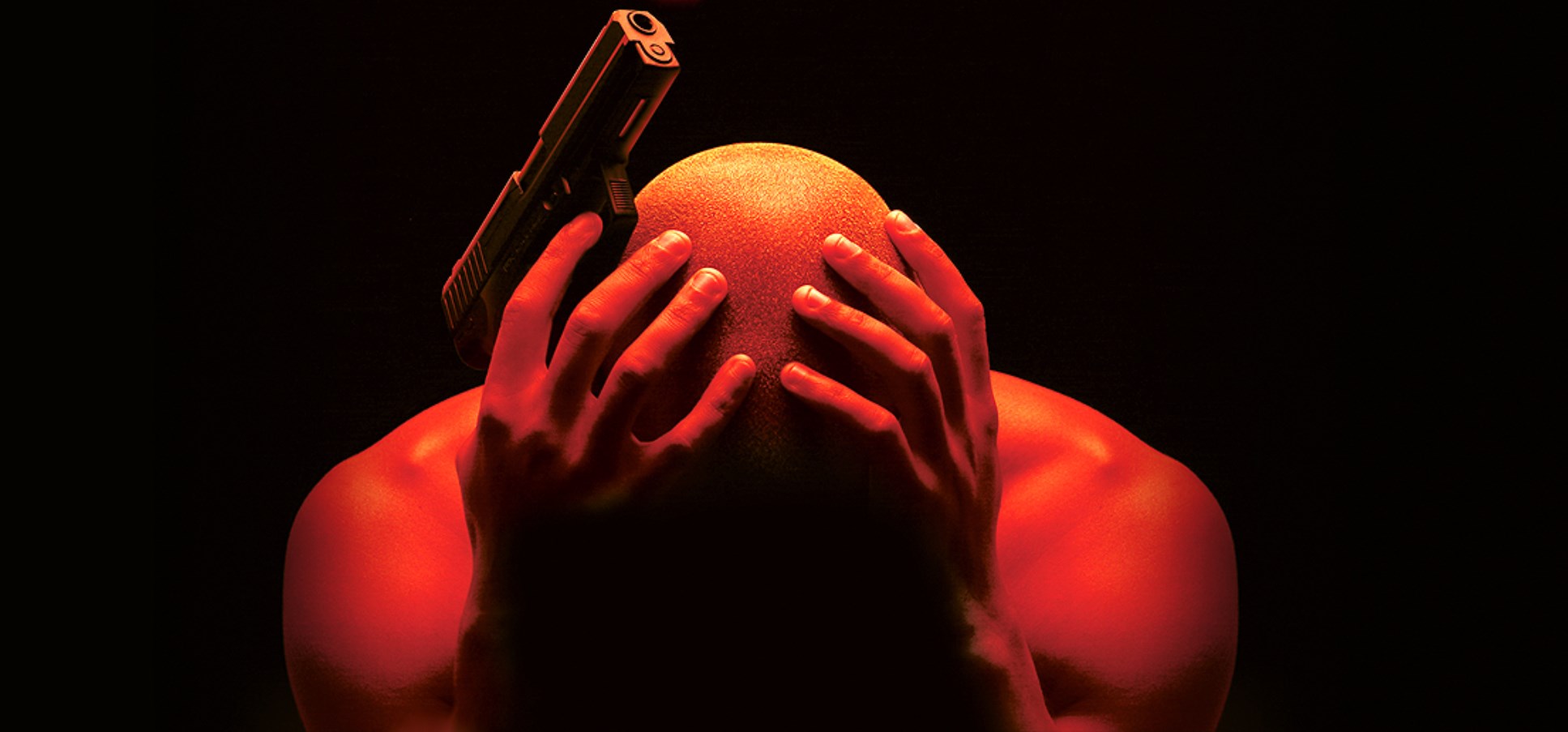
3. Second Sight
Free Radical Design, bless their hearts, gave us Second Sight. This PS2-era gem was a stealth-action game where psychic powers weren't just a gimmick, but core to the gameplay and an unraveling mystery. You're John Vattic, amnesiac, breaking out of a research facility with telekinesis and astral projection. It had a genuinely gripping story, character development, and smart level design that felt so much more polished than many contemporaries. A true shame it never got the recognition it deserved.
4 / 12
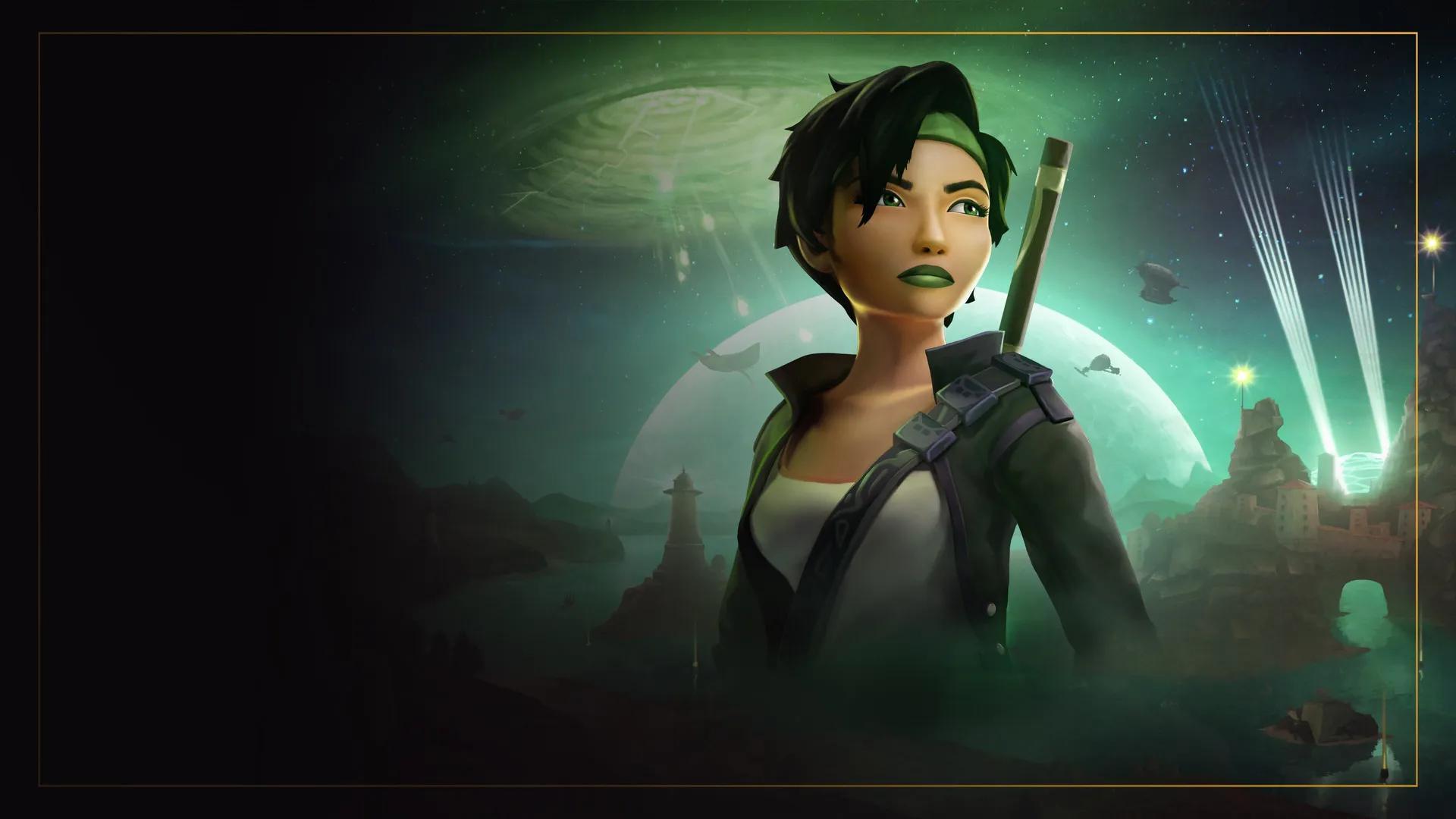
4. Beyond Good & Evil - 20th Anniversary Edition
Ubisoft's Beyond Good & Evil always had a cult following, but this new 20th Anniversary Edition brings it back with a much-needed polish. Jade's journey through Hillys, exposing a government conspiracy with her camera and martial arts, was already a masterclass in world-building and character. But now, with improved visuals and a higher framerate, it feels like the game it *should* have been on release. It's a poignant reminder of when Ubi actually took narrative risks.
5 / 12
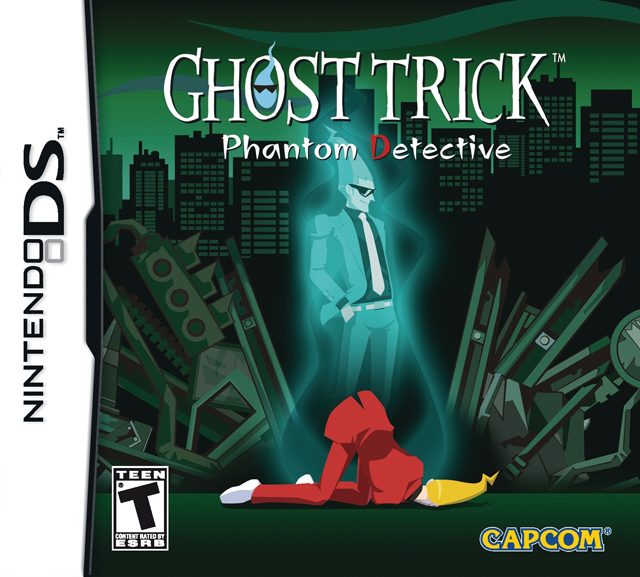
5. GHOST TRICK: Phantom Detective
Ghost Trick: Phantom Detective on the DS was pure genius, a testament to what unique hardware could enable. You play as Sissel, a recently deceased ghost, manipulating objects in the environment to prevent future deaths and unravel your own murder. Shu Takumi's writing is phenomenal – witty, heartfelt, and full of twists that'd make M. Night Shyamalan blush. It's a masterclass in puzzle design and narrative, proving that true innovation doesn't need cutting-edge graphics, just a brilliant concept.
6 / 12
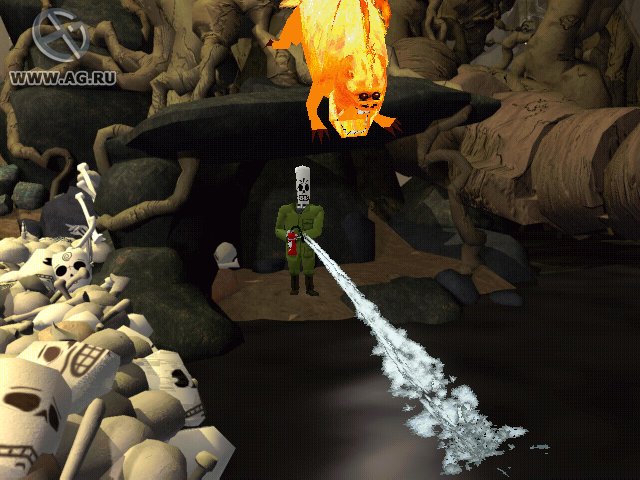
6. Grim Fandango
LucasArts was at its absolute peak with Grim Fandango. This isn't just a point-and-click; it's a film noir masterpiece wrapped in Aztec mythology and a Day of the Dead aesthetic. Manny Calavera's journey through the Land of the Dead, searching for souls to send to the Ninth Underworld, is utterly unforgettable. Its witty dialogue, complex puzzles, and utterly unique vision were groundbreaking. Modern gaming often shies away from such pure, unadulterated creativity, which is why it remains a timeless classic.
7 / 12
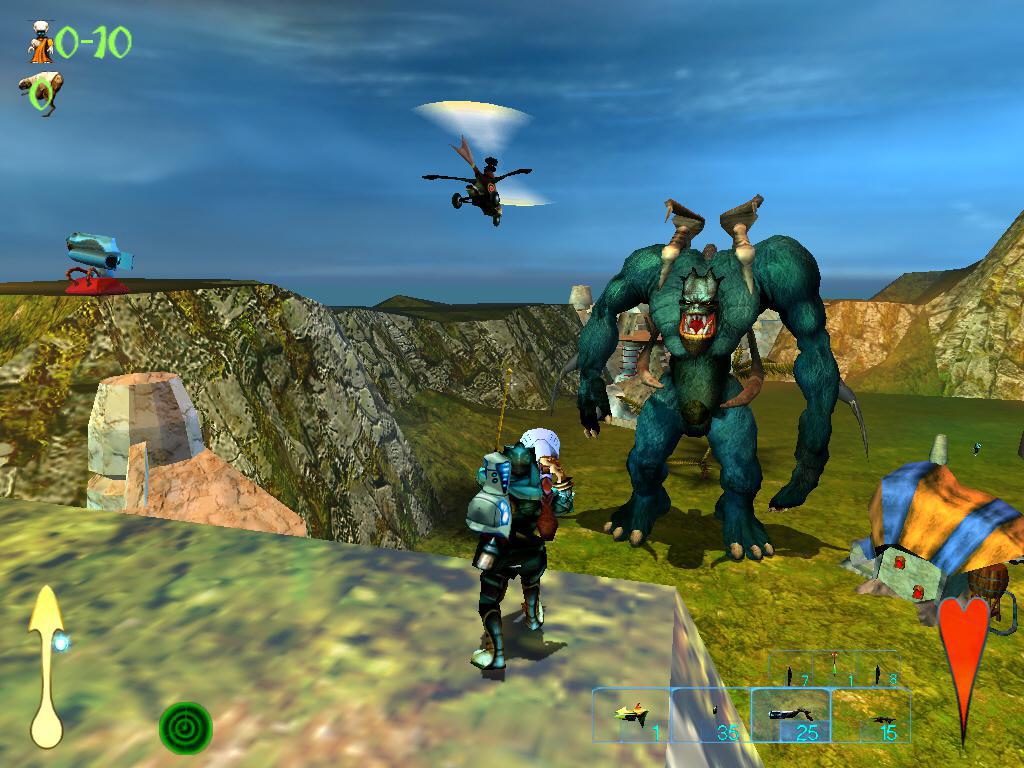
7. Giants: Citizen Kabuto
Giants: Citizen Kabuto was an absolute fever dream of a game. Where else could you play as a tiny commando on a jet ski, a flying sorceress, or a colossal monster smashing entire islands? This PC classic blended third-person shooting, RTS elements, and truly bizarre humor into something utterly unreplicable. It was bold, hilarious, and unapologetically weird. Publishers today would slice this into three different games and sell them as "innovative genres." Shiny Entertainment truly let loose here.
8 / 12
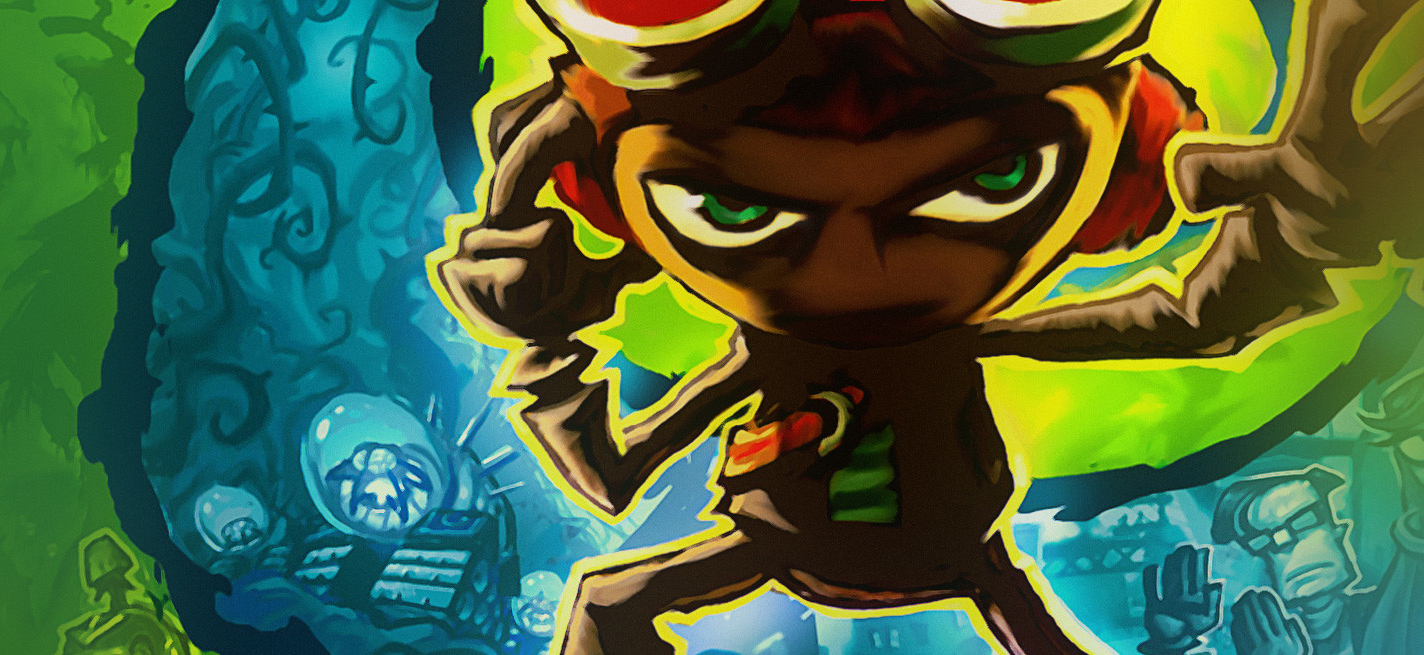
8. Psychonauts
Before Psychonauts 2 blew everyone away, the original on PS2/Xbox already showed Tim Schafer's genius. Raz's journey into the minds of others to uncover a conspiracy is a masterclass in creative level design, where each mental world is a wildly imaginative playground reflecting its host's psyche. It’s funny, heartfelt, and packed with charm that modern "safe" platformers often lack. This game was always destined for cult status, a true labor of love that defied easy categorization.
9 / 12
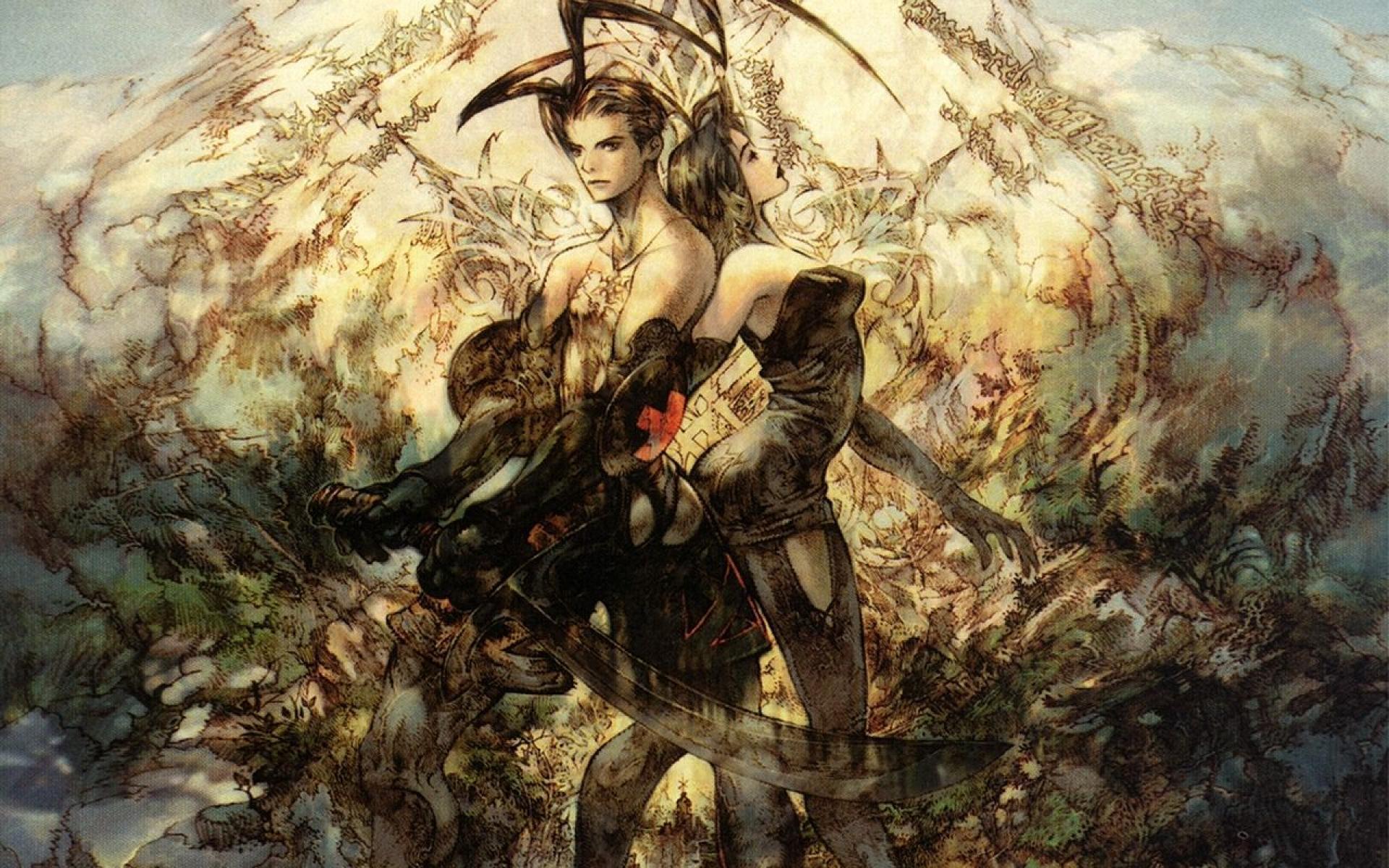
9. Vagrant Story (2000)
Vagrant Story on the PlayStation 1 wasn't just an RPG; it was a hardcore, intricate combat system wrapped in a dark fantasy masterpiece. You're Ashley Riot, a Riskbreaker navigating the ruined city of Leá Monde, where every hit point, weapon affinity, and chain combo matters. There's no voice acting, minimal cutscenes, just pure, unadulterated gameplay and an oppressive atmosphere. Square tried something truly unique here, demanding player investment in its deep mechanics, something rarely seen from big studios now.
10 / 12
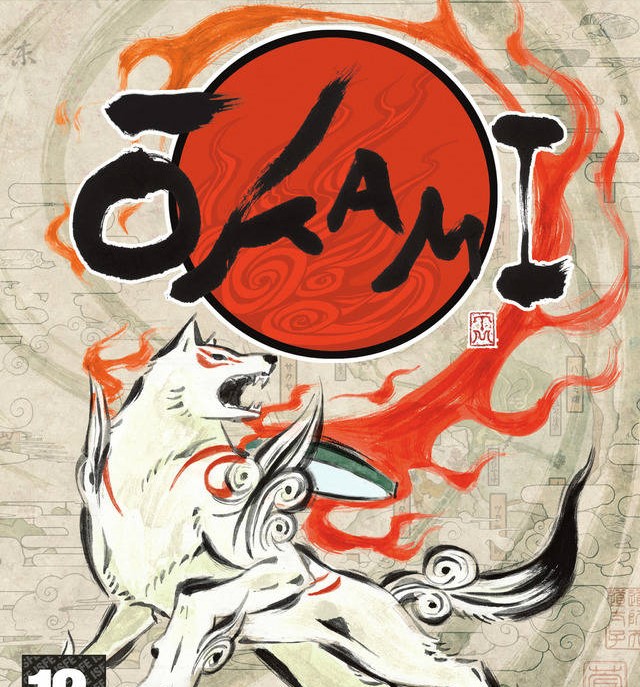
10. Okami
Okami on the PS2 was like a playable Miyazaki film, drenched in breathtaking cel-shaded art that still holds up. Embodying the sun goddess Amaterasu in wolf form, restoring color and life to a cursed Nippon, it was a profound experience. The Celestial Brush mechanics were revolutionary, letting you literally paint solutions onto the screen. Capcom delivered a true artistic statement, a sprawling adventure that was both respectful of its heritage and wildly innovative, a stark contrast to today's endless sequels.
11 / 12
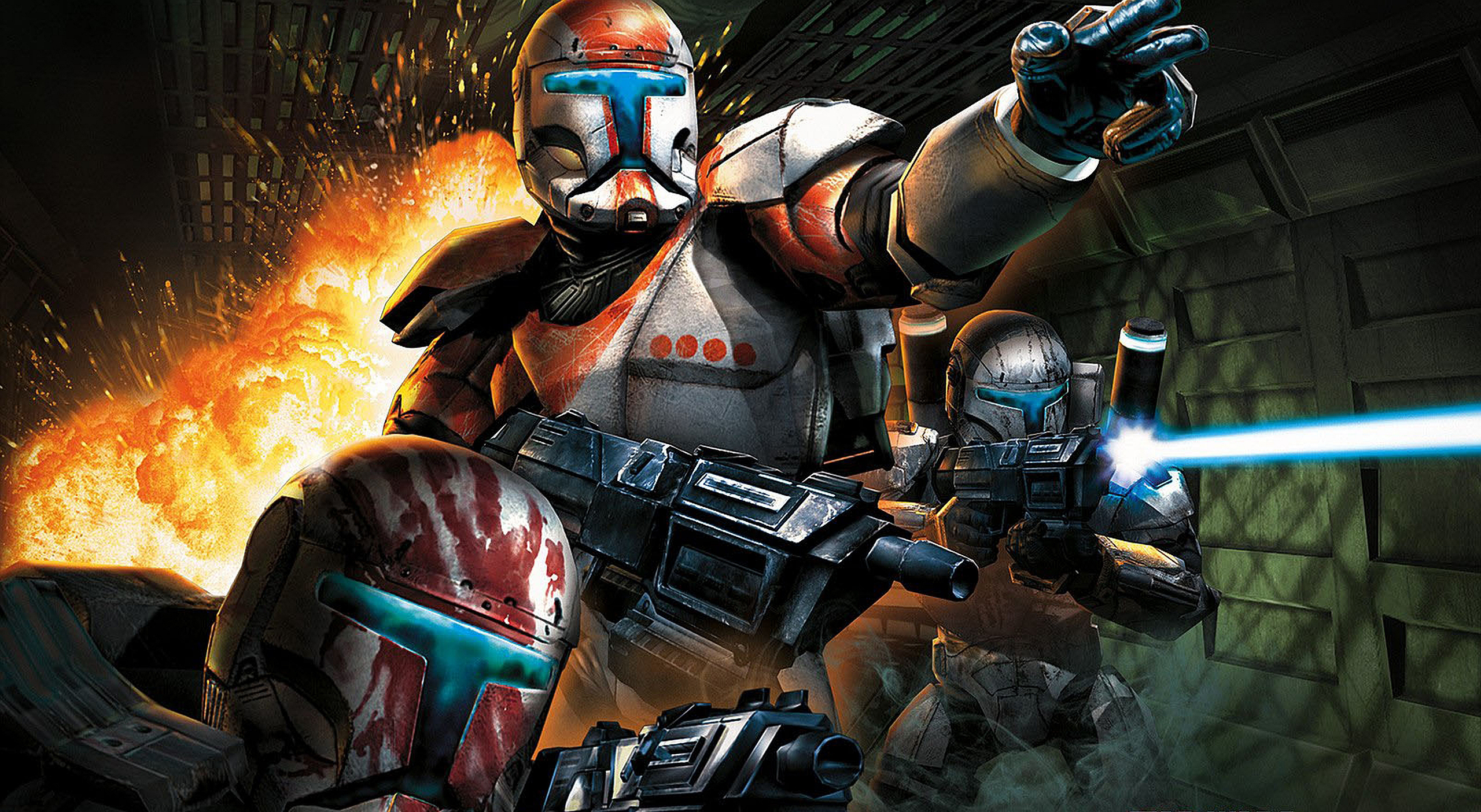
11. Star Wars: Republic Commando
Star Wars: Republic Commando on PC/Xbox wasn't about Jedi powers or grand philosophical debates; it was about the gritty, brutal reality of being a clone trooper. This squad-based FPS put you in the boots of Delta-38, leading your elite commando unit through tactical engagements. The "honorary discharge" system for downed squadmates, the barked orders, the visceral feedback—it all created an incredible sense of camaraderie and urgency. It felt like a war movie, a Star Wars experience unlike any other, and still stands as a benchmark for squad AI.
12 / 12
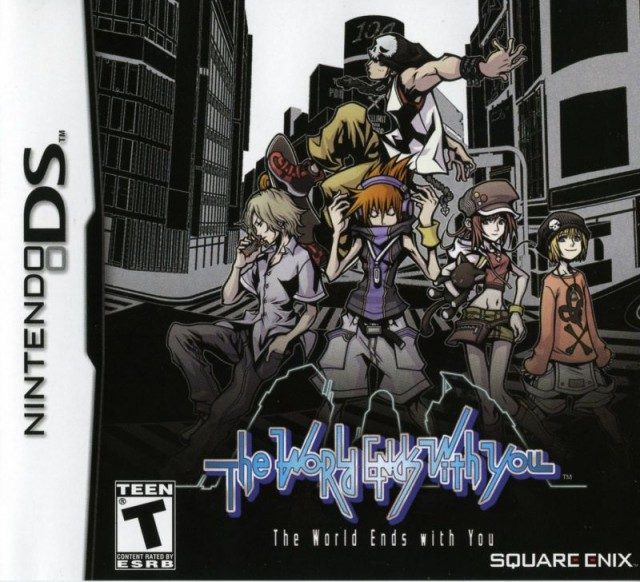
12. The World Ends With You DS
The World Ends With You on the DS was pure, unadulterated Shibuya street style and innovation. Its dual-screen combat, requiring simultaneous control of two characters, felt chaotic but brilliant, perfectly encapsulating the game's theme of connection. The soundtrack slaps, the character designs are iconic, and its narrative about consumerism and self-expression is as relevant now as ever. Square Enix took a massive risk creating something so utterly unique for a handheld, and it paid off with one of the most stylish JRPGs ever.