1 / 12
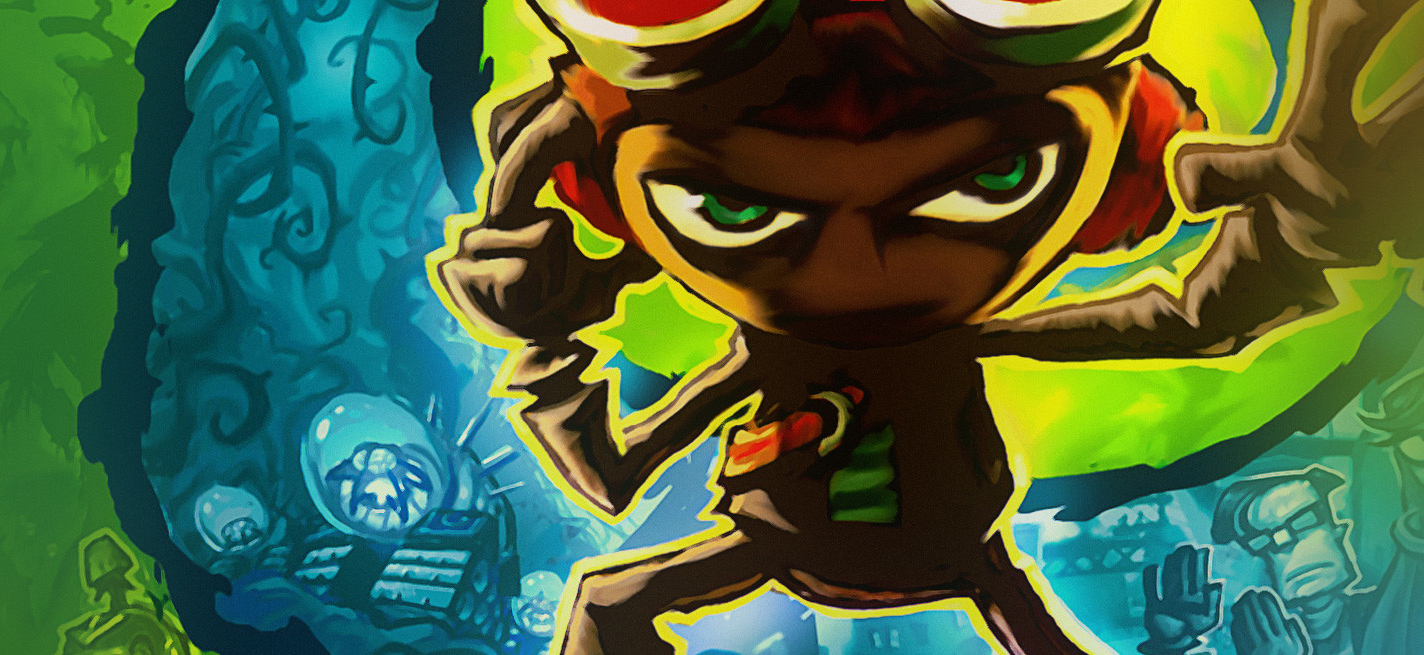
1. Psychonauts
Man, it’s wild how Tim Schafer’s masterpiece initially struggled. This platformer wasn't just visually distinct; its deep dive into mental health and quirky characters was pure genius. Maybe the industry just wasn't ready for a game that dared to be this clever and heartfelt, or perhaps the platformer market was just too saturated. Whatever the reason, it took years for it to get the love it deserved. Seriously, play it.
2 / 12
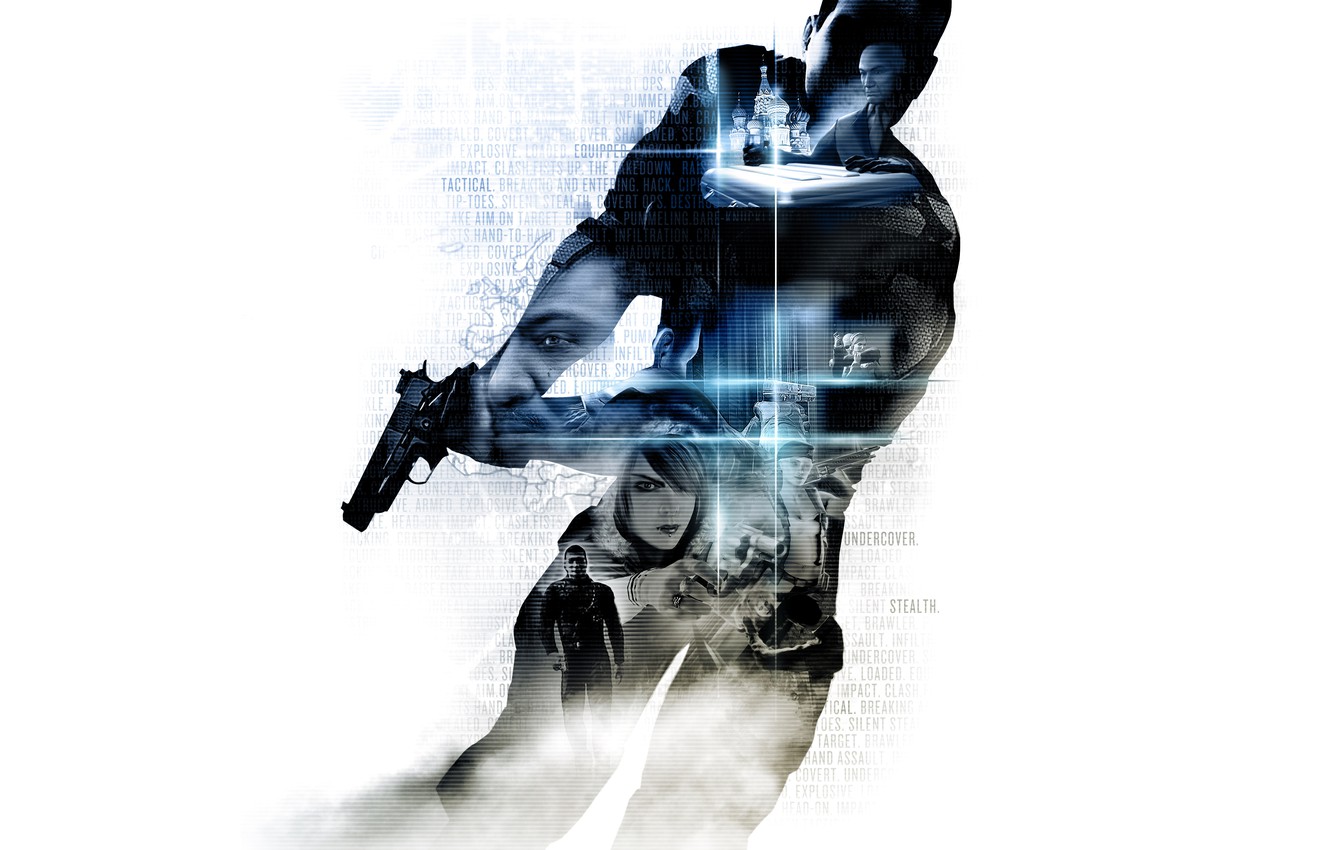
2. Alpha Protocol
Ah, Obsidian's clunky, beautiful spy RPG. Sure, the combat was a bit like wrestling a greased eel, but the player agency, the dialogue choices, the genuine consequences? Unparalleled. This game proved that a compelling narrative and branching paths can still shine through rough edges. It’s a crying shame publishers often prioritize ultra-polished, generic mechanics over ambitious storytelling that truly lets players shape their journey.
3 / 12
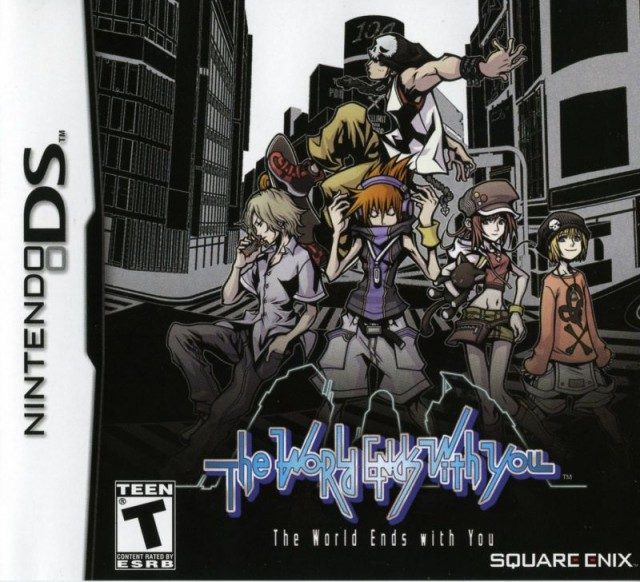
3. The World Ends With You DS
Talk about a game that dared to be different. The World Ends With You on DS was a stylistic, auditory, and mechanical marvel. Its dual-screen combat, Shibuya-inspired aesthetic, and incredible soundtrack created an experience unlike anything else. It's a prime example of how creativity can thrive on specific hardware, yet it never quite broke into mainstream consciousness, perhaps due to its niche platform and bold design.
4 / 12
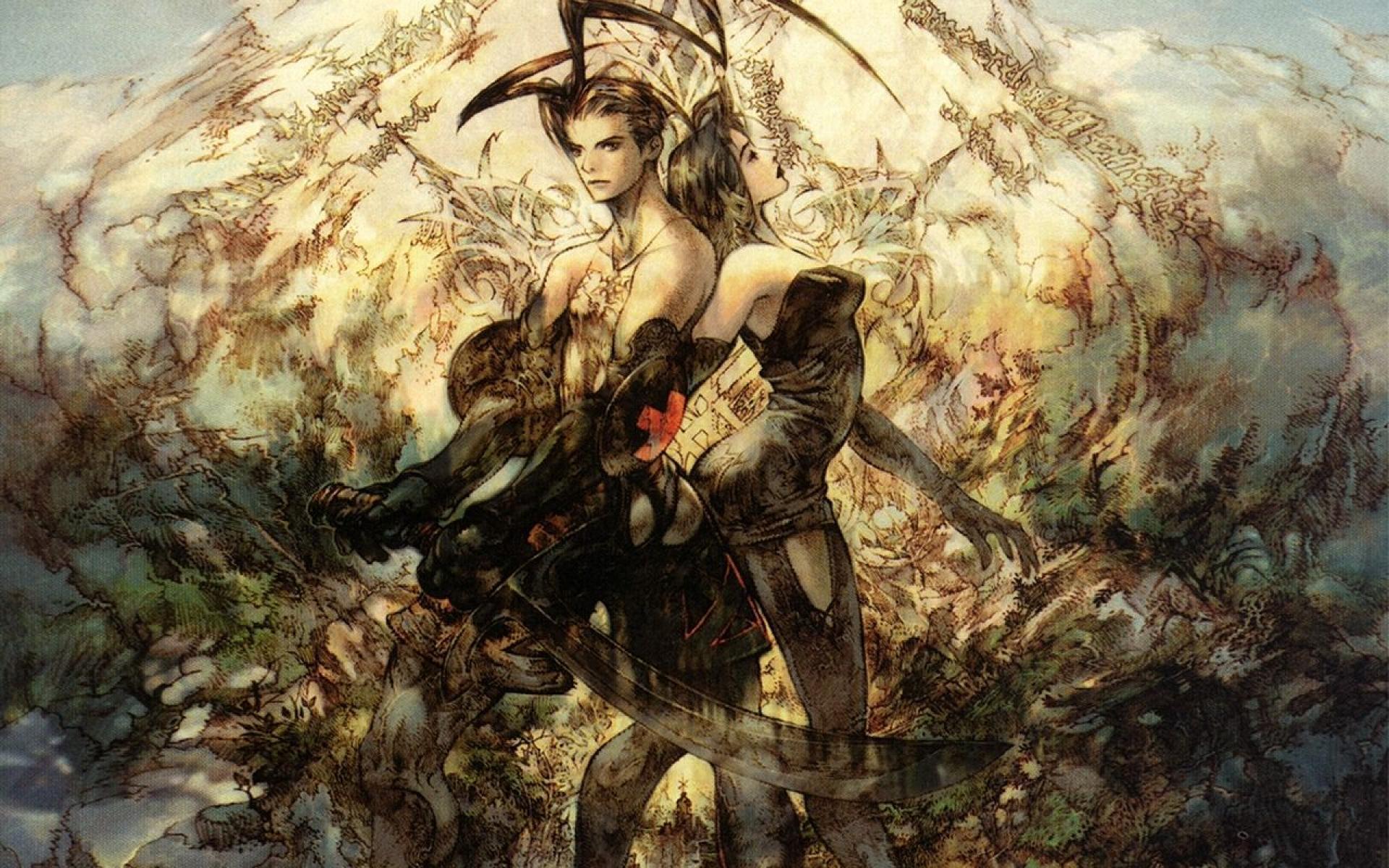
4. Vagrant Story (2000)
Square's dark, intricate action RPG from 2000 is a cult classic for a reason. Vagrant Story was relentlessly challenging, narratively complex, and visually stunning for its era. It demanded player dedication, offering deep crafting and a unique combat system. But maybe its uncompromising nature and lack of broad appeal compared to other JRPG giants meant it was destined to be overlooked by the masses, despite its brilliance.
5 / 12
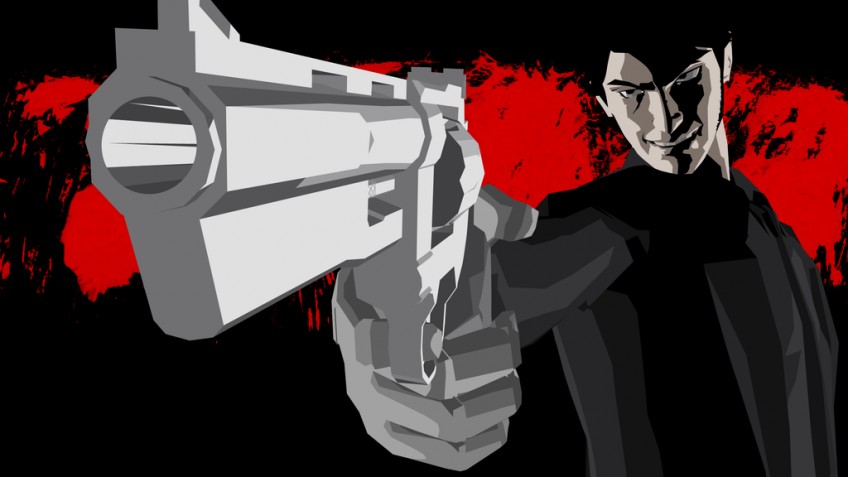
5. killer7
Suda51's killer7 is a fever dream of a game. Its on-rails shooter mechanics, cel-shaded art style, and utterly bizarre narrative were a profound statement. It pushed boundaries, reveling in its own weirdness. But let's be real, a game this experimental and uncompromising was always going to be niche. The industry often shies away from anything that doesn't fit neatly into a marketable box, and killer7 defied all boxes.
6 / 12
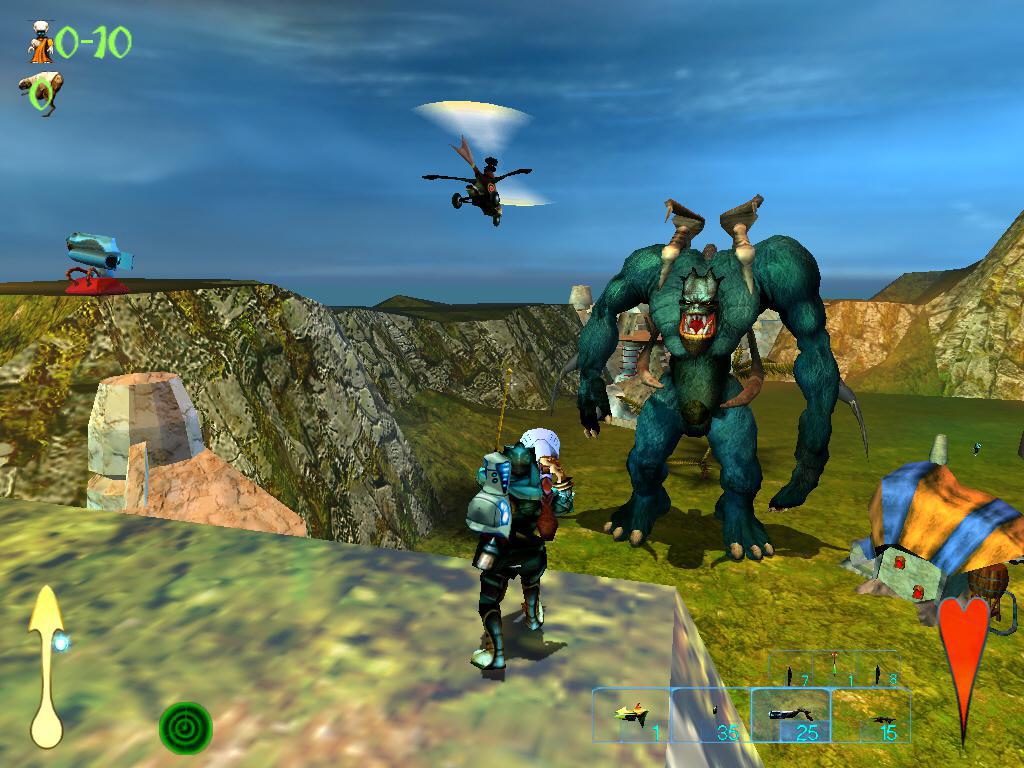
6. Giants: Citizen Kabuto
Giants was a genre-bending marvel: part third-person shooter, part RTS, all hilarious. Playing as a giant monster or a tiny jetpack-equipped dude, it offered incredible variety and irreverent humor. It felt fresh and genuinely inventive, yet it never quite found its footing commercially. Maybe it was too ambitious, too quirky, or simply released at the wrong time. A real shame, because its charm is undeniable.
7 / 12
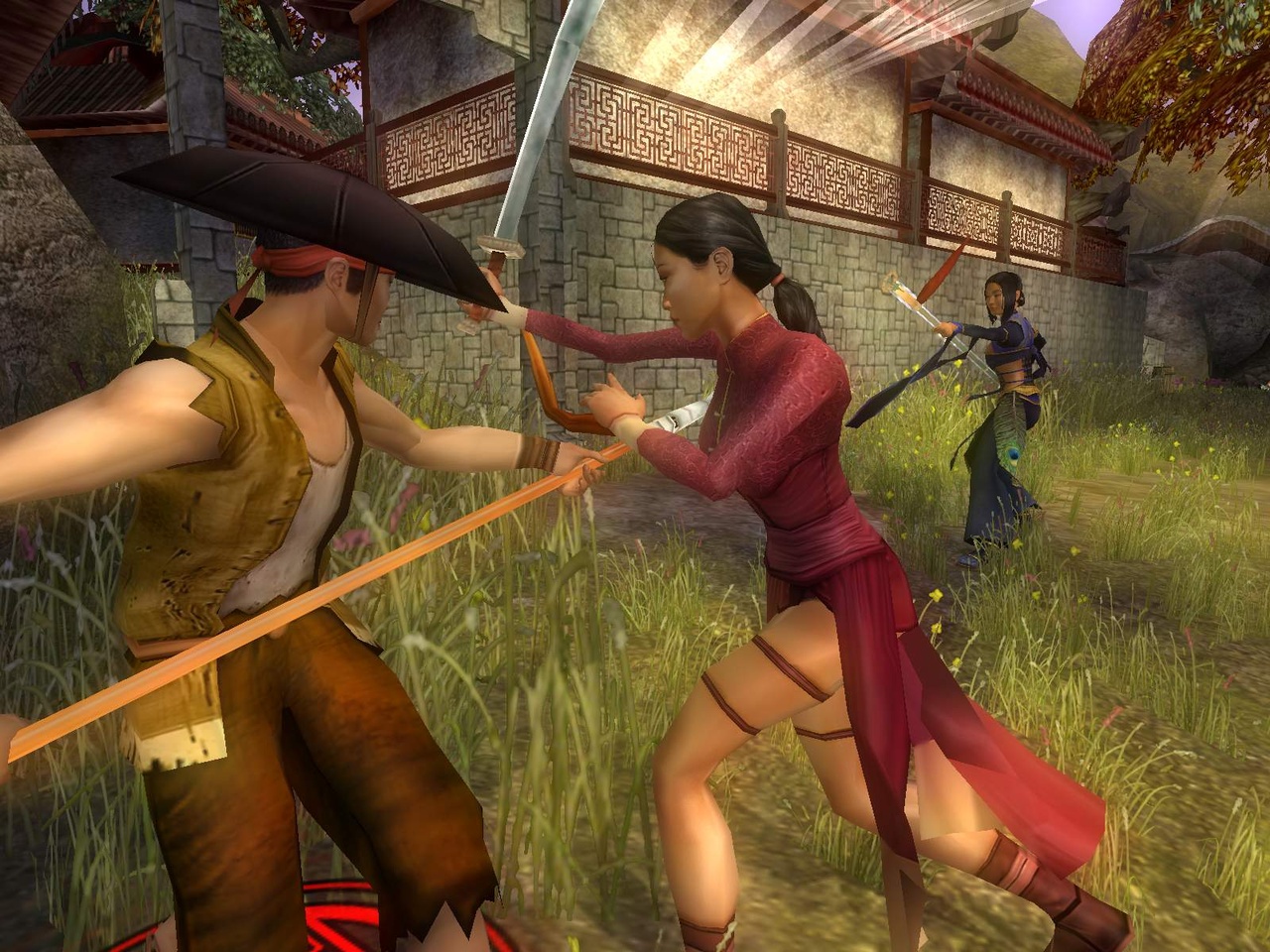
7. Jade Empire
BioWare’s Wuxia-inspired RPG, Jade Empire, often gets lost in the shadow of KOTOR and Mass Effect. It offered a fantastic setting, compelling characters, and a unique martial arts combat system. For a console RPG from 2005, it was incredibly ambitious. Yet, it never spawned a sequel, highlighting how even established developers can have great ideas that simply don't resonate enough with a broader audience or publisher metrics.
8 / 12
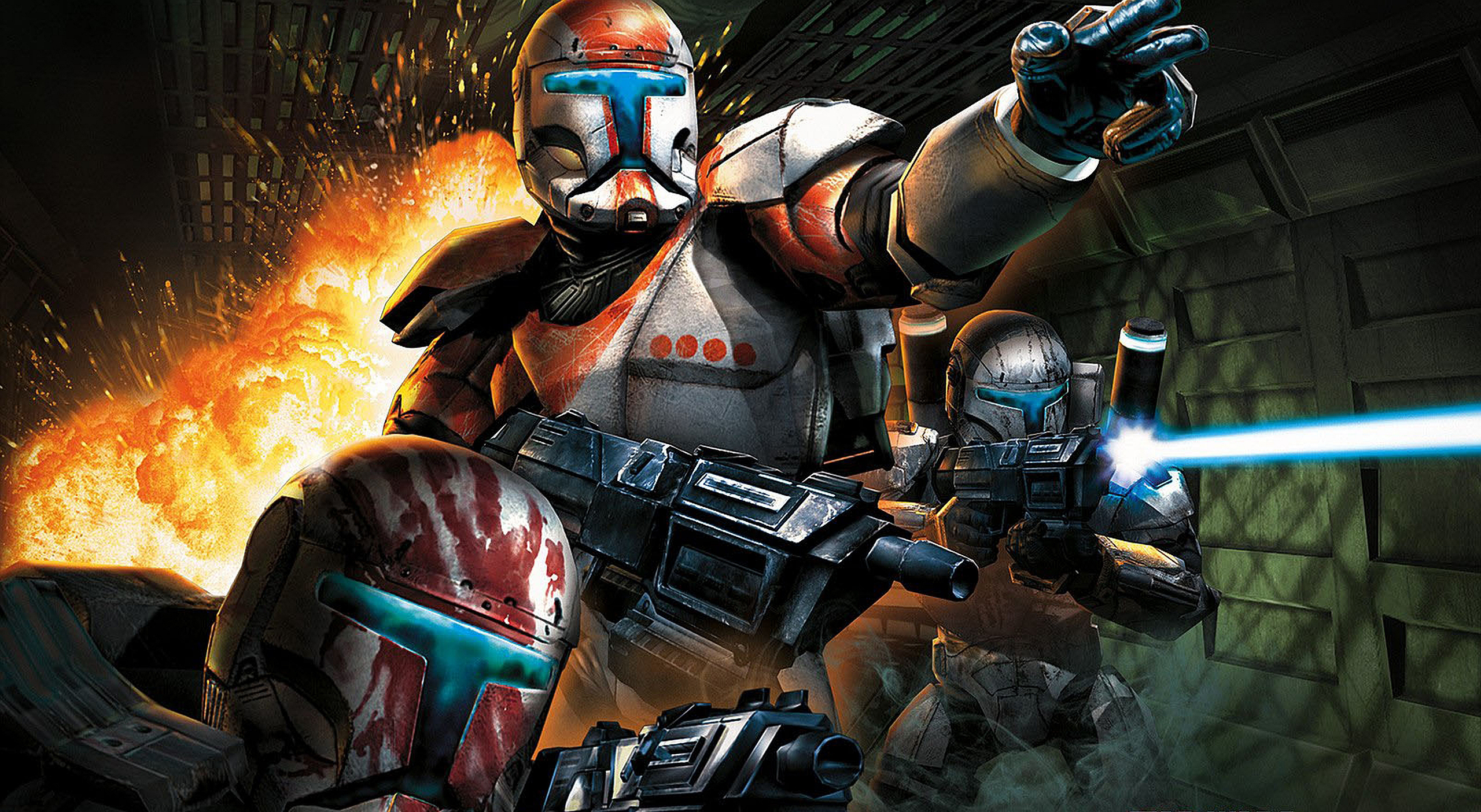
8. Star Wars: Republic Commando
This squad-based tactical FPS offered a grittier, more intense look at the Clone Wars. Republic Commando perfectly captured the feeling of being an elite soldier, with genuinely smart squad commands and a focus on teamwork. It was a fresh take on Star Wars, but despite its quality, it never received the sequel it deserved. Sometimes, even excellent games from big IPs get lost in the shuffle of industry priorities.
9 / 12
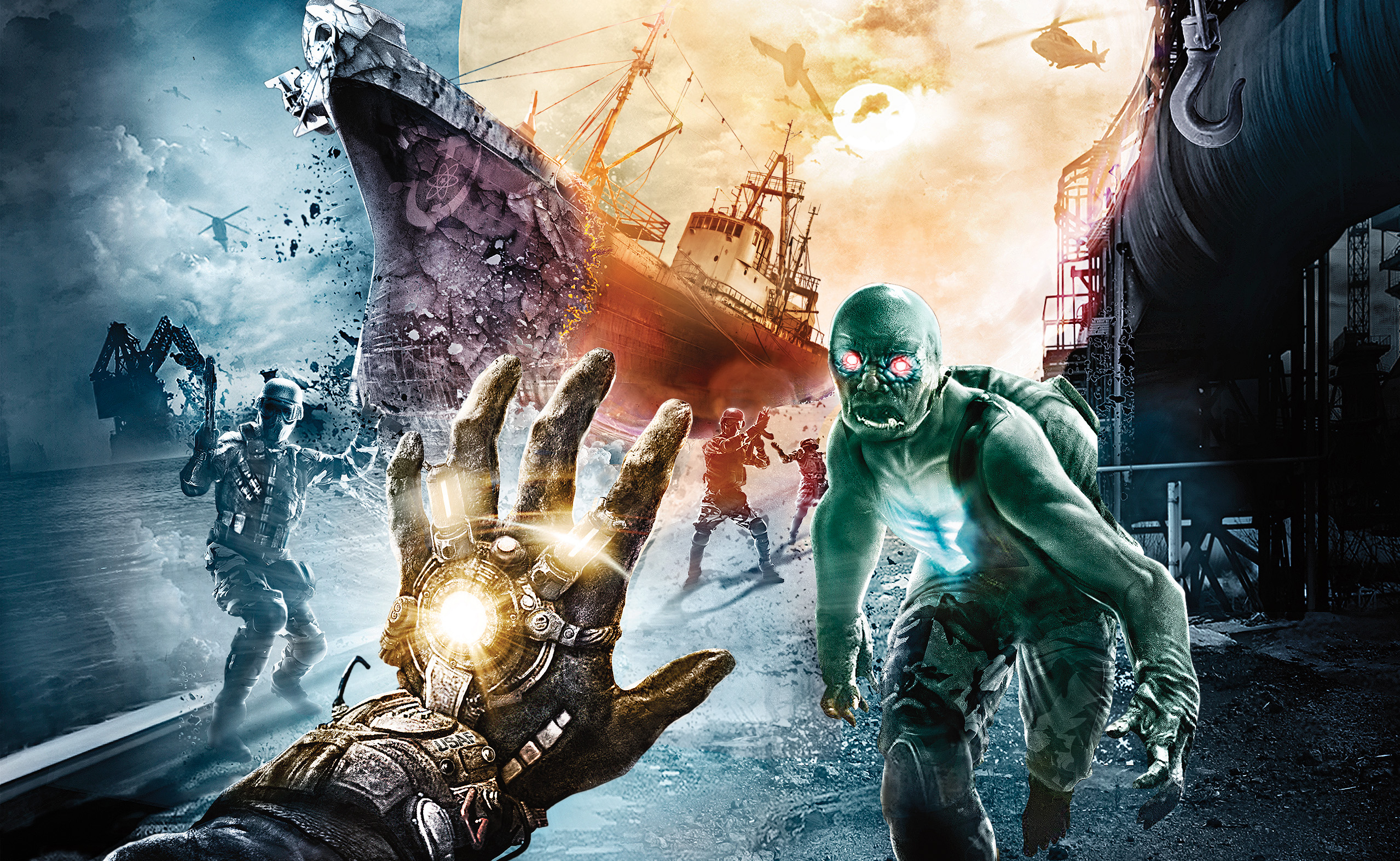
9. Singularity
Raven Software's Singularity was a genuinely solid FPS with a fantastic time-manipulation mechanic. It felt like a classic Raven shooter, mixing satisfying gunplay with clever puzzles and an engaging story. But in 2010, the FPS market was absolutely packed. Singularity got good reviews, but it didn't have the marketing push or the unique hook to stand out in a sea of CoD and Battlefield. A missed opportunity for a unique IP.
10 / 12
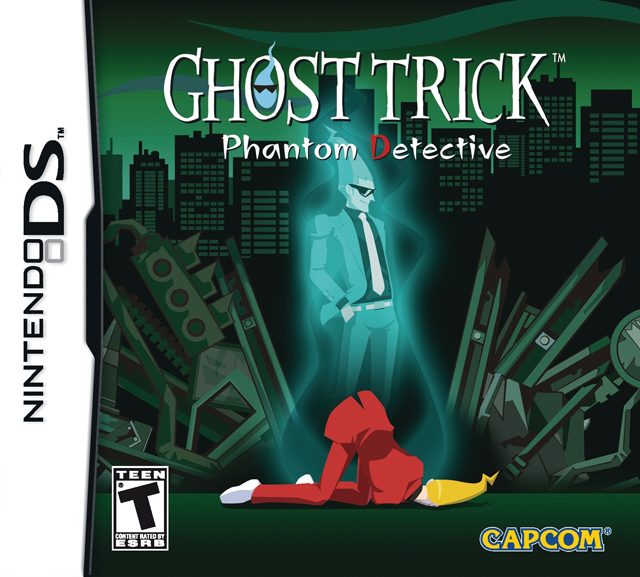
10. GHOST TRICK: Phantom Detective
Shu Takumi (Ace Attorney creator) truly outdid himself with Ghost Trick. This DS puzzle adventure was a masterclass in storytelling, character, and innovative mechanics. Playing as a ghost who can manipulate objects and rewind time was brilliant. It's a perfect example of a truly unique game that, despite critical acclaim, remained somewhat niche, proving that sometimes even pure genius gets overlooked in a crowded market.
11 / 12
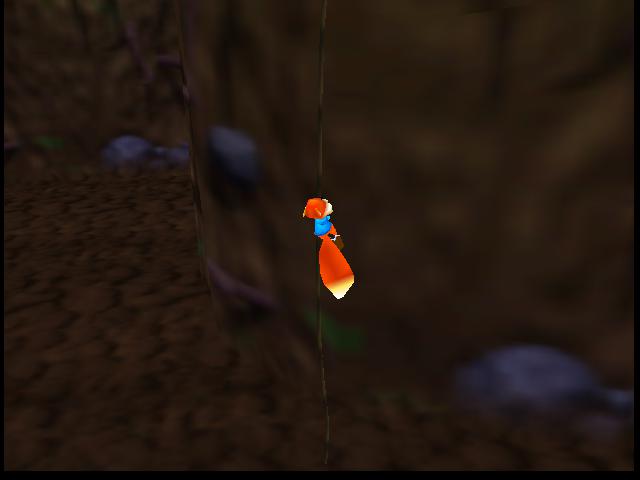
11. Conker's Bad Fur Day
Conker on the N64 was an absolute shock to the system. A seemingly cute platformer that quickly devolved into crude humor, violence, and adult themes. It was a hilarious, unexpected gem that defied expectations. Perhaps it was too late in the N64's life cycle, or simply too controversial for its time, but its audaciousness proved that games could be more than just family-friendly fun, if only given the chance.
12 / 12
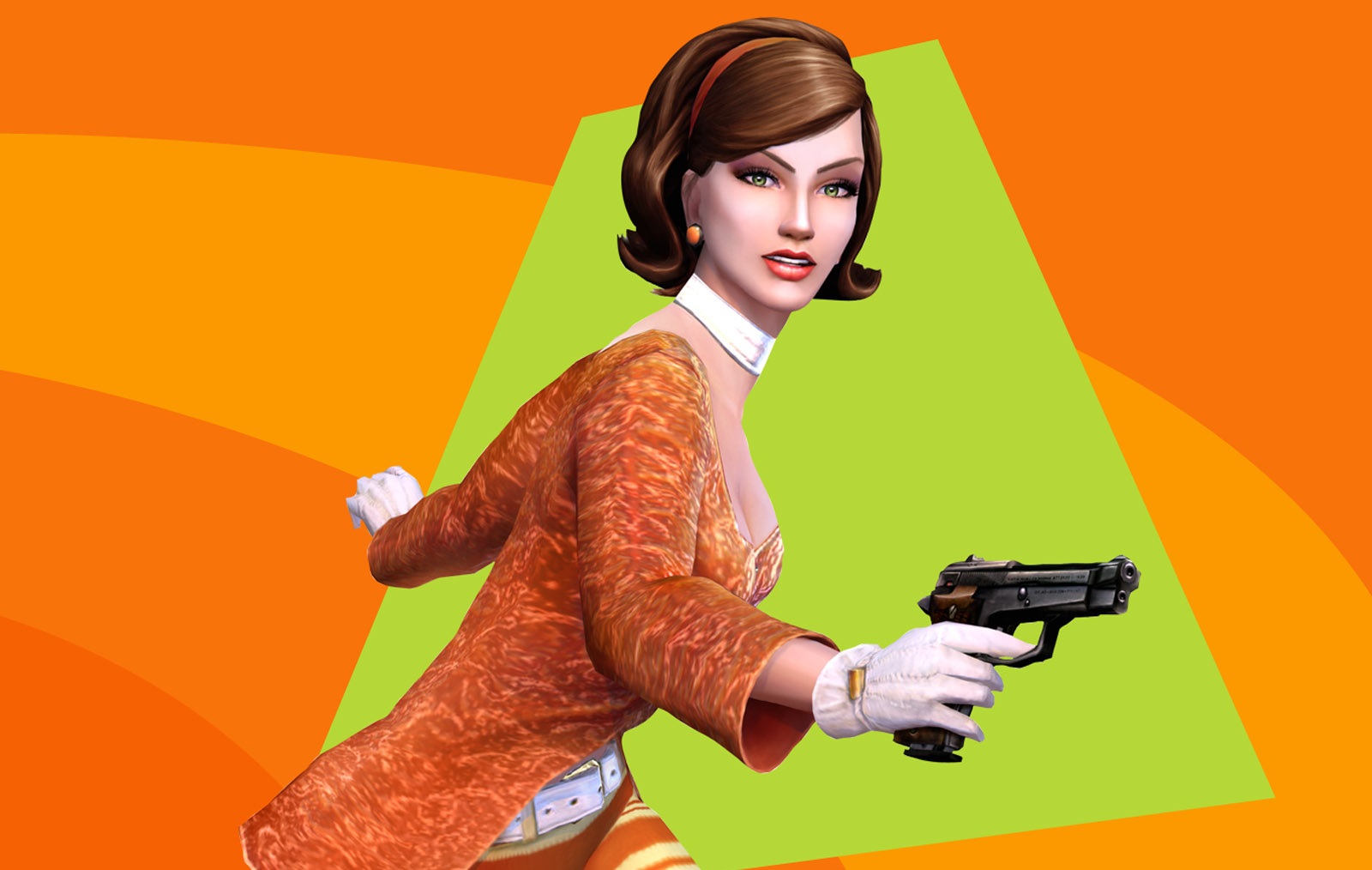
12. The Operative: No One Lives Forever
NOLF was a masterpiece of spy-fi FPS action, brimming with wit, style, and fantastic level design. Cate Archer was an iconic protagonist, and the game's blend of stealth, gadgets, and laugh-out-loud humor was unmatched. Its tragic demise due to licensing hell is a perfect example of industry blind spots – not in design, but in preservation. A genuinely brilliant series locked away, a crime against gaming history.