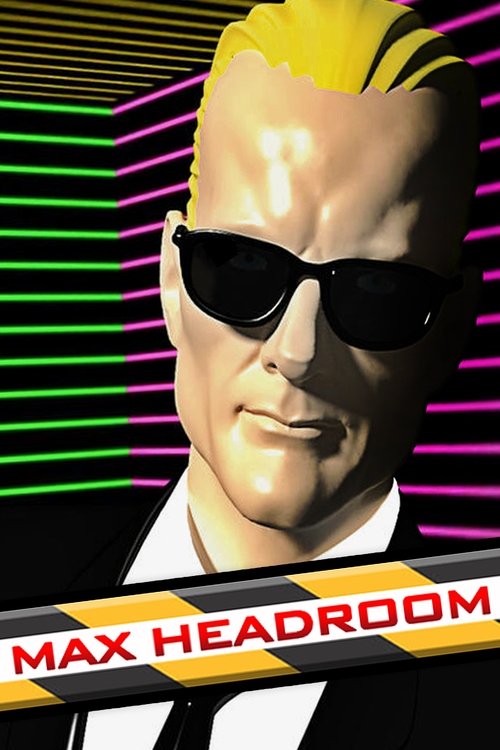
1. Max Headroom
That glitchy, stuttering digital man from '87? Pure genius. *Max Headroom* wasn't just some talking head; it was a mirror held up to a future already happening, wrapped in neon and broadcast static. Analog effects making digital dreams, a cynical, stylish commentary on media overload. It pushed boundaries on what TV could even *be*, a true proto-cyberpunk vision that burned too bright, too fast for the network suits. A short-lived cult classic.
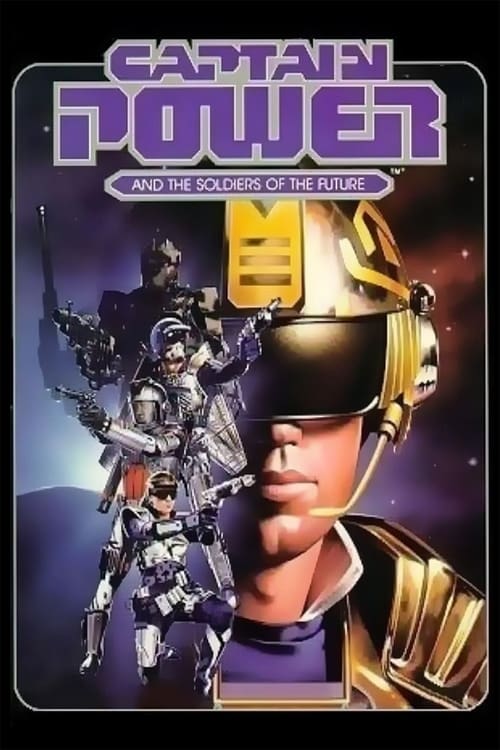
2. Captain Power and the Soldiers of the Future
Man, *Captain Power* from '87 was some next-level ambition. Live-action humans fighting those clunky, revolutionary CGI machines, and you could shoot your *toys* at the TV? That was mind-blowing for a kid back then. It was dark, a bit grim for its time slot, and honestly, the special effects were clunky but visionary. A true hybrid, blending practical grit with digital aspiration, too wild to last.
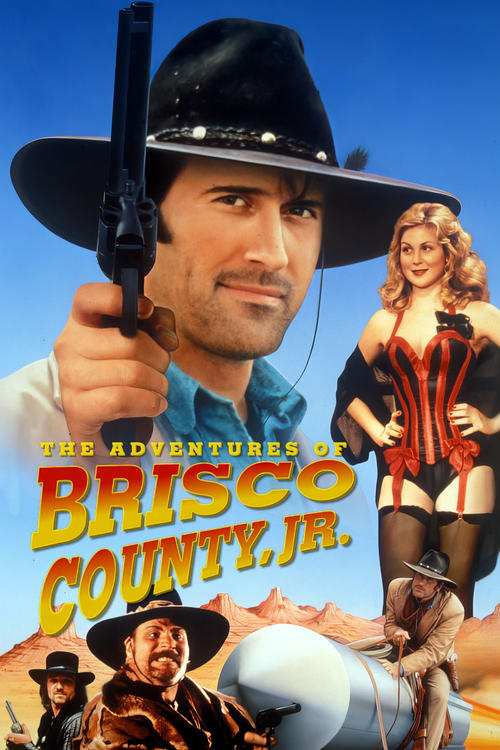
3. The Adventures of Brisco County, Jr.
Bruce Campbell as a Harvard-educated bounty hunter in the Old West, chasing a futuristic orb in '93? *The Adventures of Brisco County, Jr.* was a glorious mess of genre-bending. It had the classic western feel, but then threw in steampunk tech, mystical artifacts, and Campbell's signature smirk. Too weird, too smart for its time slot, it became a cult favorite for those who craved something truly original and wonderfully off-kilter.
4. Manimal
A dude who could turn into animals to fight crime in '83? *Manimal* was peak Saturday morning fever dream. The transformation sequences, all practical effects, were clunky but mesmerizing. You watched just to see what creature he'd become next, knowing full well it looked like a guy in a suit. It was gloriously absurd, a concept so wild it barely lasted, but it etched itself into the memory banks as pure, unadulterated 80s TV weirdness.
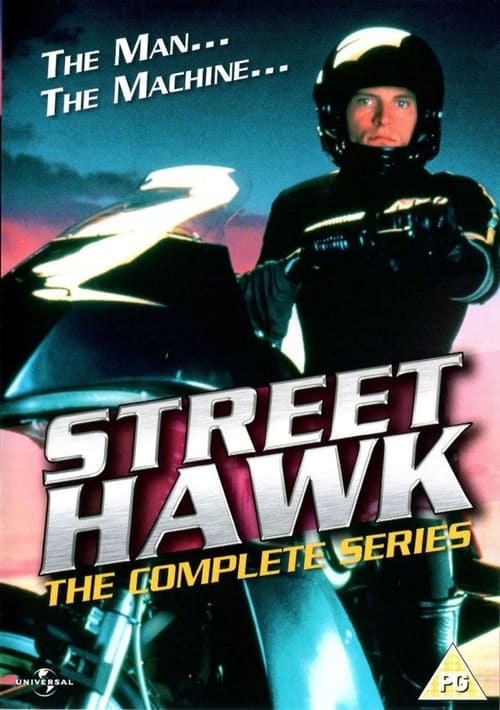
5. Street Hawk
A dude on a super motorcycle fighting crime in '85? *Street Hawk* was basically *Knight Rider* on two wheels, but with more leather and less talking car. That bike, with its turbo boost and laser cannons, was the star. The practical stunts, the cheesy synth score, and the sheer audacity of a show built around a futuristic motorbike made it a perfect slice of mid-80s action cheese. It didn't stick, but it had that raw, practical effects charm.
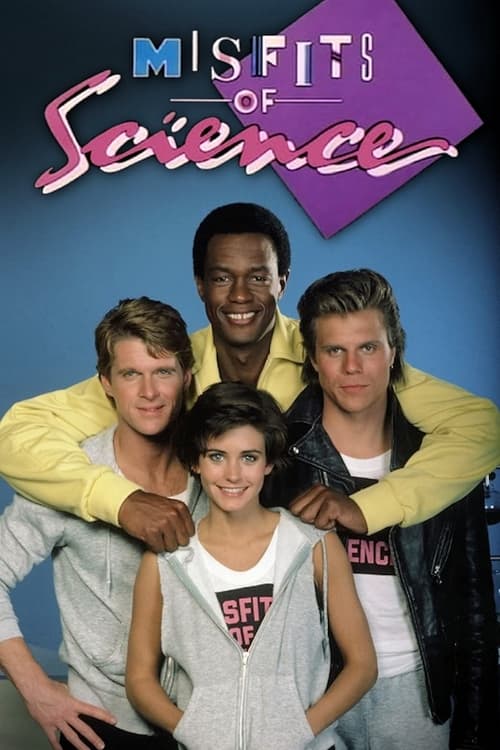
6. Misfits of Science
Before *Heroes* or *X-Men* hit big, there was *Misfits of Science* in '85. A team of outcast super-powered weirdos solving problems, it was a quirky, proto-superhero show with a comedic edge. Think early Courtney Cox before her *Friends* fame. The powers were goofy, the effects were charmingly low-budget, and it had that distinct 80s vibe of trying to make something epic on a network budget. It was too bizarre for primetime, but a treasure for those who found it.
7. V
The original *V* from '83, that miniseries where alien Visitors arrived promising peace but bringing fascism. That was some serious Cold War paranoia wrapped in sci-fi horror. Those reptilian reveal moments, the human resistance, it was intense. It scared a generation with its allegorical weight and practical effects nightmares. It wasn't just a show; it was a cultural moment, a dark, unsettling vision of invasion that still resonates. Pure maximalist terror.
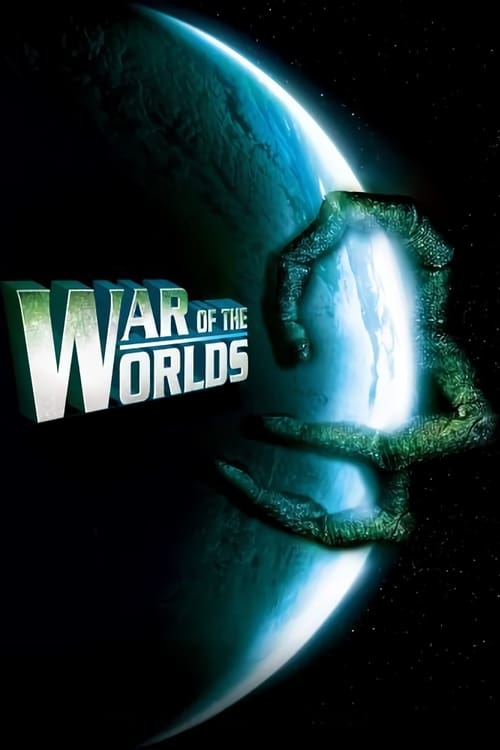
8. War of the Worlds
Forget Spielberg; the *War of the Worlds* TV series from '88 picked up right after the '53 movie, with those alien invaders waking up again. This wasn't some slick network production; it was gritty, full of practical monster effects and body horror. It was a syndicated beast, pushing boundaries on violence and creepiness for its time slot. A dark, relentless take on an alien apocalypse, it reveled in its B-movie sensibilities and gave us proper nightmares.

9. Forever Knight
A vampire detective trying to atone for his sins in modern-day Toronto, *Forever Knight* (starting '92) was peak syndicated weirdness. It blended gothic horror, police procedural, and soap opera melodrama into a surprisingly compelling package. Nick Knight, the immortal cop, constantly battling his past and present bloodlust, offered a darker, moodier take on vampires before they went sparkly. Atmospheric, brooding, and totally unique for its era.
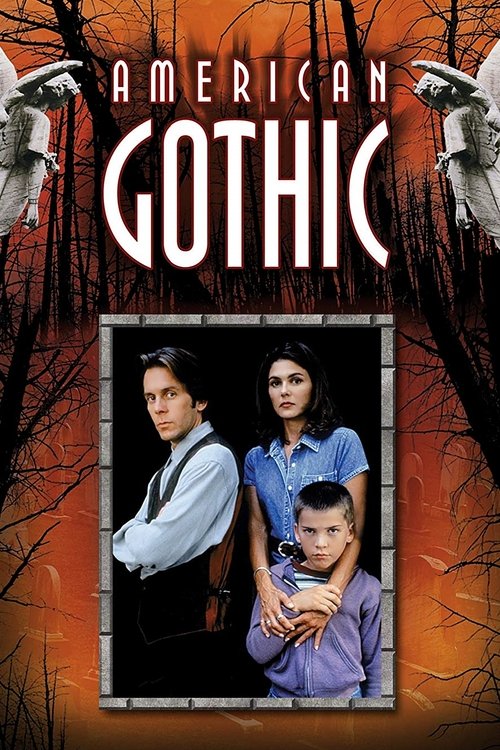
10. American Gothic
Sheriff Lucas Buck from *American Gothic* (1995) was pure, unadulterated evil, dripping with Southern gothic menace. This show was a masterclass in slow-burn horror, where the devil himself seemed to walk among us in a small town. It was dark, twisted, and unapologetically unsettling, pushing the limits of network television's comfort zone. A truly cursed, atmospheric gem that burned bright and disturbing, leaving a lasting impression on anyone who dared to watch.
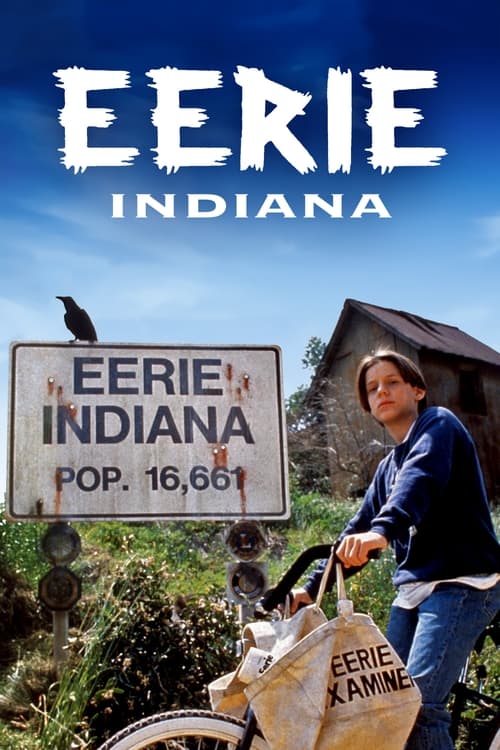
11. Eerie, Indiana
*Eerie, Indiana* (1991) was *The Twilight Zone* for latchkey kids. A small town where every single thing was a bizarre, surreal mystery, from plastic-wrapped families to Elvis sightings. It walked that perfect line between creepy and quirky, using practical effects and off-kilter humor to create a truly unique experience. It tapped into that childhood feeling that adults were just a bit…off. A short-lived, brilliant piece of experimental kid's programming.
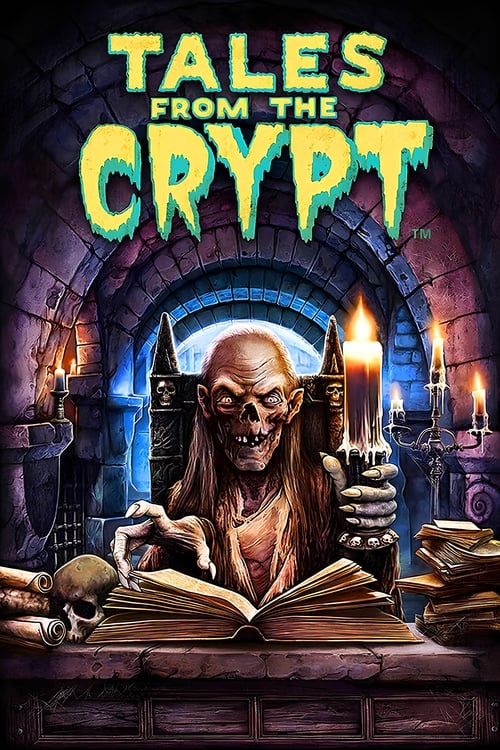
12. Tales from the Crypt
*Tales from the Crypt* (HBO, '89) wasn't just a horror anthology; it was a gleefully gruesome celebration of EC Comics, delivered with a wink by the Cryptkeeper. Free from network restraints, it pushed practical effects to their bloody limits, bringing truly unsettling and often darkly comedic morality tales to life. This was premium cable before premium cable knew what it was, a raw, unapologetic dive into the macabre, cementing its place as a cult classic.