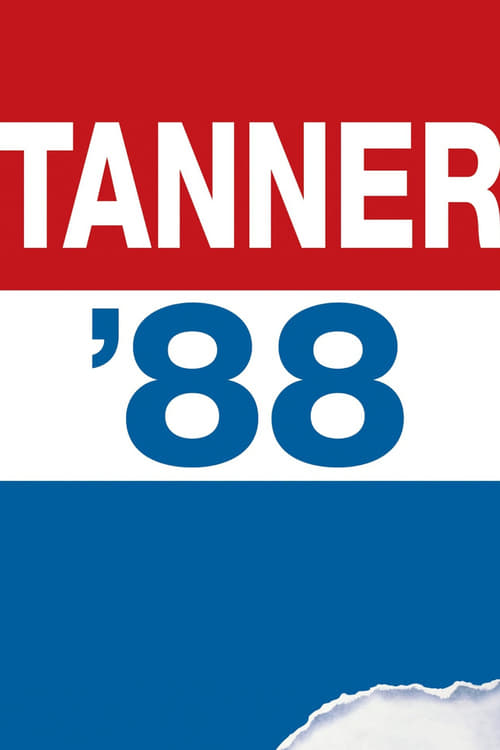
1. Tanner '88
Robert Altman and Garry Trudeau were way ahead of the curve. This political mockumentary blurred lines between fiction and reality, creating serialized satire that felt incredibly prescient. It wasn't just a show; it was an experiment in narrative realism, influencing everything from *The West Wing* to modern political commentary. A true pioneer in making television feel immediate and authentic.
2. Dream On
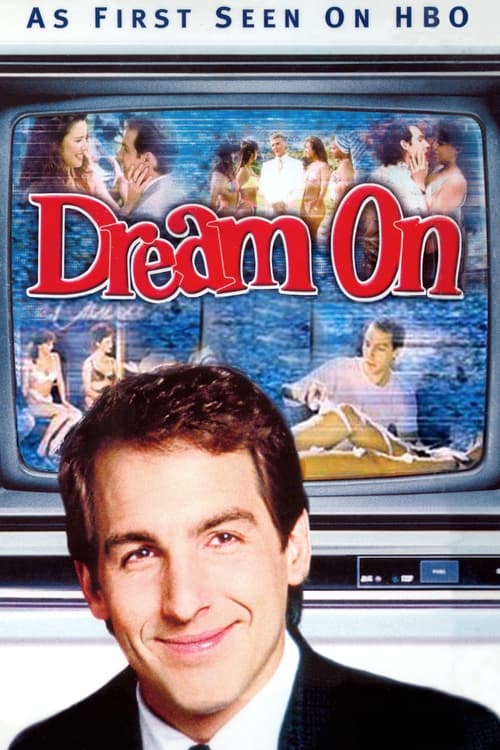
HBO’s early foray into adult comedy, mixing Martin Tupper’s neurotic life with old B-movie clips. It was groundbreaking for its frankness about sex and relationships, pushing boundaries long before cable was mainstream. This half-hour, serialized sitcom felt more like a short film each week, signaling HBO’s commitment to sophisticated, character-driven storytelling. A smart, edgy precursor.
3. Homicide: Life on the Street
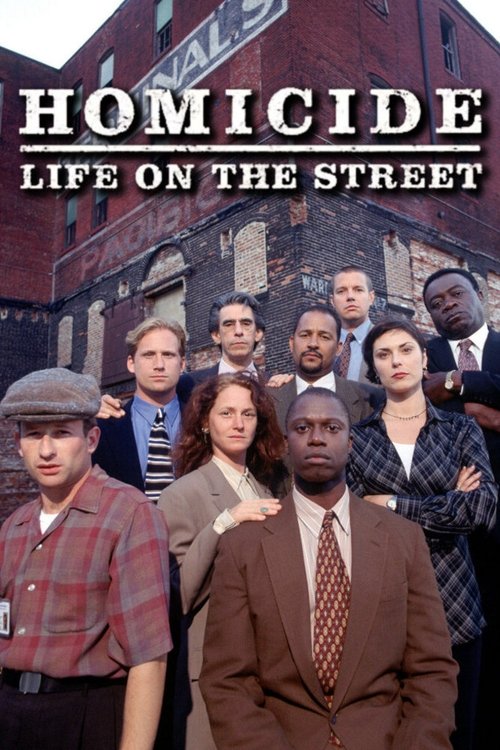
Forget your clean procedurals. *Homicide* was raw, grimy, and utterly real. Barry Levinson's cinematic touch, the handheld cameras, and that incredible ensemble cast made Baltimore's homicide unit feel lived-in. It championed serialized character arcs and moral ambiguities on network TV, setting a new standard for dramatic realism long before premium cable took over. Intense, smart television.

4. Mr. Show with Bob and David
This wasn't just sketch comedy; it was a surreal, intricately linked fever dream. Bob Odenkirk and David Cross, with their deep roster of talent, crafted sketches that flowed into each other, mocking everything with a sharp, intelligent wit. It was HBO letting creators run wild, proving that television could be genuinely avant-garde and still hilarious. A cult classic that influenced a generation.
5. Millennium
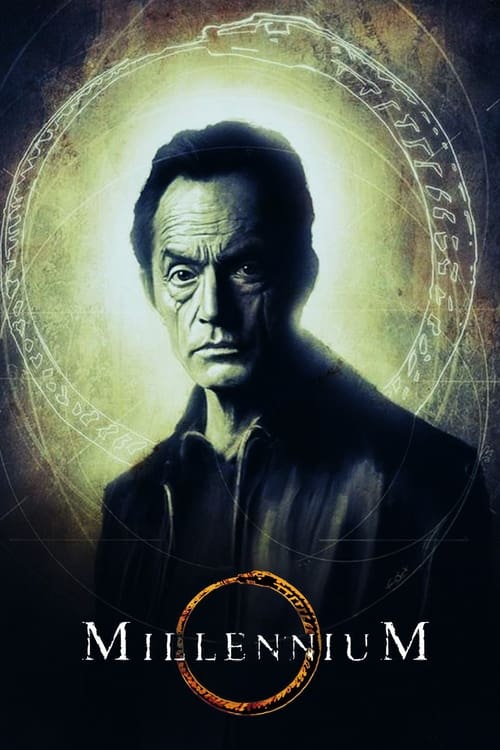
From the mind of Chris Carter, *Millennium* plunged into the chilling psyche of Frank Black. This was darker, more psychologically dense than *The X-Files*, exploring the true nature of evil with an almost suffocating atmosphere. Its serialized narrative, focusing on one man's tormented quest, was a precursor to the anti-hero dramas, proving TV could sustain intense, unsettling character studies.
6. Oz
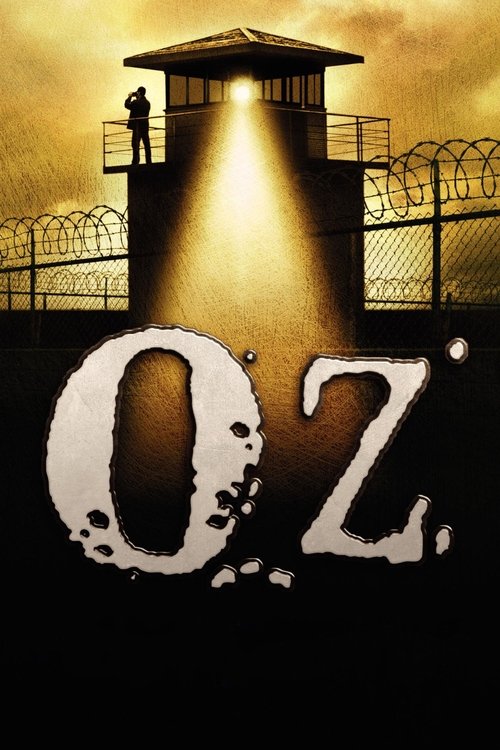
HBO didn't just walk into the drama game; they kicked down the door with *Oz*. This was their first hour-long drama, and it was brutal, unflinching, and utterly compelling. Inside Oswald State Correctional Facility, an ensemble cast navigated moral ambiguity and hyper-real violence. It proved cable could tell serialized stories with a level of grit and adult themes network television wouldn't touch.
7. Curb Your Enthusiasm
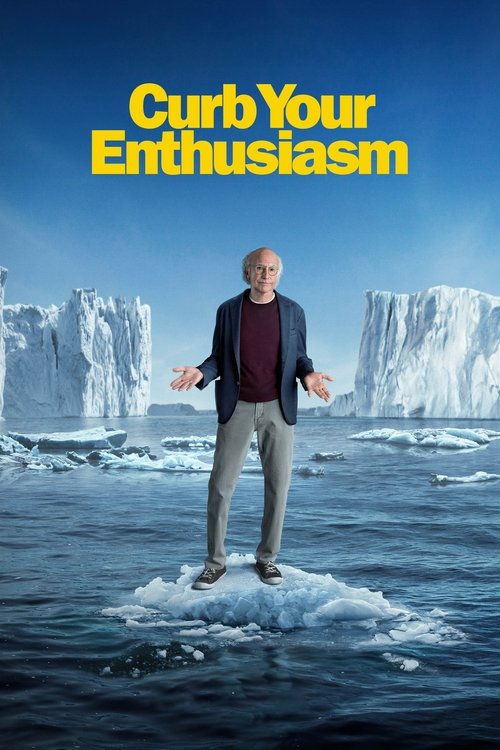
Larry David perfected the art of the cringe. This improvisational, mockumentary-style comedy-of-manners defined the early 2000s. With its loosely plotted, highly serialized narratives, each season built on Larry's social blunders, creating a unique comedic rhythm. It proved that an unlikable protagonist could anchor a show, and that TV could be structured around awkwardness. Pretty, pretty good.

8. Six Feet Under
Alan Ball’s meditation on life, death, and family dysfunction was a revelation. Centered on a funeral home, it masterfully blended dark humor with profound emotional depth. The ensemble cast was phenomenal, and its serialized exploration of grief and human connection, opening each episode with a death, solidified HBO’s reputation for character-driven, cinematic dramas. A truly impactful watch.
9. The Shield
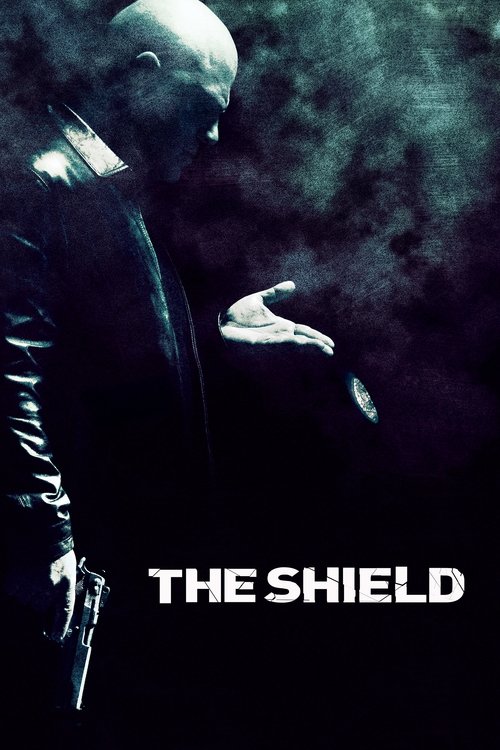
FX made its mark with Vic Mackey. This wasn't just another cop show; it was a morally complex, visceral drama about an anti-hero. *The Shield* was aggressive, serialized, and cinematic, pushing the boundaries of what a basic cable network could produce. It proved that flawed protagonists and intense, long-form storytelling weren't just for premium channels anymore. Groundbreaking, gritty television.
10. Deadwood
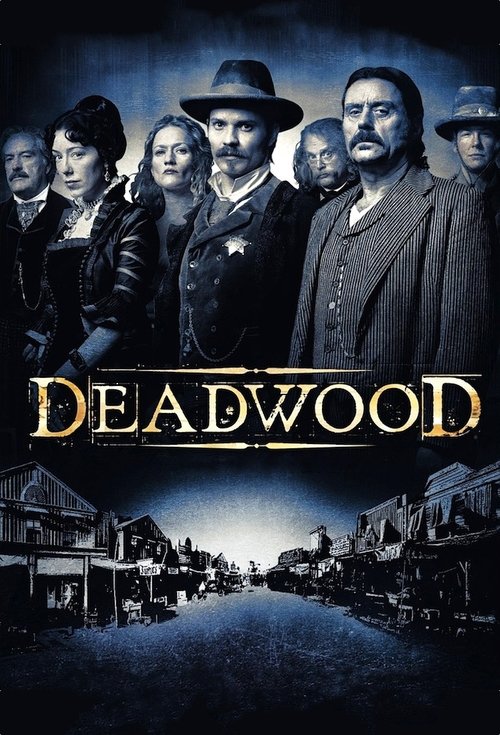
David Milch's lyrical, profane Western was a masterclass in character and dialogue. Its dense, serialized narrative and sprawling ensemble brought the grime and glory of the American frontier to life with unprecedented realism. HBO gave Milch the freedom to craft a truly unique, cinematic experience that elevated television to a literary art form. Nobody talked like that before. Or since.
11. Generation Kill
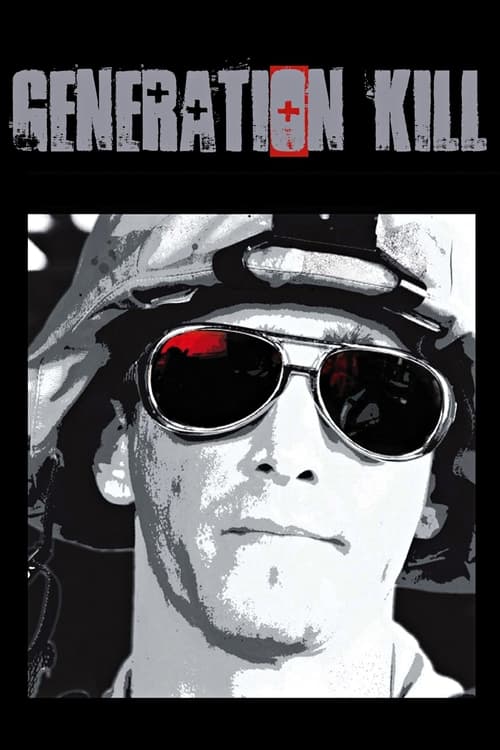
This HBO miniseries from David Simon and Ed Burns felt like embedded journalism. A stark, unromanticized portrayal of the Iraq War, it showcased the boredom and brutality of modern combat with incredible realism. Its serialized, cinematic approach to a true story, featuring a superb ensemble, was a powerful statement on the potential for television to deliver profound, documentary-like narratives.