1. Oz
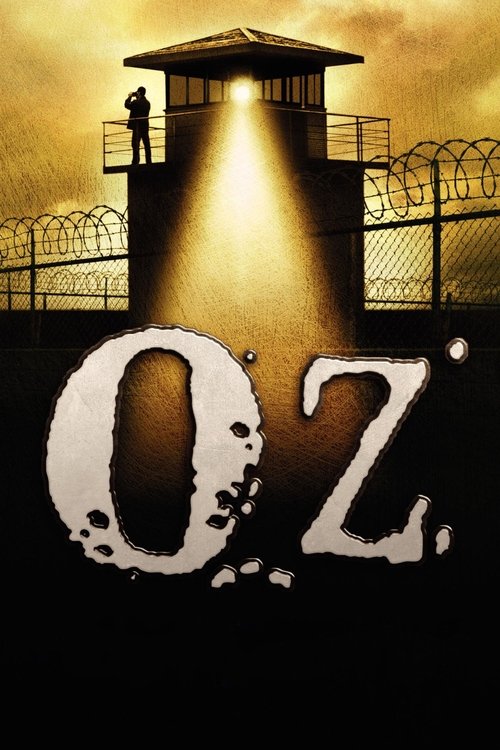
Before Sopranos redefined everything, there was Oz. HBO's raw, uncompromising dive into prison life showed audiences television could be truly adult, utterly serialized, and unflinchingly dark. Its ensemble cast delivered performances that were more theatrical than anything on network TV, crafting a world both brutal and psychologically dense. This wasn't just a show; it was a sensory assault that proved cable could take big, risky swings and land them.
2. The Shield
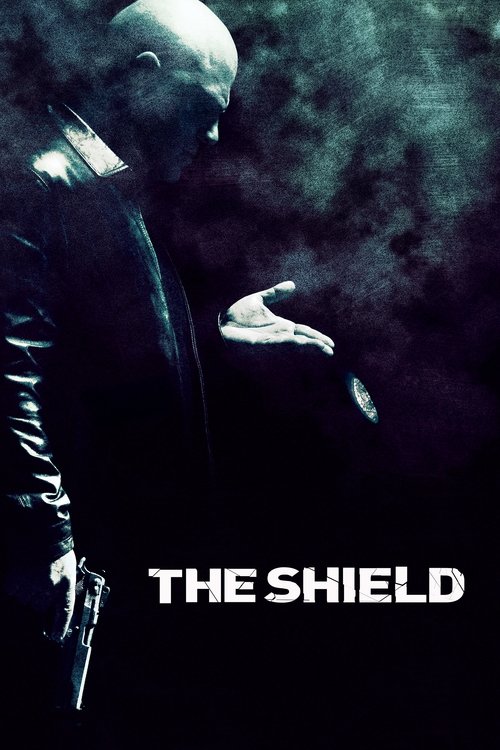
FX threw down the gauntlet with The Shield, proving other cable networks weren't just following HBO's lead. Vic Mackey was the anti-hero prototype, pushing moral boundaries in ways network television wouldn't dare. Its handheld camera work and intense, serialized storytelling felt cinematic, delivering a gut-punch every week. This was a show that embraced shades of grey, defining what a new era of risk-taking cable drama could be.
3. Deadwood
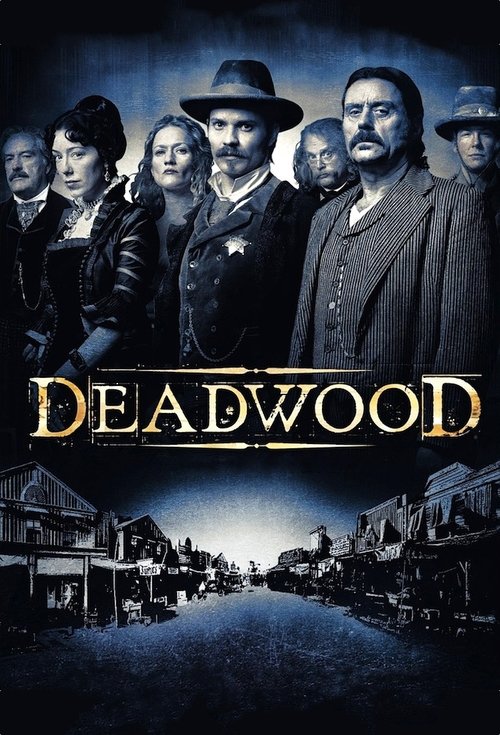
David Milch's Deadwood wasn't just a Western; it was a foul-mouthed, philosophical treatise on civilization. HBO let him craft a period piece with a dense, poetic dialogue that demanded attention, far removed from network sensibilities. The sprawling ensemble, the grimy authenticity, and the commitment to its unique voice made it a masterpiece. It proved television could be literature, a cinematic novel unfolding week by week, setting a new bar for historical drama.
4. Carnivàle
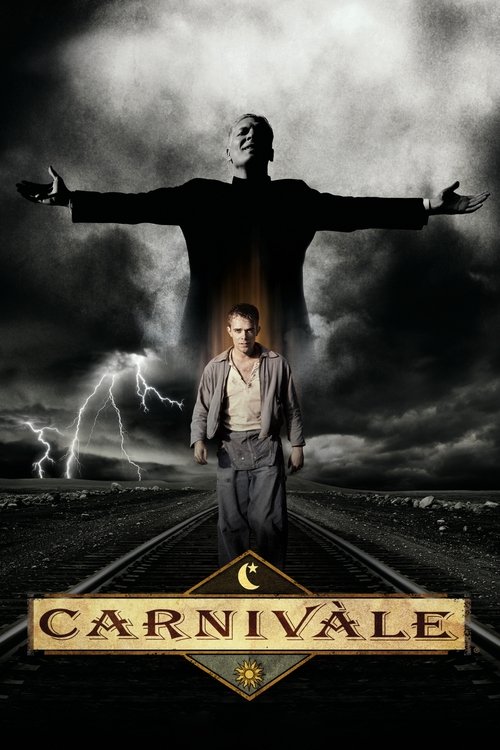
Carnivàle was HBO's beautiful, baffling gamble. A dark, atmospheric odyssey set in the Dust Bowl, its sprawling mythology and surreal imagery felt like nothing else on television. It demanded patient viewing, with dense serialization and a dreamlike pace that was a clear departure from standard episodic fare. Though it ended too soon, its ambition to create a truly unique, cinematic world proved that cable was willing to invest in visions, no matter how esoteric.
5. Arrested Development
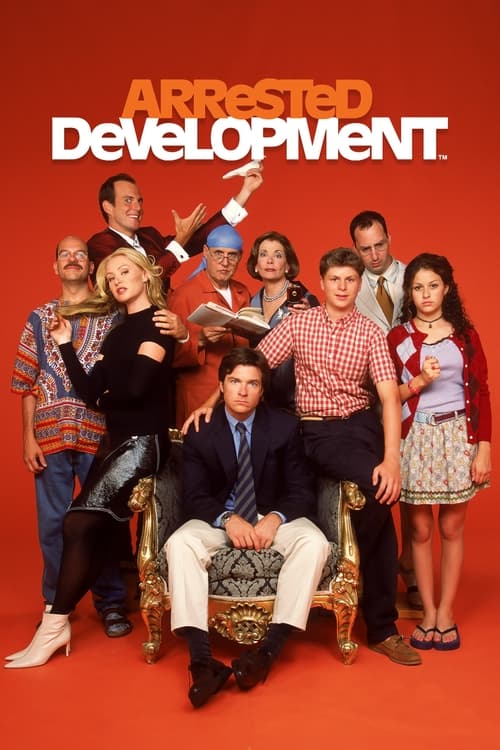
Network television tried to catch up with cable's narrative complexity, and Arrested Development was FOX's brilliant, if misunderstood, attempt. Its mockumentary style, intricate running gags, and serialized storytelling were too smart, too dense for prime time at first. But for those paying attention, it was a masterclass in comedic construction. It found its true cult following later, a testament to how early on-demand platforms would save niche genius.

6. The Comeback
Lisa Kudrow’s The Comeback was a brutal, cringe-inducing mockumentary from HBO. It peeled back the glamorous facade of Hollywood with an almost uncomfortable honesty, exploring celebrity and aging with a raw, unflinching lens. Its dark humor and serialized narrative, focusing on Valerie Cherish's desperate fight for relevance, was a bold, experimental choice. It showcased HBO's willingness to back creators with singular, challenging visions, even if they weren't immediate crowd-pleasers.
7. Rome
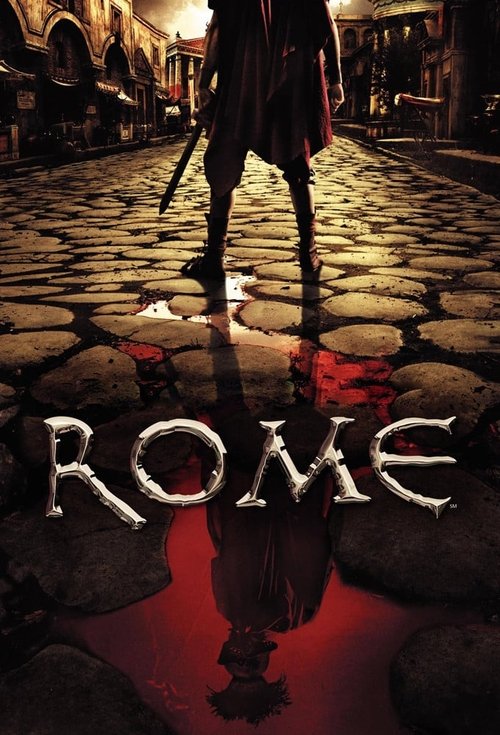
HBO, in partnership with the BBC, delivered Rome, an epic historical drama that redefined television's scale. Its cinematic production values, sprawling cast, and adult themes brought the ancient world to vibrant, brutal life. This was television rivaling big-screen blockbusters, not just in budget but in ambition. Its serialized narrative, focusing on the lives of ordinary soldiers amidst political upheaval, showed that history could be both grand spectacle and intimate character study.
8. Battlestar Galactica
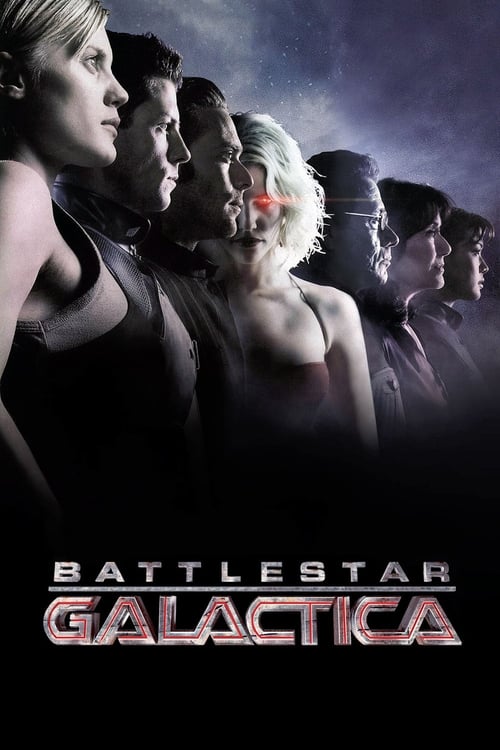
Forget what you knew about space opera; Battlestar Galactica rebooted the genre with a dark, serialized intensity that felt utterly modern. Syfy, then Sci-Fi Channel, greenlit a show that wrestled with complex political allegories, moral dilemmas, and deeply flawed characters. Its cinematic scope and mature storytelling elevated what genre television could achieve, proving that sci-fi could be just as prestige-worthy as any HBO drama, pushing boundaries of what a reboot could be.
9. Terriers
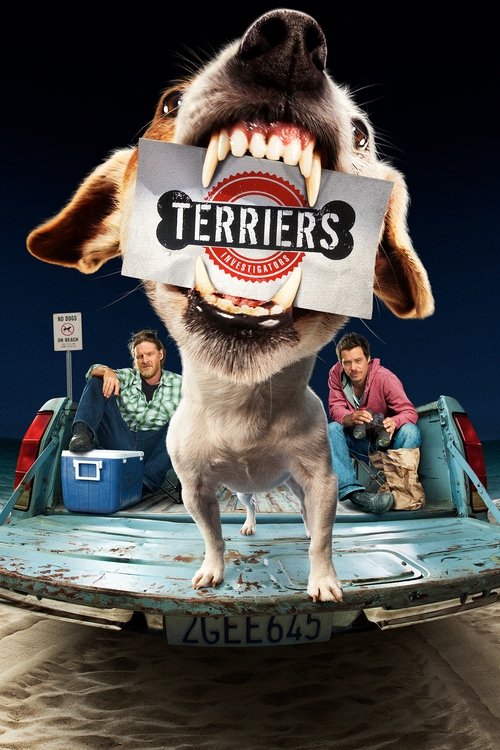
FX's Terriers was a gem that slipped through the cracks, a perfect example of cable's capacity for niche brilliance. This neo-noir detective series, with its lived-in characters and naturalistic dialogue, felt like a great independent film stretched across thirteen episodes. Its serialized, character-driven story about two down-on-their-luck PIs was critically adored but criminally underwatched. It remains a cult favorite, a testament to quality over immediate mass appeal.
10. K Street
K Street was HBO's audacious experiment, blurring the lines between fiction and reality years before the term 'hybrid' was common. Directed by Soderbergh and produced by Clooney, it featured real political figures interacting with fictional characters in an improvised, serialized narrative. It was an acquired taste, a political drama that felt like a documentary, constantly shifting and evolving with real-time events. A true risk that pushed the boundaries of television's form.
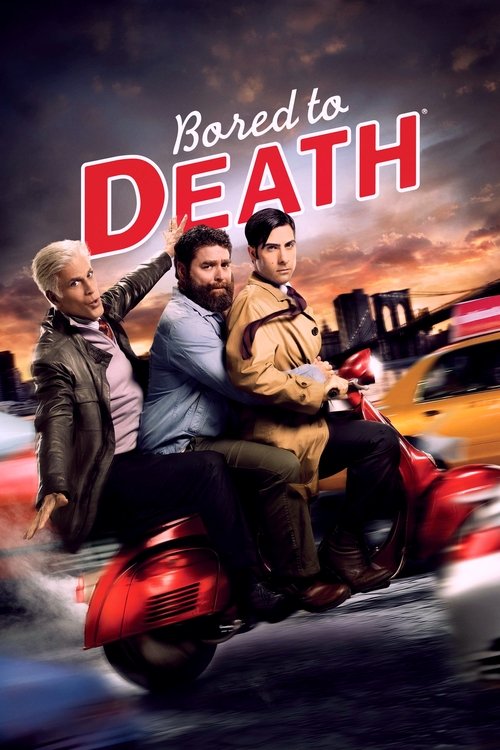
11. Bored to Death
HBO's Bored to Death was a quirky, Brooklyn-centric comedic mystery that felt like a literary novel come to life. Jonathan Ames' unique voice shone through, delivering a serialized narrative about a writer who moonlights as an unlicensed private detective. Its deadpan humor, oddball characters, and specific urban vibe cemented HBO's reputation for backing distinctive, creator-driven comedies that were far removed from traditional network sitcoms, proving cable could do sophisticated, off-beat laughs.