1. Oz
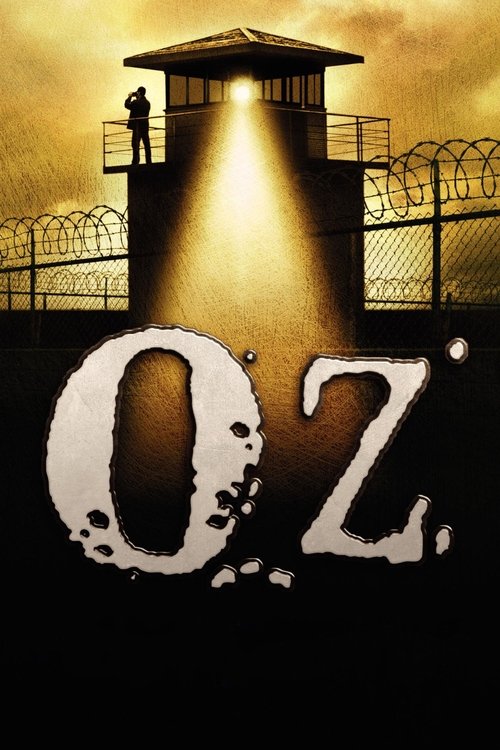
Before HBO was *HBO*, this was it. No one had seen TV like this: brutal, serialized, morally ambiguous. It tossed out the idea of heroes and villains, showing instead the crushing weight of a system. A genuine shock to the system, proving cable could go places broadcast wouldn't dare. It felt dangerous, and that was the point.
2. Get a Life
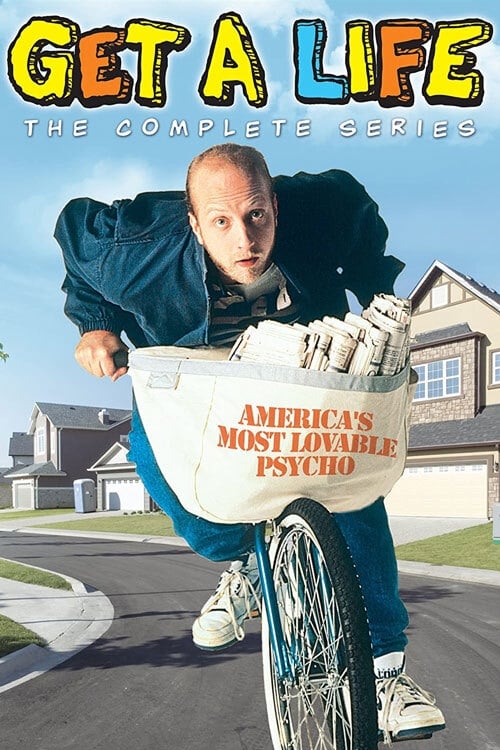
Chris Elliott just didn't care for your traditional sitcom. This was surrealism before it was cool, a guy-child living in his parents' attic, dying every other episode. It was anti-humor, bizarre, and utterly uncommercial. A cult classic that proved you could be deeply weird and still resonate with a sliver of the audience.

3. The Critic
Jay Sherman was the original snarky internet commentator, just on network TV. This show, an early adult animation gem, was meta before meta was a thing, lampooning Hollywood and the very medium it was on. It was smart, cynical, and a bit ahead of its time for mainstream audiences.
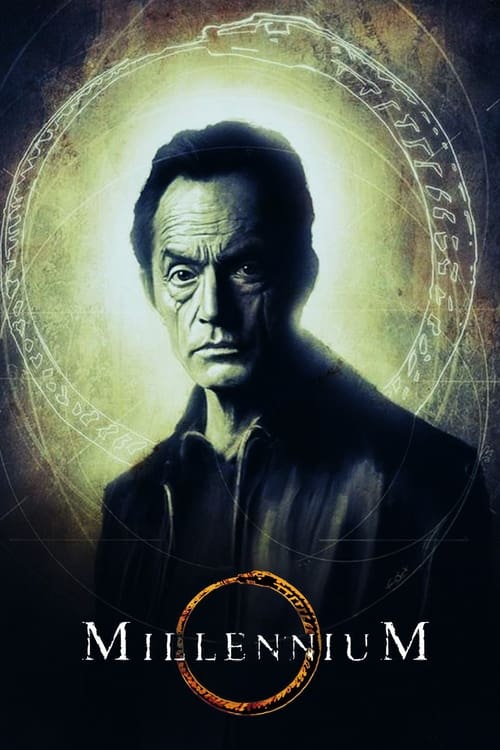
4. Millennium
Forget *The X-Files* for a moment. This was the dark, existential dread of the coming millennium, personified. Frank Black saw the truly horrific. It was atmospheric, cinematic, and unflinchingly bleak, pushing network television's boundaries for psychological horror and serialized mystery. A challenging watch, but rewarding for those who dared.
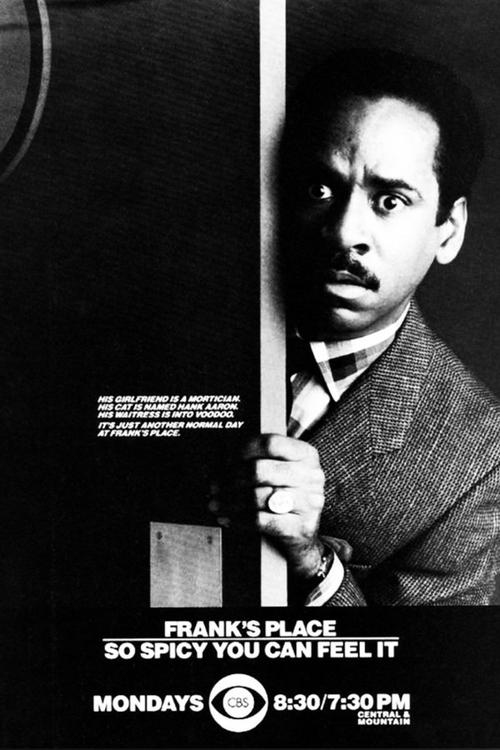
5. Frank's Place
A sitcom that wasn't a sitcom. This was a serialized drama with comedic moments, set in a New Orleans restaurant, tackling race and culture with nuance. It didn't fit network molds, which probably killed it, but it showed what was possible when creators aimed higher than punchlines and canned laughter.
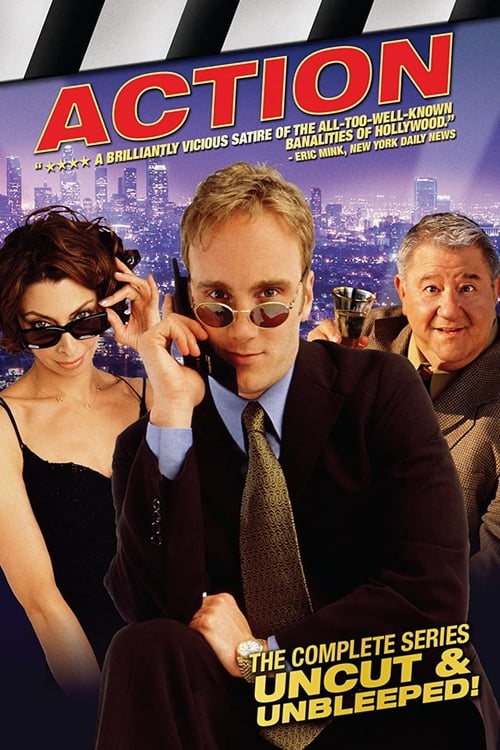
6. Action
This was Hollywood devouring itself, a brutally cynical and hilarious look at the film industry. No one was safe, no stereotype left unturned. It was short-lived because it was too honest, too dark for network TV at the time. A wild, aggressive comedy that felt like a punch to the gut.
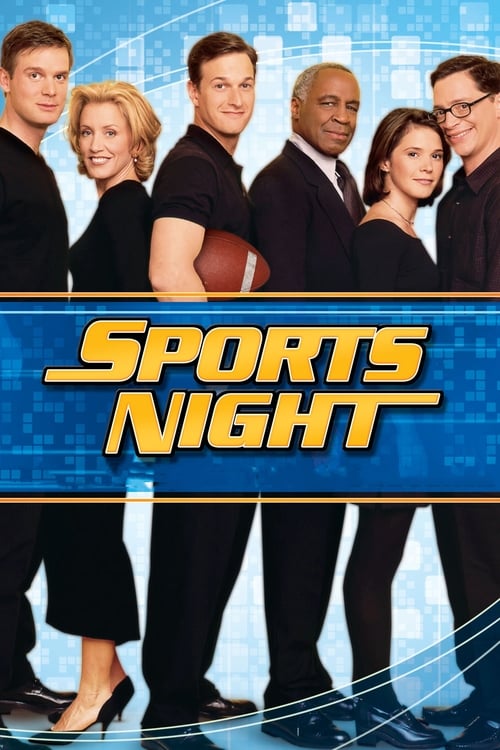
7. Sports Night
Aaron Sorkin's rapid-fire dialogue found its early rhythm here, mixing workplace comedy with genuine dramatic weight. It was an ensemble piece, showing the behind-the-scenes chaos of a sports news show. The laugh track felt tacked on, a network compromise, but the writing and performances were undeniably sharp, paving the way for future prestige.
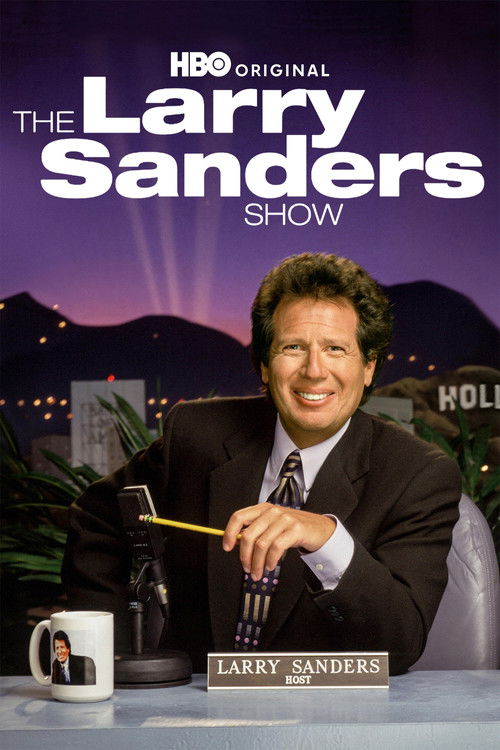
8. The Larry Sanders Show
Before anyone really knew what a mockumentary was, Garry Shandling created this. It pulled back the curtain on late-night TV, revealing the petty insecurities and desperate ambition. Uncomfortable, painfully funny, and shockingly real, it redefined what a "comedy" could be by blurring the lines between performance and reality.
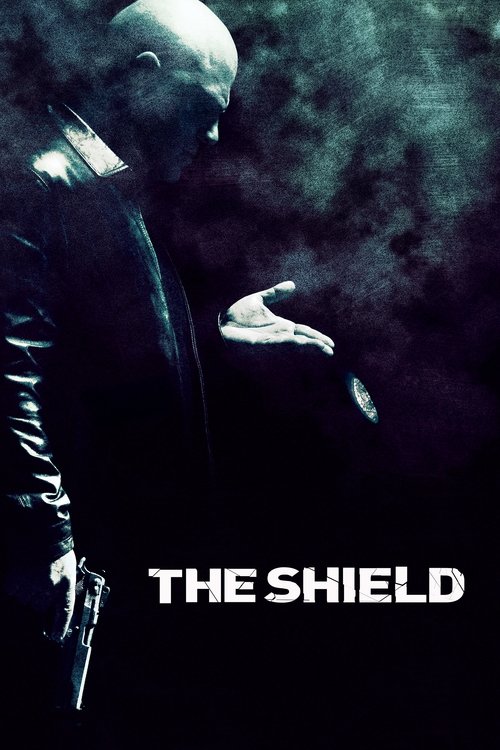
9. The Shield
FX made its mark with Vic Mackey. This was raw, dirty, and morally compromised policing, long before anti-heroes were TV's bread and butter. It felt like a movie every week, with handheld cameras and a relentless pace. Cable started playing by its own rules, and *The Shield* wrote a few of the grittiest ones.
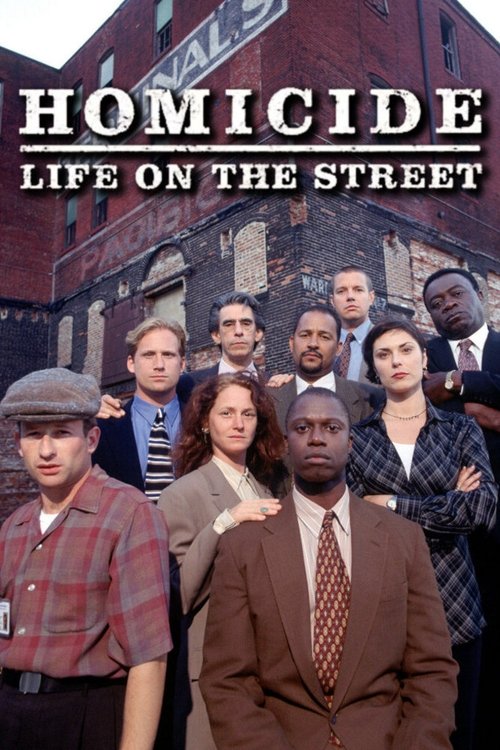
10. Homicide: Life on the Street
Barry Levinson brought a cinematic, almost documentary feel to network television with this. Gritty, ensemble-driven, and focused on the psychological toll of murder investigations, it was a major departure from polished procedurals. Handheld cameras and overlapping dialogue made it feel immediate and real, laying groundwork for *The Wire*'s realism.
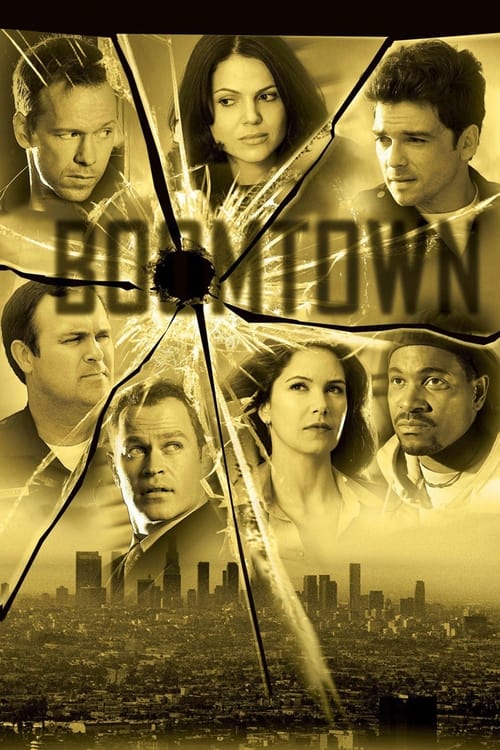
11. Boomtown
This show was a narrative puzzle box, telling crime stories from multiple, shifting perspectives—detective, victim, criminal. It was ambitious, cinematic, and demanded audience engagement. Too smart, perhaps, for its own good on network TV, but it experimented with storytelling structure in ways that felt genuinely fresh and daring for the era.