
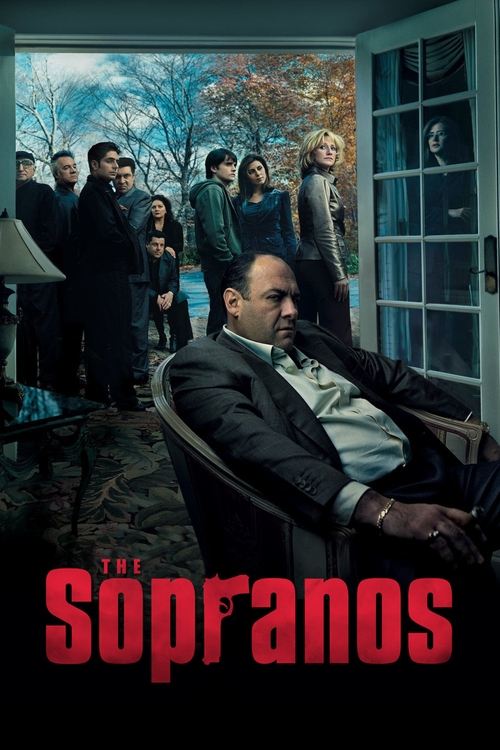
1. The Sopranos
This show just hit different. Suddenly, TV wasn't just disposable weekly episodes; it was an ongoing novel, dark and morally ambiguous. Tony Soprano, a mob boss in therapy, showed us that anti-heroes could carry an entire series, making us root for them, question them, and ultimately, feel for them. It was prestige drama before we even had the term, pushing HBO to the forefront and proving cable could deliver cinematic scope and complex, long-form storytelling. You had to watch every single minute.
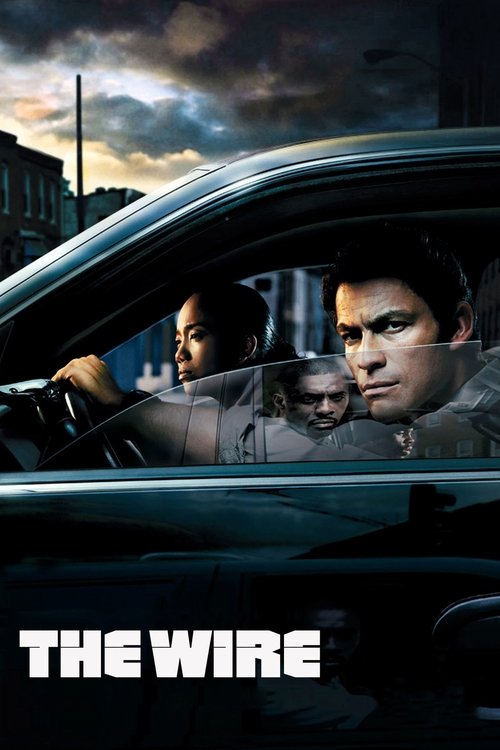
2. The Wire
Forget everything you thought you knew about crime dramas. *The Wire* wasn't about good versus evil; it was about systems. Baltimore's drug trade, the cops, the docks, City Hall, the schools – each season peeled back another layer of a broken city. Its ensemble was massive, its storylines intricate, demanding your full attention. This wasn't background noise; this was a deep dive, a sociological novel on screen, proving TV could be as intellectually rigorous as any acclaimed literature.
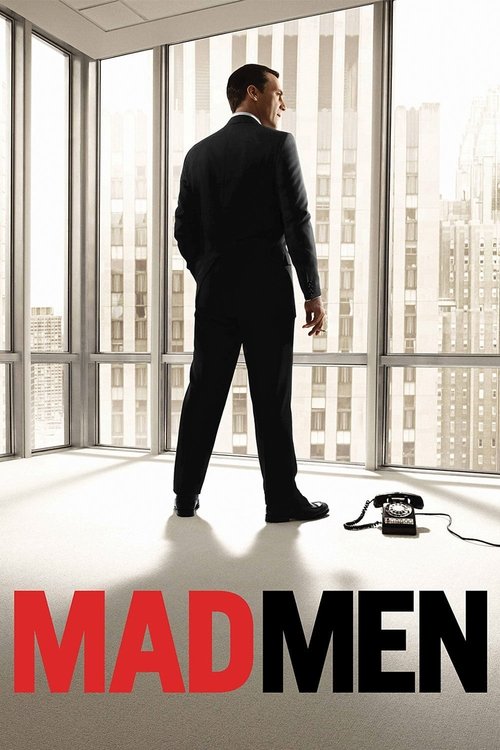
3. Mad Men
Stepping into the 1960s Madison Avenue world of Don Draper felt like art. The show’s meticulous period detail, sophisticated dialogue, and deliberate pacing were a masterclass in atmosphere and character study. It wasn't about plot twists every week; it was about human psychology, ambition, and existential dread, wrapped in a beautiful, often melancholic package. *Mad Men* proved that TV could be elegant, slow-burn, and utterly captivating, making you appreciate every carefully crafted frame.
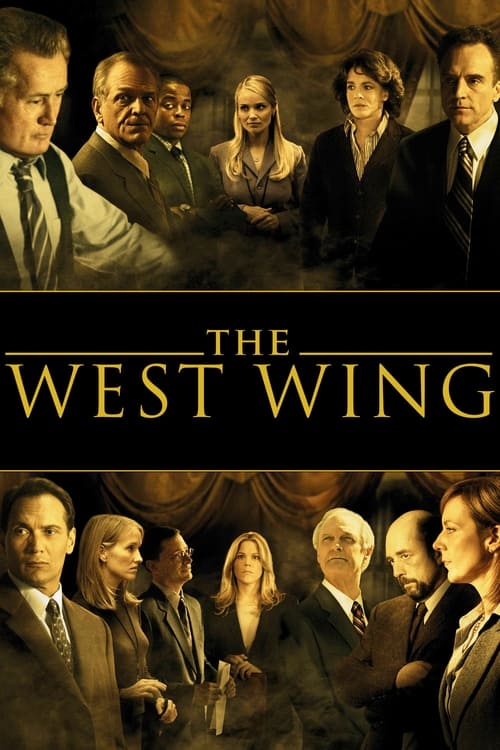
4. The West Wing
Aaron Sorkin's walk-and-talks redefined political drama, making policy debates thrilling. This wasn't just a peek behind the curtain; it was an idealized, often inspiring, vision of public service. The ensemble cast was electric, delivering rapid-fire dialogue that crackled with wit and intelligence. It elevated the form, showing that TV could tackle weighty issues with grace and urgency, making you believe in the possibility of principled leadership, even if just for an hour.
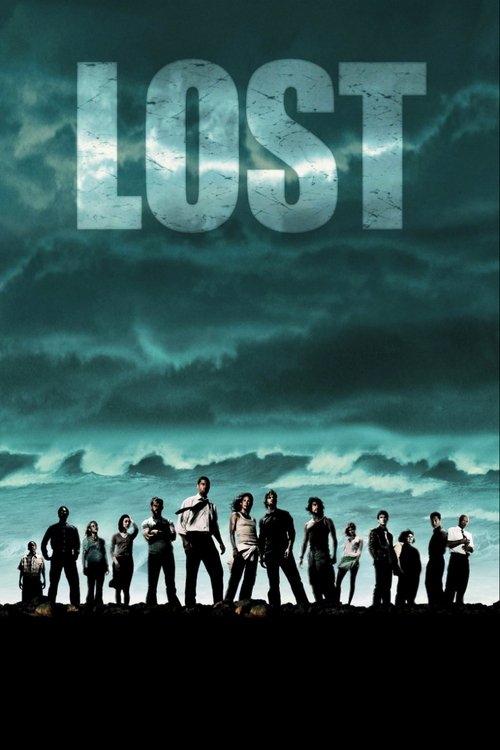
5. Lost
Talk about a water cooler show. *Lost* was the ultimate mystery box, dropping survivors on an island and then constantly pulling the rug out from under you. Its serialized nature, flashback structure, and genre-bending sci-fi elements hooked a generation, forcing everyone to tune in weekly or face spoilers. It proved that ambitious, puzzle-box storytelling could dominate popular culture and kickstart online fan communities dissecting every single clue. You had to know what was next.

6. Six Feet Under
This show started with a death every episode, yet it was ultimately about life. HBO pushed boundaries again, exploring mortality, family dysfunction, and personal growth with raw honesty and dark humor. The Fisher family's struggles felt incredibly real, making it a benchmark for character-driven drama. It tackled grief, sexuality, and existential dread in ways network TV wouldn't dare, proving cable could handle complex emotional landscapes with unflinching grace.
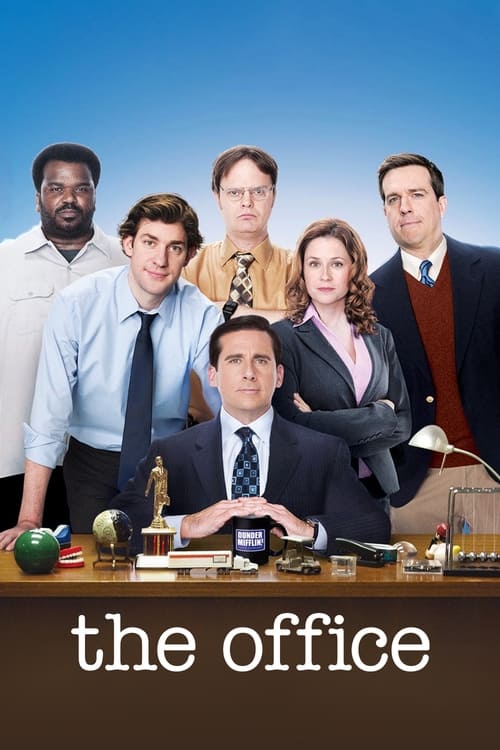
7. The Office
The American version took a British mockumentary concept and made it its own, becoming a cornerstone of workplace comedy. Its single-camera style, direct-to-camera confessionals, and cringe-worthy humor felt revolutionary for a mainstream sitcom. It showed that comedy could be subtle, character-driven, and often painfully awkward, building genuine emotional connections with its quirky ensemble. This wasn't just jokes; it was a slice of life, perfectly observed and endlessly rewatchable.
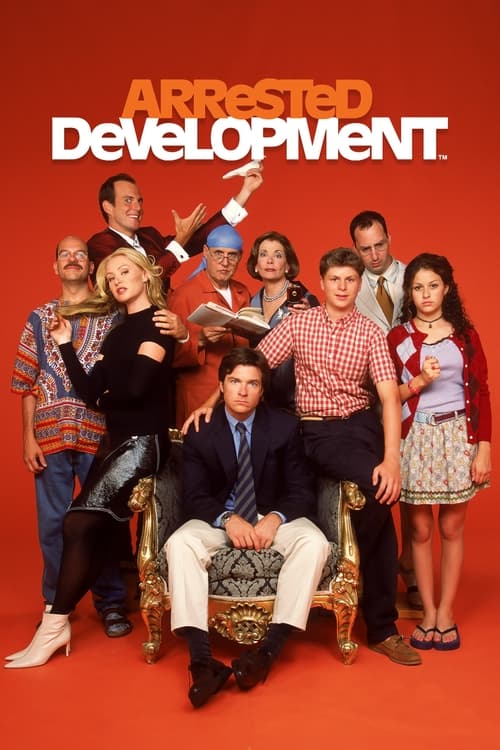
8. Arrested Development
This show was smarter than you, and it knew it. Its dense layering of running gags, callbacks, and meta-humor demanded rewatches long before streaming made it easy. The mockumentary format was pushed to absurd limits, with a narrator constantly commenting on the chaos. It redefined what a sitcom could be: a tightly constructed, intricately plotted comedy that rewarded close attention, making it a cult favorite and a blueprint for sophisticated comedic writing.
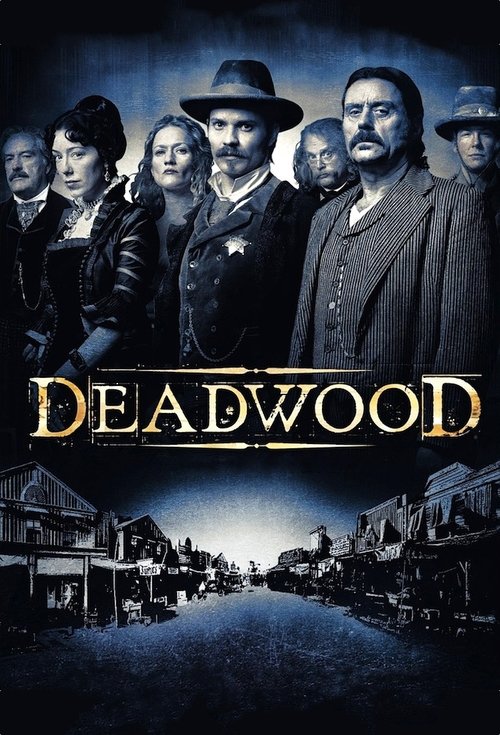
9. Deadwood
Larry David's dialogue was Shakespearean, if Shakespeare swore like a sailor. This wasn't your grandpa's Western; it was a brutal, poetic, and historically rich exploration of civilization forming in a lawless town. The language, the grit, the incredible ensemble performances – it was a cable masterpiece. *Deadwood* showed that historical drama could be visceral, unvarnished, and deeply philosophical, using its unique voice to carve out its own unforgettable place in TV history.
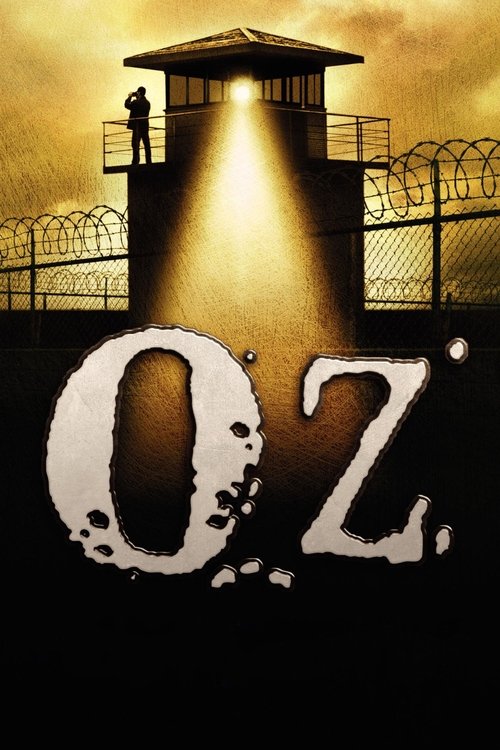
10. Oz
Before *The Sopranos*, there was *Oz*. This was HBO's first hour-long drama, and it absolutely ripped up the rulebook for what was acceptable on television. A brutal, unflinching look at an experimental prison unit, it featured graphic violence, nudity, and complex moral quandaries. *Oz* established HBO as a destination for edgy, adult content, proving that cable could tackle truly dark themes and push boundaries in ways network television never would, paving the way for everything else.
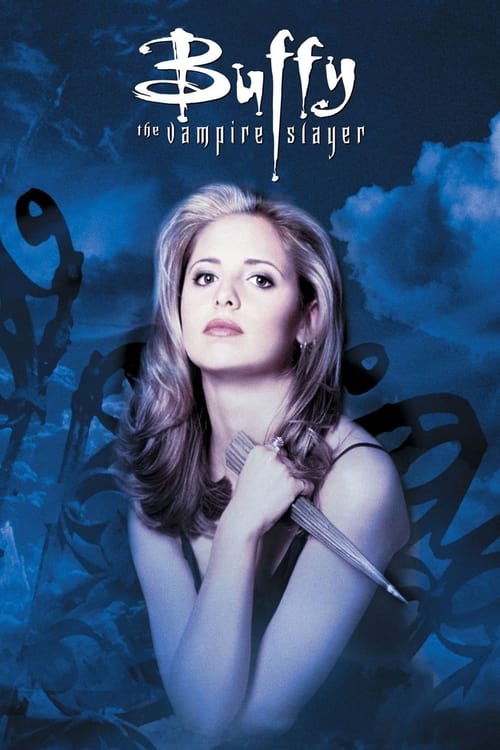
11. Buffy the Vampire Slayer
Don't let the title fool you; *Buffy* was so much more than a monster-of-the-week show. It blended horror, comedy, drama, and mythology, using supernatural metaphors to explore very real teenage angst and existential dread. Its serialized arcs, sharp dialogue, and surprisingly deep character development elevated it beyond its genre, proving that a show about a high school girl fighting vampires could be one of the most intelligently written series on television.