

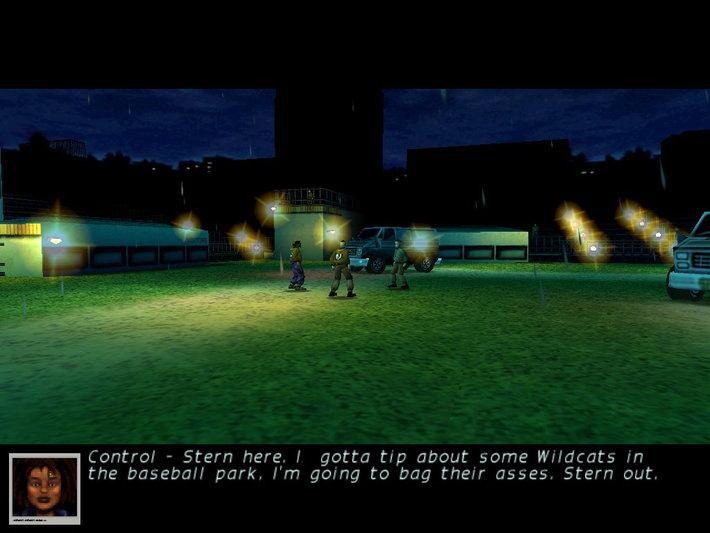
1. Urban Chaos
Before Grand Theft Auto became the undisputed king of urban anarchy, there was Urban Chaos. This 1999 title, often overlooked, threw players into a sprawling, albeit blocky, city as either a cop or a vigilante. It attempted a level of freedom and emergent gameplay that was audacious for its era, showcasing a rough but compelling vision of open-world action. While its ambition sometimes outstripped its execution, it’s a fascinating precursor to later sandbox successes, a testament to late-90s experimental design.

2. Fahrenheit (Indigo Prophecy)
Fahrenheit, or Indigo Prophecy as it was known in North America, landed in 2005 as a bold experiment in interactive storytelling. David Cage's early foray into cinematic narratives presented a compelling murder mystery with supernatural undertones. It demanded player input through a barrage of Quick Time Events, pushing boundaries for emotional engagement. While its story famously veered into absurdity by the end, its initial chapters and innovative presentation undeniably left a significant mark on the adventure game genre, proving narrative ambition could captivate.
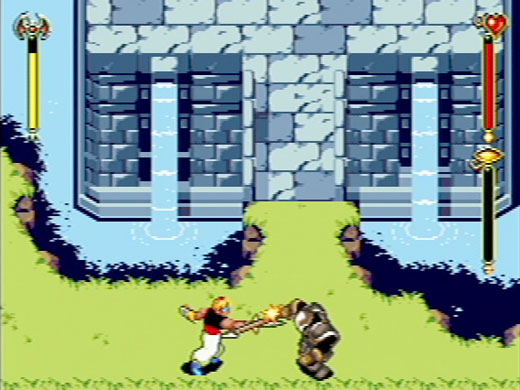
3. Beyond Oasis (2007)
While the original Beyond Oasis graced the Sega Genesis in 1994, its 2007 re-release on the Wii Virtual Console reminded a new generation of its enduring appeal. This action RPG stood out with its fluid combat, elemental spirit summoning, and a surprisingly deep narrative for its time. It showcased what a console-focused adventure could be outside the typical JRPG mold, offering intricate dungeons and satisfying boss battles. Its inclusion here highlights how true gems, even years later, retain their shine and influence.

4. Terranigma
Terranigma, released for the Super Famicom in 1995, remains a poignant example of the SNES's action RPG prowess, sadly never officially reaching North America. Its ambitious narrative saw players resurrecting continents and civilizations, offering a scope rarely seen. The combat was tight, the pixel art evocative, and its philosophical undertones resonated deeply. It's a game that demonstrates how developers, even within console limitations, crafted sprawling, emotionally resonant epics that transcended mere entertainment, becoming cultural touchstones for those who found them.
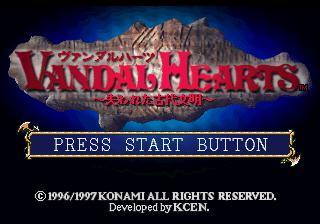
5. Vandal Hearts
Vandal Hearts, arriving on the PlayStation in 1996, carved out a niche for itself as a foundational tactical RPG. Konami’s foray into the genre offered challenging grid-based combat and a surprisingly grim, politically charged narrative, eschewing the often-charming innocence of its contemporaries. Its isometric perspective and emphasis on character positioning and terrain elevation provided strategic depth. This game proved that a strong narrative interwoven with demanding, thoughtful gameplay could leave a lasting impression, influencing the tactical RPG landscape for years to come.

6. Crusader: No Remorse
Crusader: No Remorse, from 1995, plunged players into a dystopian sci-fi future with an isometric perspective and a gloriously violent streak. As a Silencer, betrayed and seeking vengeance, you navigated highly interactive, destructible environments, using a variety of weapons and tactical maneuvers. Its blend of explosive action, puzzle-solving, and a surprisingly grim atmosphere set it apart. This game represented a bold step for PC action titles, demonstrating that environmental interactivity and a compellingly dark narrative could elevate the shooting genre beyond simple run-and-gun mechanics.
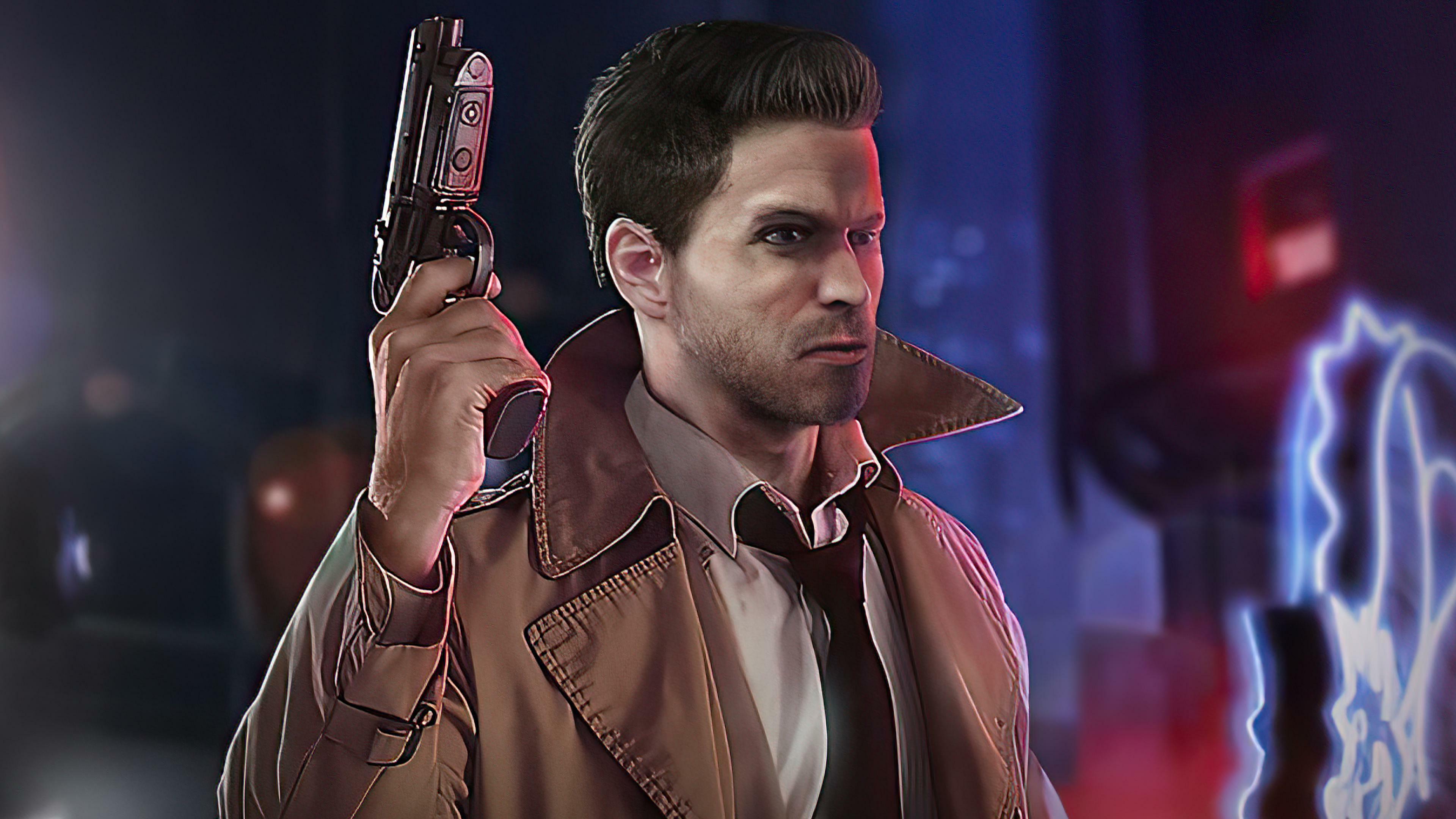
7. Blade Runner
Westwood Studios’ 1997 Blade Runner adventure game wasn't just a licensed tie-in; it was a masterful expansion of the film's universe. Playing as Ray McCoy, a replicant hunter, players navigated a non-linear narrative, making choices that genuinely impacted the outcome. Its groundbreaking voxel-based graphics, atmospheric sound design, and the use of the Voight-Kampff test provided an unparalleled sense of immersion. This title proved that video games could not only adapt beloved cinematic properties but also enrich them with interactive depth and complex moral ambiguities.
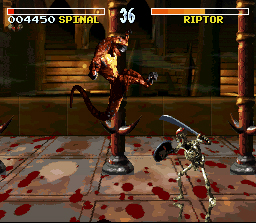
8. Killer Instinct (1994)
Killer Instinct burst onto the arcade scene in 1994, then graced the SNES, immediately standing out with its pre-rendered 3D graphics and revolutionary combo system. Rare’s fighter wasn't just about special moves; it was about stringing together Ultra Combos and humiliating opponents with Humiliations and Fatalities. Its distinct character designs, vibrant aesthetics, and a thumping soundtrack created an unmistakable identity. This game challenged the reigning fighting game titans, proving that innovation in mechanics and presentation could carve a significant, lasting impact in a crowded genre.
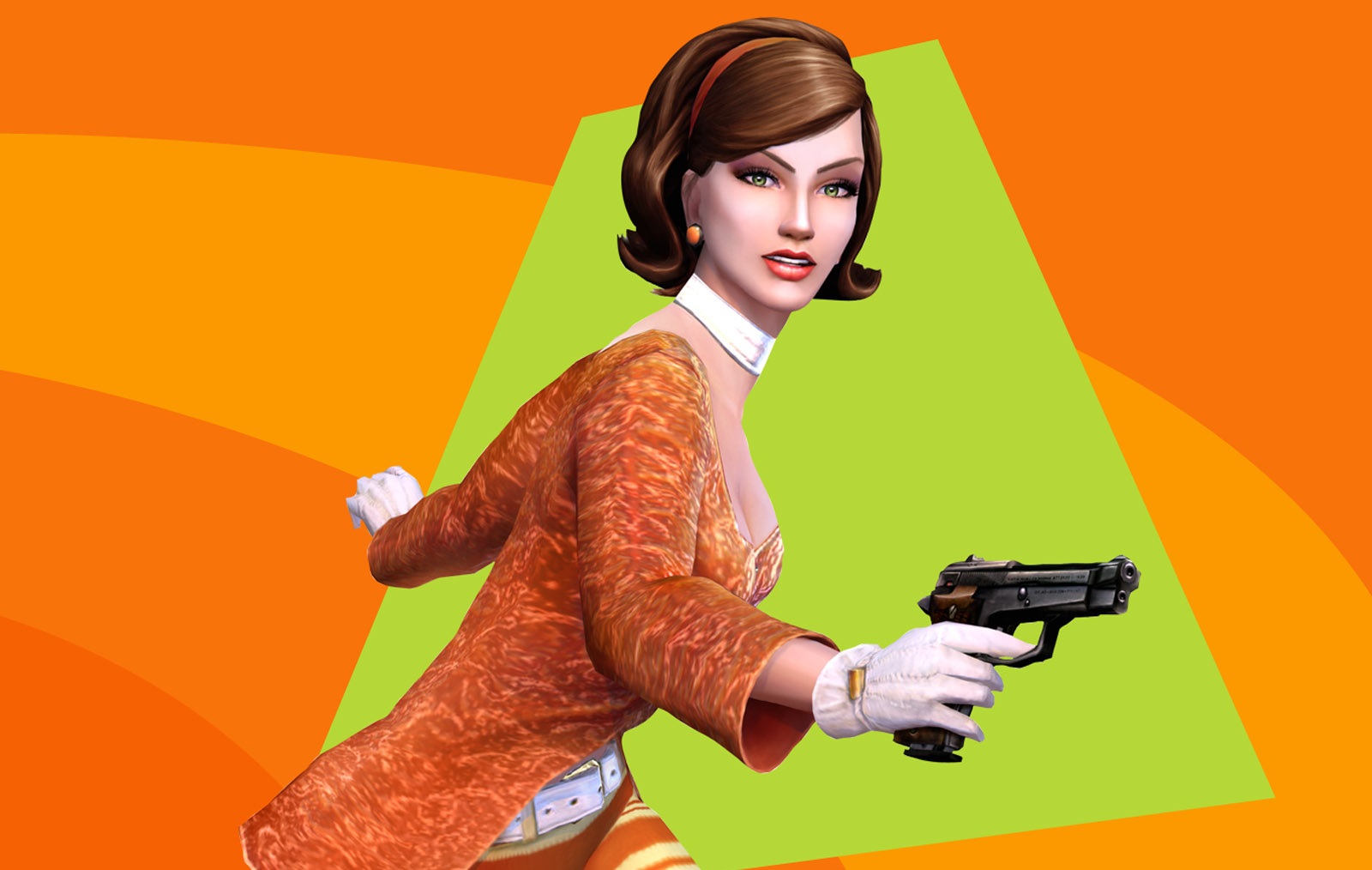
9. The Operative: No One Lives Forever
Monolith Productions' 2000 gem, The Operative: No One Lives Forever, redefined the first-person shooter by injecting it with style, humor, and genuine espionage. Playing as super-spy Cate Archer, players navigated a Cold War-era world filled with witty dialogue, outlandish villains, and an arsenal of ingenious gadgets. It expertly blended stealth, action, and intelligent level design, creating an experience far beyond typical shooters. Its sharp writing and memorable characters solidified its status as a cult classic, proving that FPS games could be both thrilling and hilariously clever.
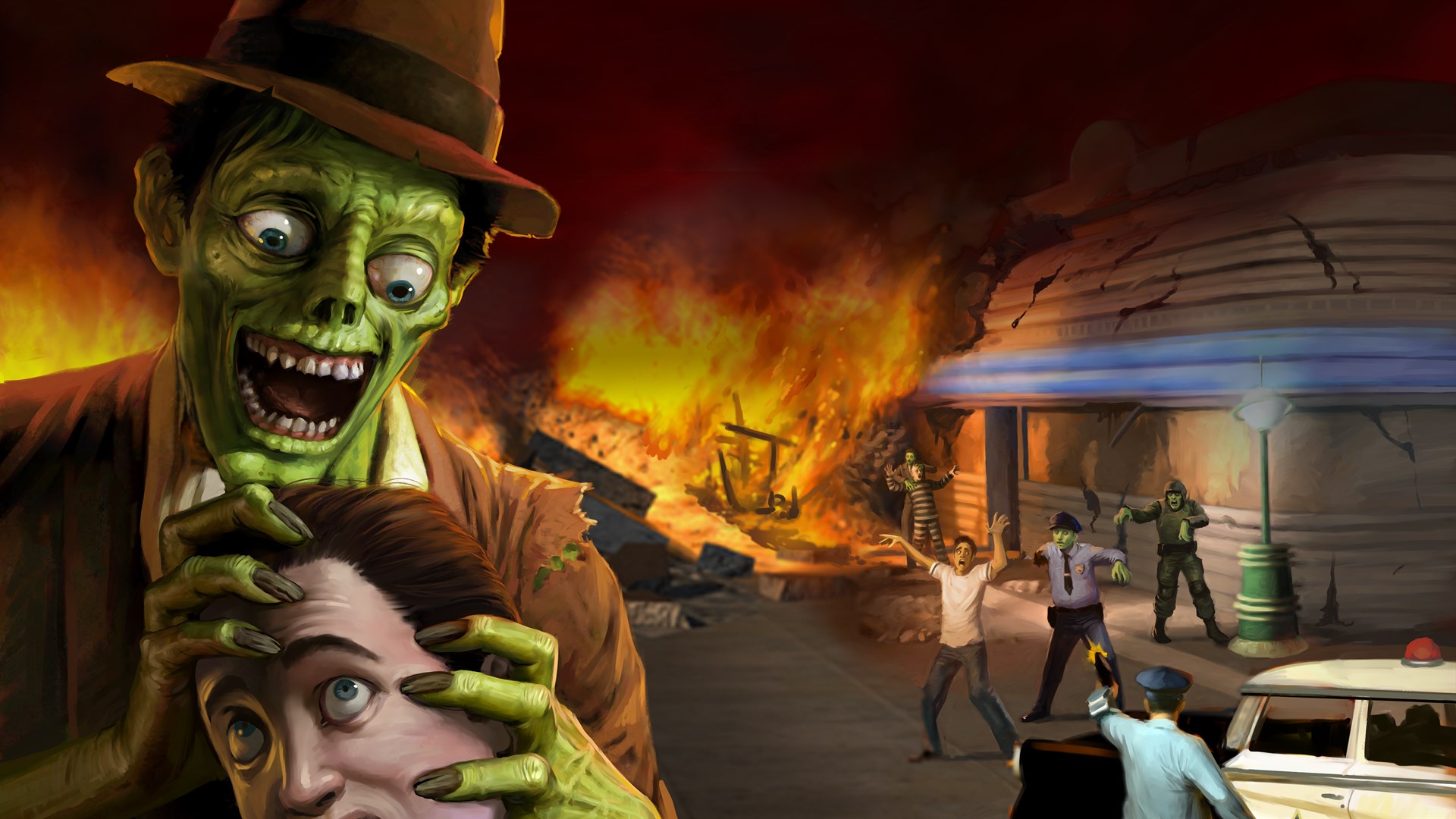
10. Stubbs the Zombie in Rebel Without a Pulse
Stubbs the Zombie in Rebel Without a Pulse, released in 2005, flipped the zombie apocalypse narrative on its head. As Stubbs, a charmingly deceased salesman, players savored the opportunity to be the undead menace, building a zombie horde to devour the brains of the living. Its quirky 1950s retro-futuristic setting, dark humor, and innovative gameplay mechanics, like possessing humans or using intestines as weapons, made it genuinely unique. This game was a delightful, irreverent subversion, demonstrating that even a well-worn trope could be reanimated with fresh, inventive gameplay.
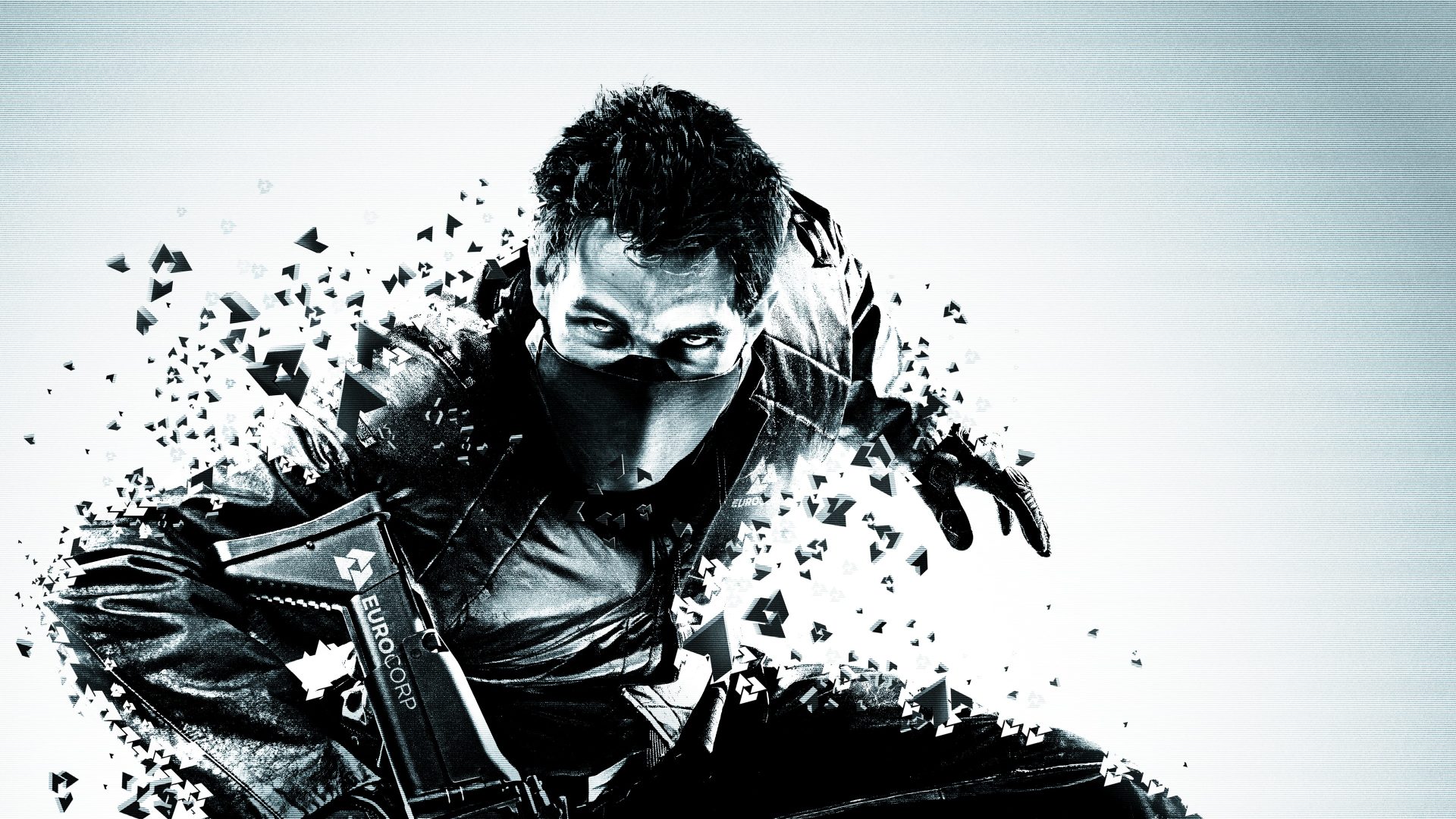
11. Syndicate (2012)
When Syndicate reappeared in 2012, it was as a first-person shooter, a dramatic departure from its tactical RTS origins. While this shift alienated some long-time fans, Starbreeze Studios delivered a slick, cyberpunk FPS experience with unique "DART 6" bio-chip abilities. It offered satisfying gunplay, intricate corporate espionage, and a grim, stylish aesthetic that felt genuinely distinct. This iteration, though controversial, demonstrated how a franchise could be reimagined for a new era, proving that even a radical genre shift could result in a competent, albeit different, vision.