

1 / 11
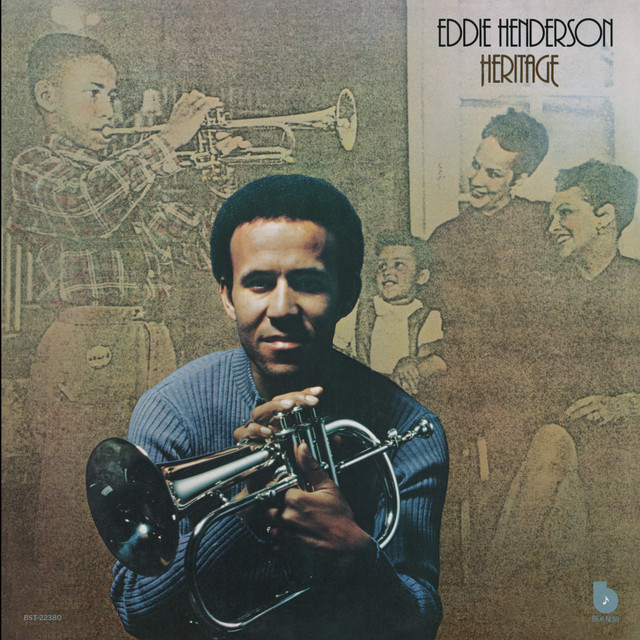
1. Heritage (Reissue)
This 1971 Earth, Wind & Fire album, even as a reissue, screams analog brilliance. Maurice White’s vision fused intricate jazz-fusion horn charts with a deep, psychedelic soul groove. The pre-digital tape warmth lends an almost spiritual dimension to the arrangements, showcasing a band at the precipice of their creative explosion. It’s a masterclass in ensemble playing, where every instrument breathes, contributing to a vibrant, expansive soundscape that few could replicate.
2 / 11
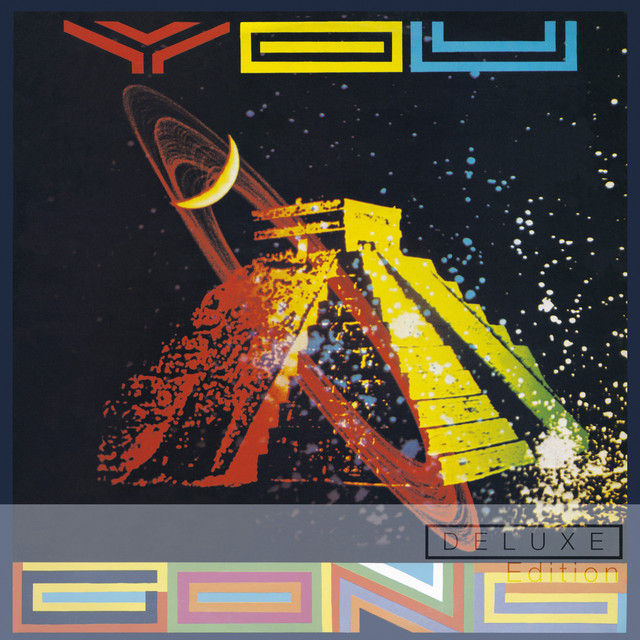
2. You (Deluxe Edition)
Gong’s 1974 opus, presented in this deluxe edition, remains a cornerstone of psychedelic fusion. Daevid Allen's Pot Head Pixies narrative guides a sprawling, improvisational journey through cosmic jazz rock. The analog tape hiss becomes part of the atmosphere, capturing the raw, unpolished energy of a band pushing boundaries. It’s an immersive, almost hallucinatory experience, with complex rhythmic interplay and swirling synth textures that demand deep listening.
3 / 11
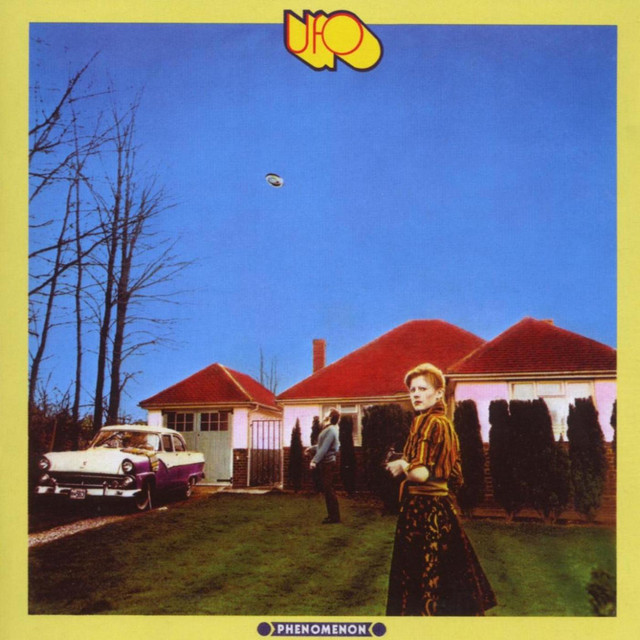
3. Phenomenon (2007 Remaster)
UFO’s 1974 "Phenomenon," especially in this 2007 remaster, is a blueprint for hard rock's evolution into early metal. Michael Schenker's guitar work is simply incendiary, defining an era with its melodic precision and raw power. The production, typical of the mid-70s, captures the band’s visceral energy, allowing the interplay between heavy riffs and Phil Mogg's distinct vocals to shine without digital sheen. It's muscular, direct, and undeniably influential.
4 / 11

4. Quiet Life (30th Anniversary Edition; 2022 Remaster)
Japan's 1979 "Quiet Life," in its 2022 remaster, reveals its true art-rock brilliance. This LP masterfully bridges new wave aesthetics with sophisticated synthesiser textures, hinting at darkwave’s melancholic elegance. The analog warmth enhances the meticulous arrangements, particularly Mick Karn's distinctive bass and David Sylvian's enigmatic vocals. It's a sonic tapestry, demonstrating how synthesizers could build atmosphere and emotion, not just pop hooks.
5 / 11

5. Neurovision (Remastered)
The Klinik’s 1987 "Neurovision," in its remastered form, is a brutalist monument of industrial EBM. Dirk Ivens's stark vocals and the relentless, driving analog synth sequences create an atmosphere of oppressive, machine-like rhythm. The lack of digital gloss allows the raw, distorted textures to cut through, emphasizing its coldwave undercurrents. This is an uncompromising, primal electronic assault, demonstrating the genre’s capacity for relentless, dark energy.
6 / 11

6. Air
Air, the jazz trio, consistently pushed boundaries, and their 1979 self-titled effort exemplifies it. Henry Threadgill’s compositions, combined with the telepathic interplay of Hopkins and McCall, create a truly unique form of jazz-fusion. The analog recording captures the acoustic nuances of their instruments, highlighting the intricate rhythmic and melodic dialogues. It’s a compelling, intellectual journey, far removed from smooth jazz, demanding attention with its challenging structures.
7 / 11
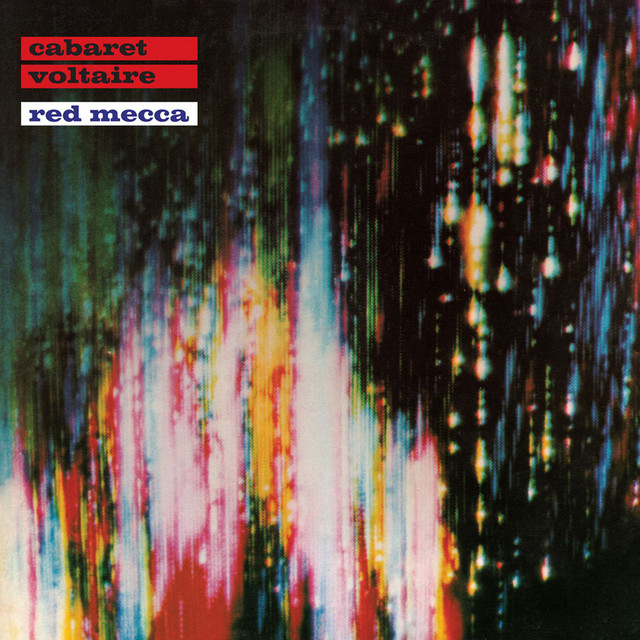
7. Red Mecca
Cabaret Voltaire's 1981 "Red Mecca" stands as a bleak, compelling masterpiece of industrial music. Its stark, percussive rhythms, found sound collages, and heavily processed vocals craft a dystopian soundscape. The analog production here is crucial, lending a gritty, almost tangible texture to the electronic manipulations. It's a foundational text for coldwave and darkwave, demonstrating how deconstructionist techniques could evoke profound unease and social commentary.
8 / 11
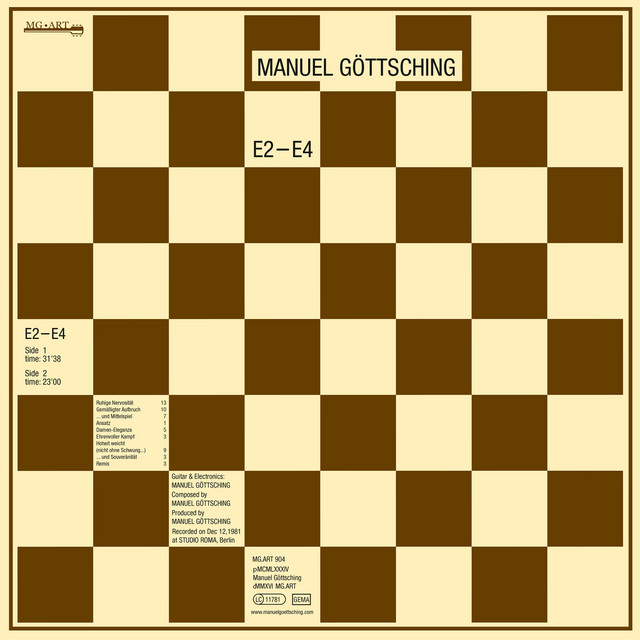
8. E2-E4 (Mixed)
Manuel Göttsching’s 1984 "E2-E4," especially in its original "Mixed" version, is a singular, foundational electronic statement. This hour-long, hypnotic guitar and rhythm box improvisation is proto-techno in its purest form, a meditative journey built on subtle shifts and repetition. The analog recording captures every nuance, emphasizing the warmth of the synthesizers and the organic evolution of its minimalist groove. It’s an ambient masterpiece that demands immersion, laying groundwork for entire genres.
9 / 11

9. Where's My Towel / Industry Standard
The Dregs' 1982 "Industry Standard" is a tour de force of jazz-fusion, showcasing breathtaking musicianship and intricate arrangements. Steve Morse's guitar work, combined with the band's tight rhythmic section, creates a dynamic, high-energy sound. The analog production emphasizes the clarity of each instrument, allowing their virtuosity to shine without sounding sterile. It’s a masterclass in instrumental rock, blending complex structures with a palpable sense of fun.
10 / 11

10. The Body Rock
The Treacherous Three’s 1980 single "The Body Rock" is an absolute landmark in early rap. Its infectious breakbeats, call-and-response vocals, and raw, energetic delivery laid crucial groundwork for hip-hop’s rhythmic identity. Recorded in the pre-digital era, the track possesses an undeniable warmth and immediacy, capturing the raw excitement of Bronx block parties. It’s pure, unadulterated funk and party music, a vibrant snapshot of a genre taking shape.
11 / 11

11. Cowell: Piano Music
Henry Cowell’s "Piano Music" showcases a composer decades ahead of his time. His radical use of tone clusters, forearm playing, and muted strings was utterly groundbreaking. While classical, its experimental spirit aligns with art-rock's boundary-pushing ethos, exploring sonic textures and percussive possibilities previously unheard. The analog recordings capture the raw impact of these innovative techniques, highlighting the piano’s capacity for extreme sonic manipulation.