
1 / 11
1. Vagrant Story (2000)
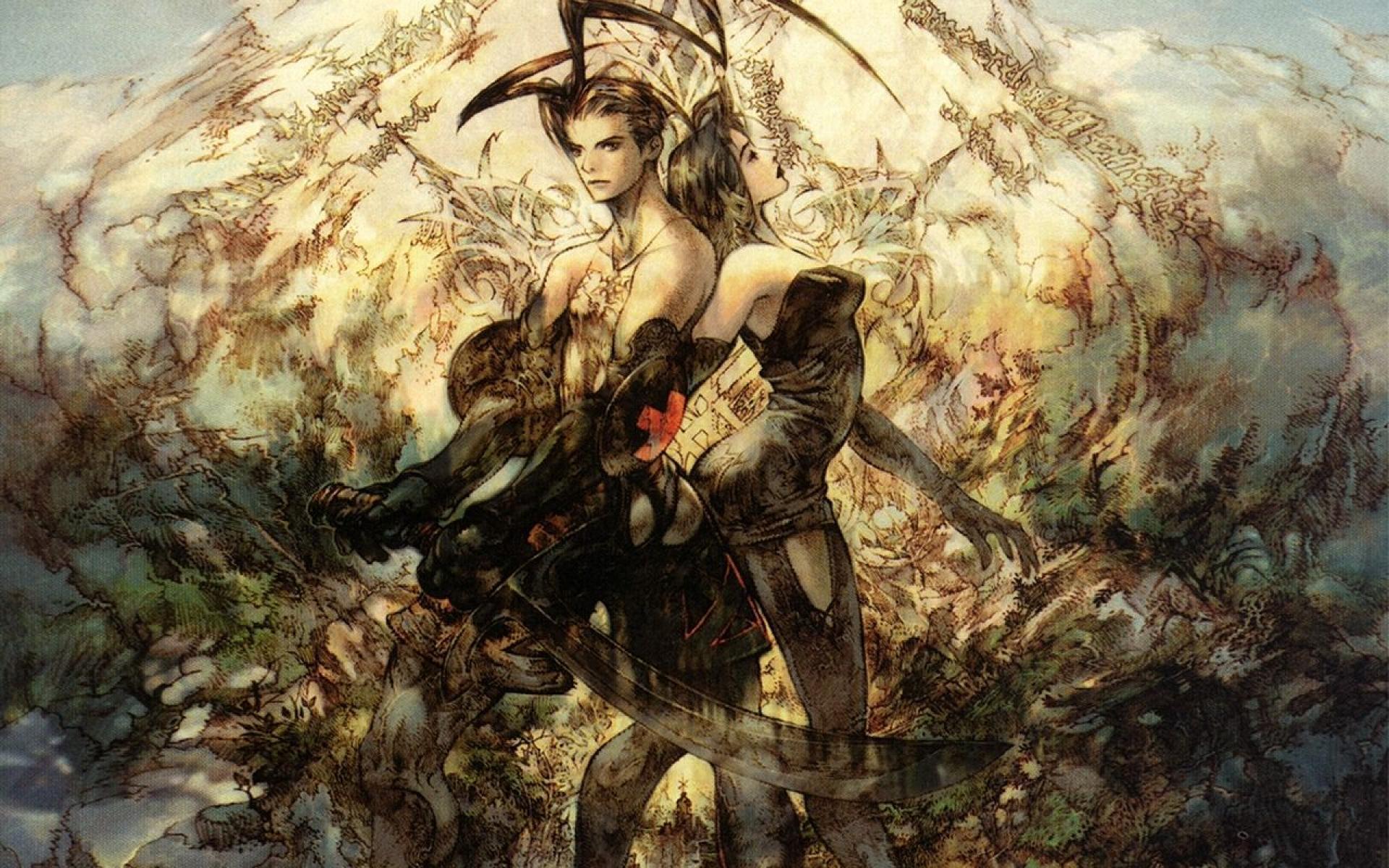
This PlayStation classic from 2000 was a Square departure, offering a complex action RPG set in the city of Lea Monde. Its unique risk-reward combat, deep weapon crafting, and intricate narrative demanded player dedication. Far from a typical JRPG, its mature themes and distinctive art style, rendered beautifully for its era, carved out a niche. Yet, its intricate systems proved intimidating for some, leading to its underappreciation despite critical acclaim. It remains a masterclass in atmospheric design and mechanical depth.
2 / 11
2. Galerians
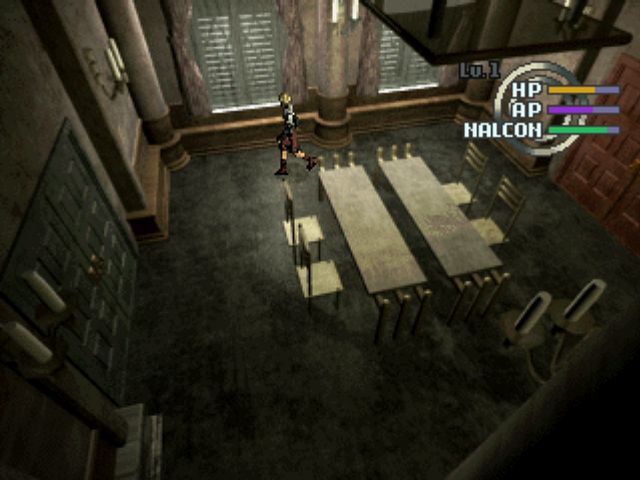
This PlayStation horror title from the late 90s plunged players into a bleak, futuristic nightmare. You controlled Rion, a psychic amnesiac reliant on drugs to unleash his powers and ward off insanity. Its unsettling atmosphere, grotesque creature design, and unconventional combat mechanics made for a truly disturbing experience. While clunky by today’s standards, Galerians delivered a unique brand of psychological dread, exploring themes of genetic experimentation and human degradation with a relentless, dark intensity.
3 / 11

3. Shadow of Destiny
Konami’s 2001 PlayStation 2 adventure was a bold experiment in narrative agency and time travel. Players guided Eike Kusch through a single day, repeatedly dying and rewinding time to alter events and uncover a murder mystery. Its branching storylines and multiple endings rewarded meticulous exploration and clever manipulation of the past. Though its gameplay was largely point-and-click, the sheer ambition of its temporal mechanics and the compelling, melancholic atmosphere made it a memorable, if overlooked, narrative gem.
4 / 11
4. Messiah
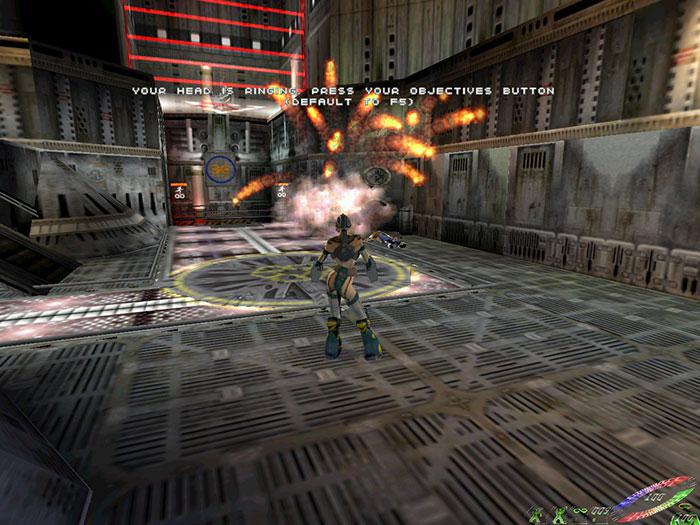
Shiny Entertainment's 2000 PC title was a darkly humorous, action-adventure oddity. Players controlled Bob, a cherubic cherub tasked with saving humanity by possessing various grotesque creatures and humans. Its unique possession mechanic allowed for diverse puzzles and combat scenarios across its industrial, dystopian world. While technically ambitious for its time, its sometimes clunky controls and uneven pacing likely contributed to its cult status rather than mainstream success. Yet, its irreverent tone and innovative premise still stand out.
5 / 11
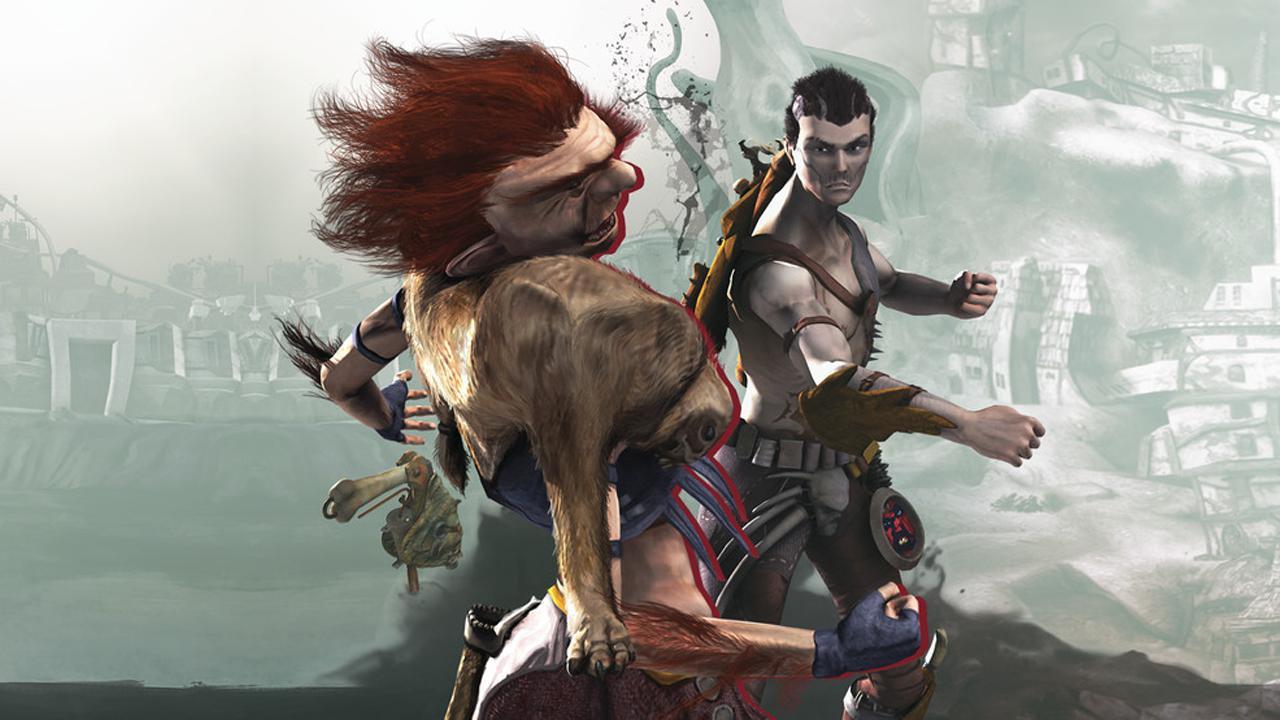
5. Zeno Clash
ACE Team’s 2009 debut on PC and Xbox 360 was a first-person brawler unlike any other. Set in the bizarre, surreal world of Zenozoik, it threw players into visceral, hand-to-hand combat against a menagerie of grotesque, humanoid creatures. Its distinctive art style, reminiscent of a psychedelic fever dream, and surprisingly deep narrative exploring family and identity, created an unforgettable experience. Zeno Clash proved that a strong artistic vision could elevate a game beyond its mechanical quirks.
6 / 11
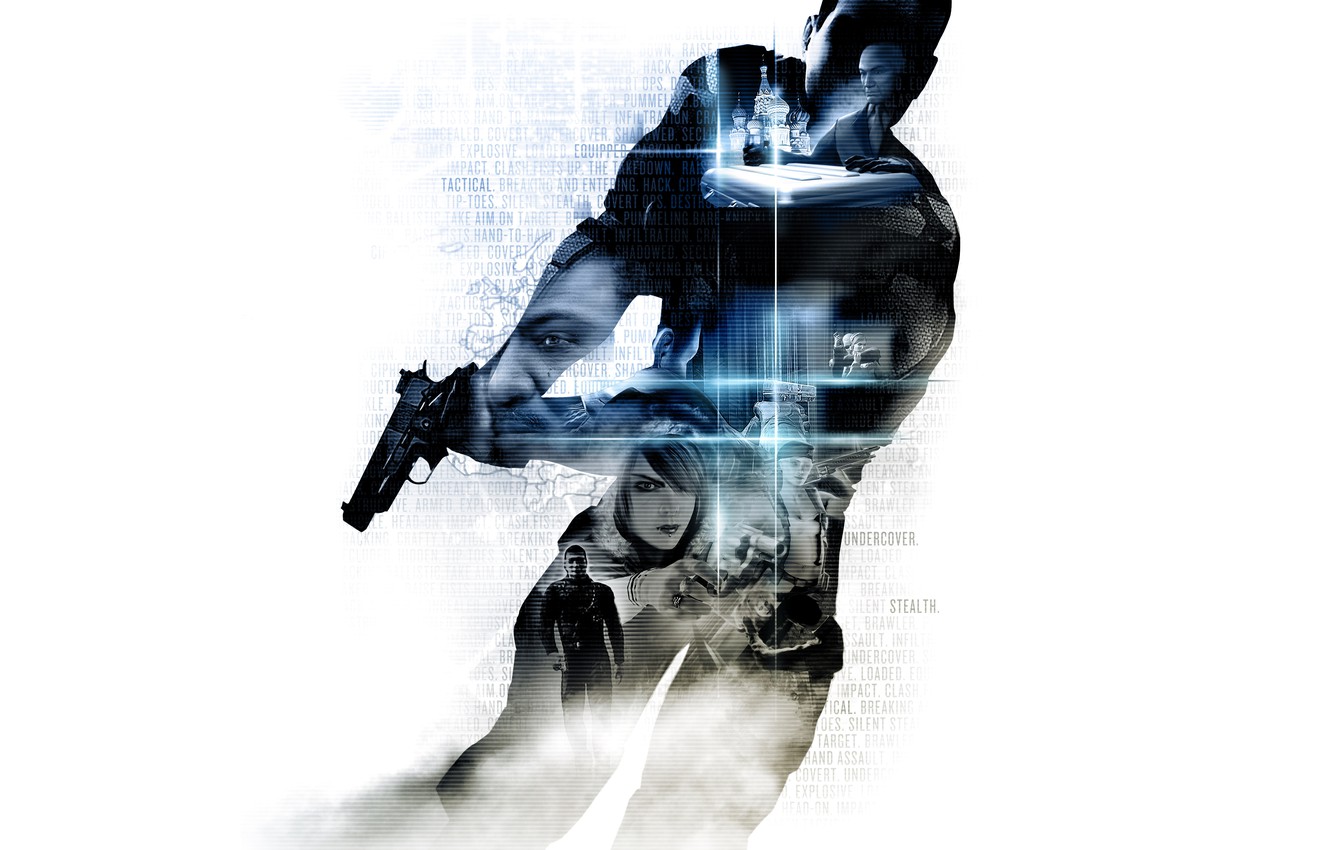
6. Alpha Protocol
Obsidian Entertainment’s 2010 espionage RPG, for PC, PS3, and Xbox 360, presented a refreshing take on the spy thriller. Its real strength lay in its branching dialogue and genuine narrative consequences, where player choices truly mattered and shaped protagonist Michael Thorton’s journey. While its combat was famously janky, the game's ambition in player agency and character development was commendable. It’s a testament to how compelling writing and choice can overcome technical imperfections, earning it a devoted following.
7 / 11
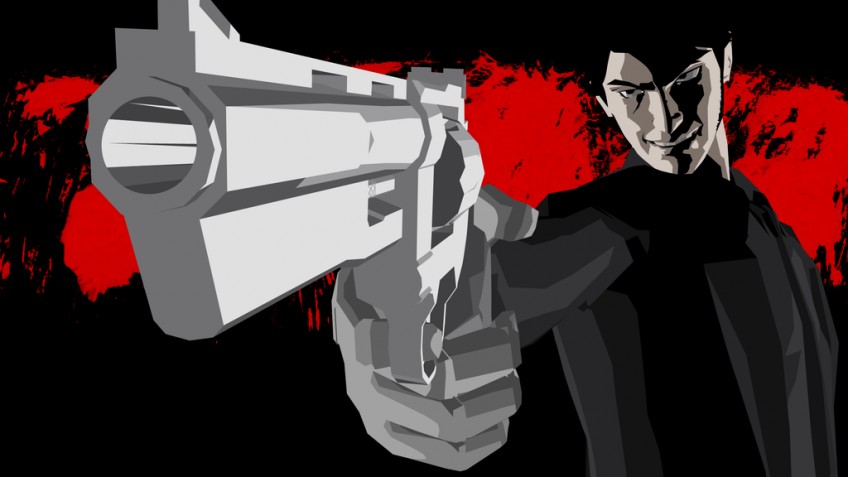
7. killer7
Suda51’s 2005 GameCube and PS2 title was a stylistic masterpiece and a narrative enigma. This on-rails shooter plunged players into a cel-shaded world of political intrigue and supernatural assassins, featuring seven distinct personalities. Its unconventional controls, stark visuals, and deliberately obtuse storytelling polarized audiences. Yet, for those who embraced its unique rhythm and symbolism, killer7 delivered an unparalleled, hypnotic experience. It remains a defining work for Grasshopper Manufacture, showcasing their fearless approach to game design.
8 / 11

8. Haunting Ground
Capcom’s 2005 PlayStation 2 survival horror title offered a truly unsettling experience. Following Fiona Belli and her canine companion Hewie, it traded combat for evasion and psychological dread. The constant threat of being hunted by deranged captors, coupled with Hewie’s vital role in puzzle-solving and defense, created intense tension. While often overshadowed by other Capcom horror titles, Haunting Ground’s focus on vulnerability and the bond with Hewie forged a uniquely terrifying and memorable ordeal.
9 / 11
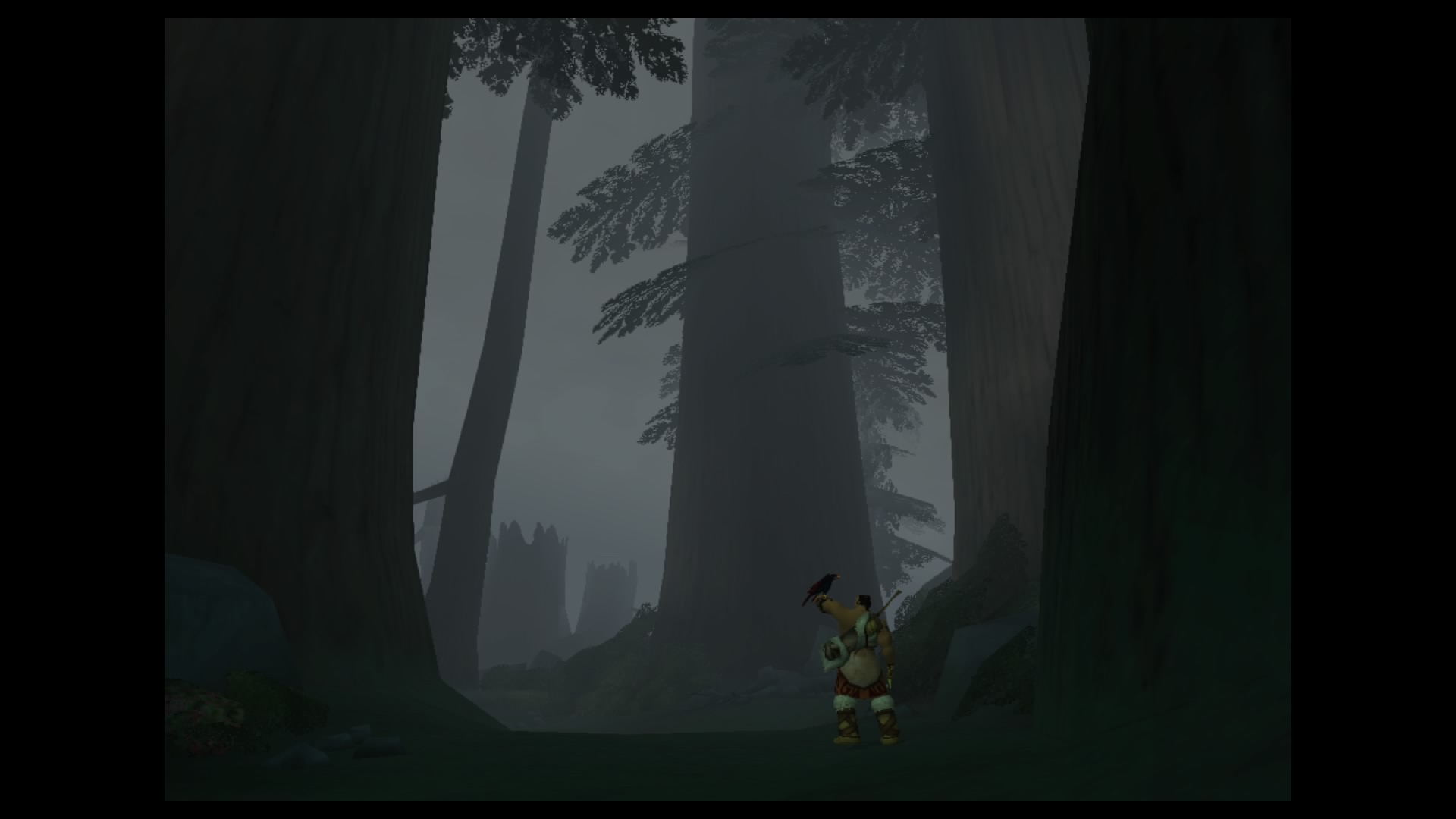
9. The Mark of Kri
This 2002 PlayStation 2 action-adventure stood out with its innovative combat system and stunning animation. Players controlled Rau, a Polynesian warrior, utilizing a unique target-marking mechanic to fluidly switch between multiple enemies. Its striking art style, inspired by traditional Polynesian art and Disney animation, brought its dark fantasy world to life. While perhaps not achieving widespread recognition, The Mark of Kri showcased a fresh approach to third-person action, proving both stylish and mechanically satisfying.
10 / 11
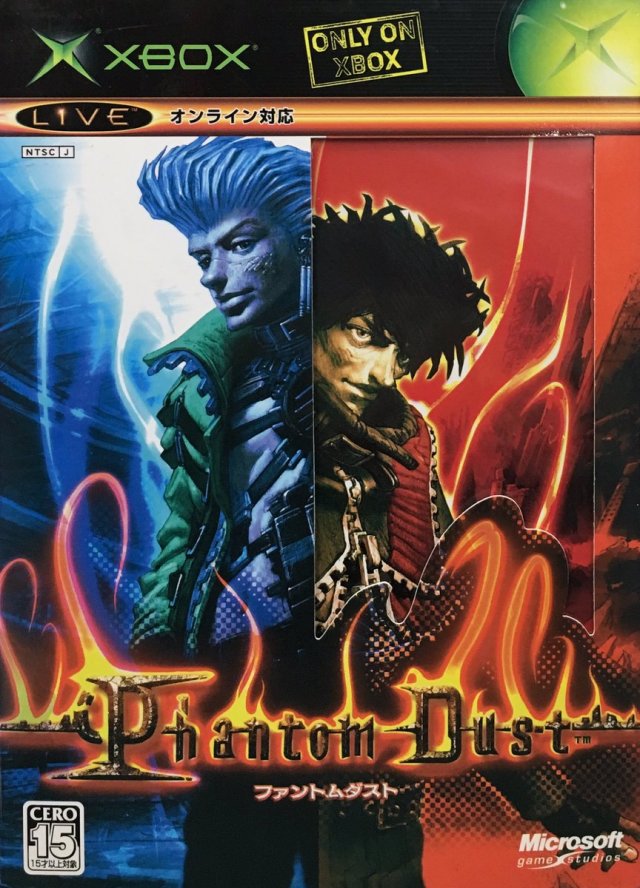
10. Phantom Dust
Microsoft’s 2004 Xbox exclusive was an ambitious genre-bender, fusing action-arena combat with collectible card game strategy. Set in a post-apocalyptic world shrouded in dust, players collected "arsenals" of powers to unleash in real-time battles. Its unique blend required both tactical foresight and quick reflexes, creating a distinct, challenging experience. Though its complexity and niche appeal kept it from mainstream success, Phantom Dust cultivated a dedicated fanbase, celebrated for its innovative mechanics and atmospheric world-building.
11 / 11
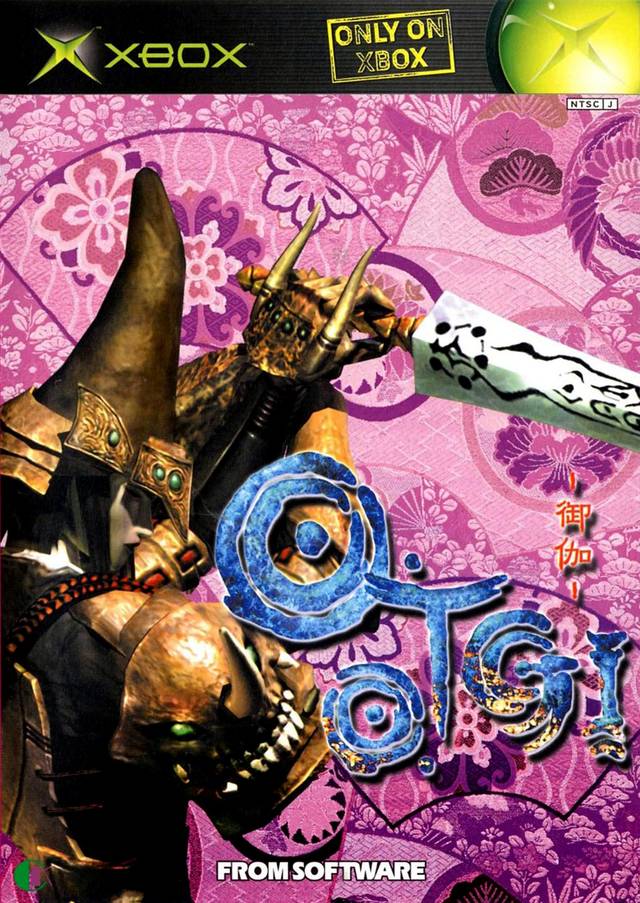
11. Otogi: Myth of Demons
FromSoftware’s 2002 Xbox hack and slash offered a glimpse into their future mastery of atmospheric action. Players embodied Raikoh, an undead warrior in a beautifully rendered, destructible ancient Japan. Its fluid combat, aerial maneuvers, and satisfying environmental destruction set it apart. While not as punishing as their later Souls titles, Otogi exuded a similar melancholic beauty and challenging boss encounters. It was a stylish, underrated gem that showcased FromSoftware’s early prowess in crafting unique, engaging fantasy worlds.