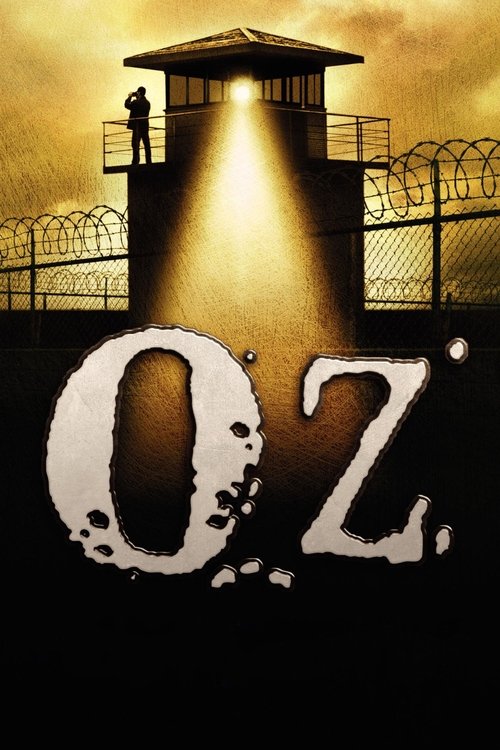
1. Oz
Before prestige TV became a buzzword, *Oz* threw HBO into the deep end. This wasn't your father's prison drama; it was an unapologetic, serialized descent into a brutal, claustrophobic world. Its ensemble cast navigated complex, often horrifying arcs, pushing boundaries network TV wouldn't dare touch. It showed what serialized cable could truly achieve, laying groundwork for the next generation of storytelling. Gritty, uncompromising, and essential viewing for understanding the era's shift.
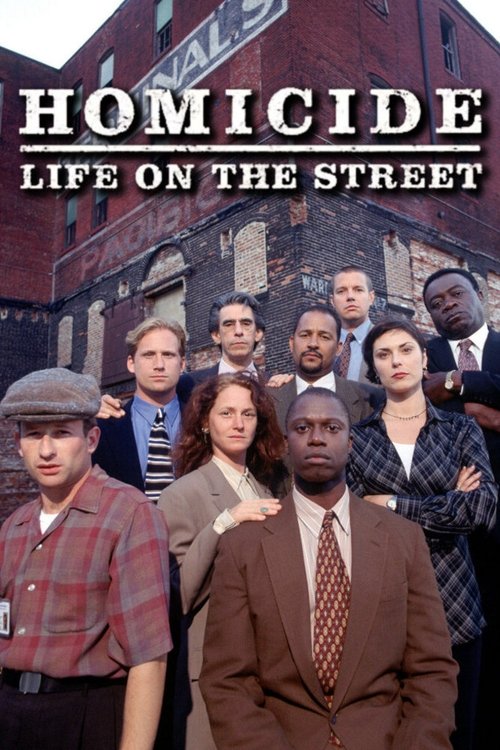
2. Homicide: Life on the Street
*Homicide* broke the mold for network procedurals. Its gritty, almost documentary-style realism, handheld cameras, and jump cuts felt like cinema invading your living room. The ensemble cast delivered nuanced, often morally ambiguous performances, and its serialized cases actually mattered. It wasn't just solving a crime; it was about the toll it took, showing what intelligent, character-driven drama could look like on a major broadcast channel. Ahead of its time, really.
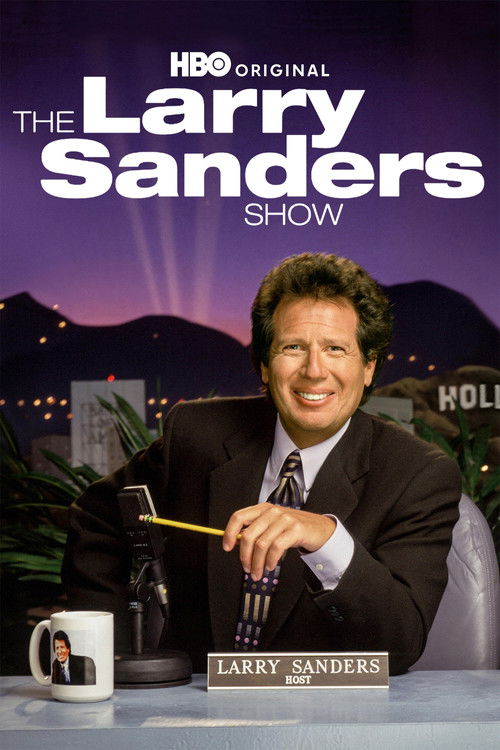
3. The Larry Sanders Show
*The Larry Sanders Show* was doing meta-comedy and mockumentary before everyone else jumped on the bandwagon. This HBO gem pulled back the curtain on late-night TV with brutal honesty, showing the petty egos and backstabbing behind the smiles. Garry Shandling's performance was masterful, anchoring an ensemble that felt authentically dysfunctional. It was smart, uncomfortable, and redefined what a "comedy" could be, proving cable wasn't just for movies and boxing.
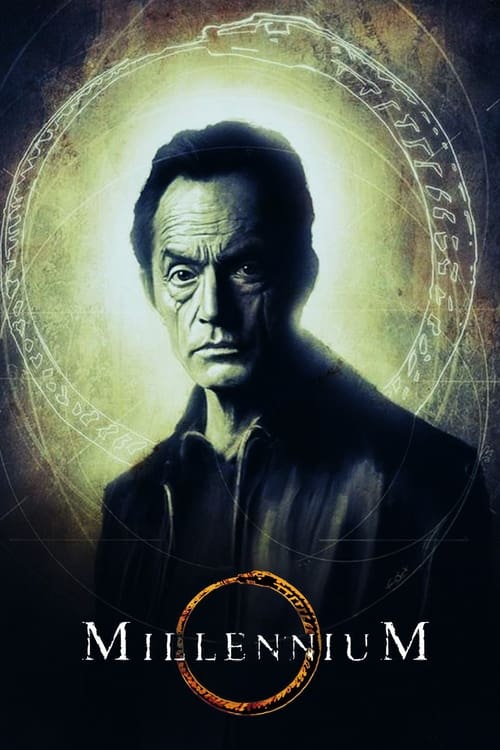
4. Millennium
Chris Carter's *Millennium* was a deeply unsettling, atmospheric dive into the darkest corners of human evil. While *The X-Files* had its monsters, *Millennium* explored a more psychological, serialized dread, focusing on Frank Black's disturbing visions. It dared to be relentlessly bleak, pushing a mood and theme over typical procedural comforts. This show was a precursor to the darker, more introspective serialized dramas that would later define cable, even if it aired on Fox.
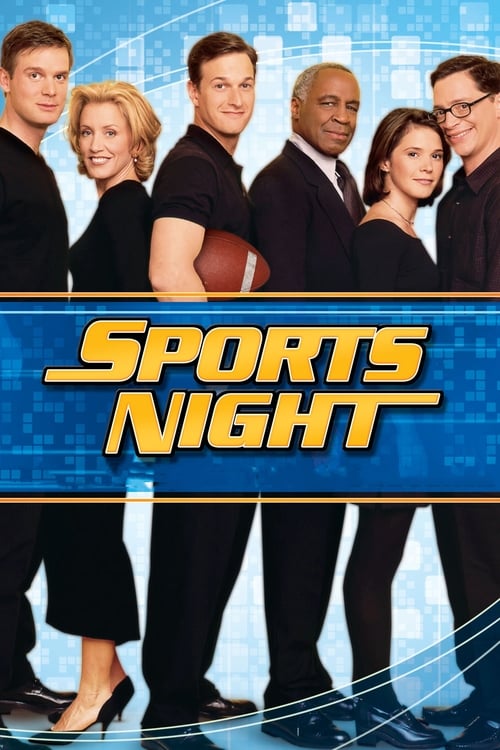
5. Sports Night
Before *The West Wing*, Aaron Sorkin’s *Sports Night* brought his signature rapid-fire dialogue and walk-and-talks to a sitcom format. It was a workplace comedy, sure, but it had a dramatic heart, tackling ethical dilemmas and personal struggles with intelligence. The ensemble felt like a genuine family, and its serialized nature meant characters actually grew. It was a smart, funny, and surprisingly emotional look at the people behind the headlines, pushing sitcoms beyond simple setup-punchline.
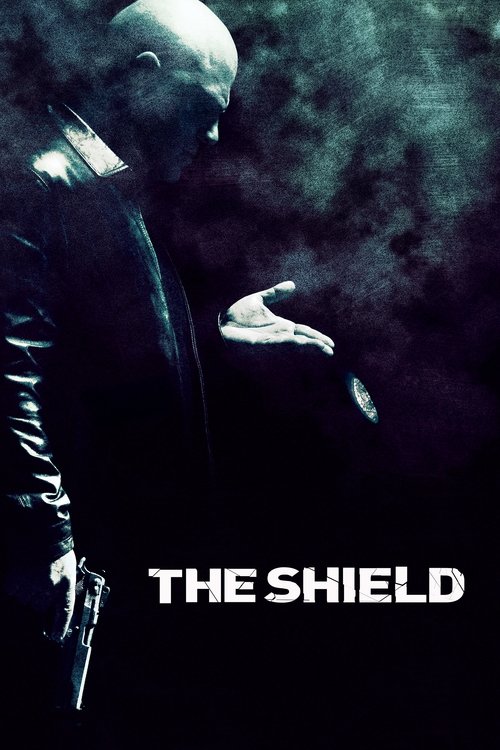
6. The Shield
*The Shield* hit FX like a sledgehammer, proving cable could birth anti-heroes just as compelling, if not more so, than the networks. Vic Mackey wasn't just flawed; he was a monster you somehow rooted for. This show was raw, morally ambiguous, and serialized its narrative with ruthless efficiency, forcing viewers to confront uncomfortable truths about justice. It defined FX's early identity and set a new bar for gritty, character-driven crime drama.
7. Deadwood
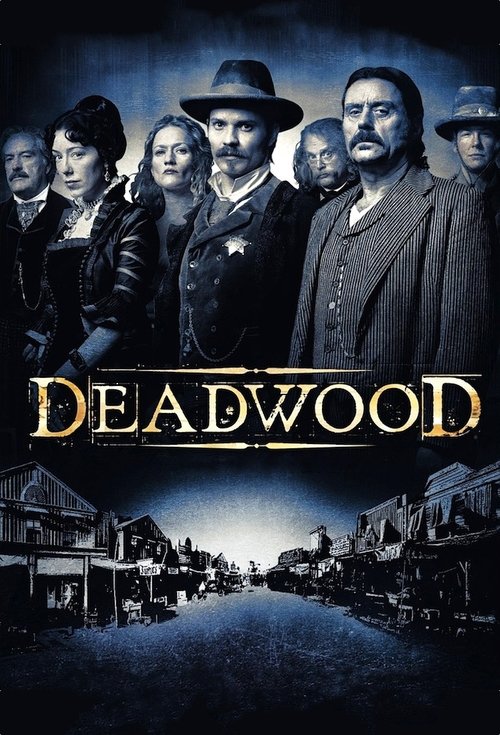
*Deadwood* wasn't just a Western; it was a profane, poetic, and utterly immersive historical epic. David Milch's dialogue, a character in itself, was unlike anything on television, blending Shakespearean rhythms with frontier grit. Its serialized narrative allowed for deep character exploration within a brutal, lawless world. HBO proved again that television could be as rich and complex as any cinematic offering, demanding attention and rewarding patience. A truly singular vision.
8. Arrested Development
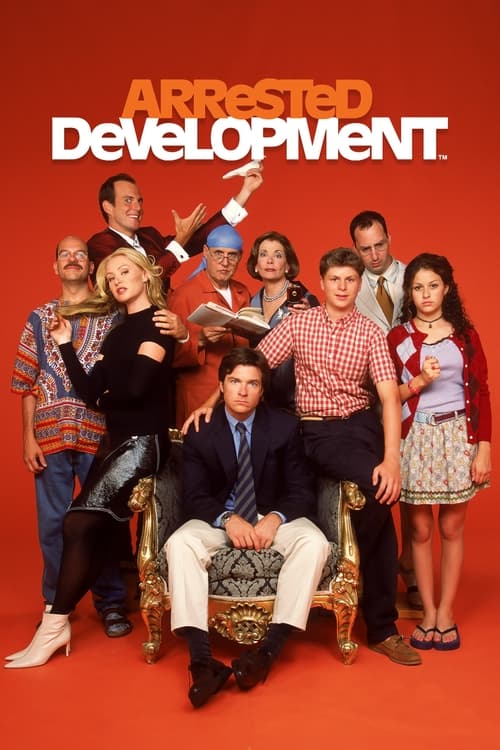
*Arrested Development* was a comedy that practically demanded repeat viewing, years before "binge-watching" was a term. Its dense, serialized jokes, running gags, and layered callbacks rewarded close attention, making it a cult favorite for those who "got it." The mockumentary style felt fresh, and its dysfunctional family was both hilarious and surprisingly poignant. It was a masterclass in comedic writing, showing how much narrative complexity a sitcom could handle.
9. K Street
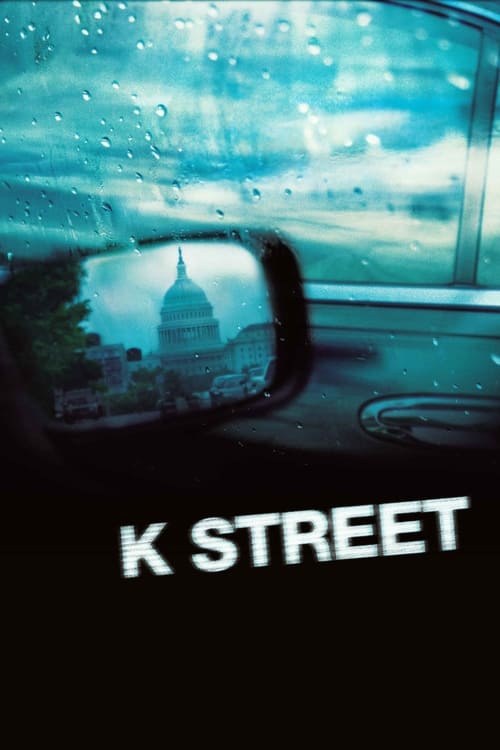
*K Street* was a bold, experimental gamble from HBO and Steven Soderbergh. Blending fiction with real-time politics, it blurred lines with a mockumentary style, featuring actual political figures playing themselves. Its rapid production schedule, reacting to current events, was a logistical nightmare but fascinatingly ahead of its time for serialized storytelling. It aimed for an unprecedented level of verisimilitude, foreshadowing a desire for "realness" that would later define docuseries and on-demand content.
10. Terriers
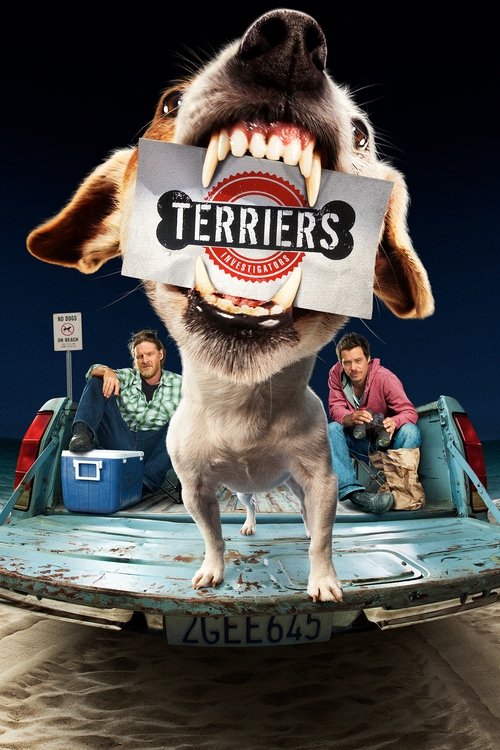
*Terriers* arrived and departed too soon, an absolute gem of a character-driven crime drama from FX. It blended a sunny California noir aesthetic with two deeply flawed, incredibly charming leads whose partnership felt utterly authentic. The serialized mystery was compelling, but it was the rich, lived-in world and the heartbreaking honesty of its characters that truly elevated it. It proved that sometimes the best shows are the ones you have to dig for.