
1 / 10
1. Homicide: Life on the Street
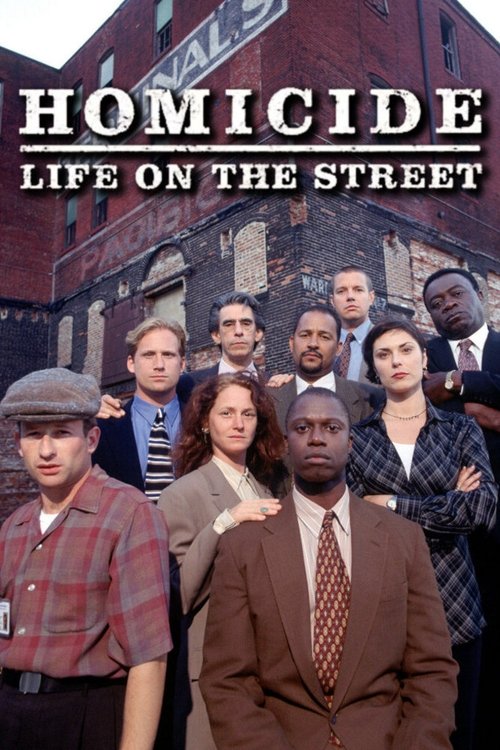
Before everything got sleek, *Homicide: Life on the Street* (1993) on NBC brought a raw, documentary-style grit to network TV. Handheld cameras, overlapping dialogue, and an ensemble cast made Baltimore's homicide unit feel unnervingly real. It wasn't about solving the case neatly; it was about the grind, the moral ambiguities, and the psychological toll. This show really showed network execs what serialized drama could achieve, pushing boundaries long before cable made it cool.
2 / 10
2. Profit
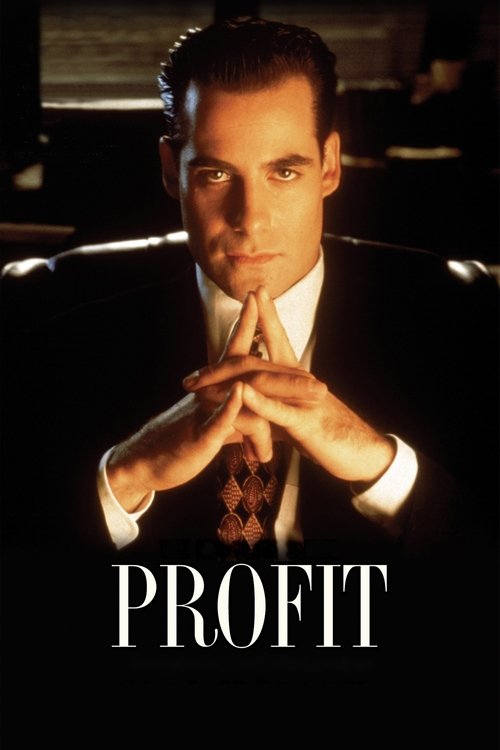
Fox took a swing with *Profit* (1996), a show so dark and cynical it felt like it landed from a different planet. Jim Profit was an anti-hero before the term was even widely used for TV, a corporate shark willing to do anything to climb the ladder, even murder. It was a network drama embracing cable's future: morally twisted, serialized, and unapologetically bleak. Audiences probably didn't know what to do with it, but it pointed the way.
3 / 10
3. Oz
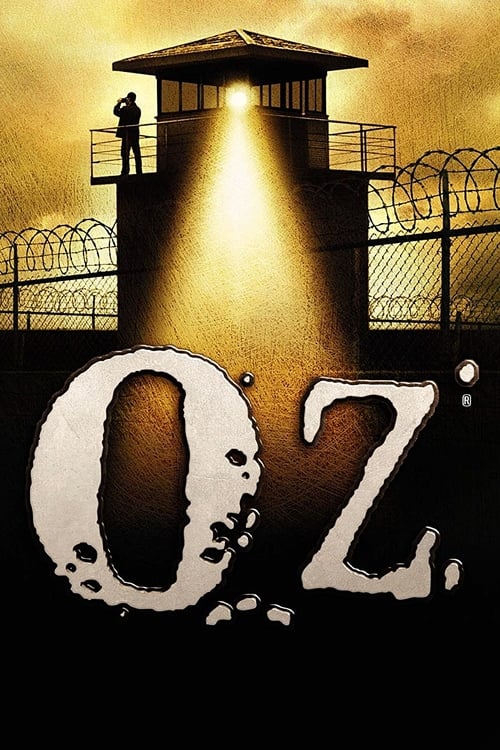
HBO's *Oz* (1997) wasn't just a prison drama; it was a brutal, no-holds-barred statement about what cable television could do. Forget network restrictions; this was serialized storytelling pushing every boundary – violence, sexuality, moral decay. The ensemble cast navigated 'Emerald City' with a raw intensity, making every episode feel dangerous and immediate. It proved that deep, dark, adult themes weren't just for movies anymore; TV could deliver visceral, serialized narratives.
4 / 10

4. Six Feet Under
*Six Feet Under* (2001) was HBO planting its flag in prestige drama, taking a family saga centered around a funeral home. It handled death, grief, and existential dread with a darkly comedic, deeply human touch, all while building out complex, flawed characters over a serialized arc. It wasn't afraid to get weird, emotional, or uncomfortable, solidifying the idea that television could explore the most profound aspects of the human condition with cinematic scope.
5 / 10
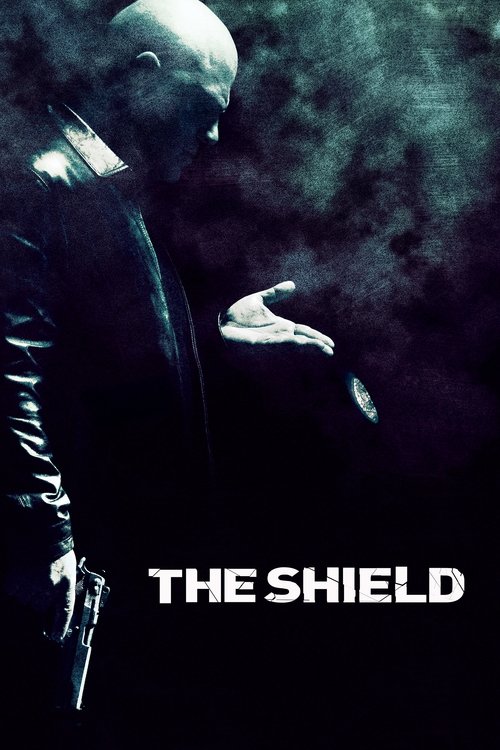
5. The Shield
FX really broke out with *The Shield* (2002), bringing a new kind of anti-hero cop drama to cable. Vic Mackey wasn't just morally gray; he was often outright villainous, yet the show kept you hooked. Its raw, cinematic style and serialized narrative arcs felt fresh, pushing the envelope on police procedurals. It proved that a lesser-known cable channel could produce top-tier, provocative drama that demanded audience attention beyond network expectations.
6 / 10
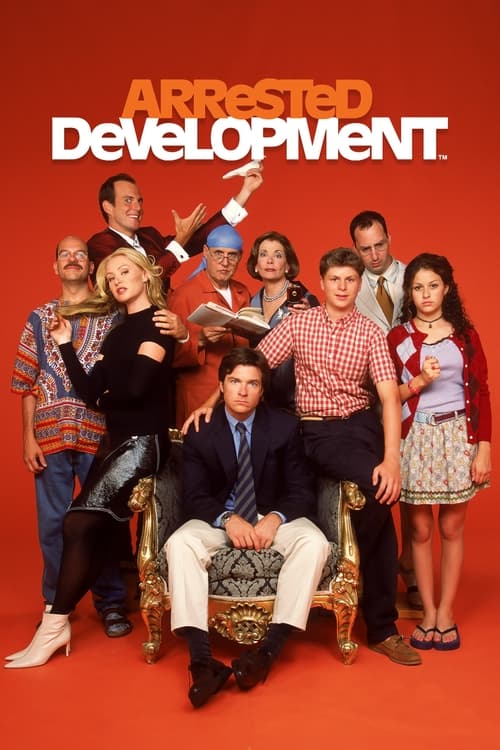
6. Arrested Development
When *Arrested Development* (2003) hit Fox, it was unlike any sitcom on the air. Its mockumentary style wasn't just a gimmick; it was integral to the show's rapid-fire, deeply layered humor, packed with running gags and callbacks. You had to pay attention, and that kind of serialized comedic density felt fresh. It was smart, meta, and built a cult following, proving that complex, unique comedy could find its audience, especially later on-demand.
7 / 10
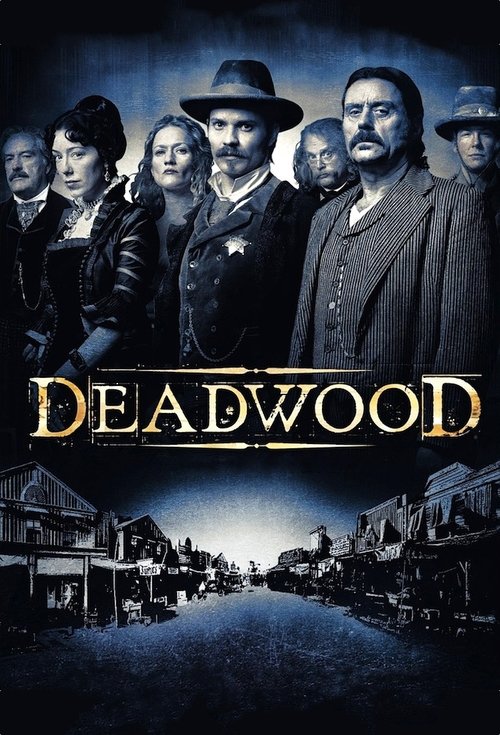
7. Deadwood
*Deadwood* (2004) was HBO going full-tilt Western, but this wasn't your granddad's frontier. It was gritty, profane, and historically rich, with dialogue that felt like Shakespeare if Shakespeare swore like a sailor. The ensemble cast, the meticulous period detail, and the serialized, evolving power struggles within the camp were utterly immersive. It demonstrated that TV could handle a period piece with the ambition and literary quality of a feature film, demanding close attention.
8 / 10
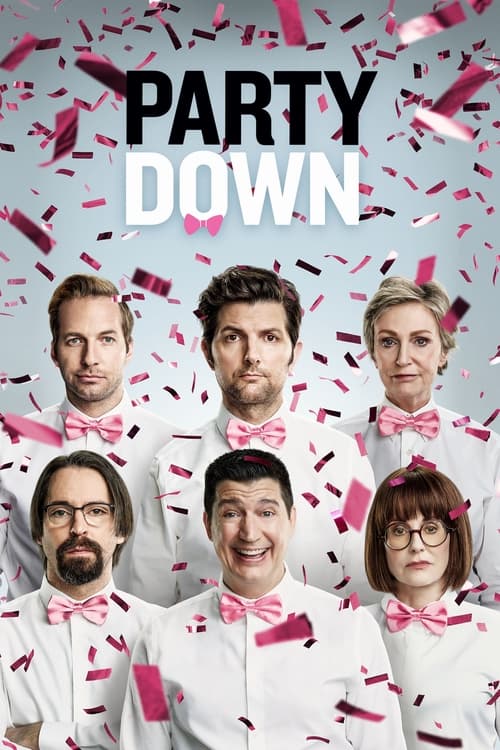
8. Party Down
Starz's *Party Down* (2009) was a quiet gem, a single-camera comedy about caterers in LA that hit an unexpected vein of melancholy. Its ensemble cast delivered sharp, character-driven humor, with each episode feeling like a self-contained story while subtly building serialized arcs. It was smart, understated, and built a loyal cult following who appreciated its blend of workplace ennui and comedic brilliance. It showed how niche, smart comedy could thrive on cable.
9 / 10
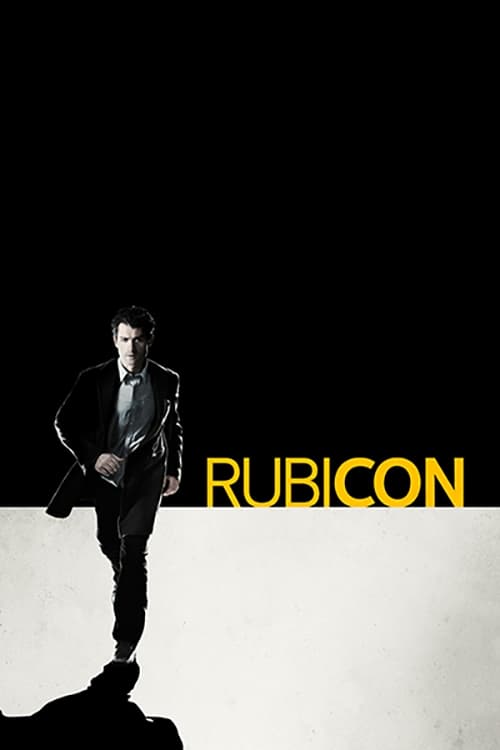
9. Rubicon
AMC, fresh off *Mad Men* and *Breaking Bad*, offered *Rubicon* (2010), a slow-burn conspiracy thriller that demanded patience. It was an intellectual puzzle box, less about action and more about subtle paranoia, code-breaking, and the moral compromises of intelligence work. It felt like a novel unfolding, a serialized narrative that trusted its audience to embrace ambiguity and a deliberate pace, proving that cable could produce thoughtful, challenging dramas without easy answers.
10 / 10

10. Treme
From David Simon, *Treme* (2010) was a post-Katrina New Orleans story, but it wasn't a crime show. It was a sprawling, atmospheric ensemble piece focused on culture, music, and the city's struggle to rebuild. Its serialized narrative was less about plot twists and more about the rhythms of life, community, and resilience. HBO was letting creators tell specific, immersive stories, proving that TV could be a rich, almost documentary-like exploration of a place and its people.