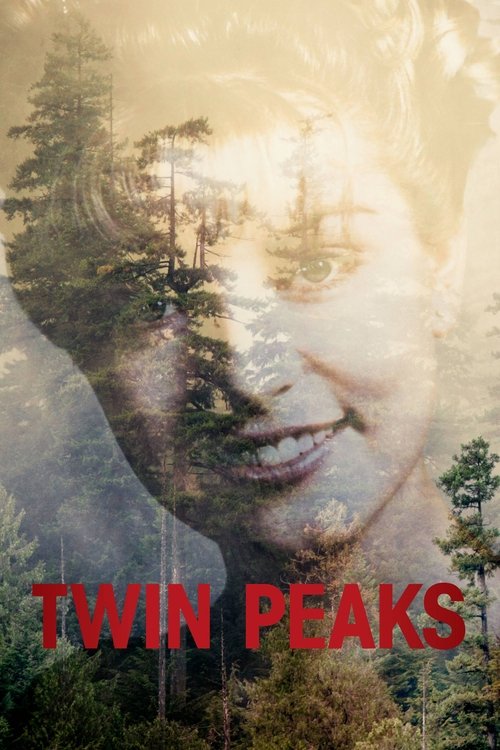
1. Twin Peaks
Before everyone started talking about "cinematic television," there was Twin Peaks. Lynch and Frost dropped this surreal, unsettling mystery onto network TV, proving you could be weird, serialized, and utterly compelling. It wasn't just a show; it was an experience, forcing viewers to lean in, interpret, and accept that not every answer would be handed to them. A true precursor to cable's artistic ambitions.
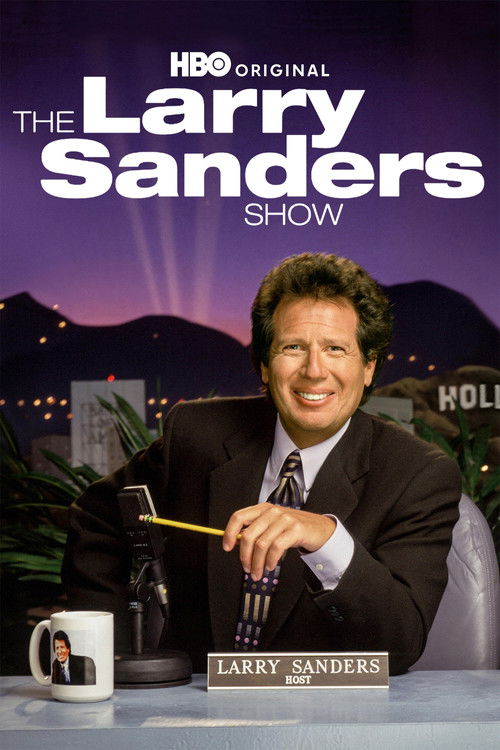
2. The Larry Sanders Show
Larry Sanders perfected the art of looking behind the curtain. This wasn't just a sitcom; it was a painfully accurate, often uncomfortable mockumentary about the egos and anxieties swirling around a late-night talk show. Garry Shandling's genius lay in making the "real" drama feel more authentic than anything else on TV, stripping away the glamour to reveal the petty, insecure humans underneath.
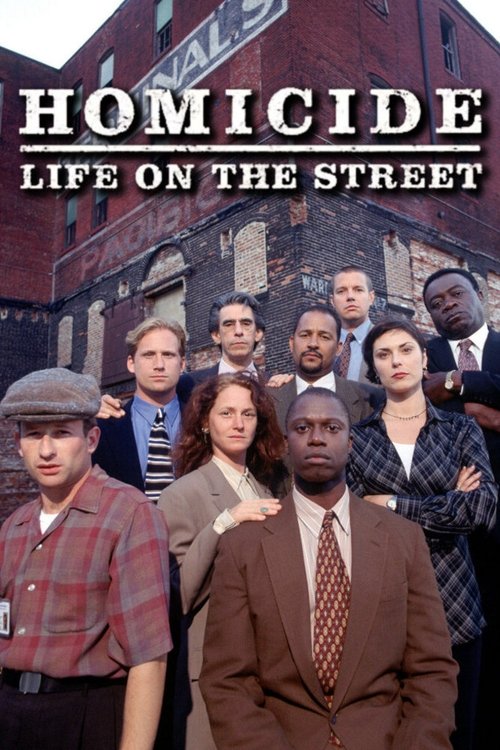
3. Homicide: Life on the Street
Homicide didn't just show police work; it made you feel the grime and the grind of it. With its groundbreaking handheld cameras, jump cuts, and an ensemble cast that felt genuinely lived-in, it shattered the clean, episodic procedural mold. Barry Levinson's vision brought a documentary-like intensity to network television, showcasing serialized character arcs and moral ambiguities that were years ahead of their time.
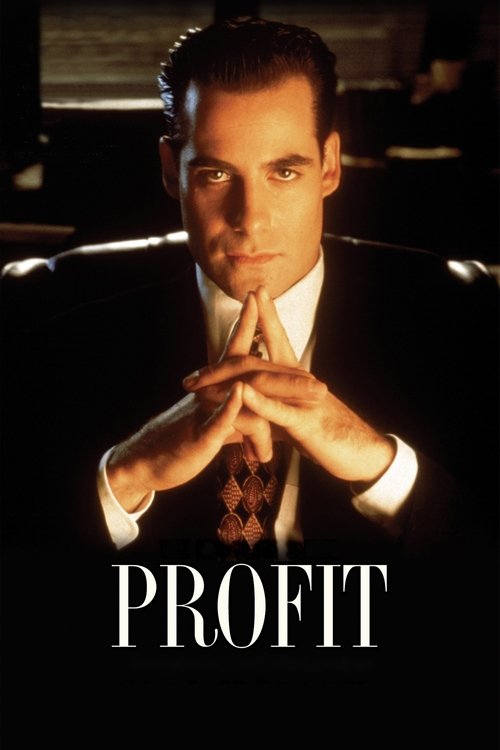
4. Profit
Forget anti-heroes being a recent invention; Jim Profit was manipulating, blackmailing, and backstabbing his way to the top of a corporation back in '96. This was shockingly dark, cynical television for a broadcast network, a brave experiment that pushed the boundaries of what audiences would tolerate. It was too twisted for most, but a clear sign of cable's future daring, packed into an hour of network prime time.
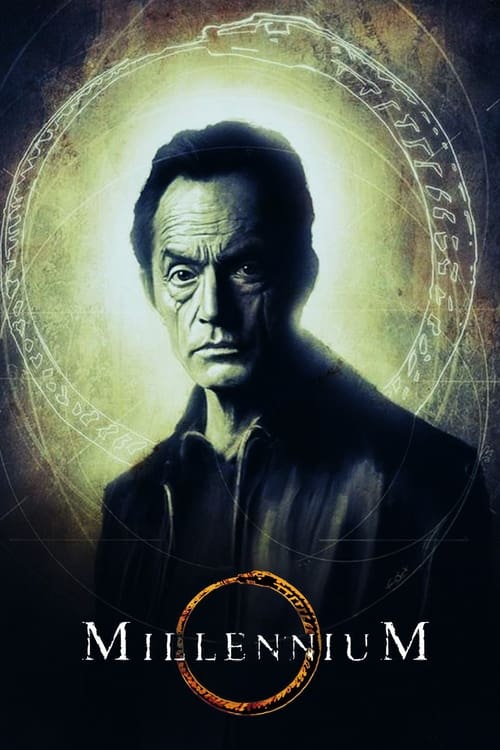
5. Millennium
From the mind behind The X-Files, Millennium plunged into even darker, more unsettling territory. Frank Black's ability to see into the minds of killers made for genuinely disturbing, atmospheric television. It was a serialized journey into psychological horror and nascent Y2K anxieties, proving that complex, often bleak narratives could thrive, even if they sometimes stumbled under the weight of their own ambition.
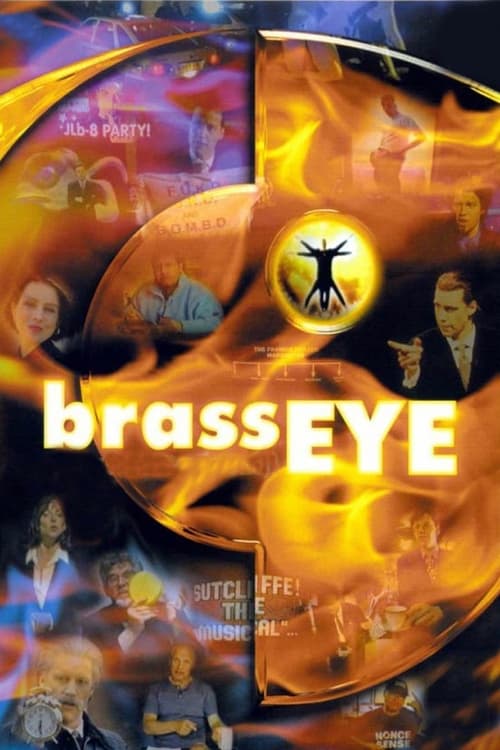
6. Brass Eye
Chris Morris’s Brass Eye was less a show and more an act of television terrorism. It weaponized the mockumentary format for savage, often hilarious, and deeply uncomfortable social satire. Fake news reports, celebrity stunts, and surreal segments exposed hypocrisy and media manipulation with an audaciousness unheard of. It wasn't just edgy; it was a masterclass in provocative, boundary-shattering television.
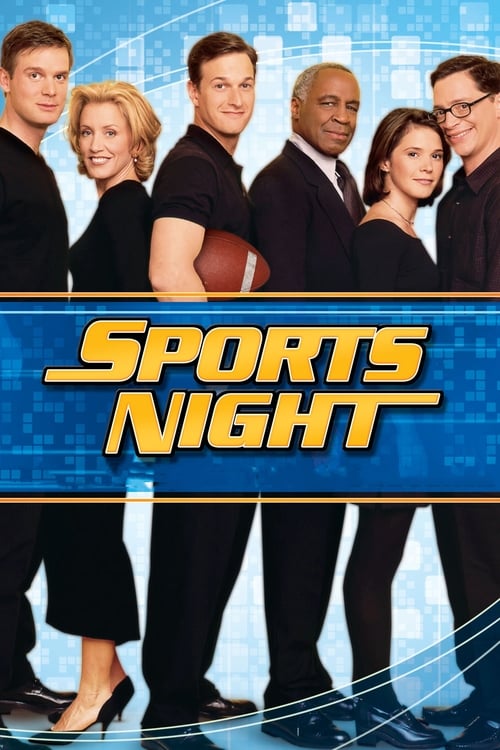
7. Sports Night
Before West Wing, there was Sports Night, a show that proved a workplace comedy could be incredibly smart, sharply written, and genuinely dramatic. Sorkin's signature rapid-fire dialogue and walk-and-talks were perfected here, revealing the complex, often messy lives of people working on a live sports news show. It was a sophisticated dramedy, elevating the sitcom form with its emotional depth and ensemble chemistry.
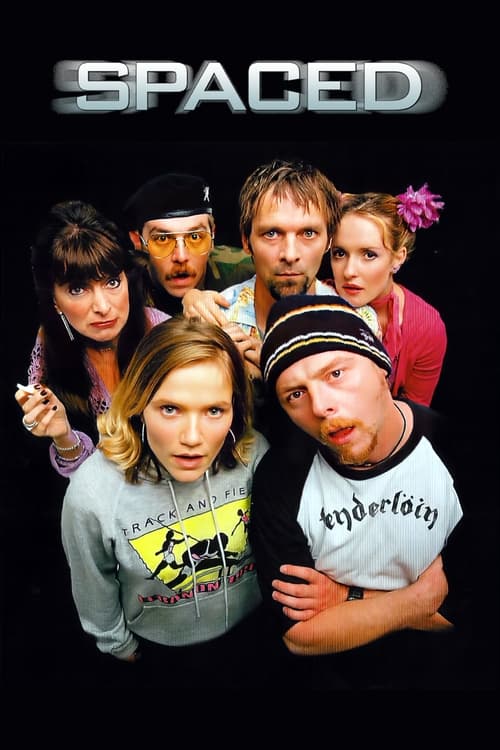
8. Spaced
Spaced wasn't just a sitcom; it was a love letter to pop culture, filtered through a uniquely British, often surreal lens. Edgar Wright's kinetic direction, combined with Simon Pegg and Jessica Hynes's witty writing, created a show brimming with cinematic references, visual gags, and genuine heart. It was a foundational piece for a generation, proving that genre-savvy, visually inventive comedy could be brilliant television.
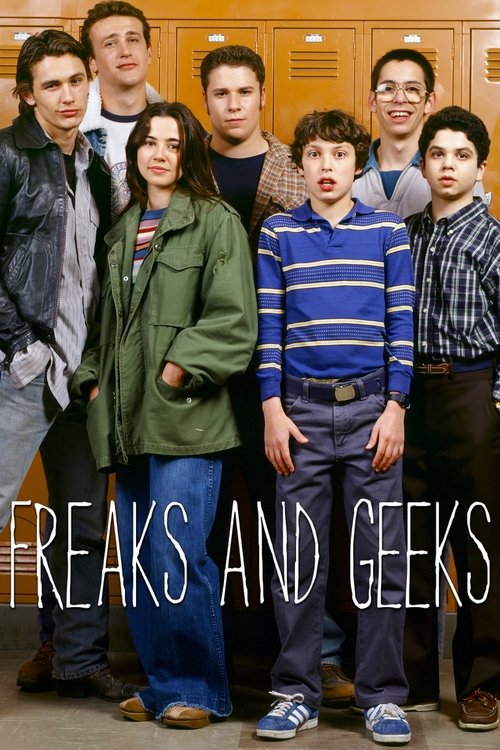
9. Freaks and Geeks
Freaks and Geeks was a beautiful, painful, and utterly authentic portrait of high school awkwardness. Eschewing laugh tracks and typical sitcom tropes, it felt more like an indie film than a network show, focusing on deeply relatable characters and their painfully real struggles. Its single-camera approach and serialized narrative paved the way for a more grounded, character-driven style of comedy-drama.
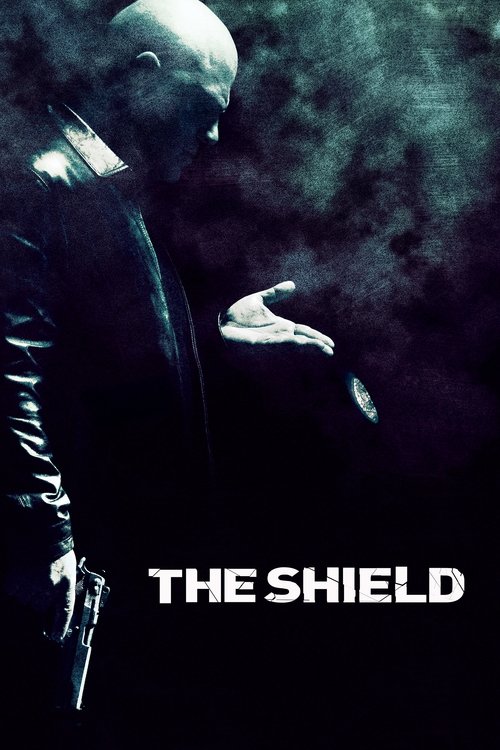
10. The Shield
The Shield wasn't just a cop show; it was a gut punch. Vic Mackey and his Strike Team introduced the world to the cable anti-hero on FX, forcing viewers to confront deeply flawed protagonists making impossible choices. It was raw, unflinching, and serialized crime drama, proving cable networks could deliver complex, morally ambiguous storytelling that broadcast wouldn't dare touch. This was the blueprint for much that followed.