

1 / 10
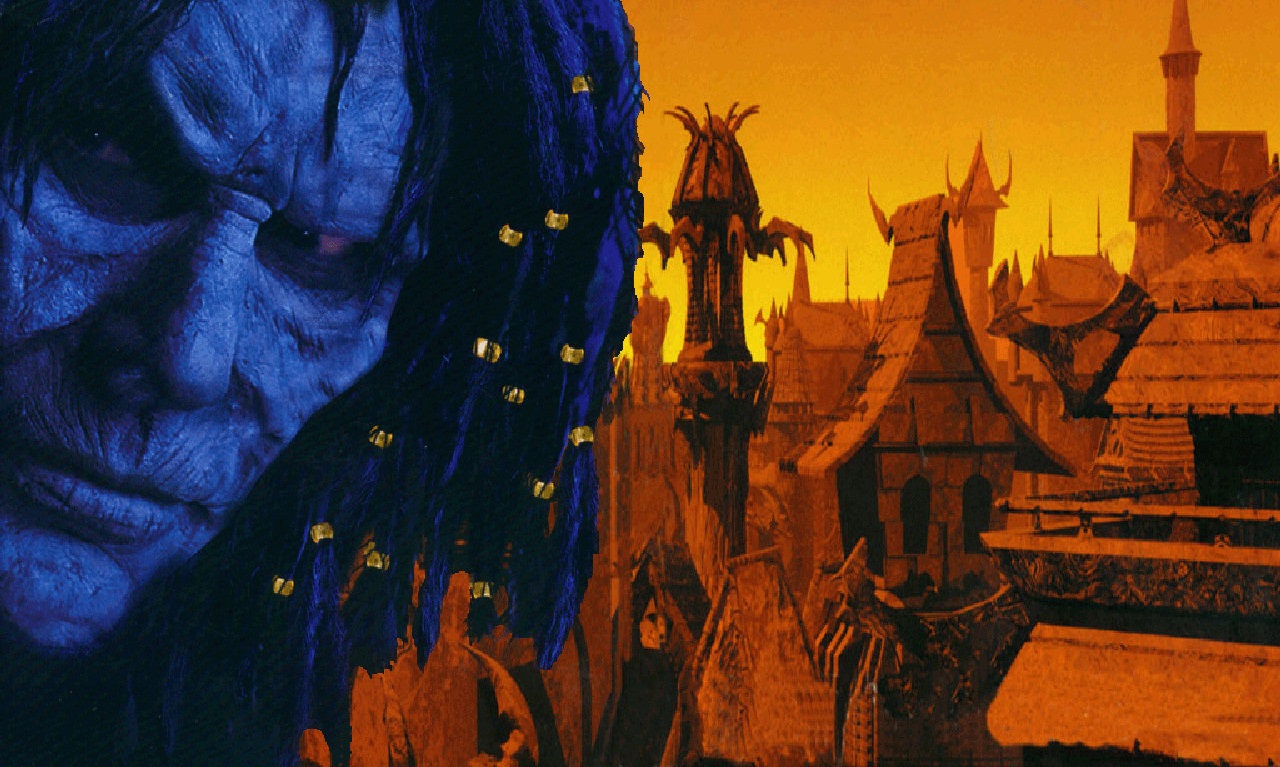
1. Planescape: Torment
This 1999 RPG was never a sales titan, yet its narrative audacity remains unparalleled. It eschewed typical fantasy tropes, focusing on existential philosophy, memory, and identity in a truly bizarre setting. Combat felt secondary; talking and moral dilemmas were king. Its vision, penned by Chris Avellone, forged a legacy that influenced countless story-driven games, proving intellectual depth can resonate far beyond initial commercial success.
2 / 10
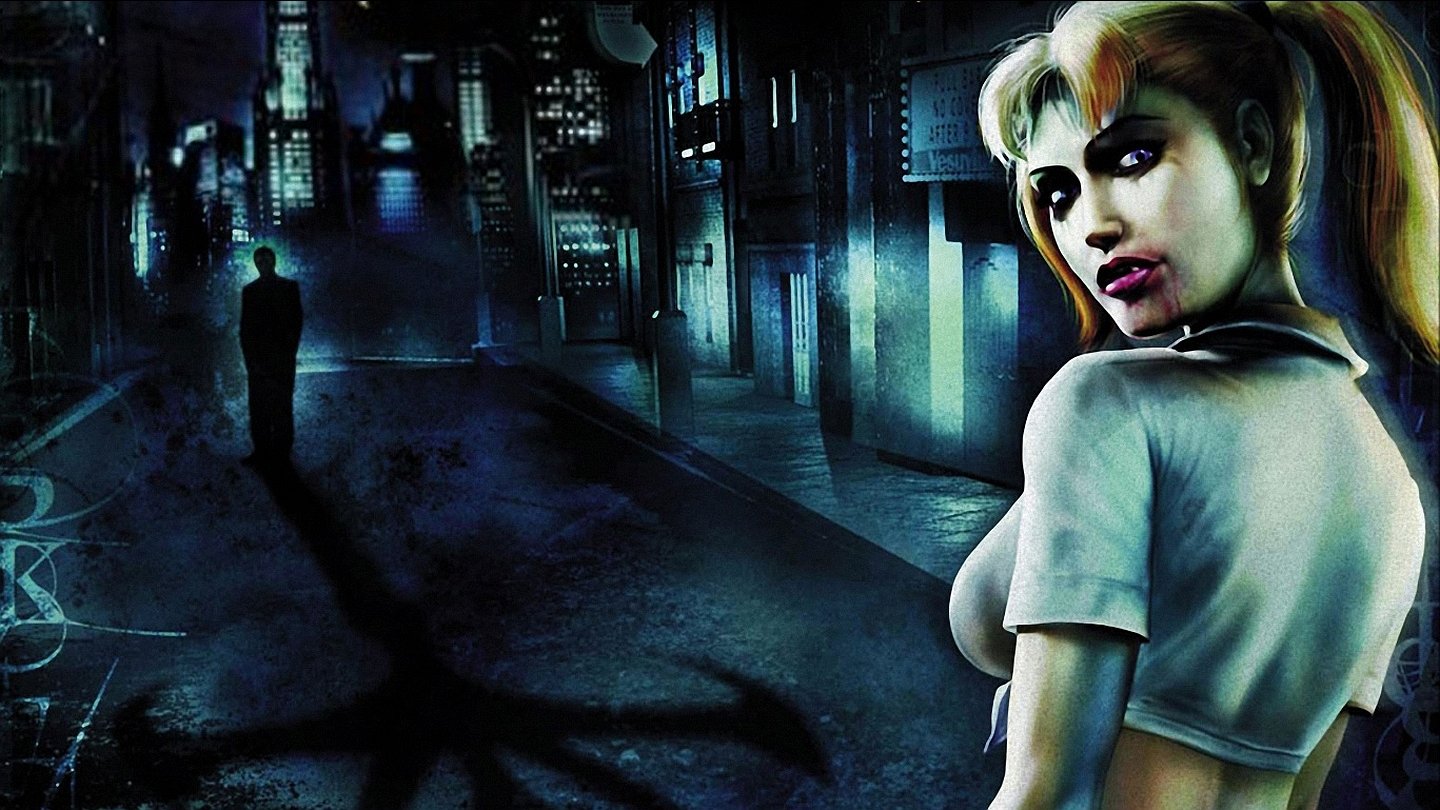
2. Vampire: The Masquerade - Bloodlines
Launched in 2004, Bloodlines arrived notoriously buggy, overshadowed by Half-Life 2. Yet, its rich dialogue, branching choices, and vibrant Los Angeles portrayal, teeming with memorable characters and dark humor, captivated a dedicated following. Troika Games' ambition for a truly reactive RPG experience, despite its technical woes, solidified its cult status. It’s a masterclass in atmosphere and character-driven storytelling, celebrated long after its troubled release.
3 / 10

3. Terranigma
This 1995 Super Famicom action-RPG, never officially released in North America, showcased Enix’s profound storytelling. It tasked players with resurrecting a desolate world, literally watching civilizations evolve. Its poignant narrative, tackling themes of life, death, and human progress, alongside a vibrant world and fluid combat, cemented its place as a hidden gem. The sheer scope of its vision, despite regional limitations, speaks volumes about its enduring appeal among discerning players.
4 / 10
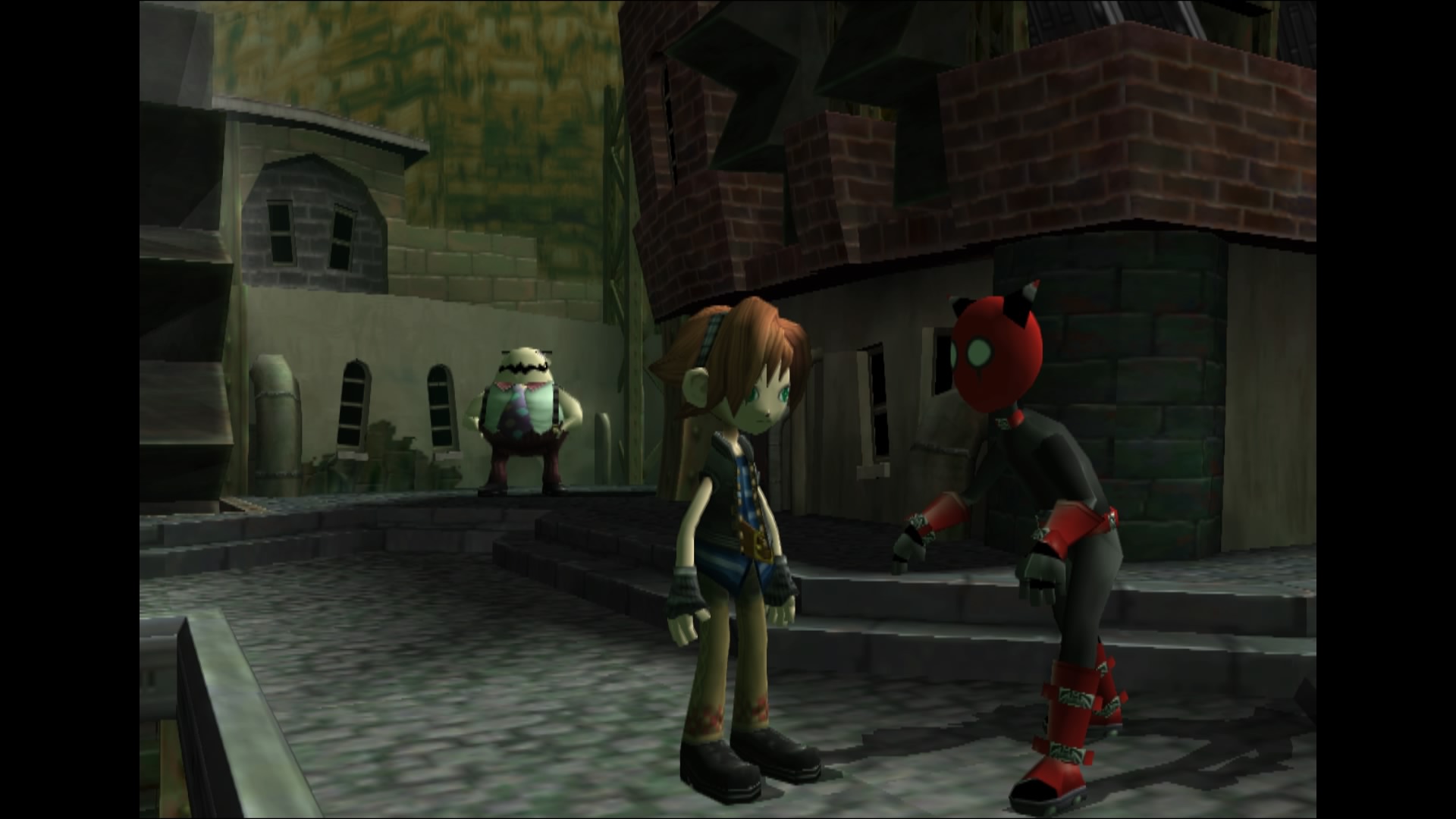
4. OKAGE: Shadow King
A PlayStation 2 JRPG from 2001, Okage didn't chase the mainstream Final Fantasy crowd. Instead, it offered a delightfully quirky, self-aware narrative about a boy possessed by a Great Evil King who's now merely a shadow. Its distinctive, gothic-cartoon art style and sardonic humor were its hallmarks. This game was a testament to embracing unique identity, proving that a strong artistic vision can carve out its own niche, even without blockbuster marketing.
5 / 10
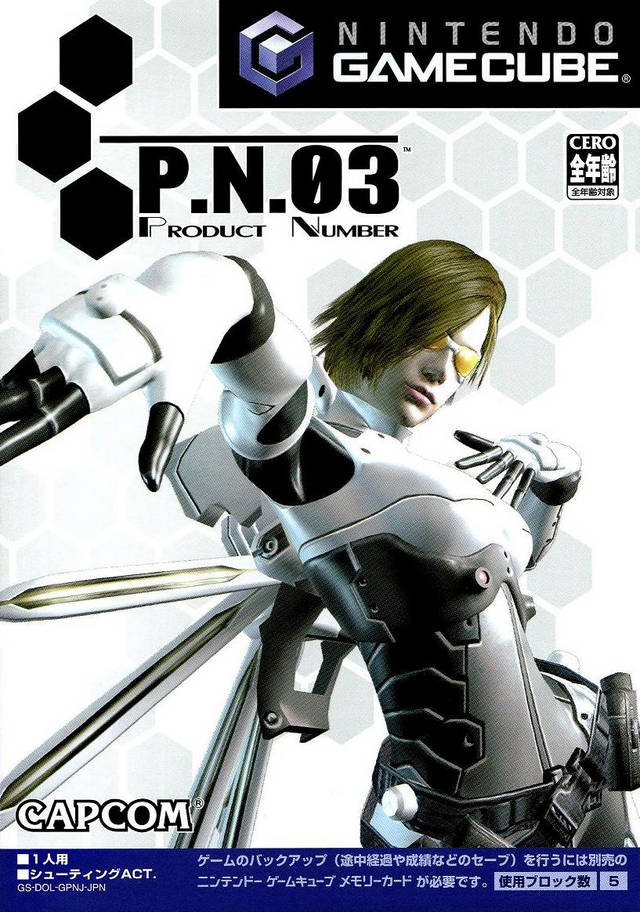
5. P.N.03
Released in 2003 for the GameCube, P.N.03 was a polarizing Shinji Mikami creation. It stripped away narrative fluff, focusing almost entirely on stylish, rhythmic combat and precise movement. Players controlled Vanessa Z. Schneider, executing elaborate dodges and attacks. Critics found it repetitive; fans saw a pure, almost abstract action game. Its uncompromising vision for a dance-like shooter, despite its commercial struggles, highlighted how singular design choices can create a distinct, if niche, experience.
6 / 10
6. Shadows of the Damned
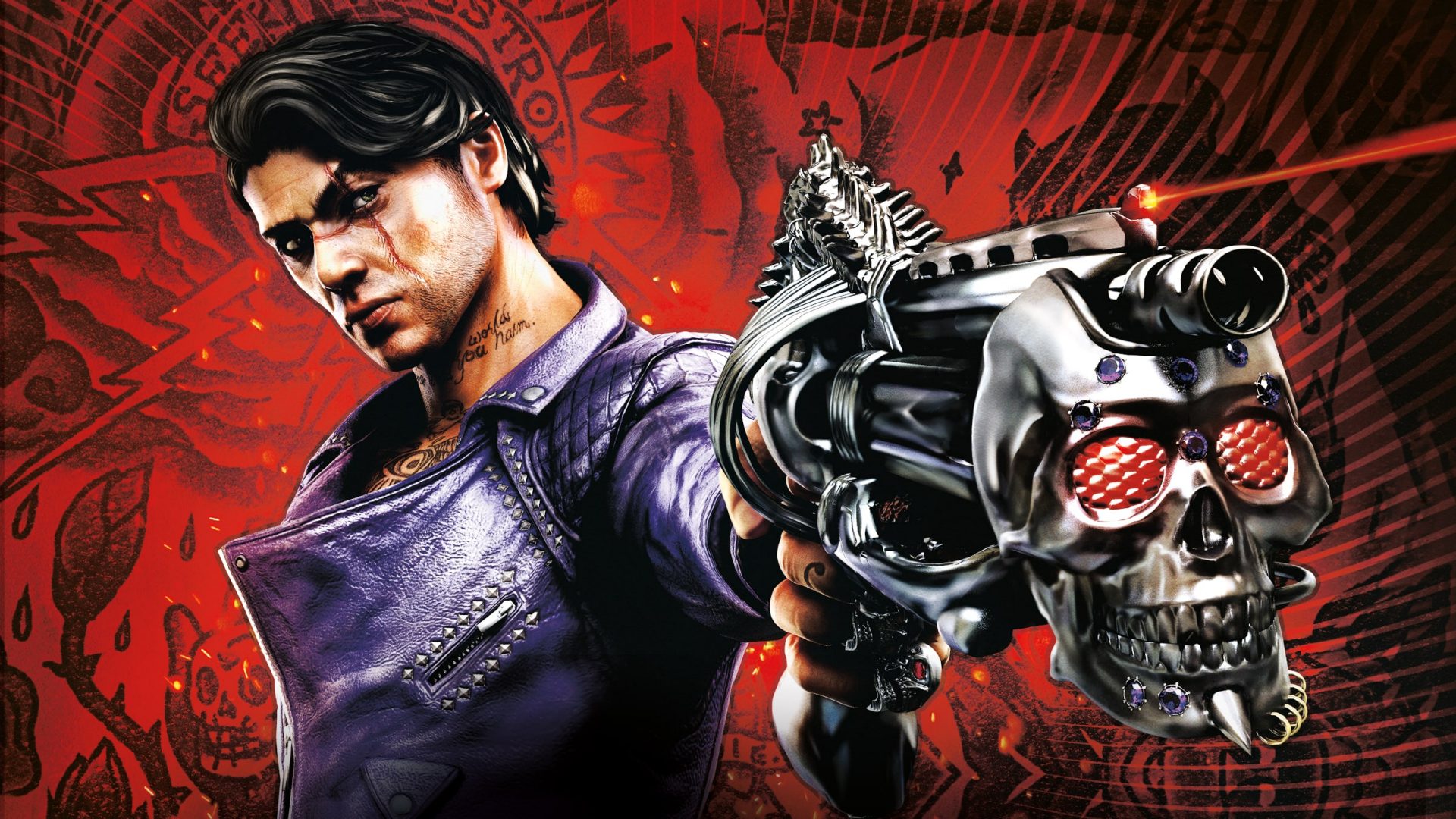
Goichi Suda and Shinji Mikami’s 2011 collaboration for PS3 and Xbox 360 was a bizarre, often hilarious journey through a demon-infested underworld. It blended third-person shooting with grotesque humor, phallic weaponry, and a punk-rock sensibility. Despite a modest marketing push, its unique aesthetic and unapologetic strangeness resonated deeply with those seeking something truly unconventional. This game demonstrated that an uninhibited creative vision can forge a memorable identity, even in a crowded genre.
7 / 10
7. The Darkness II
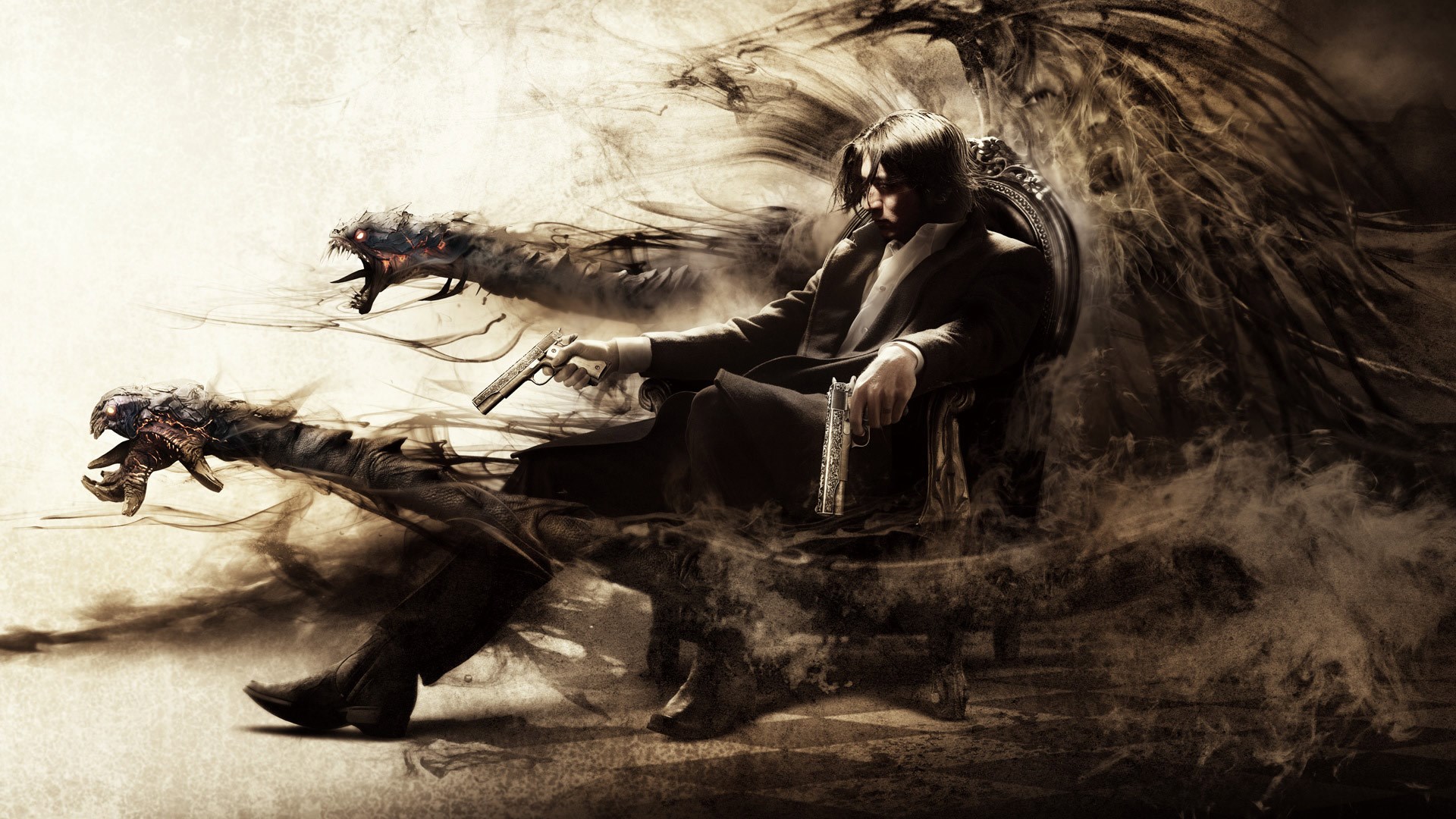
Released in 2012, this sequel for PS3, Xbox 360, and PC took the original's gritty premise and amplified it with a striking cel-shaded art style and "quad-wielding" combat. Jackie Estacado could shoot, slash, and use his demon arms simultaneously, creating a visceral, empowering experience. While it didn't redefine the shooter genre, its commitment to a distinct visual flair and satisfying, over-the-top mechanics showcased a clear, refined vision for its specific brand of mayhem.
8 / 10
8. Dragon's Dogma
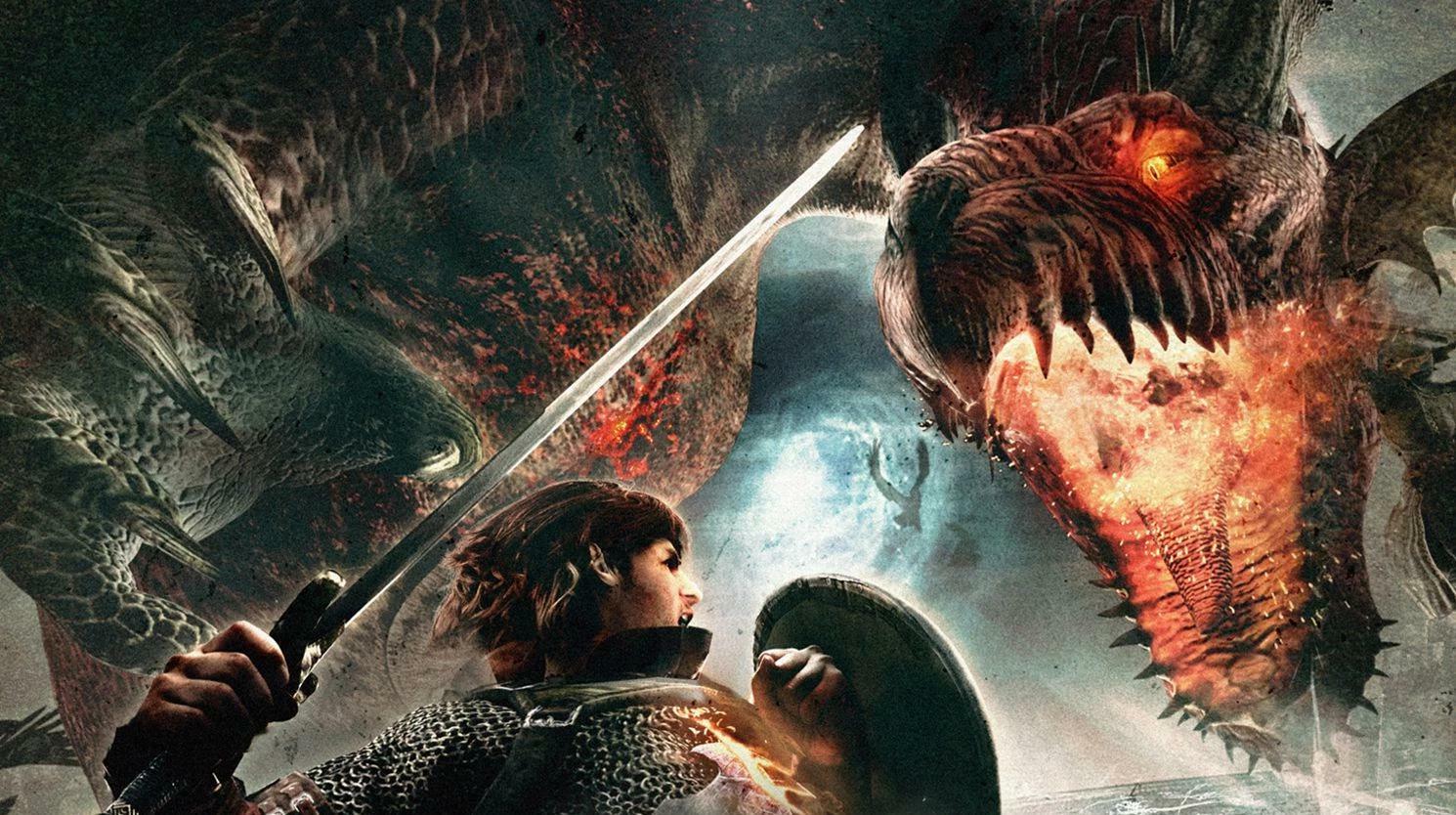
Capcom’s 2012 action RPG for PS3 and Xbox 360 largely flew under the radar compared to its Western counterparts. Yet, its innovative "Pawn" system, where AI companions learn from player actions and other players, was revolutionary. Combined with epic monster climbing mechanics and a robust combat system, it offered a unique take on open-world fantasy. Its distinct design choices, though not always perfectly executed, demonstrated a bold vision for player interaction and emergent gameplay.
9 / 10
9. Binary Domain
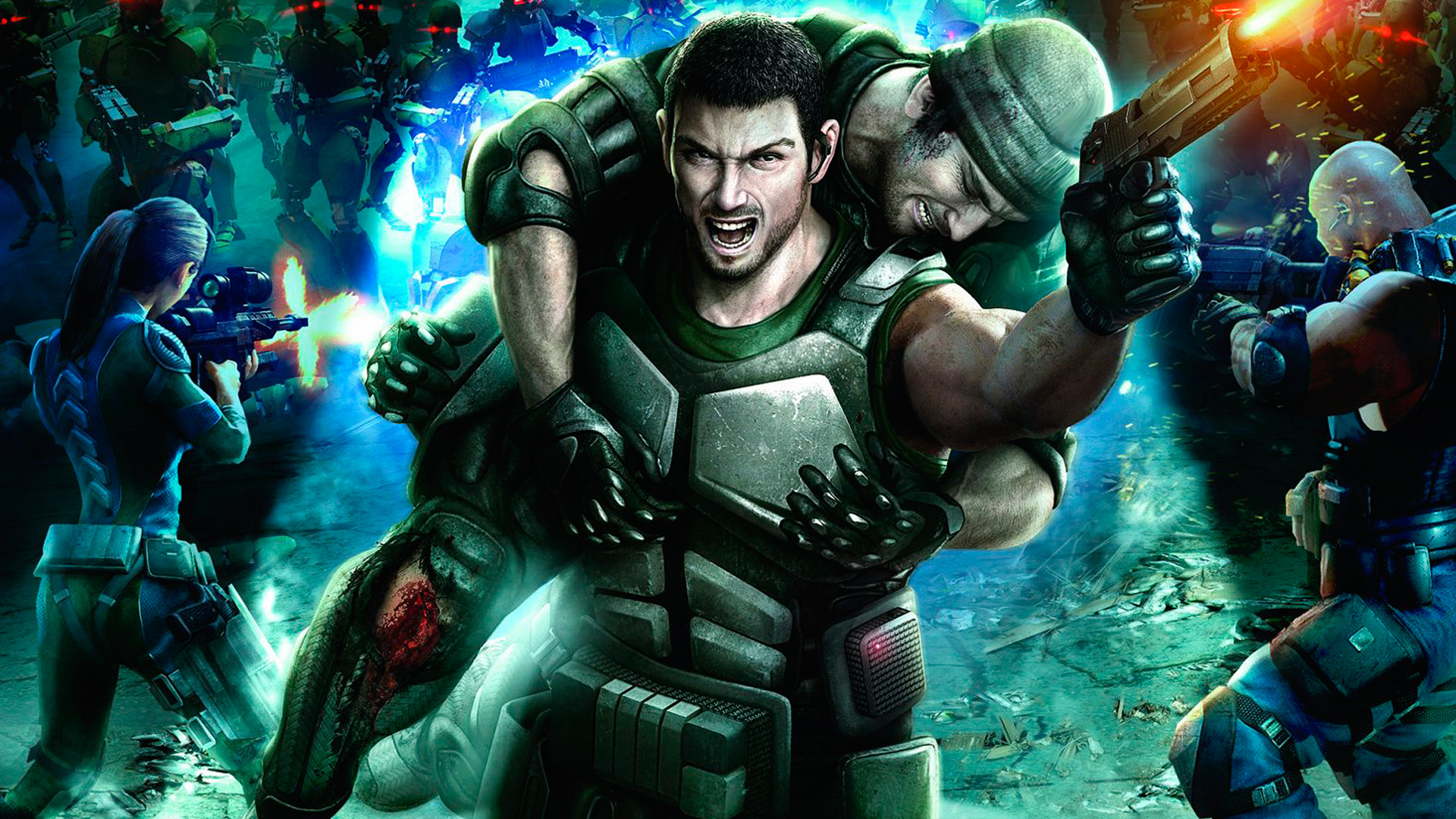
Released in 2012, this Sega shooter for PS3, Xbox 360, and PC struggled to gain traction amidst heavy competition. Yet, it featured a surprisingly compelling narrative about humanity vs. rogue AI, an innovative "consequence system" affecting NPC trust, and destructible robots. Its vision for a character-driven, squad-based shooter with a strong sci-fi story, despite its commercial woes, stands out as an ambitious attempt to marry narrative depth with satisfying third-person action.
10 / 10
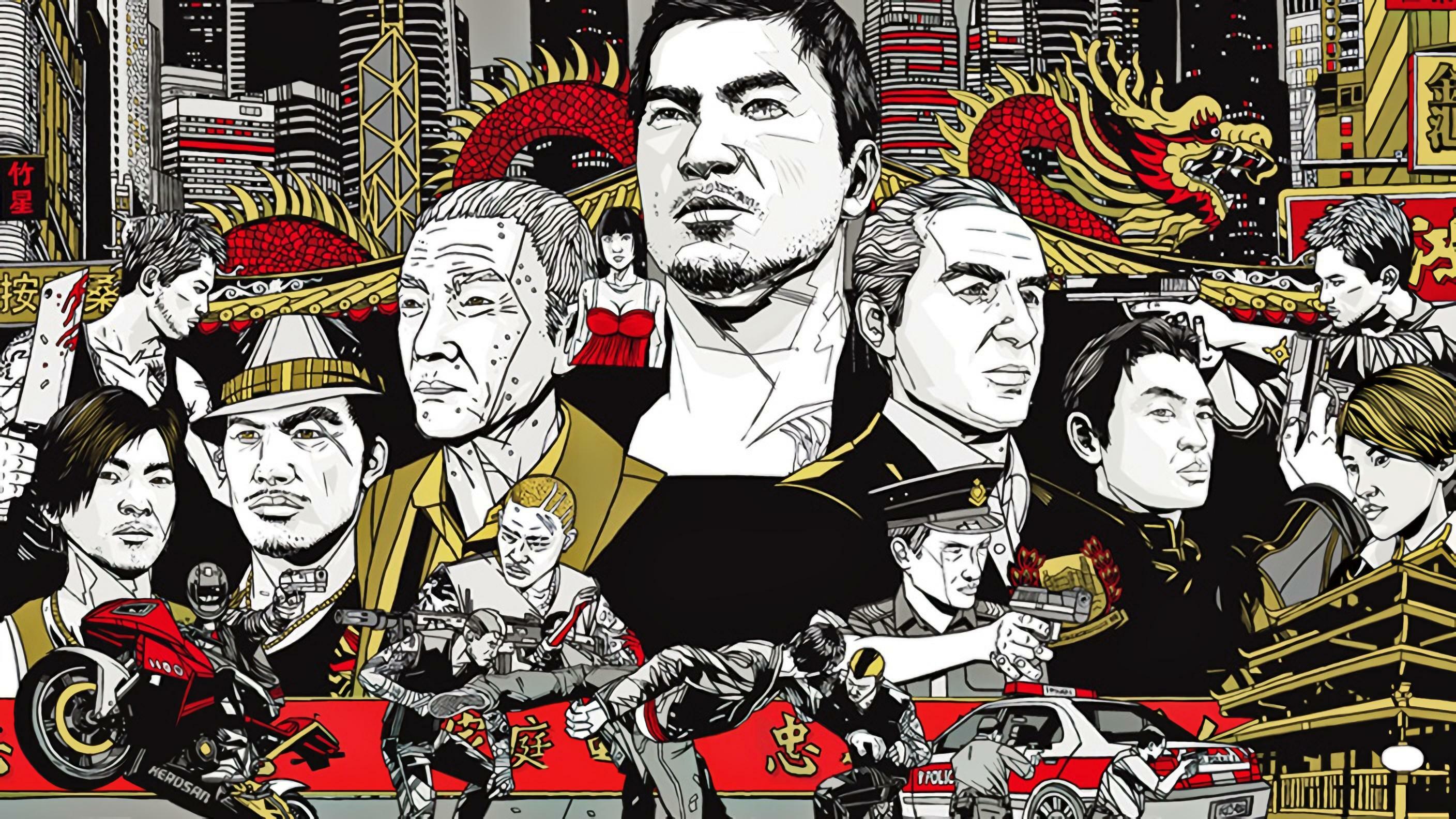
10. Sleeping Dogs
This 2012 open-world action game, originally conceived as a True Crime sequel, became something far more unique after Square Enix acquired it. Set in a vibrant, crime-ridden Hong Kong, it blended martial arts combat, intense car chases, and a compelling undercover cop narrative. It offered a distinct flavor compared to its GTA contemporaries, proving that a strong sense of place and focus on specific gameplay mechanics, even without a massive marketing budget, can create a beloved experience.