
1 / 10
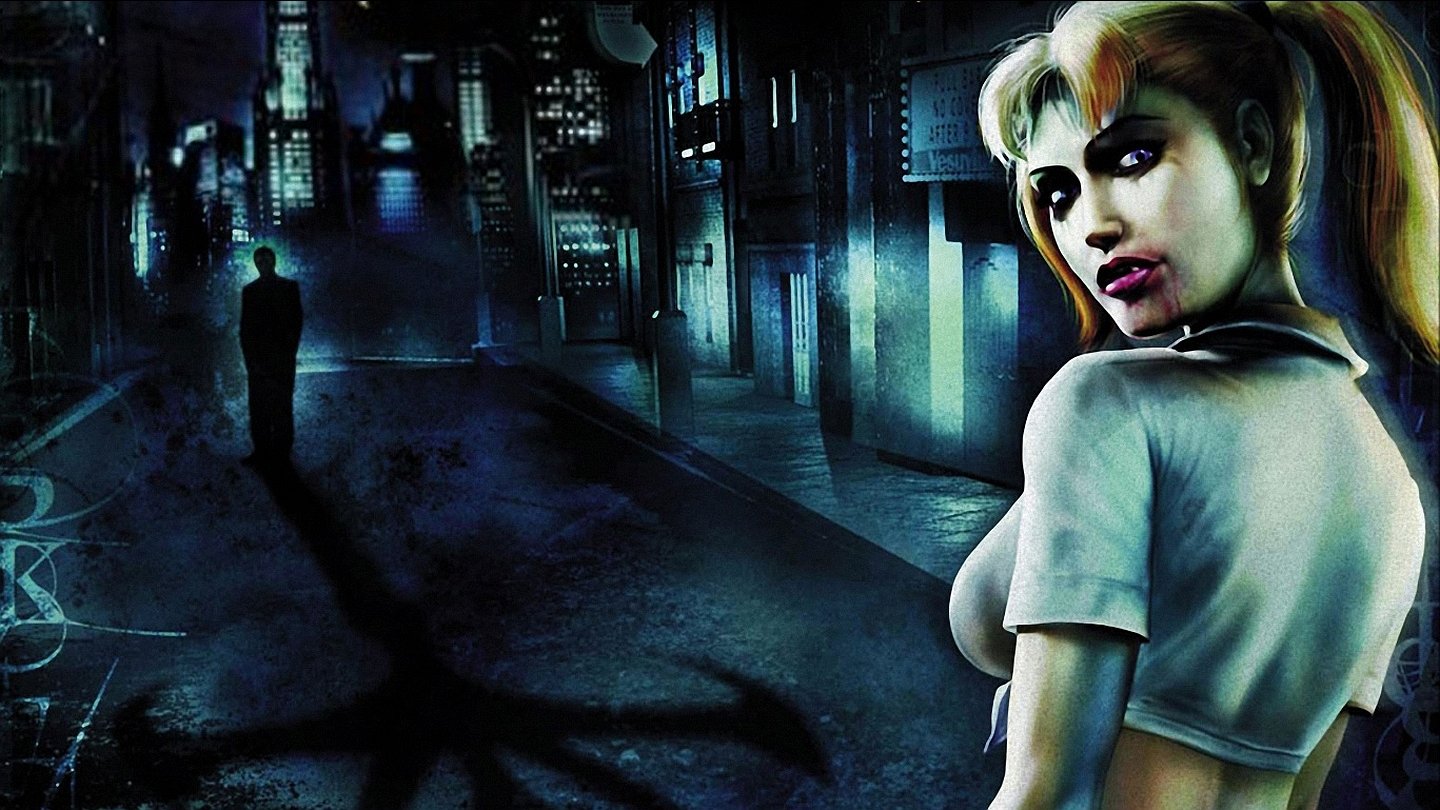
1. Vampire: The Masquerade - Bloodlines
This game was a glorious mess at launch, a testament to ambition exceeding budget and time. Yet, its intricate narrative, unparalleled choice and consequence, and a truly immersive Los Angeles underbelly cemented its place. Few games since have captured the dark allure and moral ambiguity of the World of Darkness with such raw, compelling character writing and branching paths. It's a foundational text for narrative RPGs.
2 / 10
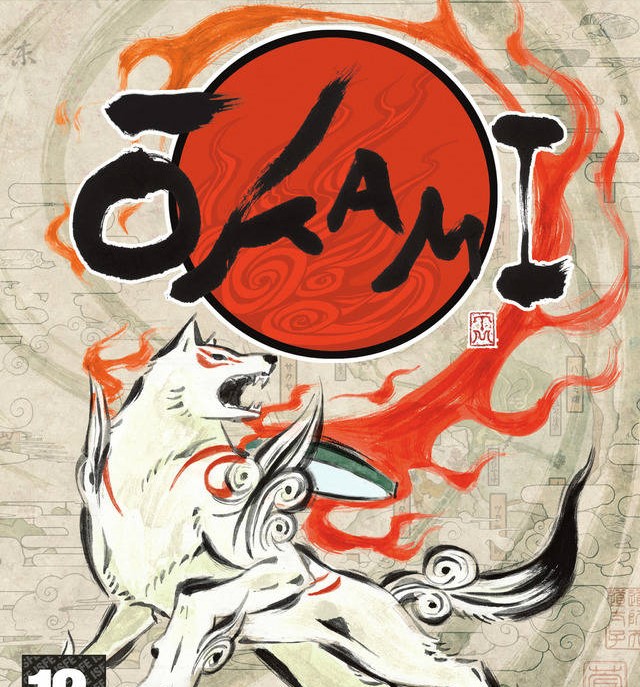
2. Okami
Okami, with its breathtaking sumi-e art style and engaging Celestial Brush mechanics, presented a vision of action-adventure that felt both ancient and fresh. It reimagined Japanese folklore into an epic, vibrant journey. While overlooked initially, its artistic integrity and innovative gameplay design, coming from the tragically short-lived Clover Studio, proved that truly unique experiences can endure, influencing subsequent generations of stylized action games.
3 / 10
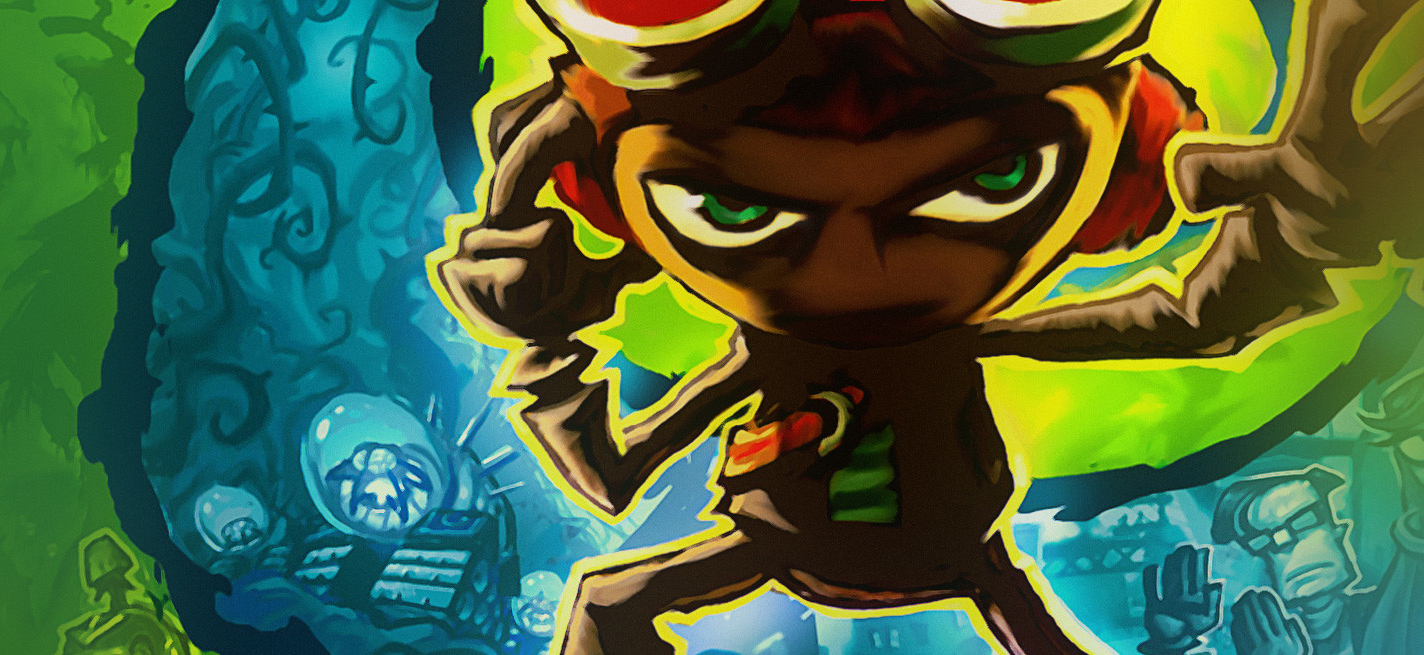
3. Psychonauts
Tim Schafer's Psychonauts was a bold foray into the subconscious, a platformer where levels were literal mental landscapes. Its imaginative character designs, razor-sharp humor, and empathetic exploration of psychological themes were groundbreaking. The game's vibrant creativity, despite its initial commercial struggles, carved out a niche for games that dared to be genuinely weird and heartfelt, proving that platforming could be a vehicle for profound storytelling.
4 / 10
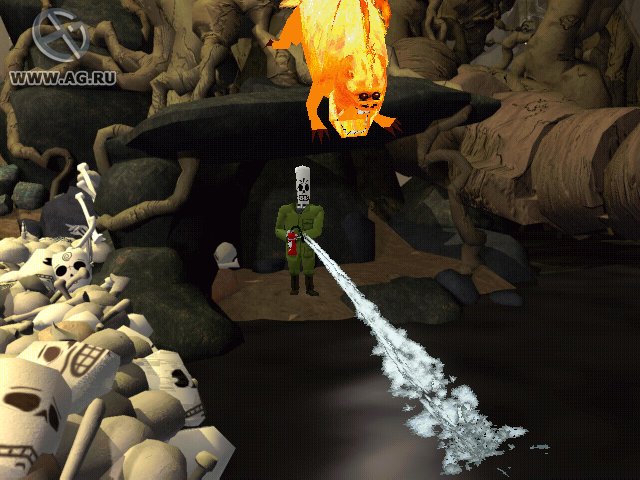
4. Grim Fandango
Grim Fandango, a high-water mark for LucasArts’ adventure games, fused film noir with Mexican folklore in a vision of the afterlife. Its witty dialogue, intricate puzzles, and unforgettable characters, rendered in that distinct art deco style, created an atmosphere unlike anything before or since. Though a commercial disappointment then, its narrative brilliance and artistic ambition solidified its legacy as a cornerstone of interactive storytelling, influencing countless narrative-driven experiences.
5 / 10
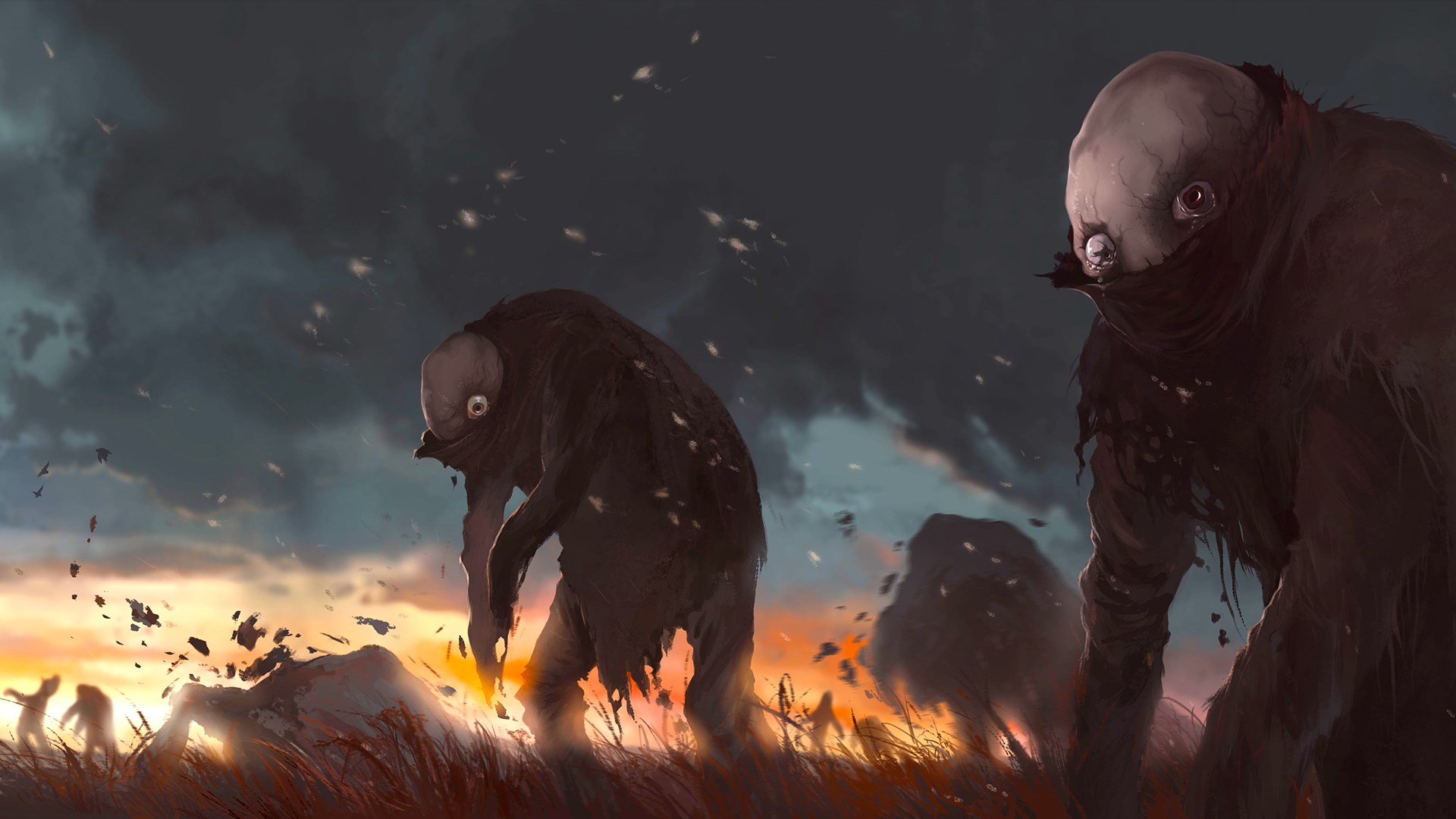
5. Pathologic 2
Pathologic 2 isn't just a game; it's an experience designed to make you suffer, question, and ultimately understand. This brutal survival horror RPG, set in a plague-ridden town, thrives on its oppressive atmosphere, moral dilemmas, and narrative ambiguity. It pushes the boundaries of player agency and consequence, proving that games can be profoundly uncomfortable and challenging, yet deeply rewarding, forcing reflection on the nature of suffering and choice.
6 / 10

6. Spec Ops: The Line
Spec Ops: The Line took the familiar military shooter template and utterly dismantled it. It wasn't about heroics; it was a brutal, unflinching examination of the psychological toll of war and the player's complicity in violence. Its narrative, inspired by *Heart of Darkness*, cleverly manipulated expectations, exposing the dark underbelly of the genre. This game remains a stark, uncomfortable benchmark for narrative depth and self-critique in a genre often devoid of it.
7 / 10
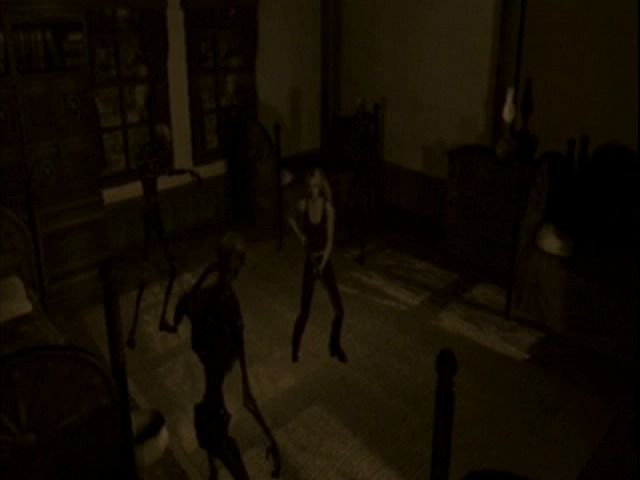
7. Eternal Darkness: Sanity's Requiem
Eternal Darkness was a masterclass in psychological horror on the GameCube. Its innovative "Sanity Effects" system actively messed with the player's perception, creating illusions and even pretending to corrupt saves. This meta-narrative approach, combined with a sprawling, multi-era cosmic horror story, proved that games could genuinely unsettle players by blurring the lines between fiction and reality, influencing subsequent horror titles to experiment with breaking the fourth wall.
8 / 10
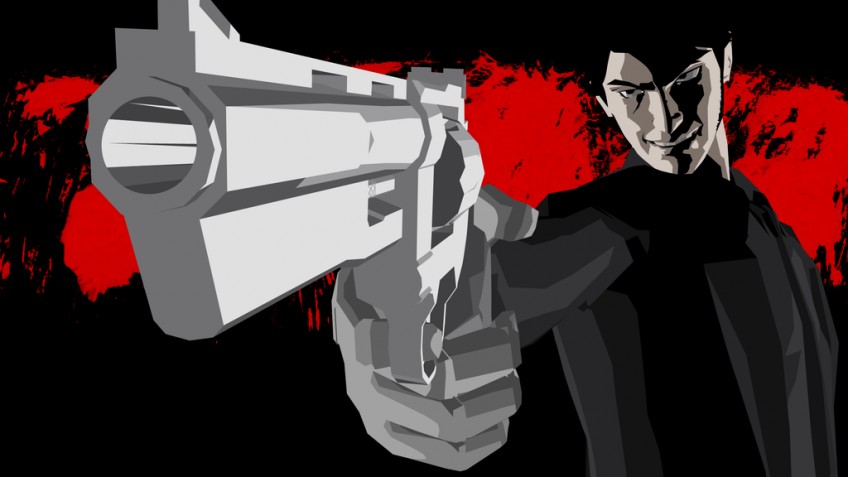
8. killer7
Suda51's killer7 was a fever dream made playable, a cel-shaded, on-rails shooter that defied genre conventions. Its bizarre narrative, fragmented storytelling, and stark, stylized visuals created an experience that was polarizing yet undeniably unique. This game was a loud declaration that games could be artful, abstract, and deeply experimental, even if they alienated mainstream audiences. It carved a path for creators unafraid to push artistic boundaries.
9 / 10
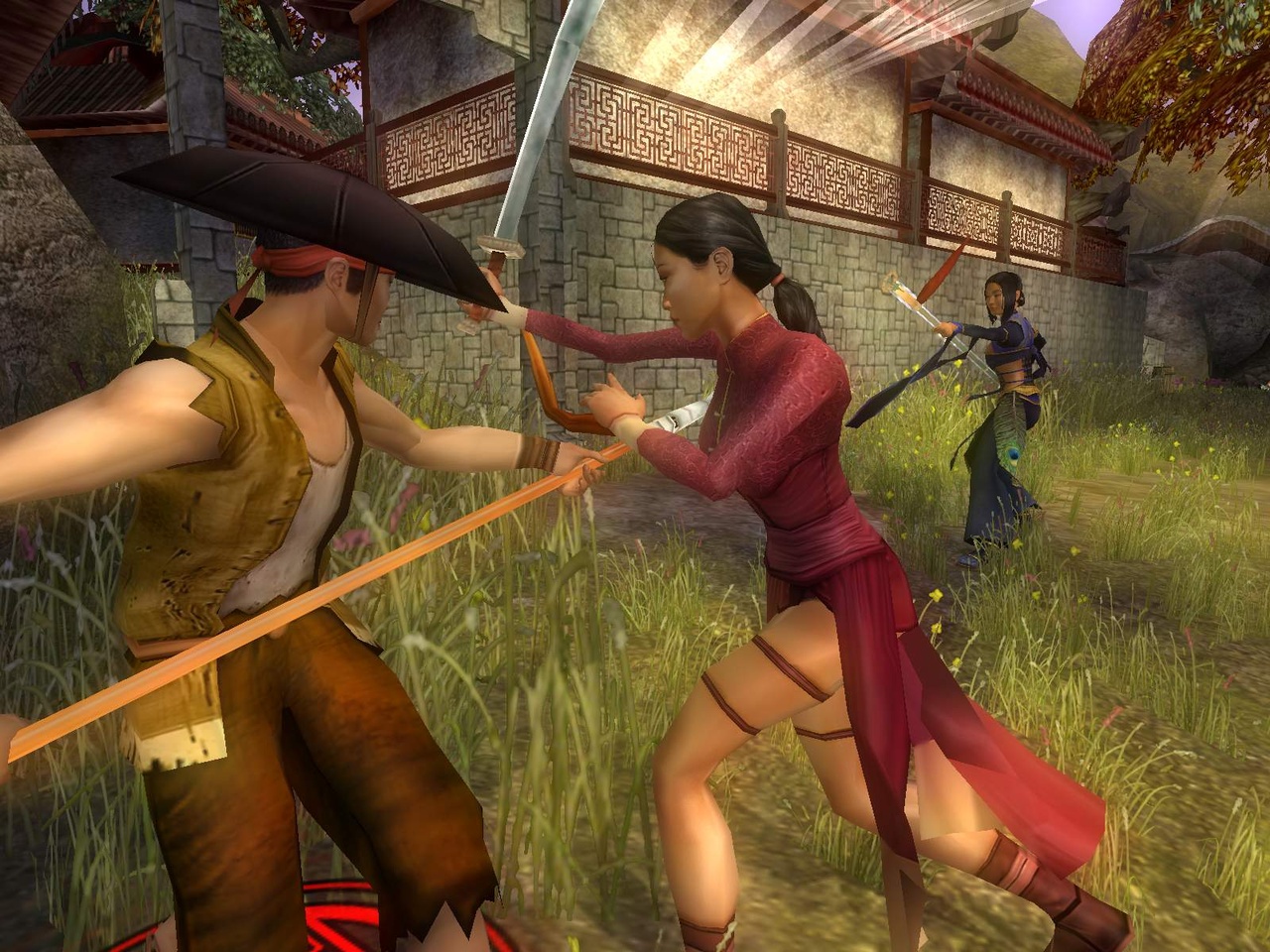
9. Jade Empire
BioWare’s Jade Empire offered a refreshing departure from Western fantasy, immersing players in a vibrant Wuxia-inspired world. Its blend of real-time combat and a compelling narrative, driven by the "Open Palm" versus "Closed Fist" morality system, showcased BioWare's storytelling prowess within a unique cultural tapestry. This game demonstrated the potential for RPGs to explore diverse mythologies and offered a distinct flavor that still stands out in the genre.
10 / 10
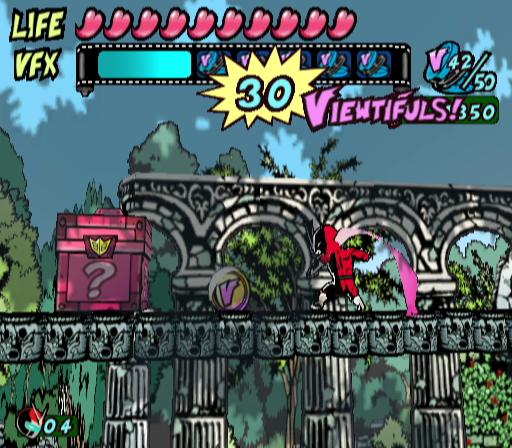
10. Viewtiful Joe (2003)
Viewtiful Joe (2003) was a lightning bolt of pure, stylized action. Its cel-shaded graphics, over-the-top superhero aesthetic, and innovative VFX powers like "Slow" and "Mach Speed" made every encounter a kinetic puzzle. This game, another gem from Clover Studio, was a masterclass in challenging, rewarding combat design, proving that character action games could blend impeccable style with deeply satisfying, skill-based gameplay, setting a high bar for the genre.