1. Max Headroom
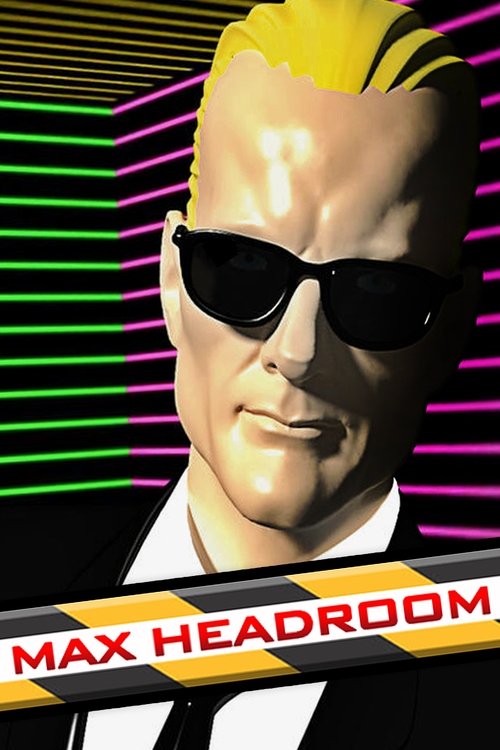
That glitchy digital face, man. Max Headroom was pure '80s anxiety coded into a pop culture icon. It was a cynical look at TV itself, wrapped in neon and buzzing with proto-cyberpunk energy. The fractured editing, the stuttering dialogue – it felt like a broadcast signal hijacking your brain. And the practical effects for Max? Pure genius, blurring the line between human and machine, predicting so much of our digital future. It was ahead of its time, no doubt.
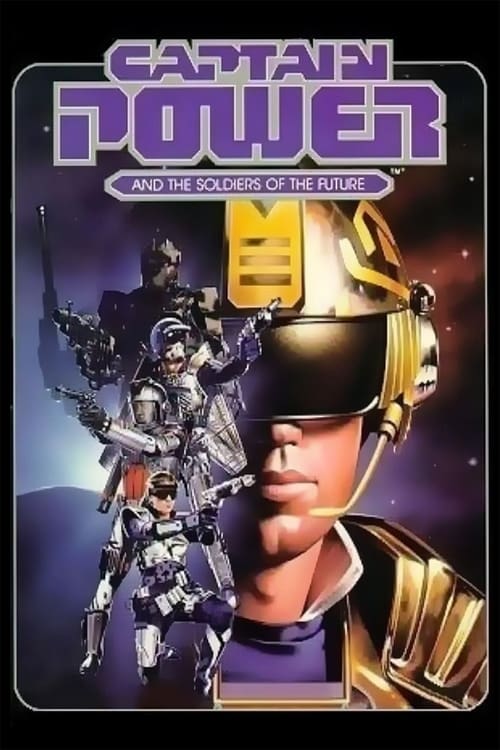
2. Captain Power and the Soldiers of the Future
Captain Power was *dark*, especially for a show with toys. This wasn't Saturday morning fluff. It threw you into a grim, post-apocalyptic future where machines ruled and humanity was hunted. The hybrid live-action and early CGI, clunky as it was, gave it this raw, desperate feel. And those interactive toys? Wild, man. It tried to pull you right into the bleakness, making you a part of the resistance against the Machine Empire.
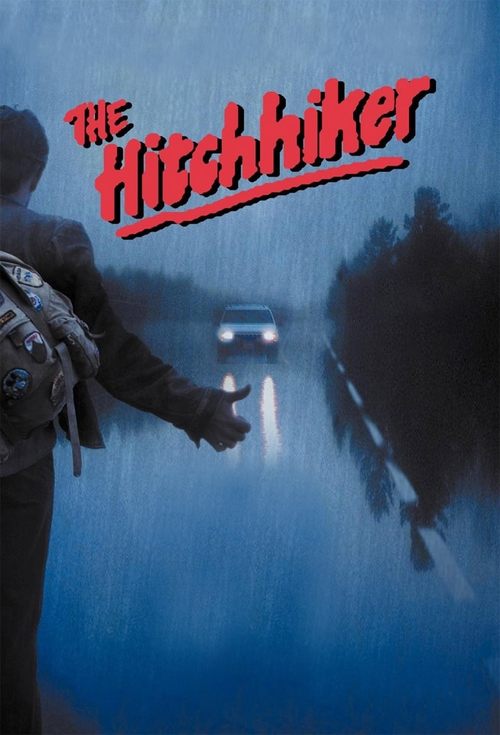
3. The Hitchhiker
HBO was wild back then, and The Hitchhiker was proof. This anthology was pure late-night cable grit, a shadowy figure introducing twisted tales of desire, betrayal, and consequence. It wasn't about happy endings; it was about the dark corners of human nature, often with a sleazy, erotic edge. The low-budget, atmospheric vibe made every story feel like a whispered secret you shouldn't be hearing. Definitely pushed boundaries.
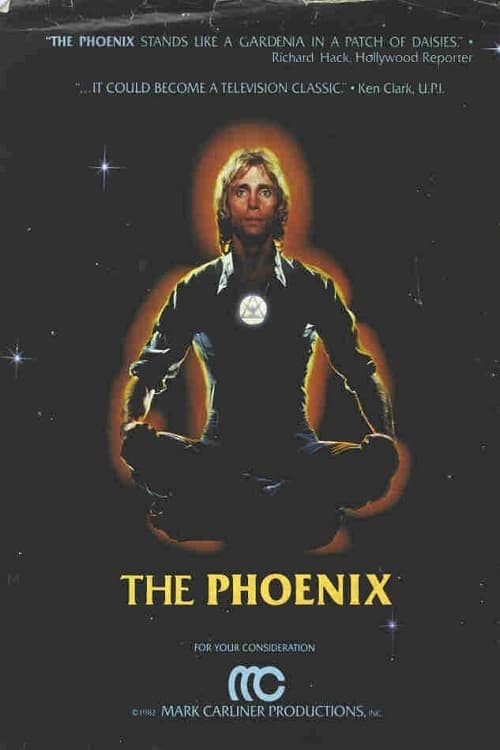
4. The Phoenix
Before every other show had an alien, there was The Phoenix. An ancient astronaut waking up in modern L.A. with telekinetic powers? That was a hook. It had this cool, almost spiritual vibe mixed with classic "fugitive on the run" tropes. You felt for him, this outsider trying to understand a world that had forgotten its true history. It was a quiet sci-fi gem, a little melancholic, a lot mysterious.
5. V
V wasn't just a miniseries; it was an event. Those Visitor uniforms, the red jumpsuits, the reveal of what was under the skin – pure nightmare fuel. It was blatant sci-fi allegory for fascism, wrapped in a high-stakes, maximalist soap opera. The scale felt huge, the stakes even bigger. And those practical effects for the reptilian faces? Still iconic. It etched itself into the collective consciousness, proving sci-fi could be politically sharp and totally gripping.
6. Terrahawks
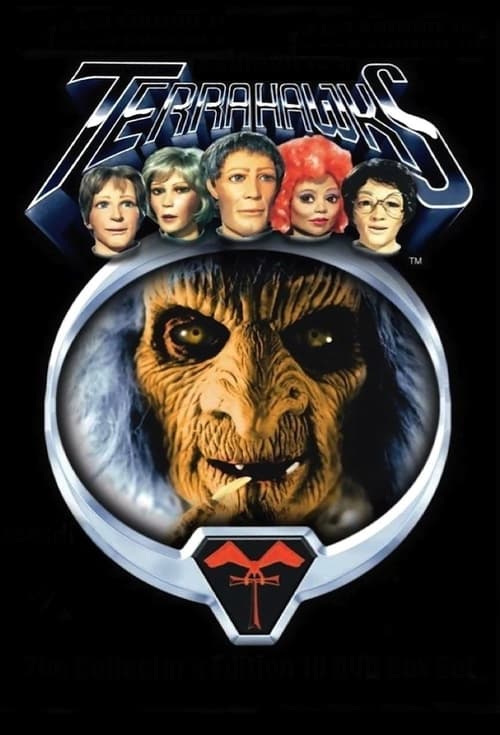
Gerry Anderson was still doing his thing with Terrahawks, but it felt... edgier than Thunderbirds. Supermarionation with a darker, sillier streak. The practical effects were phenomenal, miniatures and puppets creating a believable, vibrant sci-fi world under constant threat from Zelda and her android army. It had that distinct British charm, a blend of serious action and quirky humor that made it unforgettable. Pure analog magic, man.
7. Star Cops
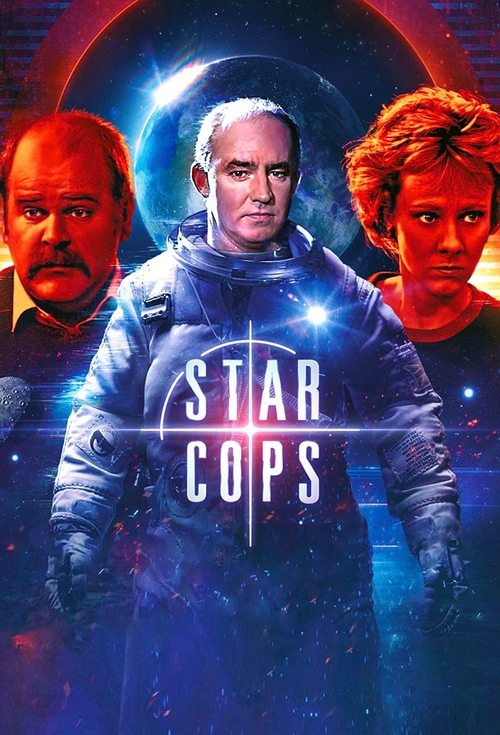
Star Cops was not your flashy space opera. This was gritty, realistic sci-fi, a police procedural set in a near-future where space was just another beat. It felt lived-in, depicting the mundane and dangerous realities of law enforcement off-world. The BBC budget meant practical sets and a focus on character and plot over spectacle. It was smart, cynical, and felt genuinely pioneering in its grounded approach to space.
8. TekWar
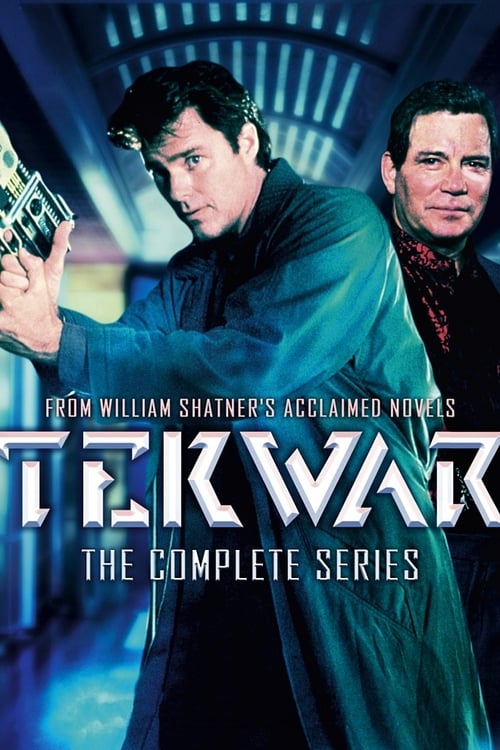
William Shatner's TekWar started as TV movies, then a syndicated series, and it was glorious B-movie cyberpunk. Early '90s tech predictions mixed with a hardboiled detective story in a world hooked on virtual reality drugs. It had that distinct syndicated feel: a bit cheap, a lot ambitious. Shatner's involvement gave it a quirky gravitas, making it a weird, often cheesy, but always watchable slice of low-budget, high-concept sci-fi.