
1. Route 66
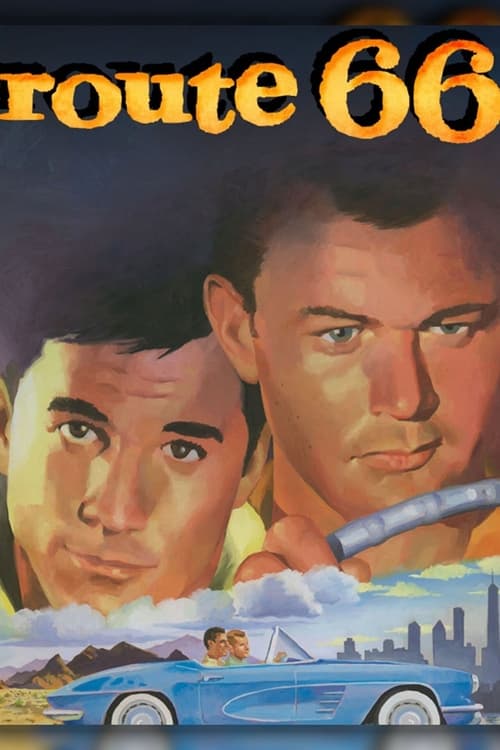
Ah, now that was television. Two young fellas, Tod and Buz, just drifting across America in a Corvette, each week a new town, new faces. It wasn't about a grand plot, you see, but the little dramas of everyday folk they’d meet. Shot on location, which was a real spectacle for the time, it gave you a sense of the vastness of the country. And the black-and-white cinematography? It just added to the whole moody, introspective feel. A true anthology, really.
2. Run for Your Life
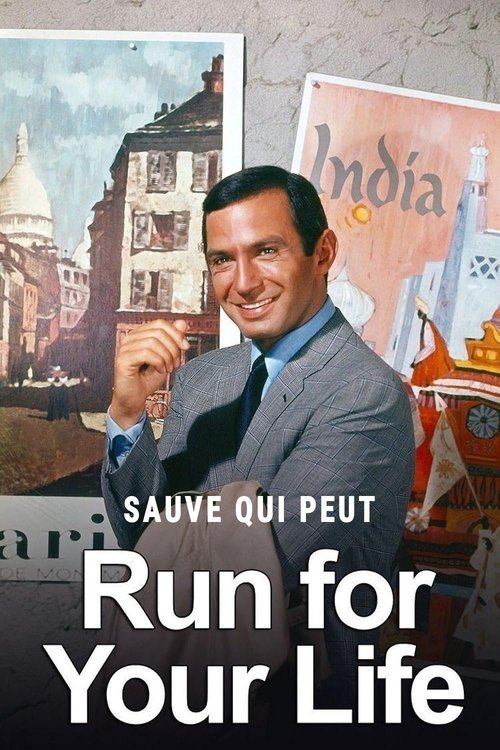
Here was a show with a hook, a real dramatic premise. Paul Bryan, told he had only a year or two to live, deciding to just *live*. Each episode, a new experience, a new adventure, a new romance, all against that ticking clock. It was episodic, sure, but that underlying tension, that long-form continuity of his fate, kept you coming back. You really felt for the man, and those scenic locations in color, they just popped right off the screen. High stakes every time.

3. The Invaders
Now this one, it gave you the shivers. David Vincent, seeing those aliens land, then spending the whole series trying to convince a world that just wouldn't believe him. It was paranoia on a grand scale, a real man-against-the-system yarn. The black-and-white melodrama of the concept, even in color, just resonated. Every week, a new challenge, a new alien plot to uncover. You were always on the edge, wondering if he'd finally be caught, or if anyone would ever listen. Great suspense.
4. Room 222
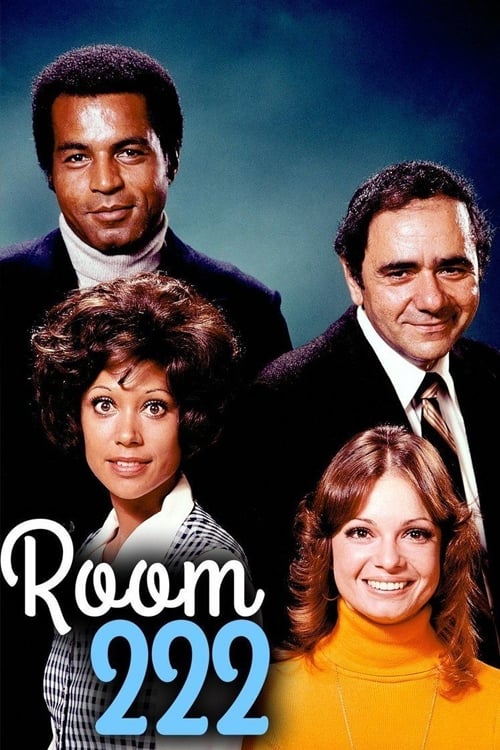
This was a different kind of school lesson, you know? Not just teaching history, but teaching life. Mr. Dixon, a truly thoughtful teacher, trying to make sense of things for his students. It wasn't always laughs; sometimes it got pretty serious, tackling real issues for the time. An early example of a sitcom that wasn't afraid to be a drama, too. The ensemble felt like a real high school, and you got to know those characters, week after week. Good television, and important, too.

5. Search
Ahead of its time, really. A 'probe' agent, equipped with all this futuristic surveillance gear, working for a top-secret organization. It was essentially a procedural, but the gimmick was the technology, the monitors, the remote diagnostics. You watched the agents on their missions, but you also watched the technicians back at base. An early attempt at making technology itself a character, giving a continuous thread to the episodic adventures. Ambitious, though sometimes a bit clunky, it showed where TV might be headed.
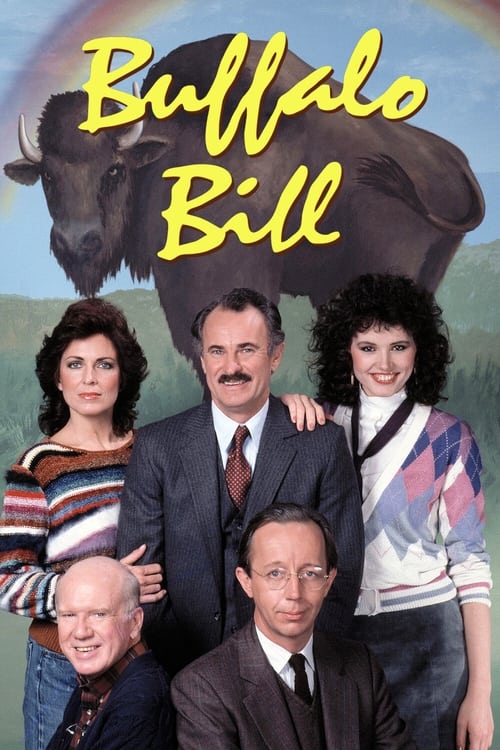
6. Buffalo Bill
This was a sharp turn, a real departure from your standard sitcom. Bill Bittinger, a local talk show host, was no hero; he was cynical, self-absorbed, and often quite unpleasant. The laughs came from the uncomfortable truth of it all, the way it stripped away the polish of television personalities. It was an early look at a character-driven comedy where the character wasn't necessarily likable, but utterly fascinating. It challenged what a sitcom could be, pushing boundaries right up to the end of my broadcast era.