
1 / 5
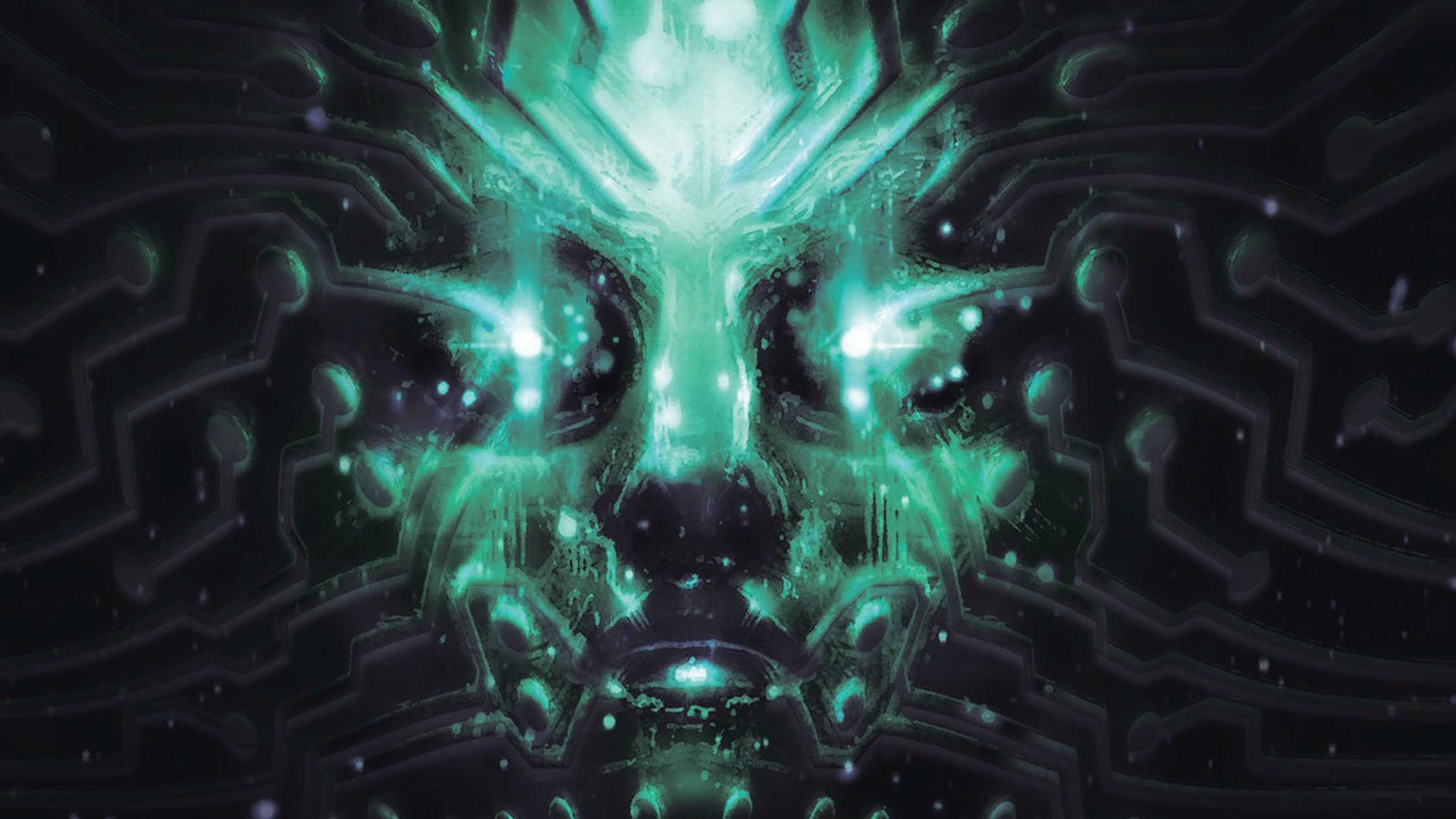
1. System Shock
Troika Games' *Arcanum* arrived in 2001, offering a sprawling, often janky, but undeniably ambitious RPG experience. It dared to fuse industrial revolution-era steampunk with traditional high fantasy, creating a world grappling with the clash of science and magic. Player choices genuinely mattered, leading to vastly different interactions and resolutions. While its technical issues were legendary, its intricate lore and freedom of role-playing earned it a dedicated, passionate following among those who valued depth over polish.
2 / 5
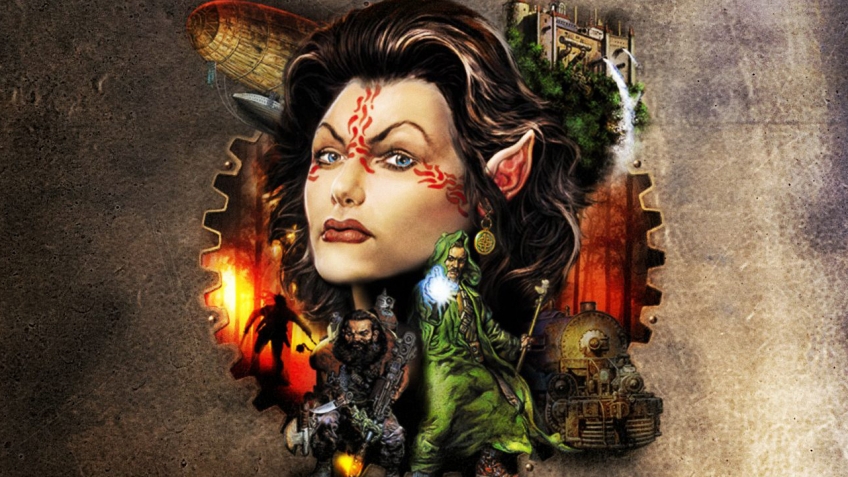
2. Arcanum: Of Steamworks and Magick Obscura
*The Dig*, released in 1995, stood out in LucasArts' formidable adventure game catalog for its serious, almost melancholic tone. Conceived by Steven Spielberg, it told a compelling science fiction tale of astronauts stranded on an alien world, deciphering an ancient civilization's mysteries. Its meticulously crafted environments and orchestral score created an unparalleled sense of isolation and wonder. While perhaps not as comedic as its brethren, its profound narrative left a lasting impression on those who experienced its unique brand of speculative fiction.
3 / 5
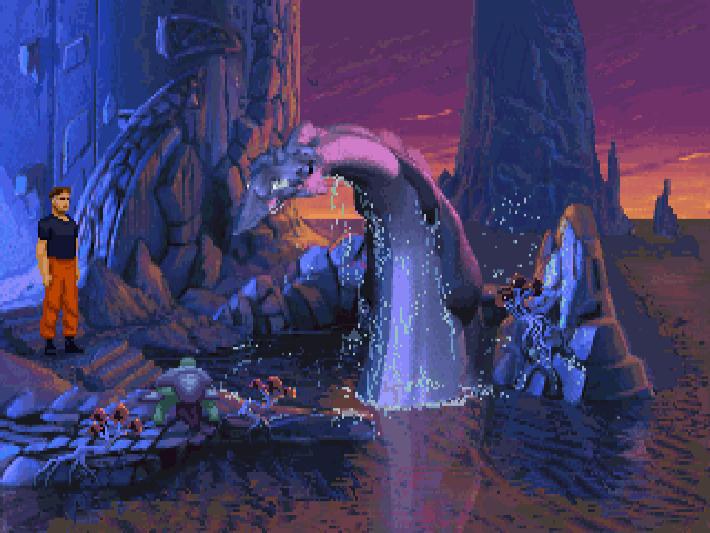
3. The Dig
*ActRaiser*, a 1990 Super Nintendo launch title, was a genre-bending marvel. It deftly combined side-scrolling action platforming sequences, where you battled demons as a warrior, with a top-down "god game" simulation, where you guided civilization's growth. Players nurtured their populace, built towns, and then descended to clear the path for their progress. This innovative blend, developed by Enix, offered a surprisingly thoughtful commentary on creation and destruction, setting it apart in an era of more straightforward action titles.
4 / 5

4. ActRaiser (1990)
In 2001, *Gitaroo Man* landed on the PlayStation 2, a rhythm game unlike any other. Its vibrant, almost psychedelic art style and bizarre narrative, featuring a timid boy transforming into a guitar-wielding hero, were instantly memorable. The gameplay demanded precision and quick reflexes, requiring players to trace lines and hit button prompts to the beat. While it never achieved mainstream success, its infectious soundtrack and undeniably unique charm cemented its status as a cult classic, proving that rhythm games could be truly imaginative.
5 / 5
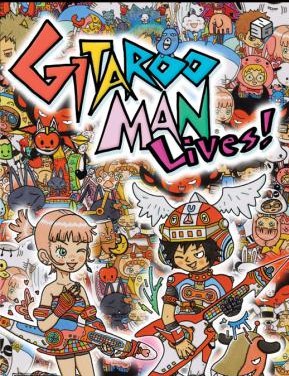
5. Gitaroo Man
*The Typing of The Dead: Overkill* (2013) is exactly what it sounds like: a lightgun shooter, *House of the Dead*, but you type words to kill zombies. This PC port of the arcade classic, originally a Dreamcast title, embraced its inherent absurdity with gusto. It was a bizarrely effective educational tool, improving typing speed and accuracy under duress, wrapped in an over-the-top, B-movie horror aesthetic. Its sheer audacity and comedic value made it a strangely compelling and utterly unique experience.