1. Studio One
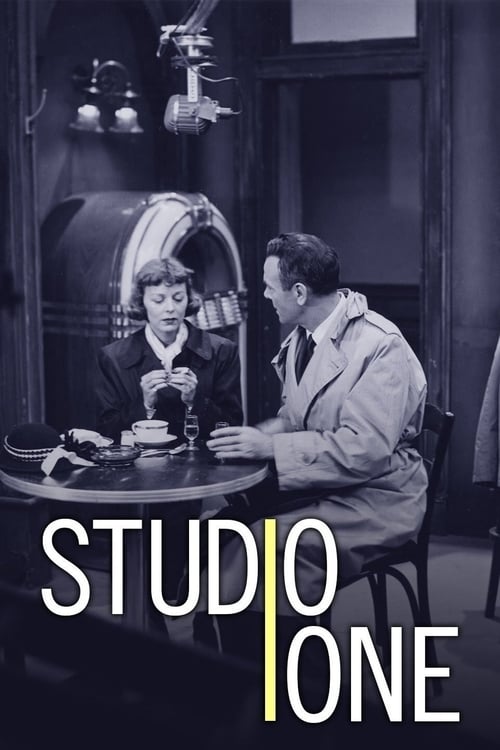
Good heavens, the ambition! Live, week after week, with sets built for a single camera angle and actors hitting their marks precisely. This was raw, unvarnished drama, often adapting literary works, proving that television could deliver serious storytelling. The energy, the occasional flub, the sheer theatricality—it was a bold experiment in a new medium, setting a high bar for dramatic performance right out of the gate. A genuine marvel.
2. Alfred Hitchcock Presents
Nobody did suspense quite like Hitch, and this anthology proved it could be done on the small screen, too. His droll introductions and sign-offs were a masterclass in persona, but the stories themselves, often grim and always with a wicked twist, were the real hook. Shot in stark black-and-white, each half-hour was a perfectly crafted little morality play designed to leave you squirming, or at least chuckling uneasily.

3. The Many Loves of Dobie Gillis
Before teenagers were truly 'understood' on TV, there was Dobie, a perpetually lovelorn, philosophical goofball. His direct addresses to the camera, often pondering life's great questions, felt fresh and modern. And who could forget Maynard G. Krebs, the quintessential beatnik, refusing to 'work'? This wasn't just a sitcom; it was a clever, slightly absurd look at youth culture, with an early, knowing wink at the audience.
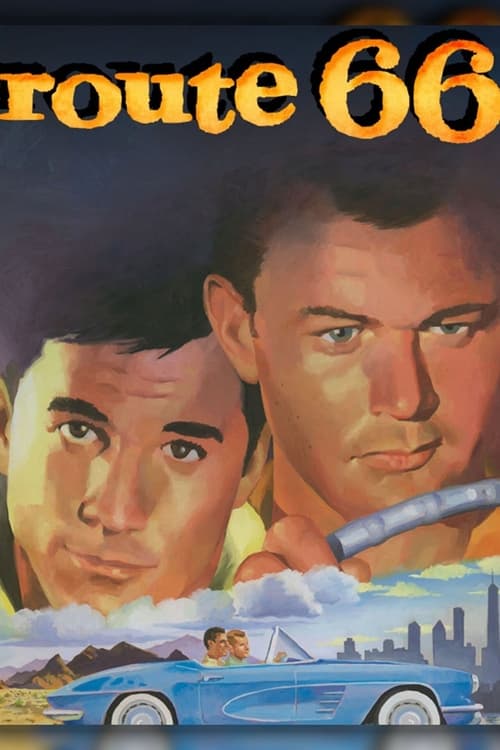
4. Route 66
This show was a revelation, taking its cameras out of the studio and onto the American highways. Two young men, Buz and Tod, driving across the country in their Corvette, encountering different lives and dilemmas each week. It was episodic, sure, but the very act of constant motion and new scenery gave it a novel sense of continuity. A true travelogue, showcasing the landscape and the social issues of its time.
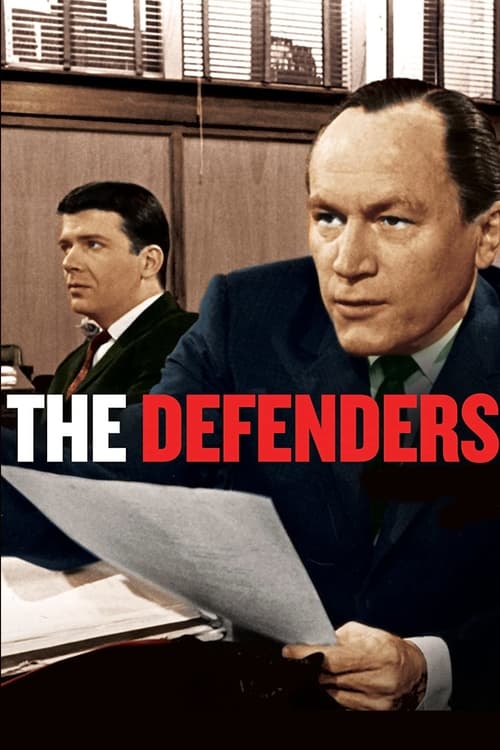
5. The Defenders
Here was a legal drama that wasn't afraid to tackle the thorniest issues of its day – abortion, capital punishment, civil rights. E.G. Marshall and Robert Reed played a father-and-son legal team who grappled with real moral dilemmas, often challenging viewers' preconceived notions. It was intelligent, thought-provoking television, a procedural with a conscience that elevated the genre far beyond simple courtroom theatrics. Still resonates, that one.
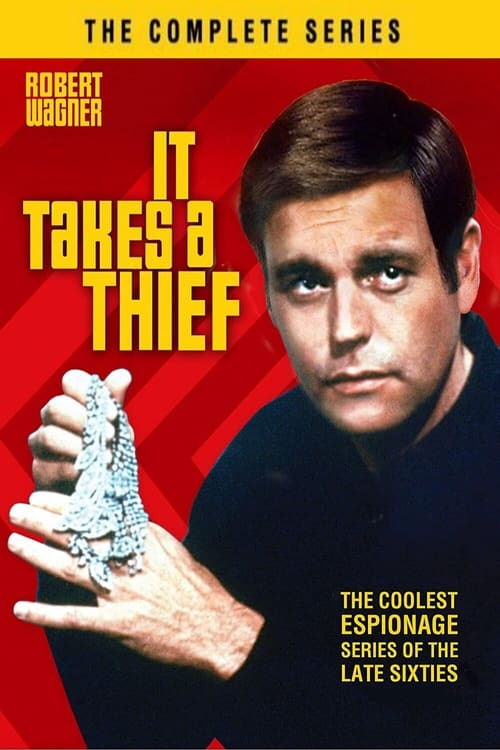
6. It Takes a Thief
Robert Wagner as Alexander Mundy, the debonair master thief working for the U.S. government, was pure, sophisticated escapism. By '68, TV was in full color, and this show used it to its advantage, showcasing international locales and sharp suits. It had that playful, gadget-filled spy-fi charm, but Wagner's suave delivery and the clever capers made it more than just a Bond knock-off. A stylish romp, indeed.