1. Twin Peaks
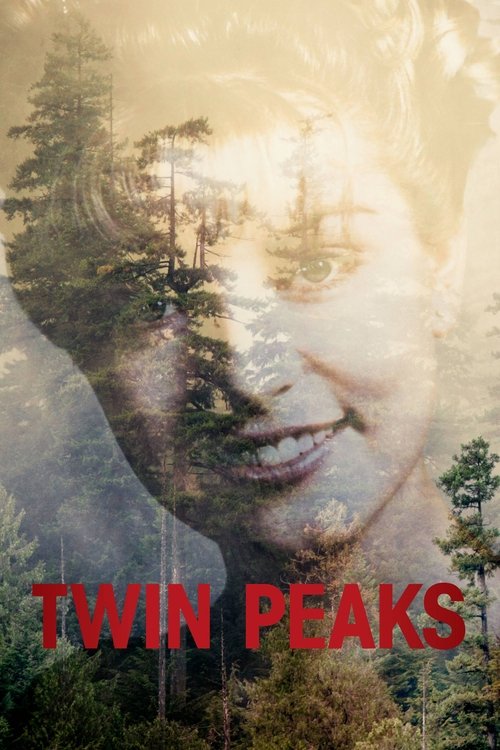
This was the big one, wasn't it? Network TV, but it played like an arthouse film. Lynch and Frost just tore up the rulebook, giving us a serialized mystery that was deeply weird, cinematic, and genuinely unsettling. It dared audiences to lean in, to follow breadcrumbs, and showed that network dramas could be more than just episodic procedurals. It was a cultural event, proving TV could be *art*.
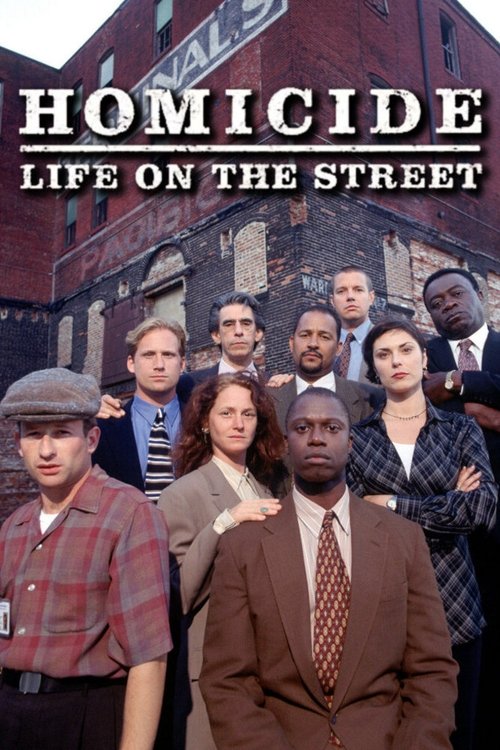
2. Homicide: Life on the Street
Barry Levinson brought a gritty, handheld realism to the police procedural that felt utterly fresh. It wasn't about neat case closures; it was about the grind, the moral ambiguities, and the psychological toll on its ensemble cast. This show laid serious groundwork for the kind of character-driven, serialized police drama that would dominate cable, proving that network TV could still do intelligent, challenging work.
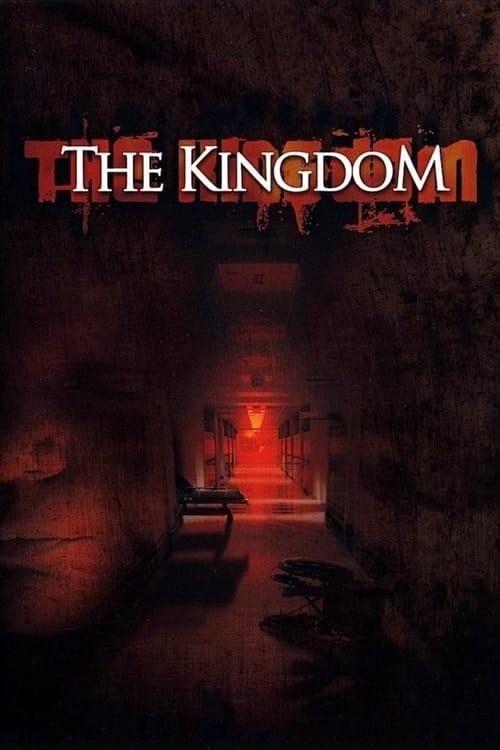
3. The Kingdom
Lars von Trier's Danish miniseries was a trip. A ghostly, darkly comedic, utterly bizarre medical drama that felt like nothing else on television. Its handheld, desaturated look and serialized, surreal narrative pushed boundaries internationally. It felt less like TV and more like an extended, unsettling indie film, foreshadowing a global appetite for challenging, auteur-driven long-form storytelling that transcended language barriers.
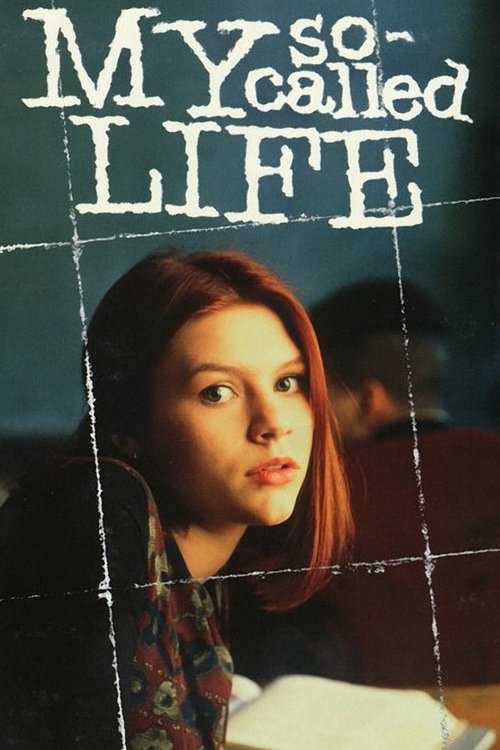
4. My So-Called Life
Before teen dramas were a dime a dozen, this one felt real. Angela Chase's internal monologue, the awkwardness, the existential dread of high school – it was all there, raw and honest. It treated adolescence with a respect and complexity rarely seen, leaning into serialized emotional arcs over episodic plots. It didn't sugarcoat anything and built a devoted following who saw themselves reflected in its painfully accurate portrayal.
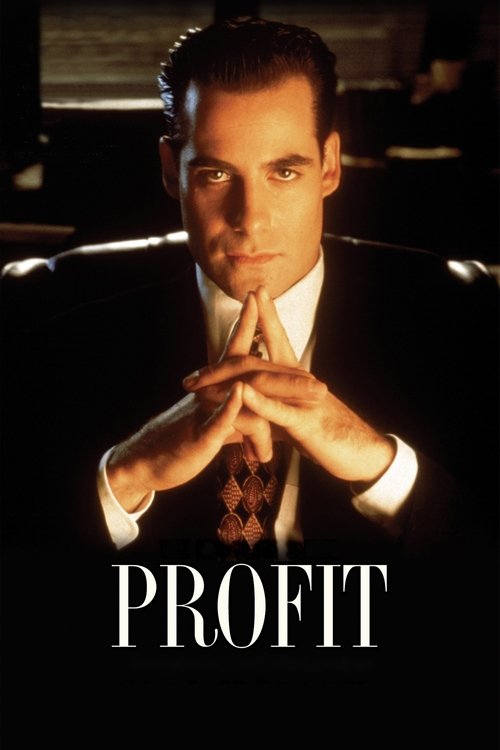
5. Profit
This one was truly ahead of its time, a pitch-black satire about corporate greed on network TV. Jim Profit was a charismatic, utterly amoral CEO who'd literally kill to get ahead, breaking the fourth wall to confide in the audience. It was too dark, too cynical, too serialized for most viewers back then, but it perfectly previewed the anti-hero trend and the kind of transgressive storytelling cable would later embrace.
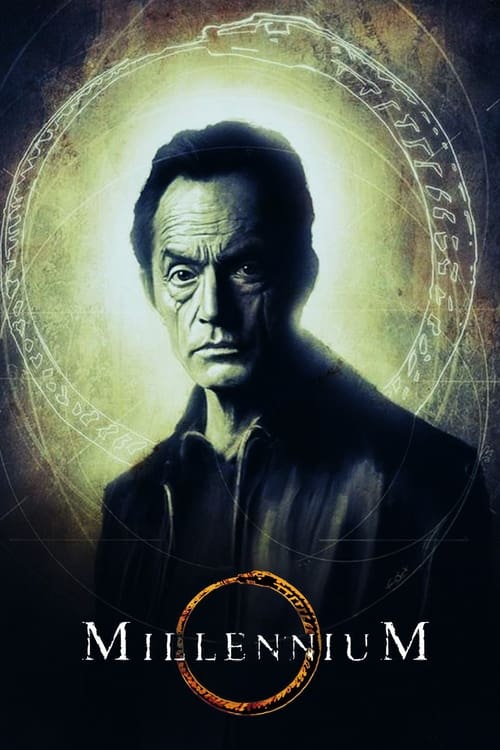
6. Millennium
Coming off *The X-Files*, Chris Carter went even darker, exploring the existential dread of the impending millennium. Frank Black's ability to see into the minds of killers made for some truly disturbing television, pushing network boundaries with its grim, serialized investigations into human evil. It was bleak, atmospheric, and cemented the idea that TV could be as psychologically complex and disturbing as any big-screen thriller.
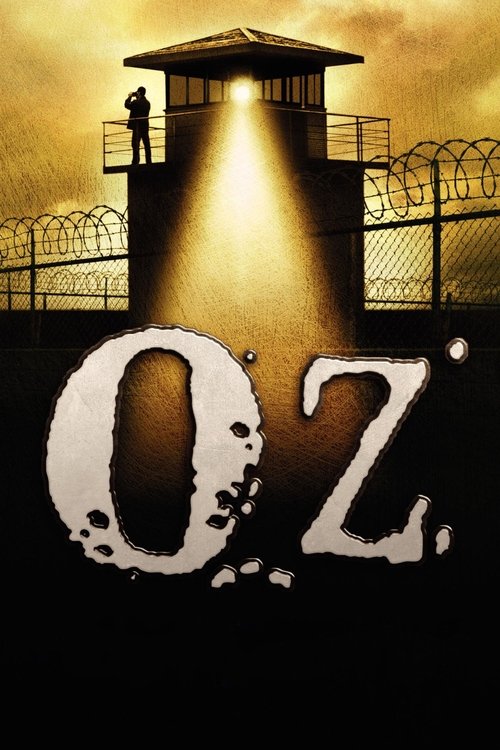
7. Oz
HBO changed the game with *Oz*. No holds barred, brutal, unflinching serialized drama set in a maximum-security prison. It was a pressure cooker of an ensemble, where character arcs were constantly evolving, and no one was safe. This show wasn't just risky; it defined cable's freedom to go places network TV couldn't, proving that audiences would commit to truly challenging, morally ambiguous storytelling.
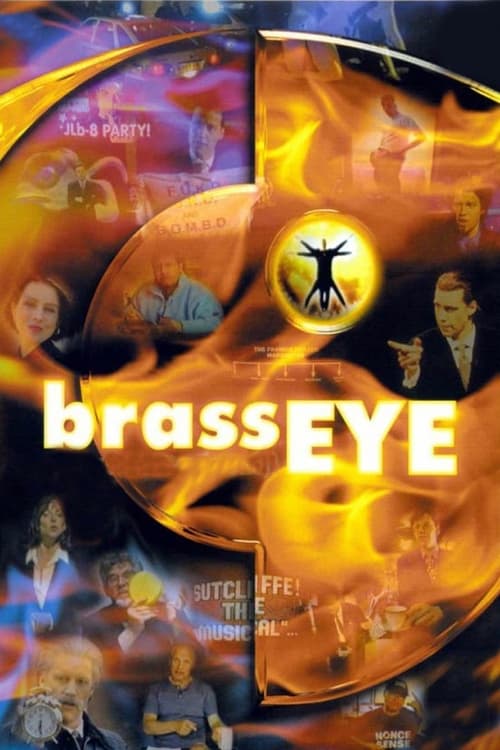
8. Brass Eye
Chris Morris unleashed this biting, surreal British satire that blurred the lines between news and comedy. It masterfully lampooned media sensationalism and public gullibility through elaborate hoaxes, often convincing celebrities to participate in fake campaigns. This mockumentary approach, pushing boundaries with its provocative, often uncomfortable humor, was a brilliant, subversive precursor to a whole generation of media critiques.
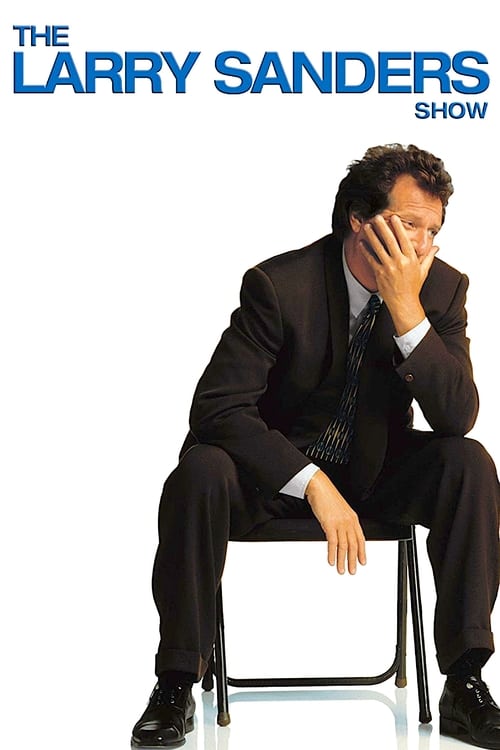
9. The Larry Sanders Show
This was the definitive behind-the-scenes mockumentary before anyone really knew what that meant. Garry Shandling's portrayal of a neurotic late-night host, and the ego-driven chaos backstage, felt incredibly real and painfully funny. It perfected the cringe comedy before 'cringe' was a thing, offering a serialized, character-rich look at show business that deeply influenced everything from *The Office* to *Curb Your Enthusiasm*.
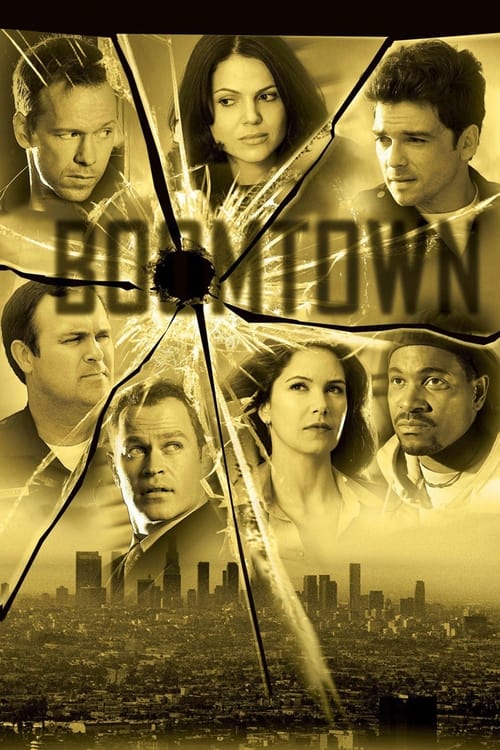
10. Boomtown
A forgotten gem, this procedural played with perspective like crazy, telling its serialized crime stories from multiple viewpoints – cops, victims, perpetrators. It was stylish, ambitious, and required serious audience engagement to piece together the narrative. It showcased early 2000s TV's growing confidence in narrative complexity, pushing the boundaries of what a network crime drama could structurally achieve.

11. The Comeback
Lisa Kudrow's Valerie Cherish was a mockumentary masterpiece, a cringe-inducing, heartbreaking look at a faded sitcom star trying to reclaim fame. It brilliantly skewered reality TV and the relentless pursuit of celebrity. Its serialized, character-study approach and unflinching portrayal of desperation were deeply uncomfortable yet compelling, laying groundwork for sophisticated, self-aware comedic drama in the on-demand era.
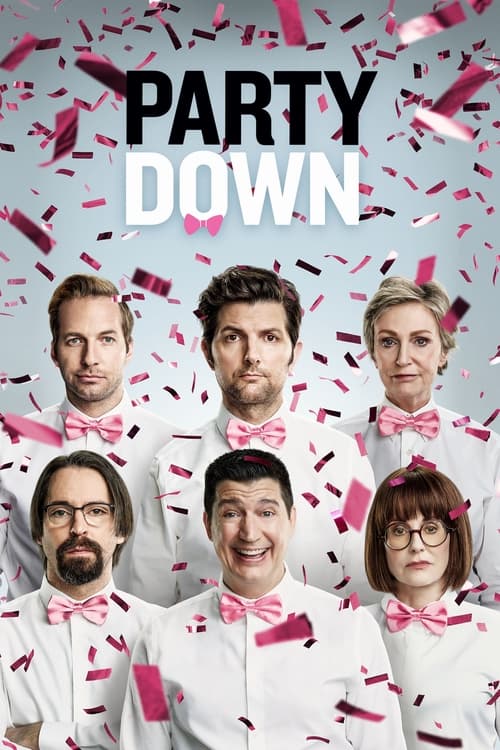
12. Party Down
This ensemble comedy about a catering team in LA was a cult hit for a reason. Each episode was a self-contained party, yet the serialized character arcs – dashed dreams, failed ambitions – deepened with every gig. It had that indie film vibe, sharp writing, and a melancholic humor that spoke to a specific kind of millennial malaise, showing how niche, character-focused cable comedies could thrive.