
1 / 11
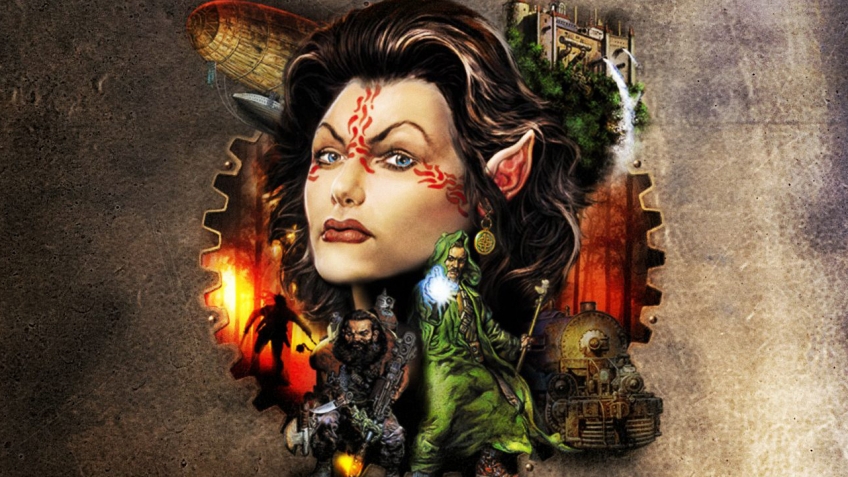
1. Arcanum: Of Steamworks and Magick Obscura
Troika's debut, "Arcanum," was an ambitious RPG attempting to meld high fantasy with industrial steampunk. It presented a world grappling with technology's rise, where magic and machinery clashed, influencing character development and faction alignment. Despite its myriad bugs and rough edges at launch, its sheer scope, intricate world-building, and robust choice-and-consequence system were unparalleled. It offered genuine player freedom, allowing for wildly divergent playthroughs based on skills, alignment, and even physical appearance. A truly unique, if flawed, narrative masterpiece that still resonates.
2 / 11
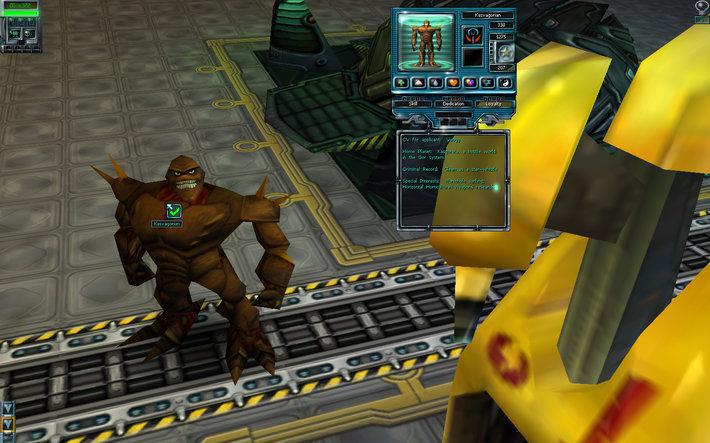
2. Startopia
"Startopia" offered a delightfully quirky take on space station management. You were tasked with restoring derelict stations into bustling intergalactic hubs, catering to diverse alien species with their own needs and quirks. Its dry British humor, voiced by a sardonic AI, made the often-stressful balancing act of resource management and alien diplomacy genuinely enjoyable. The visual design was distinct, and the constant demand for new facilities and entertainment kept gameplay fresh. It was a city-builder in space, but with a personality few others have matched.
3 / 11
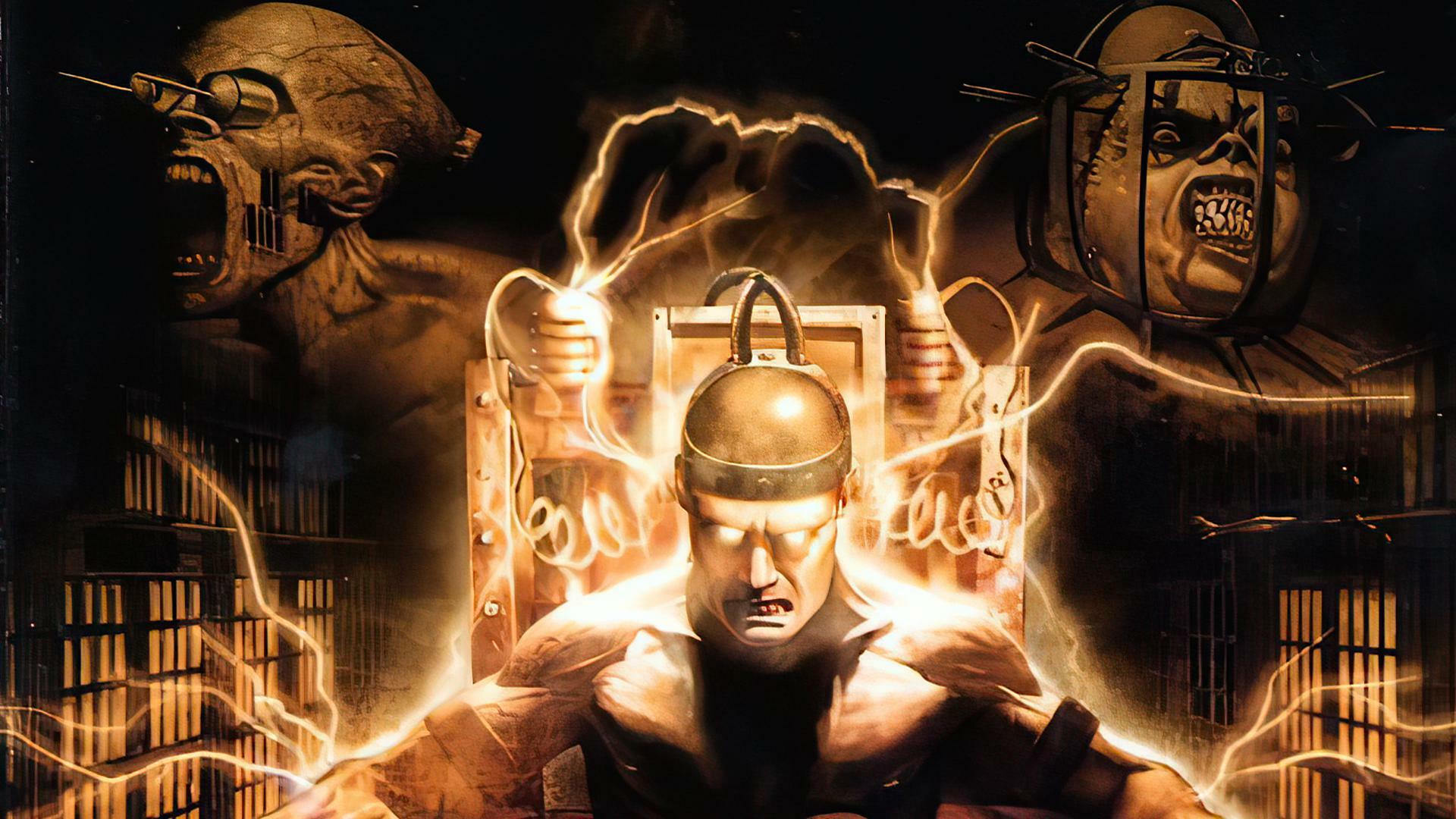
3. The Suffering
"The Suffering" plunged players into a terrifying prison island, blending intense action with psychological horror. Torque, the protagonist, was a death row inmate haunted by grotesque manifestations of his own past and the island's dark history. What truly set it apart were the subtle, impactful moral choices that altered the narrative and Torque’s ultimate fate. It wasn't just about jump scares; it explored themes of guilt and sanity through its disturbing creature design and grim atmosphere. A brutal, effective horror game that deserved wider acclaim.
4 / 11
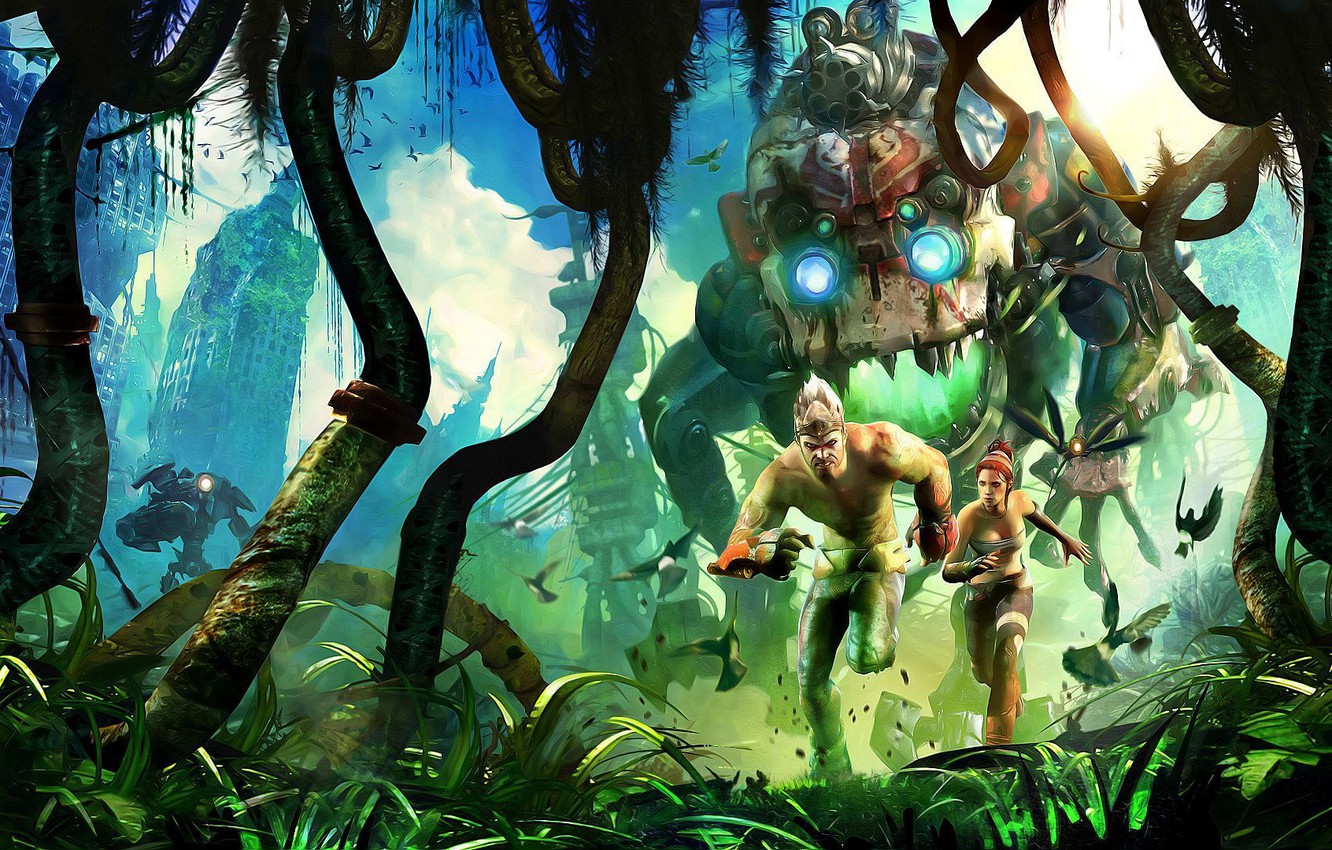
4. Enslaved: Odyssey to the West
Ninja Theory's "Enslaved" offered a vibrant, post-apocalyptic reinterpretation of *Journey to the West*. Its core strength lay in the dynamic, evolving relationship between the gruff Monkey and the resourceful Trip, bound by a slave headband. The platforming and combat were fluid, but the true draw was the stunning visual design, depicting a world reclaimed by nature, and the compelling character interactions. It was a linear adventure, yes, but one brimming with heart, beautiful art direction, and a surprisingly resonant narrative about humanity.
5 / 11
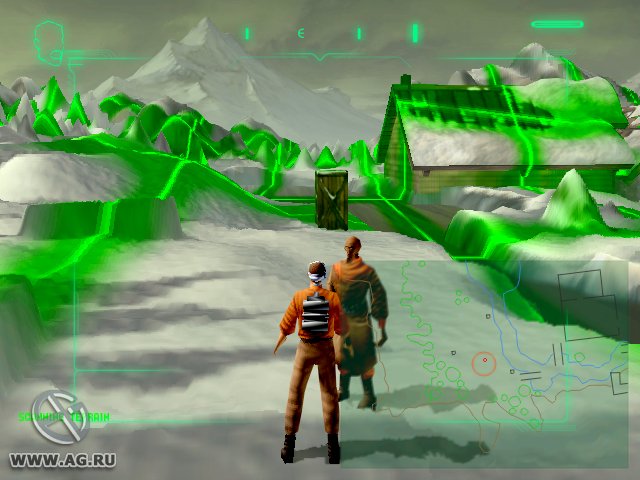
5. Outcast
"Outcast" was a groundbreaking non-linear adventure that arrived perhaps a little too early for its own good. Its richly detailed alien world, Adelpha, rendered in impressive voxel graphics, felt genuinely alive. Cutter Slade's journey to save Earth involved navigating complex alien politics and culture, with remarkably advanced AI for its time. The distinctive voice acting and open-ended exploration were revelations, creating an immersive experience that few games before it had managed. Its influence on open-world design is often understated.
6 / 11
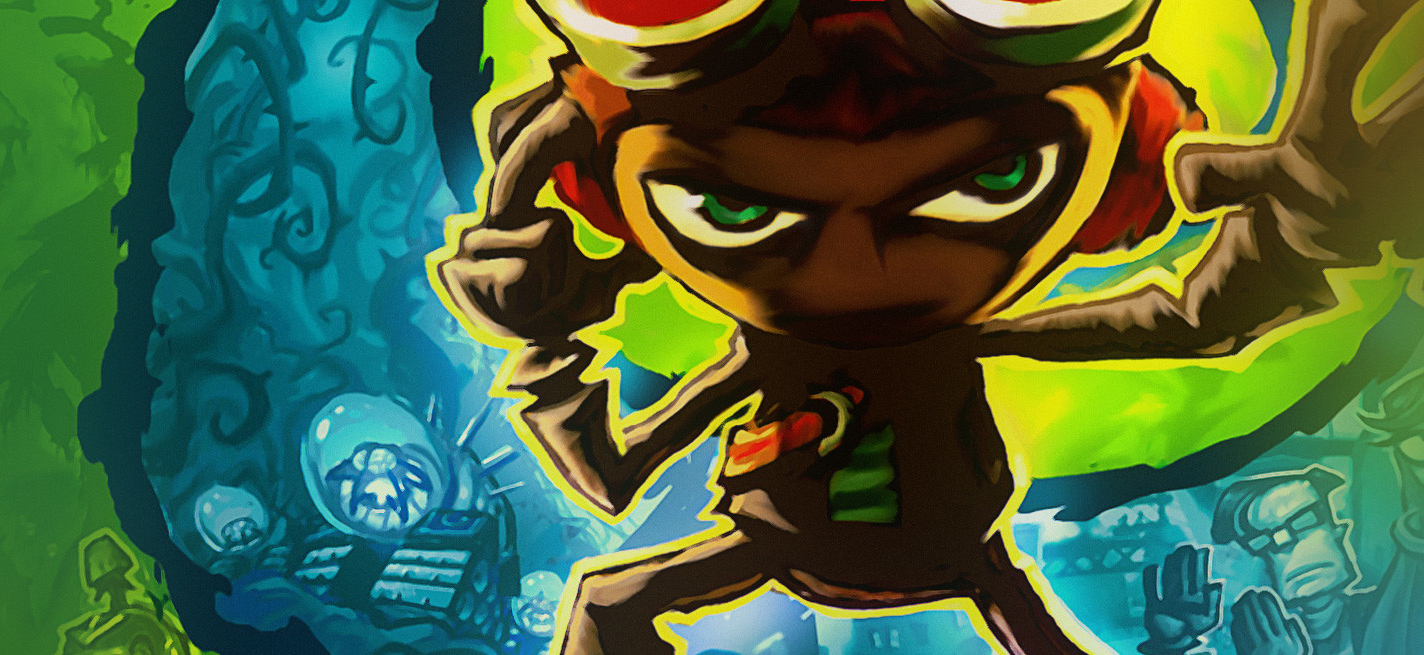
6. Psychonauts
Tim Schafer's "Psychonauts" was a brilliant, imaginative platformer that took players on a journey through the minds of various characters. Raz, a psychic cadet, explored wildly creative mental landscapes, each reflecting a character's neuroses or fears. The game tackled themes of mental health with humor and sensitivity, avoiding condescension. Its art style was distinctive, the writing sharp, and the platforming mechanics solid. It was a critical darling but initially struggled commercially, proving that innovation doesn't always guarantee immediate widespread success.
7 / 11
7. XIII
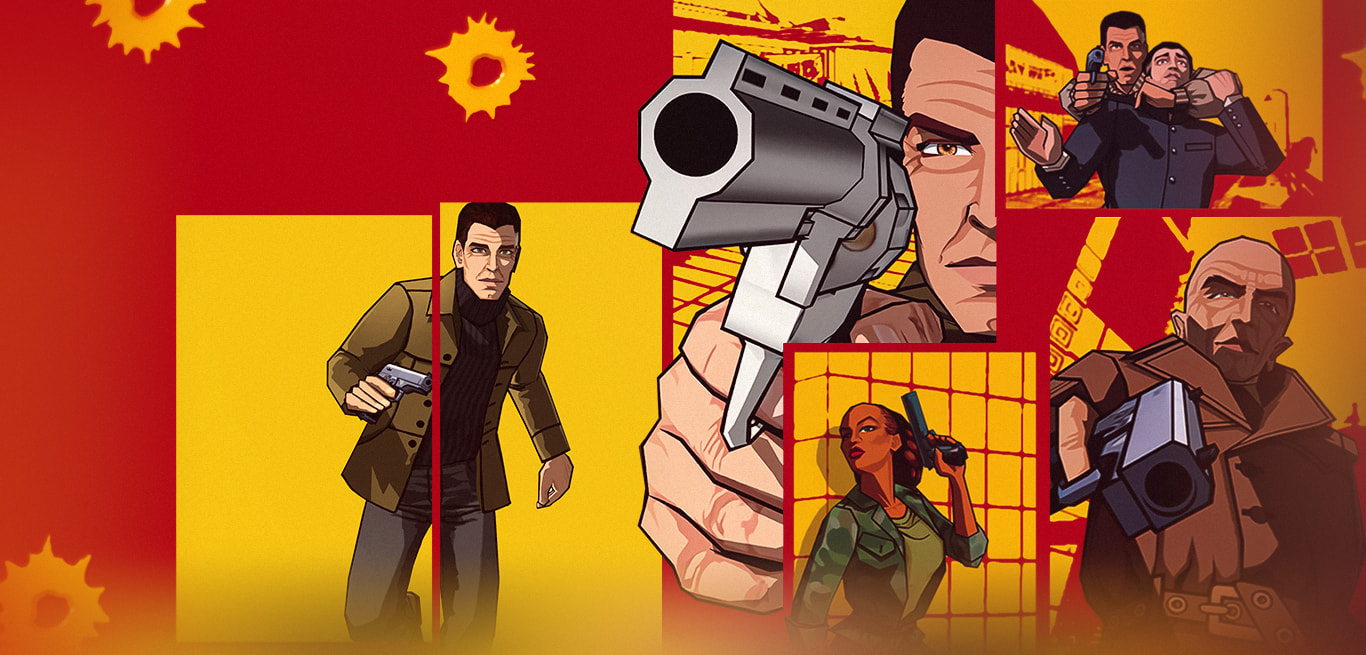
"XIII" stood out immediately with its striking cel-shaded graphics, directly emulating a comic book. Onomatopoeia appearing on screen and multi-panel split-screens during action sequences were revolutionary for an FPS. Beyond the unique aesthetic, it delivered a compelling conspiracy thriller narrative, reminiscent of *The Bourne Identity*. While its gameplay was solid, it was the bold, stylistic presentation that truly defined it and made it memorable. It's a prime example of how art direction can elevate a familiar genre into something truly fresh.
8 / 11

8. Condemned: Criminal Origins
"Condemned: Criminal Origins" delivered a visceral, first-person horror experience centered on brutal melee combat and forensic investigation. As FBI agent Ethan Thomas, players explored decaying urban environments, using environmental clues to track a serial killer. The game's unsettling atmosphere, combined with genuinely terrifying enemy encounters and limited resources, created a constant sense of dread. Its innovative combat system, focusing on parries and desperate swings, made every confrontation feel impactful and desperate. A truly disturbing and effective horror title.
9 / 11
9. Alpha Protocol
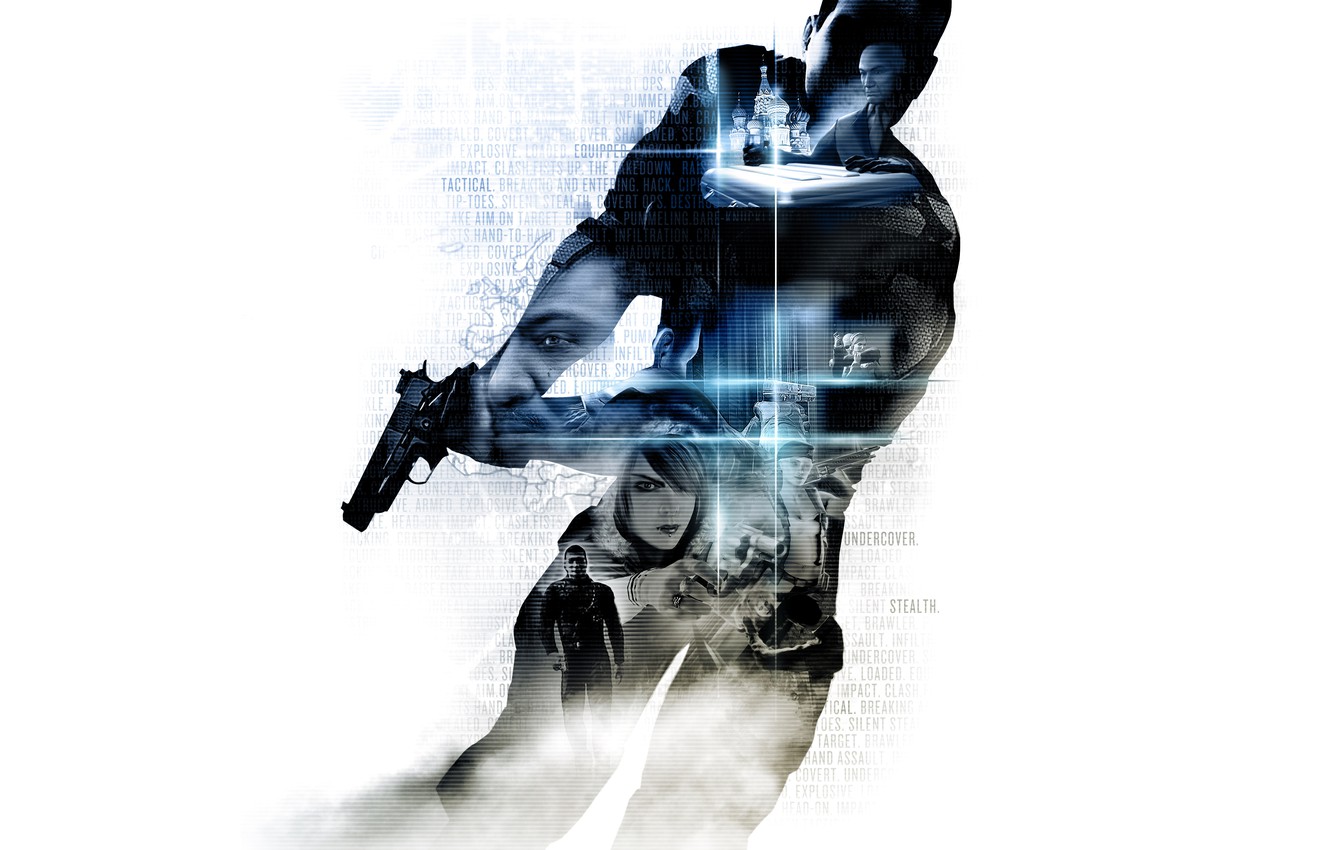
Obsidian Entertainment's "Alpha Protocol" was a bold attempt at a modern spy RPG, offering an unparalleled level of player choice and consequence. Every dialogue option, mission decision, and failed objective genuinely impacted future events and character relationships. While often criticized for its janky combat and graphical issues, the game's strength lay in its branching narrative and compelling spy fantasy. It allowed players to craft their own unique superspy, with a narrative reactivity rarely seen in the genre.
10 / 11
10. Giants: Citizen Kabuto
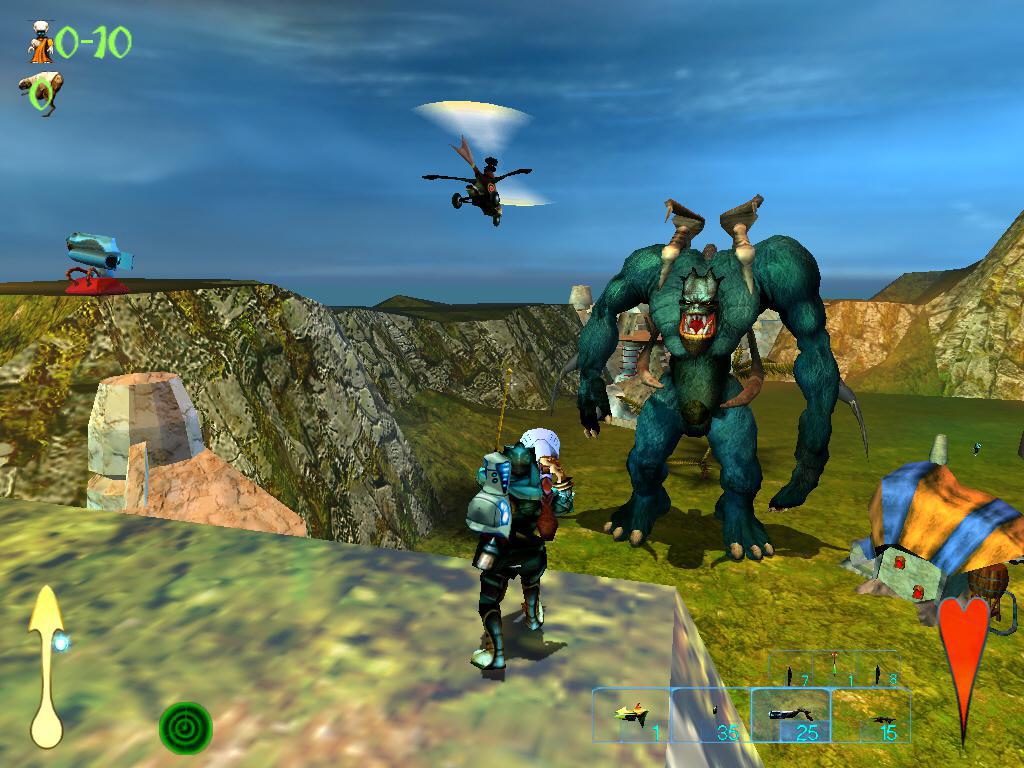
"Giants: Citizen Kabuto" was a wonderfully eccentric hybrid, blending third-person shooter action with real-time strategy base-building. Players could switch between three wildly different factions: the comedic Meccaryns, the magical Sea Reapers, or the colossal monster Kabuto. Each offered distinct gameplay mechanics and objectives, providing immense replayability. Its irreverent humor, vibrant art style, and ambitious genre-blending were truly ahead of their time, crafting an experience that was both challenging and incredibly fun.
11 / 11
11. Bushido Blade
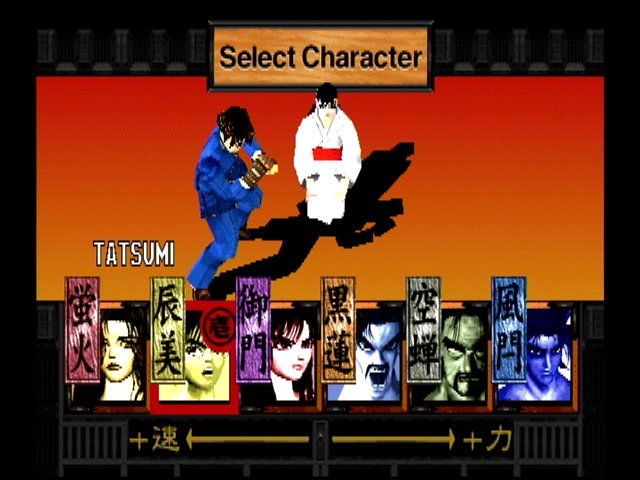
"Bushido Blade" was a fighting game that dared to break conventions. Eschewing health bars, it focused on realistic, one-hit kill sword combat where a single, well-placed strike could end a duel instantly. This created a tension and strategic depth rarely seen in the genre, emphasizing precision, timing, and defensive play over button mashing. Its unique stance system and open environments further differentiated it, offering a contemplative, almost philosophical approach to fighting that remains unmatched.