
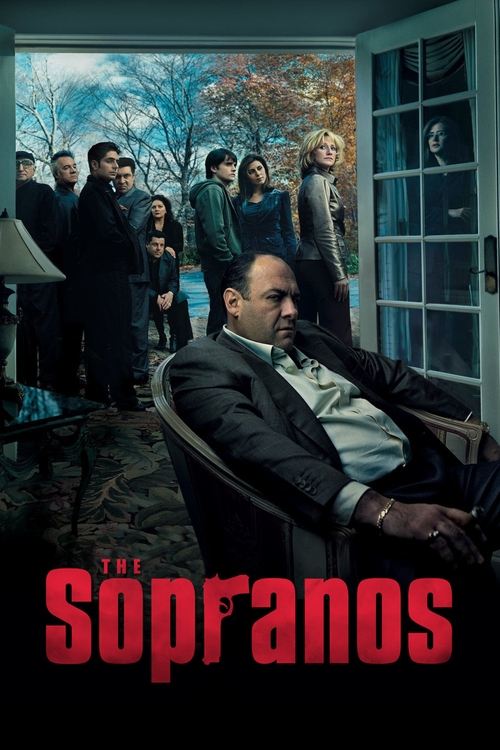
1. The Sopranos
This was it. The moment you realized TV wasn't just disposable. It was a novel you watched, week after week, digging into Tony's head, watching him juggle his two families. HBO took a huge chance, letting David Chase craft this morally ambiguous, deeply psychological saga. Suddenly, characters were complex, the storytelling was layered, and television became prestige. It redefined what a drama could be.
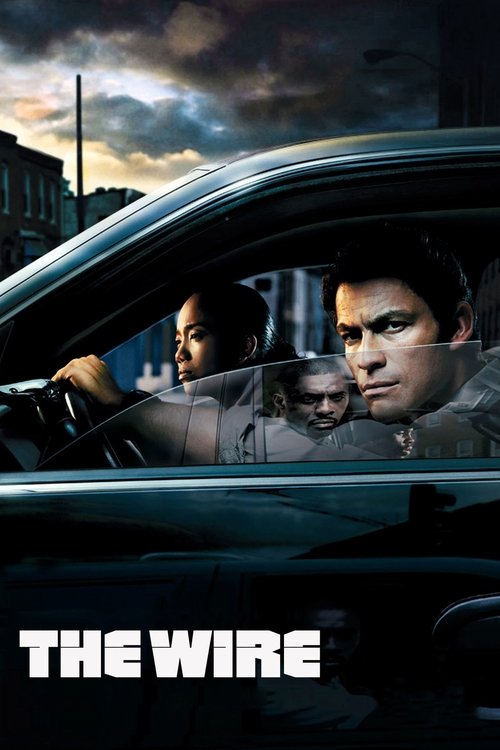
2. The Wire
Forget good guys and bad guys; Baltimore was the real character here. Each season peeled back another layer of the city's institutions – the drug trade, the docks, the schools. It was dense, uncompromising, and demanded your full attention. This wasn't episodic; it was a sprawling, interconnected narrative that showed you how everything was broken. Pure, gritty realism on the small screen.

3. Six Feet Under
Talking to dead people? A funeral home as a family business? This show was quirky, morbid, and surprisingly uplifting. It explored grief, life, and existential dread with a fearless, intimate approach that broadcast networks wouldn't touch. The Fisher family's messy lives, their quiet moments, and those stunning opening death scenes proved that cable could tackle profound human experiences with grace and dark humor.
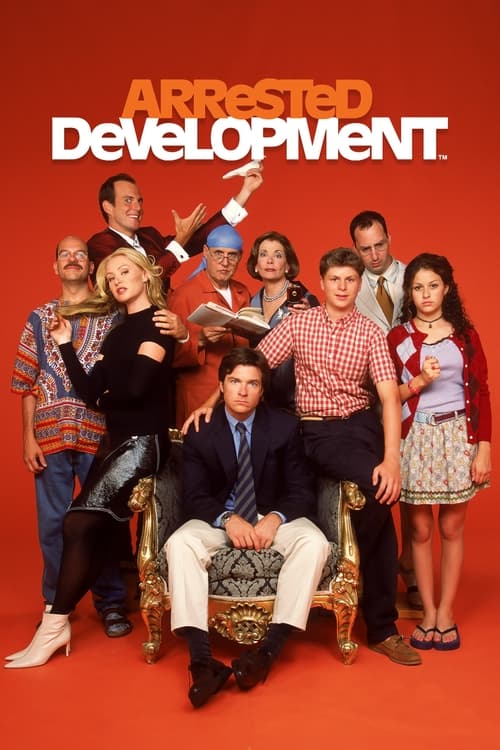
4. Arrested Development
This was comedy on another level. Rapid-fire jokes, callbacks, meta-humor, and a narrator who was practically another character. It was a mockumentary that broke the mold, demanding you pay attention to every single detail. The Bluth family's utter dysfunction and self-delusion, wrapped in such clever writing, showed that sitcoms could be smart, intricate, and totally original, even if they were ahead of their time.
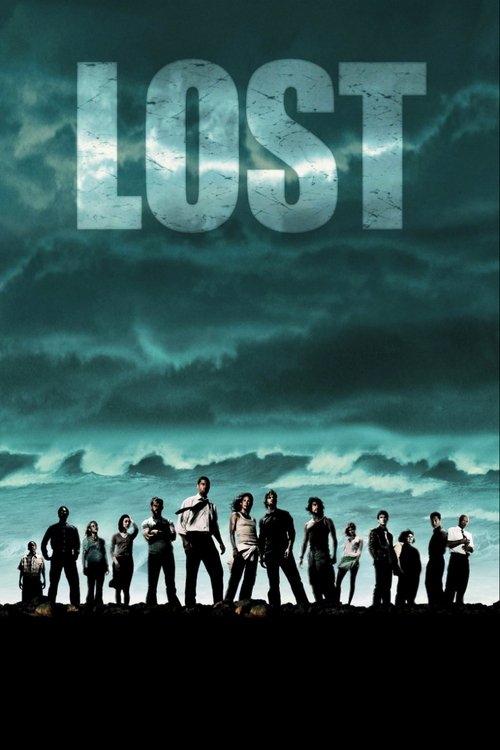
5. Lost
You either loved it or hated the ending, but you couldn't ignore it. This was event television, built on a serialized mystery box that hooked millions. Flashbacks, flashforwards, an ensemble cast you genuinely cared about, and a constant stream of questions. It proved that network TV could still do ambitious, long-form storytelling that felt cinematic, even if it sometimes wrote itself into a corner.
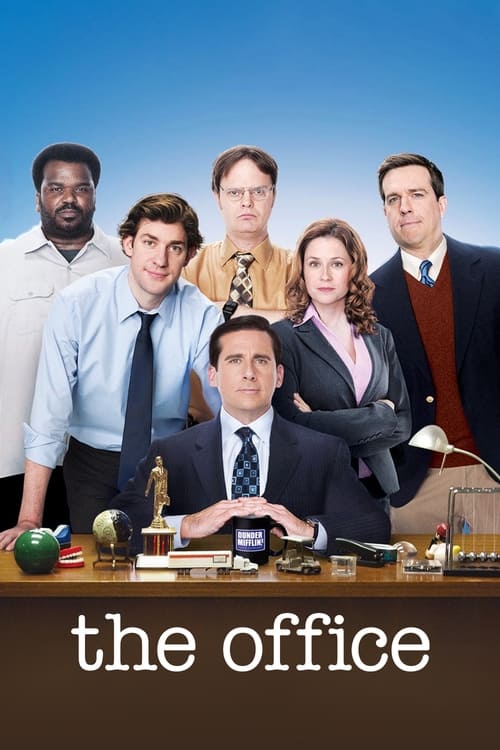
6. The Office
Taking a British cult hit and making it its own, the American "Office" perfected the mockumentary format for a broader audience. It found heart and humor in the mundane absurdity of office life, letting awkward silences and subtle glances tell half the story. The ensemble cast became iconic, making you laugh and cringe, proving that character-driven comedy, shot like a documentary, could be huge.
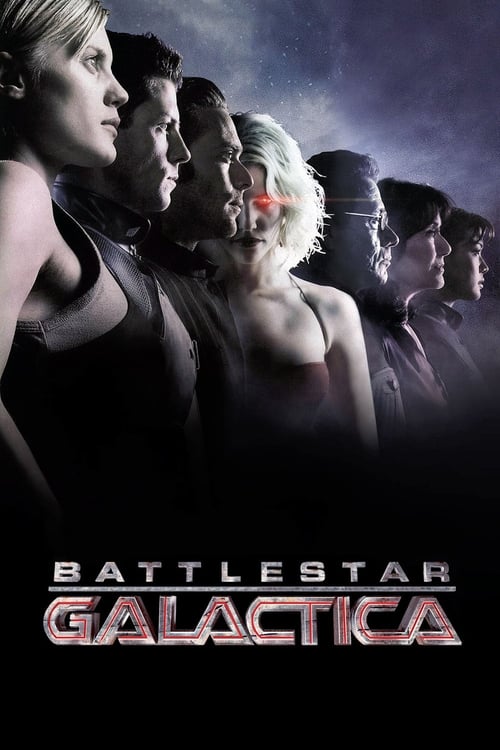
7. Battlestar Galactica
Don't let the sci-fi label fool you. This was a complex, post-9/11 allegory wrapped in space opera. It tackled terrorism, faith, politics, and humanity's survival with a gravitas usually reserved for prestige drama. The serialized plot, the moral dilemmas, and the gritty, cinematic style elevated genre television into something profound. It was smart, intense, and surprisingly relevant.
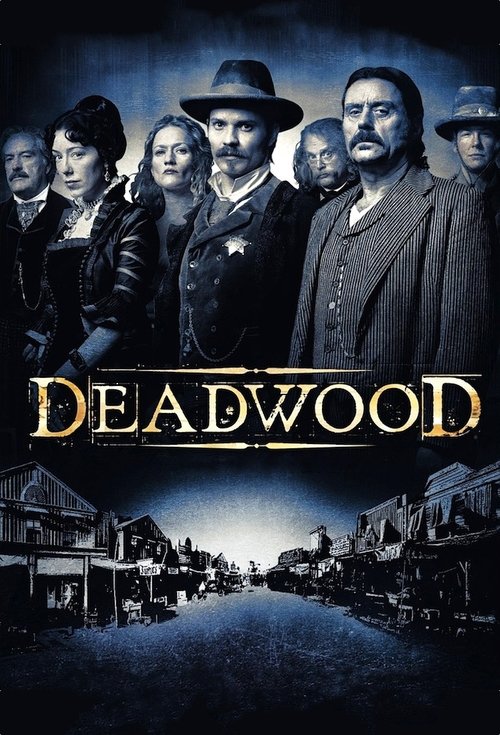
8. Deadwood
Foul-mouthed poetry in the mud. This show was a masterclass in dialogue and character, bringing a grimy, authentic West to life. Each line was meticulously crafted, making Shakespearean soliloquies out of frontier profanity. It was raw, violent, and deeply human, showing that historical drama didn't need to be stuffy. The ensemble, the setting, and the language were utterly unique.
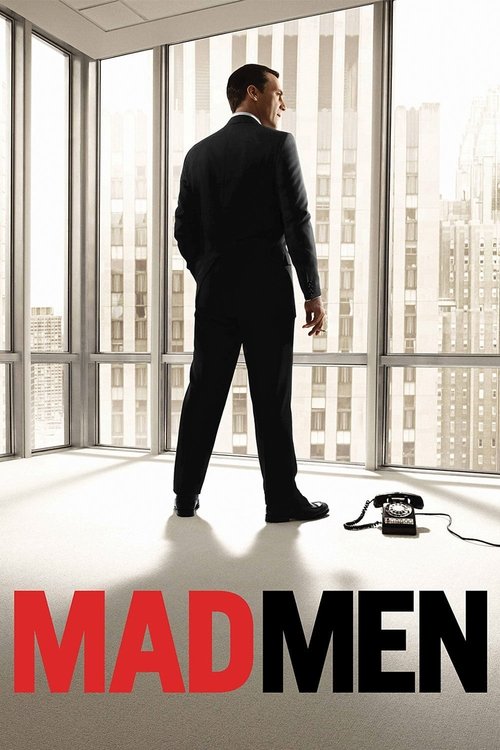
9. Mad Men
Step into the 1960s, where the ads were slick but the souls were messy. "Mad Men" was all about quiet character study, impeccable period detail, and subtext. It wasn't flashy; it was deliberate, letting you absorb the changing times through the eyes of Don Draper and his colleagues. This was cinematic television that made you think about identity, ambition, and the American dream.