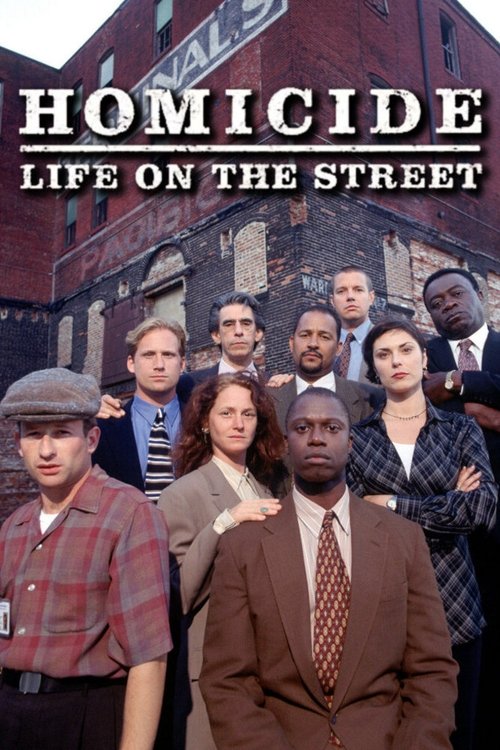
1. Homicide: Life on the Street
Before cable truly exploded, *Homicide* showed network TV could do gritty, serialized drama. Its handheld camera work, overlapping dialogue, and character-driven focus felt like a cinematic indie film dropped onto a weekly schedule. It wasn't about neat case closures; it was about the grind, the moral ambiguities, and the psychological toll. This ensemble piece laid groundwork for later prestige procedurals, proving audiences wanted more than just episodic clean-ups. It was a proper taste of what was coming.
2. Millennium
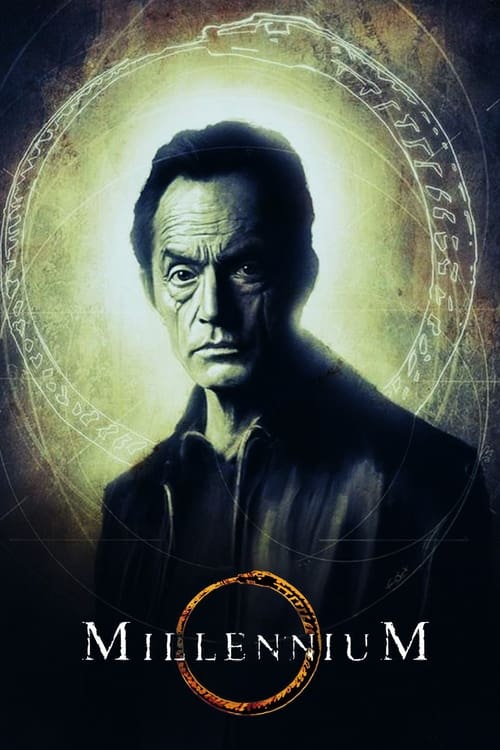
From Chris Carter, *Millennium* was *The X-Files*' darker, more adult cousin. It dove into the psychology of evil, often with a bleak, uncompromising tone. Network TV usually shied away from this level of sustained dread and complex, serialized mythology. Frank Black's psychic insights into the darkest corners of humanity, coupled with the show's unsettling atmosphere, felt genuinely groundbreaking. It wasn't just scary; it was intellectually disturbing, hinting at the mature genre fare cable would later master.
3. Profit
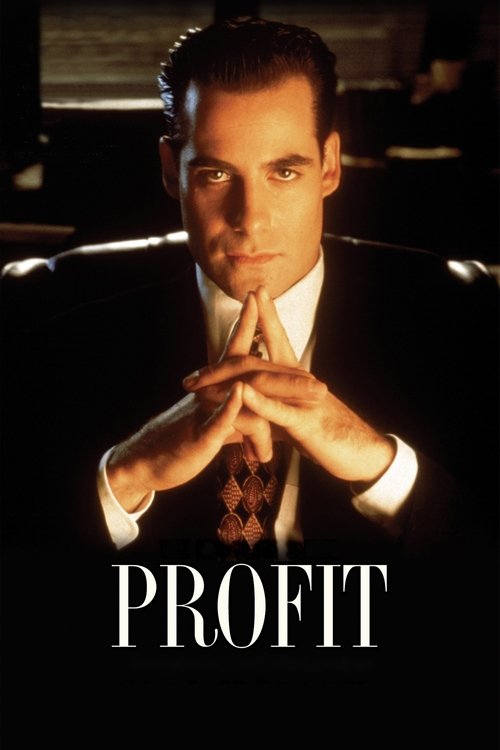
*Profit* was so far ahead of its time it got cancelled almost immediately. This show introduced an unrepentant, Machiavellian anti-hero running a corporation with pure avarice. Network television in '96 wasn't ready for a protagonist who was openly despicable and manipulative, with no moral compass whatsoever. It was the blueprint for later cable anti-heroes, proving audiences *could* be fascinated by truly dark characters, even if the executives didn't quite get it yet. A true prototype for the morally grey landscape.
4. Oz
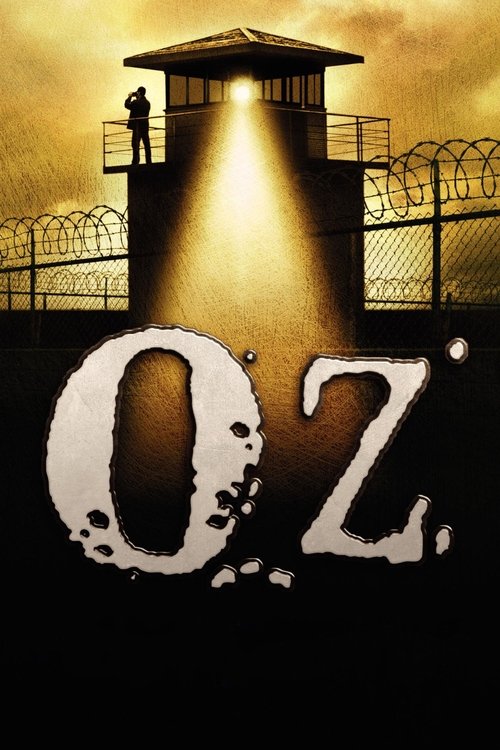
*Oz* wasn't just HBO's first hour-long drama; it was a brutal, uncompromising statement. This wasn't broadcast TV; it was a confined, serialized world where no character was safe and every moral line was crossed. The ensemble cast navigated an incredibly dark, violent, and psychologically complex narrative within the prison walls. It showed what cable could do when freed from network constraints, ushering in the era of edgy, adult storytelling that defined HBO's brand and set the bar for serialized drama.
5. Freaks and Geeks
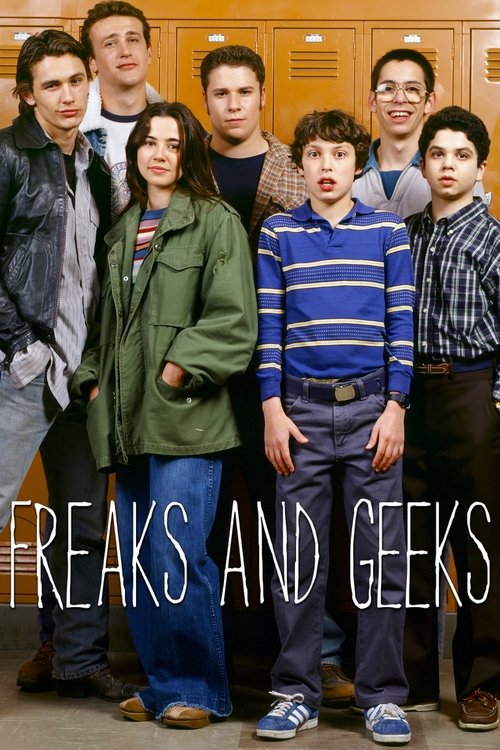
This coming-of-age story felt so real it almost hurt. *Freaks and Geeks* captured the awkward, unglamorous truth of high school life with a raw honesty rarely seen on network TV. Its single-camera, serialized approach let characters evolve organically, avoiding easy answers. It was an ensemble piece where every character felt deeply understood, a blueprint for character-driven dramas that valued authenticity over broad appeal. It became a cult classic precisely because it dared to be so genuinely, painfully human.
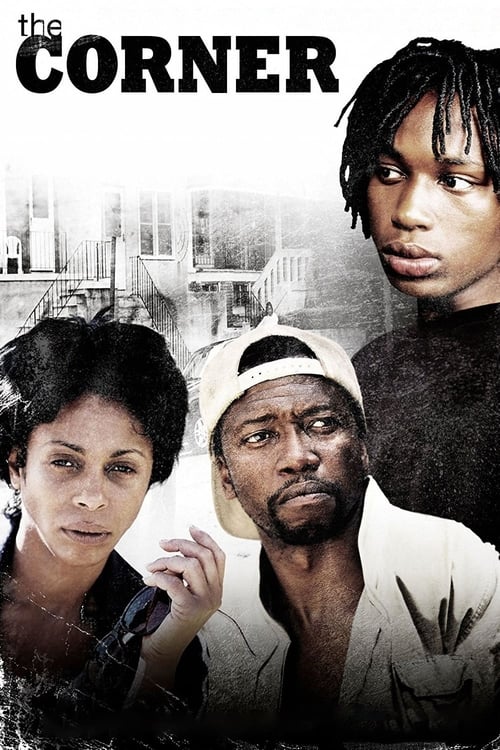
6. The Corner
Before *The Wire*, there was *The Corner*. This HBO miniseries, a documentary-style drama from David Simon, offered an unflinching look at a West Baltimore drug corner through the eyes of its inhabitants. It wasn't about cops and robbers; it was about systemic failure, addiction, and survival. Its raw realism and serialized character arcs, driven by meticulous research, were a stark departure from typical TV. It proved that deep, sociological storytelling could resonate, paving the way for more ambitious, long-form narratives.
7. The Shield
*The Shield* hit FX like a gut punch, proving cable's nascent drama scene could produce an anti-hero as compelling as any. Vic Mackey was a cop who crossed lines you didn't think existed on TV, but you understood his twisted logic. Its serialized storytelling and cinematic, visceral style plunged viewers into a morally ambiguous world, forcing uncomfortable questions. This was FX planting its flag, showing it could deliver intense, adult drama that broadcast wouldn't touch, and setting a high bar for cable's risk-taking.
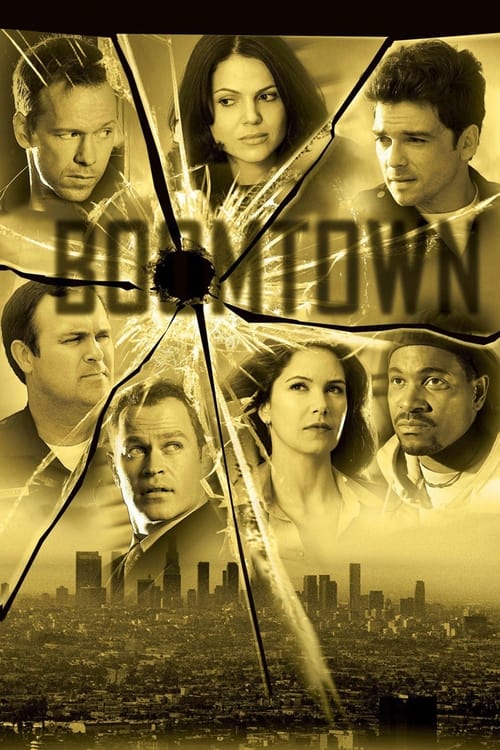
8. Boomtown
*Boomtown* was a brilliant, ambitious procedural that experimented with non-linear storytelling years before it became a TV trope. Each episode revisited a crime from multiple perspectives – victim, perp, cop – weaving a complex tapestry of events. This ensemble drama pushed visual and narrative boundaries, feeling more like a cinematic anthology film than a network cop show. It was a masterclass in structure, proving that audiences could handle sophisticated narrative devices, even if its innovative format ultimately proved too challenging for mainstream success.

9. Dead Like Me
Bryan Fuller's *Dead Like Me* brought a delightfully macabre, quirky sensibility to Showtime. It was a dark comedy about grim reapers in Seattle, but it was also a deeply character-driven, serialized exploration of life, death, and existential angst. Its unique tone and visual style, coupled with its willingness to embrace the absurd alongside genuine pathos, showed cable could foster truly original, offbeat concepts. It wasn't just a show; it was an atmospheric, melancholic vibe that proved 'prestige weird' had a place.
10. K Street
Talk about experimental. *K Street*, produced by Soderbergh and Clooney, was a fascinating, often baffling, blend of fiction and reality. Shot like a mockumentary about political consultants, it featured real D.C. figures playing themselves, with storylines often incorporating actual breaking news. This HBO series was an early foray into blurring lines, a raw, almost improvisational approach to serialized storytelling. It felt like a precursor to the 'anytime, anywhere' viewing experience, demanding engagement with its unconventional, real-time narrative.
11. Wonderfalls
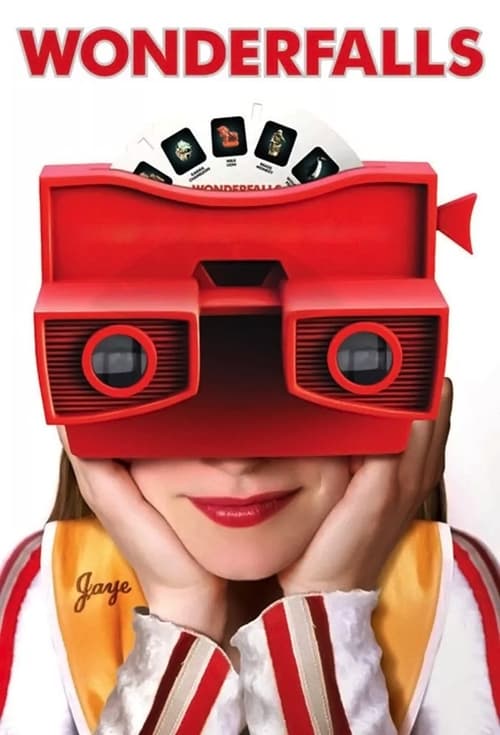
Another Bryan Fuller gem, *Wonderfalls* brought his signature blend of whimsical darkness and magical realism to network TV, if only briefly. It followed Jaye, a cynical souvenir shop employee, whose life gets turned upside down when inanimate objects start giving her cryptic instructions. Its unique premise, strong character voice, and serialized mystery elements were a breath of fresh air. It was quirky, smart, and visually distinct, proving that imaginative, character-driven fantasy could exist outside of strictly genre channels, even if network suits didn't quite grasp its brilliance.