


#1
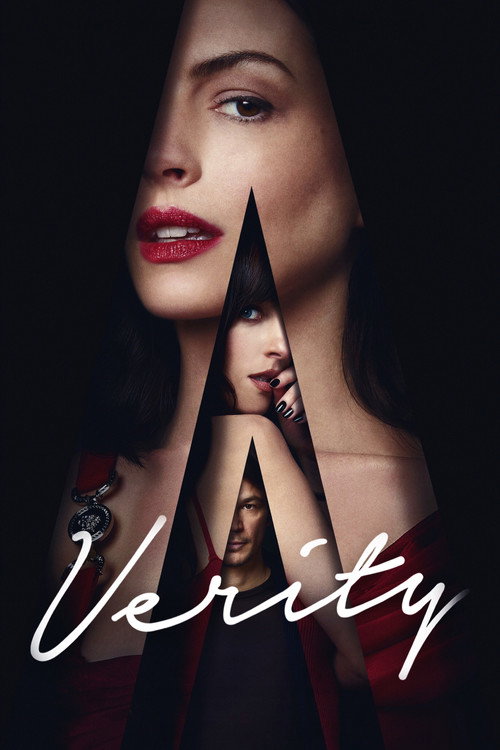
Verity
The messy manuscript genre is back. Lowen sifting through Verity Crawford’s autobiographical notes inside that stifling house hits every single gothic paranoia trope we crave. You get that icy, voyeuristic tension where reading someone else's confessions turns into an actual survival hazard. It feeds the exact same appetite for deceit, wealthy domestic isolation, and spiraling conspiracies that kept everyone glued to the original premise. A lethal paper trail set against rich, suffocating walls is always pure cinema.
2 critics · 2 lists →
#2

Basic Instinct
Paul Verhoeven understood erotic dread down to the exact shade of icy coastal light. Sharon Stone in that ivory knit dress smoking under fluorescent interrogation lamps lives rent-free in my mind forever. The sheer arrogance of the framing makes every interrogation look like a museum exhibit. It nails that slick, predatory nineties minimalism where rich women live in brutalist beach mansions and murder people with zero remorse. The entire aesthetic smells like expensive hairspray and pure menace.
#3
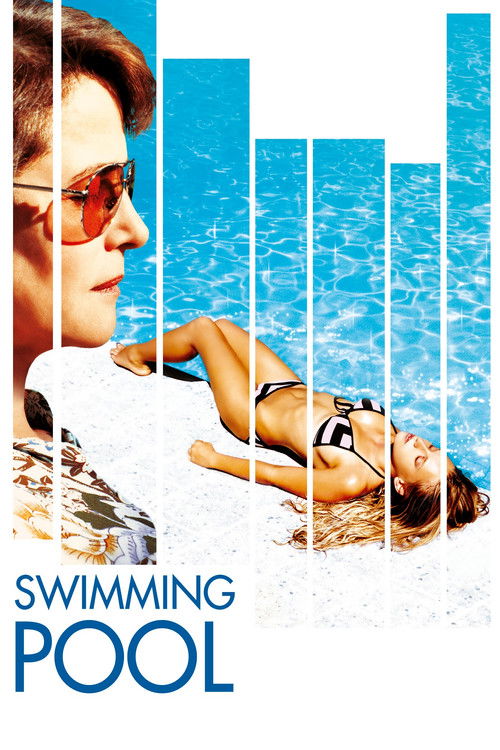
Swimming Pool
François Ozon built the ultimate slow-burn study in female friction using French sun and chlorinated water. Charlotte Rampling typing stiffly in linen while Ludivine Sagnier sunbathes naked beside the turquoise pool is peak psychological tension. The contrast between dry, repressed pages and dripping wet hedonism creates an unbearable simmer. Every cut feels humid and sticky with quiet resentment. It feels less like watching a conventional murder mystery and more like absorbing a languid, dangerously hostile daydream.
#4
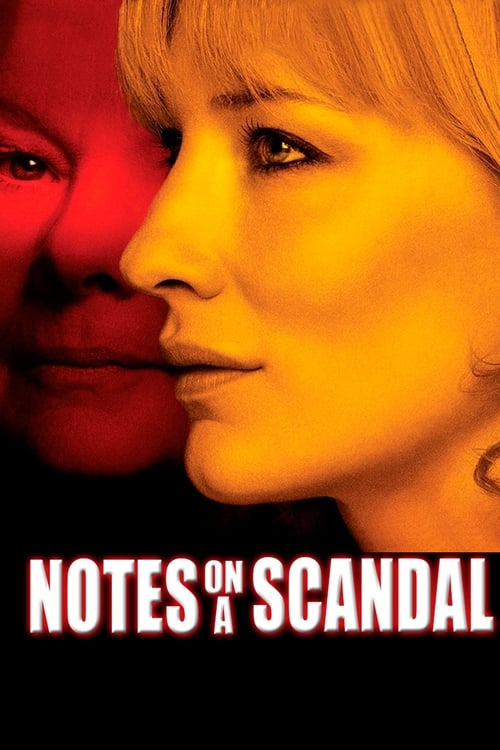
Notes on a Scandal
The color palette here is wet wool, stale tea, and unhinged emotional surveillance. Judi Dench narrating her diaries with venomous precision while stalking Cate Blanchett through bleak North London classrooms gives me complete chills. Those tight, claustrophobic close-ups capture every predatory flicker behind her thick glasses. Philip Glass hammering away on the strings makes the unspoken obsession sound completely deafening. It captures toxic codependency with the razor-sharp cruelty of someone scribbling poison into a cheap notebook.
#5
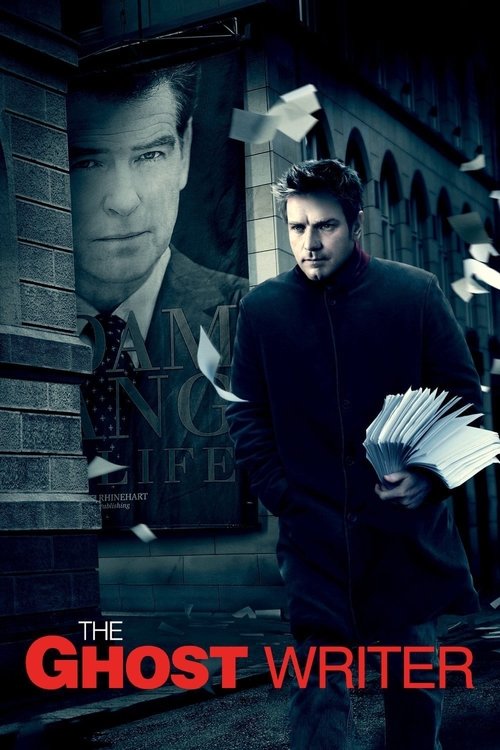
The Ghost Writer
This is strictly for anyone who gets off on architectural dread. That massive, cold concrete beach house on Martha's Vineyard is practically a monument to impending doom. Roman Polanski films the gray coastal drizzle and muted slate interiors like a slow suffocation. Ewan McGregor piecing together political secrets from an abandoned manuscript under oppressive, flat overcast skies gives the ultimate rainy-day paranoia fix. Every single frame is gray, damp, chic, and completely rotten at the core.
#6

Side Effects
Steven Soderbergh shot this through a sickening, yellow-green hospital filter that makes normal Manhattan penthouses look like chemical spills. Rooney Mara plays vacant and medicated with terrifying precision, her face an unreadable porcelain mask. The crisp digital staging keeps everything sterile, detached, and cold. When the clinical pharmaceutical plot pivots into sharp corporate deceit, the framing stays relentlessly clinical. It looks like a high-end luxury antidepressant commercial that slowly morphs into a calculated, venomous trap. Unsettling perfection.
#7
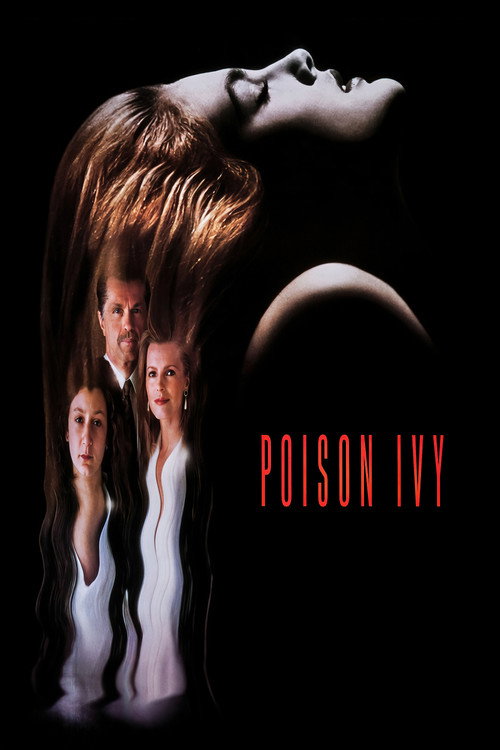
Poison Ivy
Sun-bleached California gothic at its absolute trashiest and most hypnotic. Drew Barrymore drifting into an unhappy family’s sprawling estate with dirty blonde curls and a cross tattoo is pure nineties camp malice. The greenhouse scenes are drenched in humid golden hour light, rotting leaves, and sweat. She infiltrates the household like an invasive weed dressed in vintage slip dresses. It delivers sweaty teenage melodrama paired with a genuinely rotten undercurrent of domestic destruction. Pure aesthetic catnip.
#8
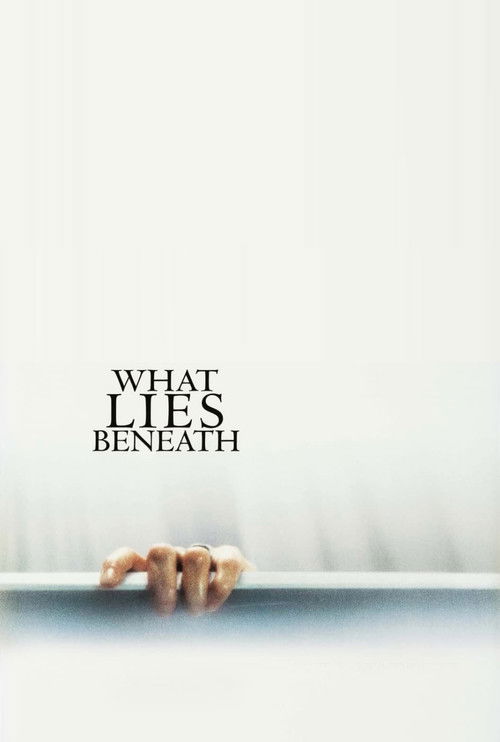
What Lies Beneath
Nobody does wealthy, unhinged domestic terror quite like Michelle Pfeiffer in a lakeside Vermont mansion. Robert Zemeckis treats the sleek, wood-paneled lake house like a haunted terrarium, using mirror reflections and bathwater surfaces to trap her in paranoia. The lighting is deceptively warm until night falls, turning deep blue and suffocating. That paralyzing bathtub sequence remains permanently burned into my memory. It captures the terrifying realization that your pristine suburban marriage is built directly over an open grave.
#9

Crimson Peak
Guillermo del Toro poured pure, decadent melodrama into every inch of Allerdale Hall. Crimson clay oozing through floorboards, rotting ceiling snow, and Jessica Chastain stirring poisoned tea in a severe velvet gown is my personal Roman Empire. The color saturation is aggressively gorgeous, contrasting deep teal shadows with violently bright blood reds. It trades mundane jump scares for lush, operatic romance mixed with sibling rot. If you like your toxic relationships wrapped in Victorian architectural decay, look nowhere else.
#10

Chloe
Toronto modernism has never looked so frigid or predatory. Atom Egoyan stages Julianne Moore’s marital suspicions inside an icy glass house surrounded by winter trees. Amanda Seyfried plays the hired escort with doe-eyed menace, turning every intimate confession into emotional blackmail. The framing is obsession-heavy, constantly trapping characters behind mirrors and sheer curtains. It captures how quickly an insecure woman can invite absolute chaos into her home just to feel something. The whole movie feels like expensive, frozen perfume.
#11
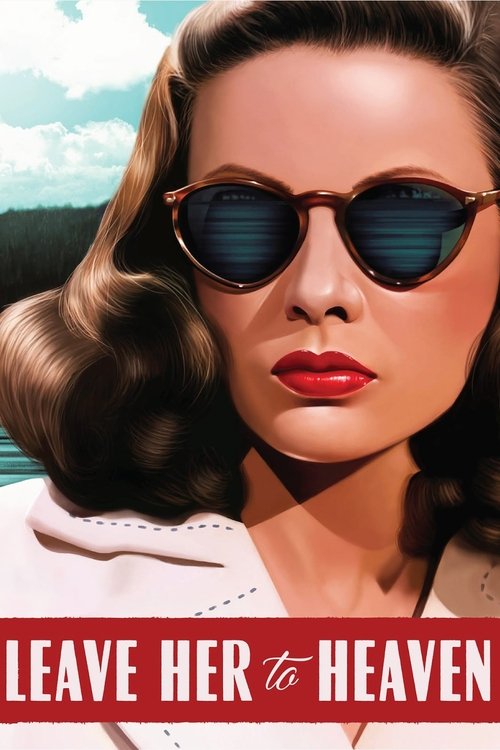
Leave Her to Heaven
This is the mother of all unhinged female villain aesthetics. Shot in blinding, saturated Technicolor, Gene Tierney staring impassively behind tortoiseshell sunglasses while sitting in a wooden rowboat is legendary cinematic cruelty. Her pastel wardrobe and pristine lakeside cabins look like a department store catalogue, which makes her quiet sociopathy even more jarring. John Stahl shoots murder in broad, dazzling sunlight instead of noir shadows. It proves that extreme psychological darkness works best when bathed in beautiful, candy-colored hues.
#12
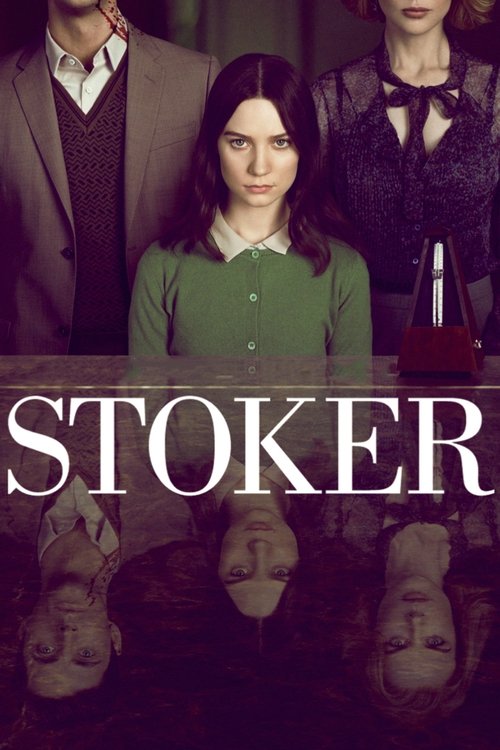
Stoker
Park Chan-wook turning American domestic trauma into a razor-sharp puzzle is visual perfection. Every match cut feels surgically precise, especially that suffocating piano duet between Mia Wasikowska and Matthew Goode. The color palette of muted ochre, crisp white collars, and polished saddle shoes screams suppressed violence. It treats teenage alienation and generational madness like high art. You end up utterly hypnotized by the geometric framing before you even register how deeply sick everyone in the house actually is.
2 critics · 2 lists →
0 / 12